What is Motogp Wildcard?
Have you ever wondered about the concept of MotoGP Wildcards?
We will explore what MotoGP Wildcards are, how they work, and the benefits they offer to both new and established riders.
Delve into the eligibility criteria for MotoGP Wildcards, the rules and regulations that must be followed, and some famous examples of Wildcard entries in the past.
We will discuss the challenges that come with using a Wildcard and where they are allowed to compete.
Stay tuned to learn more about this fascinating aspect of MotoGP racing!
Key Takeaways:
- MotoGP Wildcard is an opportunity for new and established riders to compete in a few selected races throughout the season.
- Riders from other championships and Moto2/3 are eligible for a MotoGP Wildcard.
- Using a wildcard comes with challenges such as limited practice time and unfamiliarity with the track and bike.
What Is MotoGP Wildcard?
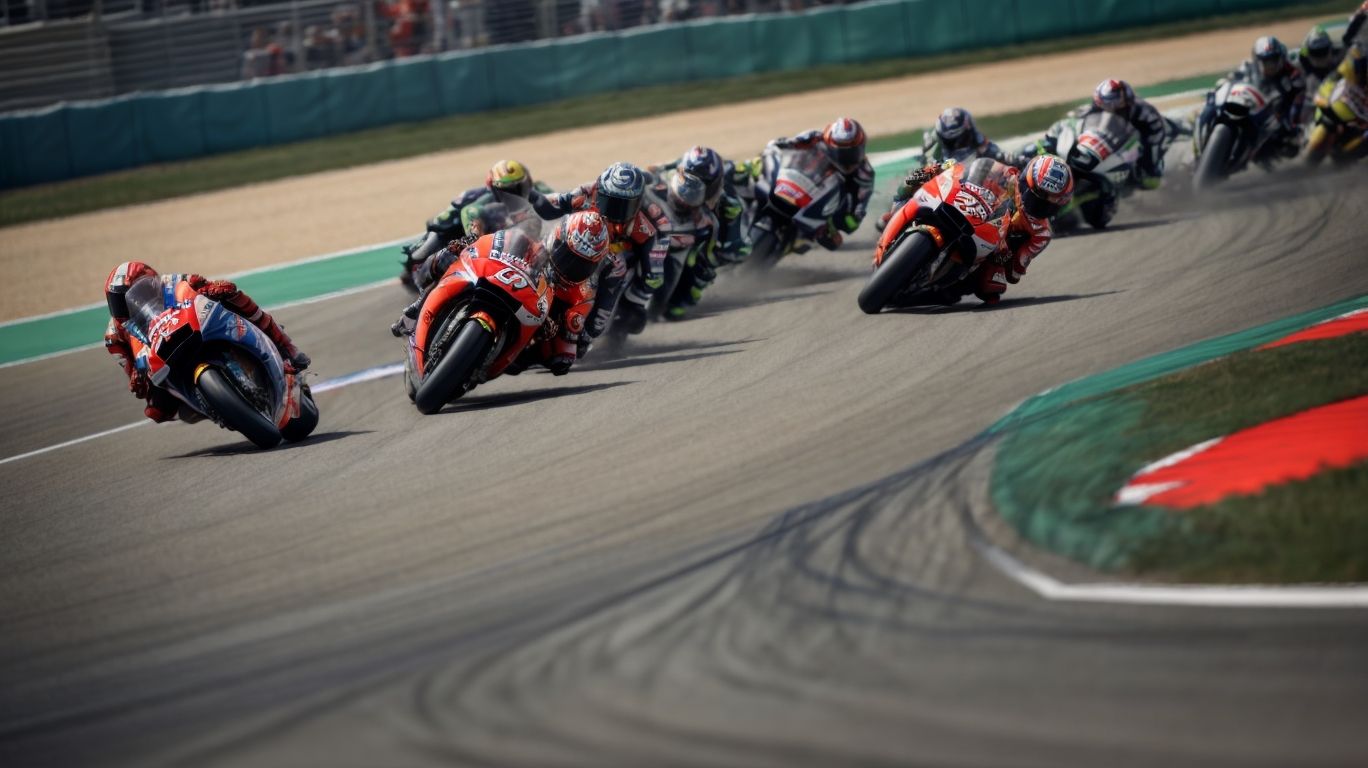
MotoGP Wildcard allows additional riders to compete in select Grand Prix events alongside the regular grid, offering opportunities for both established and new riders to showcase their skills.
This concept is particularly beneficial for manufacturers as they can provide a platform for up-and-coming talents to shine. The Wildcard system injects excitement and unpredictability into every season, keeping fans on the edge of their seats. It also gives lesser-known riders a chance to prove themselves on challenging tracks, shaping the dynamic of each race. By blending experienced riders with fresh faces, MotoGP Wildcards enrich the competition, making each event a unique spectacle that keeps the adrenaline pumping.
How Does MotoGP Wildcard Work?
MotoGP Wildcard system allows test riders or riders from other championships to enter and compete in specific Grand Prix events, supplementing the regular grid with additional participants.
The mechanics of the MotoGP Wildcard system involves a selection process where talented riders are granted the opportunity to showcase their skills in high-stakes races alongside established competitors. These wildcard entries bring an element of unpredictability and excitement to the races, as fans eagerly anticipate how these new faces will fare on the track. For example, legendary rider Dani Pedrosa made memorable wildcard appearances for Ducati at the Valencia Grand Prix, adding a thrilling dynamic to the competition.
What Are The Benefits Of MotoGP Wildcard?
MotoGP Wildcard offers various benefits, such as providing opportunities for new riders to compete in high-stakes races and allowing established riders to test new equipment under race conditions.
One of the key advantages of MotoGP Wildcard entries is seen in the increased competitiveness it brings to the racing circuit. By introducing fresh talent alongside seasoned riders like Michele Pirro , the wildcard system shakes up the rankings and challenges the status quo.
For Honda and other manufacturers, Wildcard entries serve as invaluable testing opportunities. The fast-paced race environment at circuits like Jerez provides real-world data that is essential for refining and optimizing equipment. These wildcard riders add diversity to the lineup, ensuring a dynamic and exciting mix of competitors on the grid.
Opportunity For New Riders To Compete
MotoGP Wildcard provides a valuable opportunity for new riders to gain experience by participating in top-tier races throughout the season, showcasing their talents on a global stage.
By securing a wildcard entry, these aspiring riders are able to compete against some of the best in the world, gaining invaluable insights into the strategies and skills of seasoned professionals. This exposure not only allows them to assess their own abilities but also enables them to network and forge connections within the MotoGP community. For example, riders like Cal Crutchlow started their careers as wildcard entries and eventually transitioned to full-time MotoGP riders. Events like the Dutch GP provide a prime platform for wildcards to shine and catch the eye of team managers, potentially paving the way for a lucrative racing career.
Allows Established Riders To Test New Equipment
For established riders, MotoGP Wildcard serves as a platform to evaluate and test new equipment or setups during race conditions, providing invaluable insights for both riders and manufacturers.
When we think about riders like Stefan Bradl using the wildcard system, they can take advantage of this opportunity to try out the latest developments in technology or alternative strategies without compromising their main championship standing. This was evident at the Italian Grand Prix, where riders like Bradl on a Yamaha were able to experiment with different settings and configurations that they might not risk during the regular championship races. Such trials could lead to crucial improvements in performance down the line, giving them a competitive edge.
Who Is Eligible For MotoGP Wildcard?
Eligibility for MotoGP Wildcard extends to riders from other championships, including Moto2 and Moto3, providing a pathway for talented individuals to step up to the premier class.
Securing a MotoGP Wildcard spot is highly competitive, demanding exceptional skill and results in lower categories. The Wildcard system allows emerging talents to showcase their abilities on a larger stage, potentially catching the eye of established teams and sponsors. Riders like Lorenzo Savadori have successfully utilized this opportunity as a bridge from Moto2 to MotoGP, proving their capabilities under intense competition.
Riders From Other Championships
MotoGP Wildcard opens its doors to riders from various championships outside the premier class, allowing them to compete against the best in the world in select races throughout the season.
This initiative serves as a platform for talented individuals from series like World Superbike Championship or Moto2 to showcase their skills on a global stage. By welcoming these riders, MotoGP not only enhances the competition but also promotes diversity within the racing community. The inclusion of additional talents from different championships injects fresh energy and perspectives into the grid, enriching the overall racing experience for fans and enthusiasts.
Riders From Moto2 And Moto3
Talented riders from Moto2 and Moto3 categories are eligible for MotoGP Wildcard entries, offering them a chance to experience the premier class competition and potentially make a mark on the MotoGP scene.
Participating as a wildcard rider in a MotoGP event not only allows Moto2 and Moto3 talents to showcase their skills on a much grander stage but also provides invaluable exposure to top-tier teams and sponsors. This exposure could open doors to full-time contracts with established MotoGP teams, propelling them towards a promising career in the motorcycle racing world. Notable riders like Valentino Rossi have successfully navigated their way from lower classes through wildcard opportunities, proving the significance of this transition path.
How Many Wildcards Are Allowed In A MotoGP Season?
The number of Wildcards permitted in a MotoGP season varies annually, with race organizers and governing bodies setting specific limits to maintain the competitive balance and logistical efficiency of the championship.
Wildcards play a crucial role in the MotoGP season, allowing additional riders to participate in select races throughout the year. These special entries are subject to strict regulations to ensure that they do not disrupt the overall flow of the championship. Entities such as former riders like Casey Stoner who may make occasional comeback appearances are often granted Wildcard entries, creating moments of excitement for fans. Track regulations also come into play, with circuits needing to meet specific safety standards to host additional riders and ensure fair competition.
What Are The Rules And Regulations For MotoGP Wildcard?
Participation in MotoGP Wildcard events necessitates adherence to stringent rules and regulations, including approval by the race organizer and compliance with technical and safety standards to ensure a level playing field.
Riders seeking a MotoGP Wildcard entry must display exceptional skill and experience in lower-tier competitions, as well as secure the necessary financial backing to cover the costs associated with participating at this elite level. Safety is paramount, with thorough scrutineering carried out to ensure bikes meet the exacting standards set by the governing body. Riders must be well-versed in the regulations surrounding flag-to-flag races and understand the nuances of securing grid spots amidst fierce competition from established teams and riders. The process involves meticulous attention to detail and extensive preparation to meet the demands of the competitive MotoGP arena.
Must Be Approved By The Race Organizer
Ahead of participating as a Wildcard entrant, riders must receive explicit approval from the race organizer, who assesses the suitability and qualifications of the additional participant for the event.
Receiving approval from the race organizer for MotoGP Wildcard entries holds immense importance in maintaining the integrity of the competition. The organizer plays a pivotal role in ensuring that wildcard entrants, like Michele Pirro, meet the required standards to compete at prestigious circuits such as Jerez. By scrutinizing each candidate’s racing background, skills, and adherence to safety protocols, the organizer upholds fair play and enhances the overall safety of all participants on the track.
Must Meet All Technical And Safety Requirements
Wildcard riders are obligated to meet all technical and safety prerequisites set forth by MotoGP regulations, guaranteeing that their participation aligns with the established standards for performance and rider protection.
These requirements ensure that each rider, such as Stefan Bradl riding for Honda, has the necessary skills and equipment to navigate the demanding tracks safely. From engine specifications to tire quality, every detail is scrutinized to maintain a level playing field and safeguard the well-being of all competitors. Compliance with these standards not only enhances the overall experience for fans and teams but also upholds the integrity of the MotoGP championship by prioritizing fairness and safety above all.
What Are Some Famous Examples Of MotoGP Wildcards?
Over the years, MotoGP has witnessed renowned figures like Valentino Rossi and Casey Stoner taking part as Wildcards, creating memorable moments and adding excitement to the races.
Valentino Rossi, a true icon of the sport, shocked fans and competitors alike when he appeared as a Wildcard entry, demonstrating his relentless passion for racing and the thrill of competition. Similarly, Casey Stoner, known for his spectacular riding style, brought a new level of intensity to the championship as a Wildcard, leaving spectators in awe of his skills.
One cannot forget the impact of Cal Crutchlow, another talented rider, who embraced the challenge of being a Wildcard with enthusiasm and determination, showcasing his resilience on the track.
The Dutch GP has been a venue where these Wildcards have truly shined, with each rider bringing their unique experiences and strategies to the race, pushing the limits of MotoGP and providing fans with unforgettable moments of pure racing excellence.
Valentino Rossi In 2019
Valentino Rossi’s Wildcard appearance in 2019 generated immense excitement among fans and showcased the enduring talent and competitive spirit of the legendary rider on the MotoGP stage.
Rossi’s surprise entrance injected a renewed energy into the event, sparking discussions and speculations among spectators, rival riders, and experts alike. This move by the Italian racer not only added a thrilling element to the competition but also brought back memories of his illustrious career, drawing attention to his achievements and impact on the sport. With seasoned riders like Dani Pedrosa also making headlines during the Italian Grand Prix, Rossi’s participation added another layer of drama and anticipation to an already intense racing weekend.
Casey Stoner In 2015
Casey Stoner’s Wildcard return in 2015 captivated audiences worldwide, as the former champion demonstrated his exceptional skills and speed once again, leaving a lasting impression on the MotoGP community.
Stoner’s comeback injected a burst of adrenaline into the season, with fans eagerly anticipating his performance. His partnership with Michele Pirro and Red Bull KTM Factory Racing added an extra layer of excitement, showcasing the collaboration between seasoned veterans and emerging talents.
The race weekend buzzed with speculation and awe as Stoner took to the track, effortlessly maneuvering through the challenging corners and pushing the limits of his machine. His insights into MotoGP racing were invaluable, offering a rare glimpse into the mind of a two-time world champion and drawing praise from fellow competitors.
What Are The Challenges Of Using A MotoGP Wildcard?
Despite the opportunities it offers, utilizing a MotoGP Wildcard presents challenges such as limited practice time and the need to quickly adapt to unfamiliar tracks and bikes, adding complexity to the racing experience.
One of the biggest hurdles faced by Wildcard entrants in MotoGP is the lack of ample practice sessions compared to regular riders. This scarcity of track time can hinder their ability to fine-tune their racing strategies and familiarize themselves with the nuances of the circuit.
In addition, adapting swiftly to new bikes, especially those from different manufacturers like Yamaha, can prove to be a daunting task for Wildcard riders. Each bike has its unique handling characteristics and requires adjustments that demand a deep understanding to extract peak performance.
The pressure to deliver results despite these challenges falls heavily on individuals like Stefan Bradl who have to find the delicate balance between pushing the limits and minimizing risks. This balancing act becomes even more intricate when combined with the external factors of heightened competition and fan expectations.
Limited Practice Time
One of the primary challenges of MotoGP Wildcard entries is the limited practice time available to riders, necessitating quick adaptation and efficient use of track sessions to optimize performance.
For riders like Lorenzo Savadori, who recently competed as a Wildcard entry for Aprilia, this time constraint adds immense pressure to deliver competitive performances.
Without the luxury of extensive testing and setup adjustments, every lap becomes crucial in understanding the nuances of the track and fine-tuning the bike to extract maximum speed and handling.
This demands exceptional focus and strategic decisions during the brief practice windows, as each tweak can potentially make a significant impact on race day results.
Lack Of Familiarity With The Track And Bike
Navigating the challenges of unfamiliar tracks and bikes poses a significant hurdle for MotoGP Wildcard entrants, as they must quickly adapt to new environments and equipment to perform at their best.
For example, when riders like Cal Crutchlow enter as Wildcards, they often face the daunting task of familiarizing themselves with a completely different machine, such as a Ducati, which requires a distinct riding style and approach. The pressure to quickly learn the intricacies of the bike’s performance characteristics while also deciphering the nuances of the track layout can be overwhelming. Effective communication with the team and gathering valuable insights from experienced riders prove essential in this learning process.
Is MotoGP Wildcard Allowed In All Races?
While MotoGP Wildcard entries are permitted in many races, certain events like flag-to-flag races and races with limited grid spots have restrictions that may exclude Wildcard participation due to logistical or competitive considerations.
Flag-to-flag races, which involve bike changes due to varying weather conditions, pose challenges for Wildcard entries to adapt quickly to different bike setups and tire choices, potentially affecting their competitive performance.
Similarly, races with limited grid spots prioritize regular championship riders, like Dani Pedrosa on the KTM team, to maintain grid order consistency and avoid disruptions.
These limitations aim to ensure fair competition and maintain the integrity of the MotoGP races by focusing on established team structures and regular contenders.
Not Allowed In Flag-To-Flag Races
Flag-to-flag races in MotoGP do not typically permit Wildcard entries, as the dynamic nature of these events and the strategic considerations involved may not align with the inclusion of additional participants during changing track conditions.
Wildcard entries, typically granted to riders outside the regular championship line-up, could disrupt the intricate choreography of pit stops, bike swaps, and tire changes that are crucial in flag-to-flag races. MotoGP teams meticulously plan these transitions with precision, and introducing extra riders unfamiliar with the nuances of their bikes and team strategies could lead to potential chaos on the track. For instance, a rider like Michele Pirro might struggle to seamlessly fit into the race dynamics of the factory Honda team during a demanding flag-to-flag race.
Not Allowed In Races With Limited Grid Spots
In races with restricted grid spots, MotoGP Wildcard entries may be disallowed to maintain the integrity of the starting lineup and ensure fair competition among the regular grid riders without overcrowding the track.
Allowing too many Wildcards can disrupt the established rhythm of the championship, potentially affecting the championship contenders’ focus and the event’s overall flow. By limiting the number of Wildcard entries, like the case with Stefan Bradl at Valencia, the organizers can prevent instances where additional riders may not have the same level of experience or competitiveness as the regular grid participants, thus safeguarding the quality and safety of the races. This practice also helps in optimizing logistical arrangements and minimizing organizational complexities, ultimately streamlining the MotoGP operations.
Frequently Asked Questions
What is Motogp Wildcard?
Motogp Wildcard is a term used in the MotoGP racing world to refer to a rider who is not a regular participant in the series but is allowed to enter a race as a one-time participant.
How does a rider become a Motogp Wildcard?
To become a Motogp Wildcard, a rider must first be approved by the organizers of the MotoGP series. They must also have the necessary qualifications and experience to compete at the MotoGP level.
What is the purpose of a Motogp Wildcard?
The purpose of a Motogp Wildcard is to allow new or less experienced riders to have a chance to compete in a MotoGP race. It also adds variety to the racing field and can potentially attract new fans to the sport.
How many Motogp Wildcards are allowed in a race?
The number of Motogp Wildcards allowed in a race varies depending on the race and organizer. Typically, there are 4-6 spots available for Wildcard riders.
Do Motogp Wildcards have any advantages or disadvantages compared to regular participants?
Motogp Wildcards do not have any particular advantages over regular participants. In fact, they often face disadvantages such as having less experience with the tracks and less familiarity with the MotoGP bikes.
Can a Motogp Wildcard win a race?
Yes, a Motogp Wildcard has the same opportunity to win a race as any other rider. However, due to their limited experience, it is less common for a Wildcard to finish in a top position.