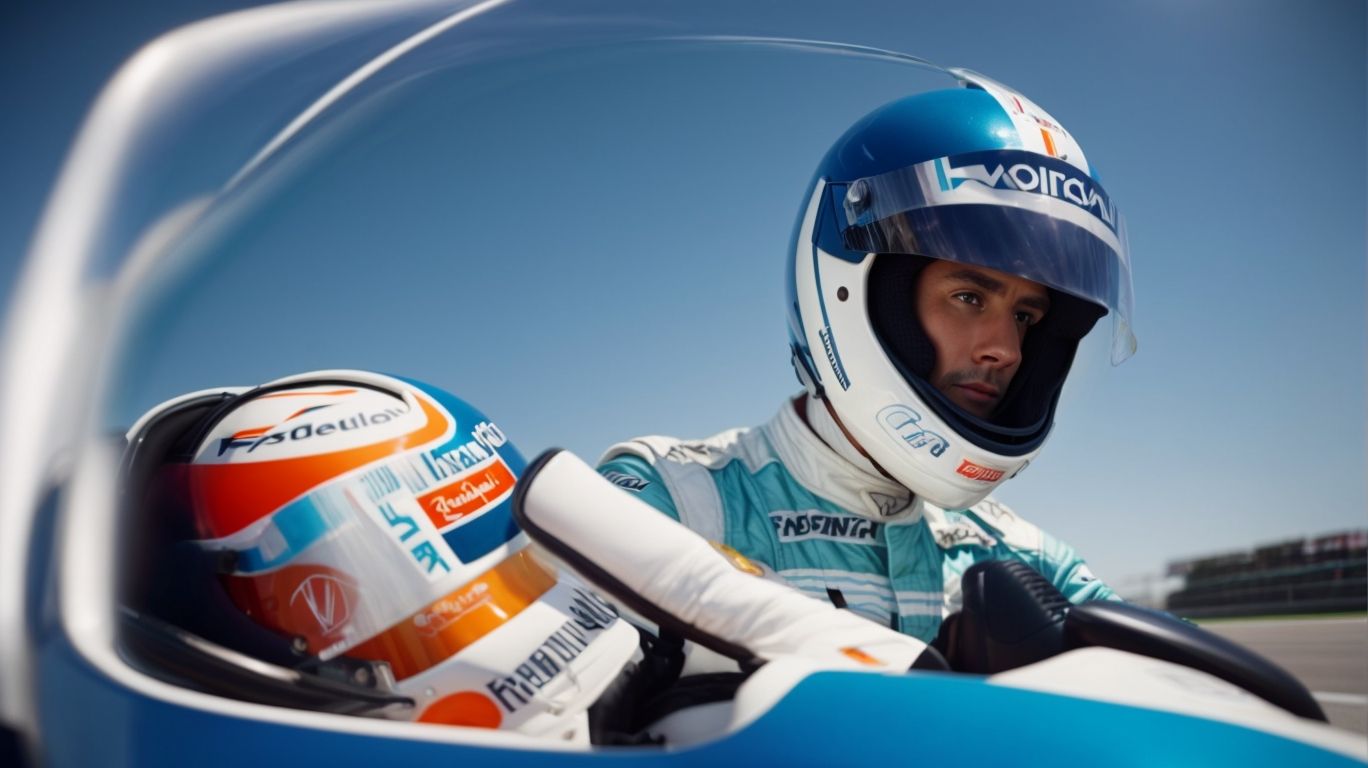
Do You Have to Pit in F1?
Have you ever wondered about the ins and outs of F1 racing, particularly when it comes to pit stops?
Pit stops are a crucial aspect of Formula 1 racing, but do drivers have to pit during a race? What happens if they don’t? And how do pit stops affect race strategy?
In this article, we will explore the rules, regulations, and common mistakes surrounding pit stops in F1, as well as the role of the pit crew and the safety precautions taken during these high-pressure moments.
Let’s dive in and uncover the exciting world of F1 pit stops.
Key Takeaways:
What is F1 Racing?
F1 Racing, short for Formula 1 Racing, is the pinnacle of motorsport competition featuring high-performance cars, skilled drivers, and intense races.
Initially established in 1950 by the Fédération Internationale de l’Automobile (FIA), Formula 1 has a rich history marked by technological innovation and fierce rivalries.
Over the years, the sport has evolved with advancements in aerodynamics, engine technology, and safety features, pushing the boundaries of what’s possible on the racetrack.
With a global fan base and iconic circuits such as Monza, Spa-Francorchamps, and Monaco, Formula 1 races captivate audiences worldwide with their adrenaline-pumping action and drama.
The competitive spirit in F1 is palpable, as teams and drivers constantly strive for perfection, chasing podium finishes and championship titles.
What are the Rules of F1 Racing?
The Rules of F1 Racing, governed by the FIA (Fédération Internationale de l’Automobile), set the standards and regulations that teams, drivers, and competitors must adhere to during Grand Prix events.
These regulations encompass a wide range of aspects, focusing on safety protocols, race strategies, flag signals, and competitor conduct. Safety is paramount in F1, with stringent rules regarding the construction and design of cars, driver equipment, and track conditions. Race procedures are meticulously outlined, covering everything from qualifying sessions to the main race, including pit stops, tire changes, and overtaking techniques. Penalties for rule violations are also well-defined, with penalties ranging from time penalties during races to grid penalties for upcoming events.
What is the Purpose of Pit Stops in F1 Racing?
The Purpose of Pit Stops in F1 Racing serves multiple objectives, including changing tire compounds, refueling, adjusting car setups, and ensuring driver safety within the regulated pit lane environment.
One of the key elements of pit stops in Formula 1 races is tire management. With the demanding nature of the tracks and varying weather conditions, choosing the right tire compound at the right time can make a significant impact on a driver’s performance. Pit crews have to be highly efficient in executing quick tire changes, sometimes under immense time pressure, to minimize the time lost during the stop. Strategic fuel management also plays a crucial role, ensuring that the car has enough fuel to finish the race while maintaining optimal speed.
Do You Have to Pit in F1?
Pitting in Formula 1 is not optional; it is a strategic necessity mandated by the regulations to ensure fair competition and adherence to safety standards.
Teams are compelled to plan pit stops intelligently to capitalize on opportunities to change tires or perform necessary adjustments to the car, enhancing performance during the race. Failure to adhere to the mandatory pit stops can result in penalties, such as fines or time additions, disrupting a team’s overall strategy. Pit stops are not just about changing tires; they are a critical part of the intricate race strategy employed by teams to maximize the chances of success on the track.
What Happens if You Don’t Pit in F1?
Not pitting in Formula 1 can lead to penalties such as time additions, disqualifications, or driving through the pit lane for non-compliance with regulations stipulating mandatory pit stops in races.
These penalties are crucial for maintaining fairness and competitiveness in the sport. When a driver misses a pit stop, it can significantly impact tire performance, leading to increased wear and reduced grip levels on the track. Formula 1 teams meticulously plan pit stops to ensure the optimal balance between pit strategy and tire management. Failure to adhere to these regulations not only affects the driver’s chances during the race but also raises safety concerns as worn-out tires can compromise stability and handling, increasing the risk of accidents.
How Often Do Drivers Pit in F1?
In Formula 1, the frequency of driver pit stops varies depending on race conditions, tire wear rates, fuel loads, and strategic considerations made by teams during practice sessions and qualifying rounds.
One of the key factors influencing pit stop frequency is tire degradation. As tires wear down during the race, drivers experience a decrease in grip and performance, necessitating pit stops for fresh rubber. Teams meticulously analyze tire data from practice sessions to predict wear rates and plan pit stop strategies accordingly.
Driver strategies also play a crucial role in determining when to pit. Factors such as track position, overtaking opportunities, and the performance difference between tire compounds influence the timing and frequency of pit stops. Team engineers analyze fuel loads and consumption rates to optimize pit stop windows for refueling purposes.
What Happens During a Pit Stop in F1?
During a Pit Stop in Formula 1, the pit crew swiftly attends to the car, changing tires, adjusting aerodynamics, refueling (if allowed), and ensuring the driver adheres to the speed limit in the pit lane for safety.
As the car enters the pit box, specialized crew members spring into action like a well-choreographed ballet. Each crew member has a designated role – from tire changers to the jack operator. The tire changers efficiently remove the worn-out tires and replace them with fresh, custom-made tires in a matter of seconds. Meanwhile, the aerodynamics specialists fine-tune the car’s settings to optimize performance on the track.
Simultaneously, if fueling is permitted during the stop, another team maneuvers the fuel hose with precision, ensuring a rapid yet safe refueling process. Safety is paramount during these high-pressure moments; crew members must coordinate their movements with split-second precision to avoid accidents or mishaps.
What is the Role of the Pit Crew in F1?
The Pit Crew in Formula 1 plays a crucial role in executing rapid and precise pit stops, ensuring the safety of the driver and compliance with car regulations to maximize performance and minimize time loss during races.
Each member of the pit crew has specific roles and responsibilities that are finely tuned for efficiency and safety. From the tire changers to the fueling experts, everyone must work seamlessly in tandem to reduce the time spent in the pit lane.
The crew undergoes extensive training to hone their skills and ensure they can perform their tasks swiftly and accurately under immense pressure. Safety protocols are strictly adhered to, with crew members wearing protective gear and following standardized procedures to prevent accidents during pit stops.
What is the Average Time for a Pit Stop in F1?
The Average Time for a Pit Stop in Formula 1 typically ranges from 2 to 3 seconds, showcasing the incredible speed and precision with which the pit crew operates within the regulated pit lane environment.
These lightning-fast pit stops are critical in maintaining a competitive edge on the track, where every fraction of a second can make a difference between victory and defeat. The efficiency of a pit stop is influenced by various factors, including the speed limits within the pit lane, the smoothness of tire changes, and the seamless coordination between the pit crew members and the driver.
How Do Pit Stops Affect Race Strategy in F1?
Pit Stops significantly impact Race Strategy in Formula 1 by influencing tire strategies, fuel loads, overtaking opportunities, and the activation of DRS (Drag Reduction System) for tactical advantages during races.
These strategic decisions play a pivotal role in the overall performance of a Formula 1 team, as each pit stop can make the difference between victory and defeat. Teams meticulously plan pit stop timings to balance the trade-off between staying out longer for quicker lap times and stopping earlier for fresher tires. The choice of tire compounds further adds complexity to the strategic mix, with teams aiming to find the optimal balance between performance and durability.
What are the Safety Precautions During Pit Stops in F1?
Safety Precautions during Pit Stops in Formula 1 are paramount, with strict protocols in place to safeguard the pit crew, drivers, and bystanders from potential hazards associated with high-speed car maneuvers and equipment handling.
Protective gear such as fireproof suits, gloves, and helmets are mandatory for all crew members to minimize injury risks from heat, fire, or flying debris. Pit lane speed limits are strictly enforced, ensuring a controlled environment for safe pit stops. Emergency procedures, including fire extinguishers and medical personnel on standby, are put in place to respond promptly to any unforeseen incidents.
To enhance safety awareness, crew members undergo rigorous training programs focusing on situational awareness, proper handling techniques, and quick tire changes. Tire management is crucial, with crews monitoring pressure levels and inspecting for wear and tear to prevent blowouts during races.
What are the Common Pit Stop Mistakes in F1?
Common Pit Stop Mistakes in Formula 1 include misaligned tire changes, equipment malfunctions, communication errors, and crew mishaps that can lead to race setbacks, penalties, and reactions from drivers, teams, and spectators.
One of the most crucial aspects in Formula 1 pit stops is the synchronization and coordination among the pit crew members. Any slight delay or miscommunication can result in precious seconds lost on the track. This can significantly affect the overall race strategy and positions of the drivers, showcasing the fine margins within which these high-stakes races operate. The pressure to execute flawless pit stops under immense time constraints often leads to errors, highlighting the intense demands placed on both man and machine in the pursuit of perfection.
What are the Pit Stop Regulations in F1?
The Pit Stop Regulations in Formula 1 govern the number of allowed stops, pit lane speed limits, crew conduct, tire usage, and penalties for rule violations to ensure fair competition, safety, and performance standards.
One crucial aspect of pit stops in Formula 1 is the tire protocols. Teams must adhere to strict guidelines regarding tire changes, selecting the appropriate compound for the track conditions and race strategy. Failure to comply with these regulations can result in severe penalties, impacting not only the team’s performance but also influencing the overall race outcome. This meticulous attention to detail in tire management plays a pivotal role in determining a team’s success on the race track.
How Many Pit Stops are Allowed in F1?
In Formula 1, the number of Pit Stops allowed during a race varies depending on the event, tire compounds available, race strategies, and competitive dynamics among teams and drivers.
One of the key factors that determine the Pit Stop frequency in Formula 1 races is the tire regulations set by the governing body. Teams must adhere to these regulations, which dictate the type and number of tires that can be used during a race. The choice of tire compounds impacts pit stop strategies, as teams may opt for softer or harder tires based on track conditions and expected degradation rates.
Strategic considerations play a crucial role in determining when and how many times a driver will pit. Teams analyze factors such as tire wear, fuel levels, track position, and weather conditions to make informed decisions about pit stop timing. These strategic decisions can greatly influence the outcome of a race, as a well-timed pit stop can gain vital seconds over competitors.
What are the Rules for Pit Lane Etiquette in F1?
The Rules for Pit Lane Etiquette in Formula 1 mandate specific behaviors and protocols among competitors, teams, and drivers to maintain order, safety, and fair play within the restricted pit lane environment, respecting flag signals and crew instructions.
Along with following flag signals and crew instructions, communication protocols play a crucial role in ensuring smooth operations in the pit lane. Clear and concise communication between the driver, team members, and pit crew is essential to avoid misunderstandings and potential accidents during pit stops.
Team responsibilities extend beyond efficient pit stops; they also encompass sportsmanship expectations. Respect for fellow competitors, adherence to safety guidelines, and fair play are integral parts of Formula 1’s ethos, promoting a competitive yet respectful environment.
Frequently Asked Questions
Do You Have to Pit in F1?
Yes, pit stops are required in Formula One races.
How often do drivers pit in an F1 race?
It varies depending on the race and track conditions, but typically drivers will pit 1-3 times during a race.
What is the purpose of pit stops in F1?
Pit stops allow drivers to change tires, refuel, and make necessary adjustments to their car during a race.
Are there any rules or regulations for pit stops in F1?
Yes, there are strict rules regarding pit stops including speed limits in the pit lane and the number of mechanics allowed to work on the car at one time.
How long does a pit stop usually last in F1?
A typical pit stop lasts around 2-3 seconds, with the fastest pit stop record being 1.82 seconds.
Can drivers choose not to pit in F1?
Technically, drivers can choose not to pit during a race, but it is not recommended as they will likely fall behind due to tire degradation and fuel consumption.