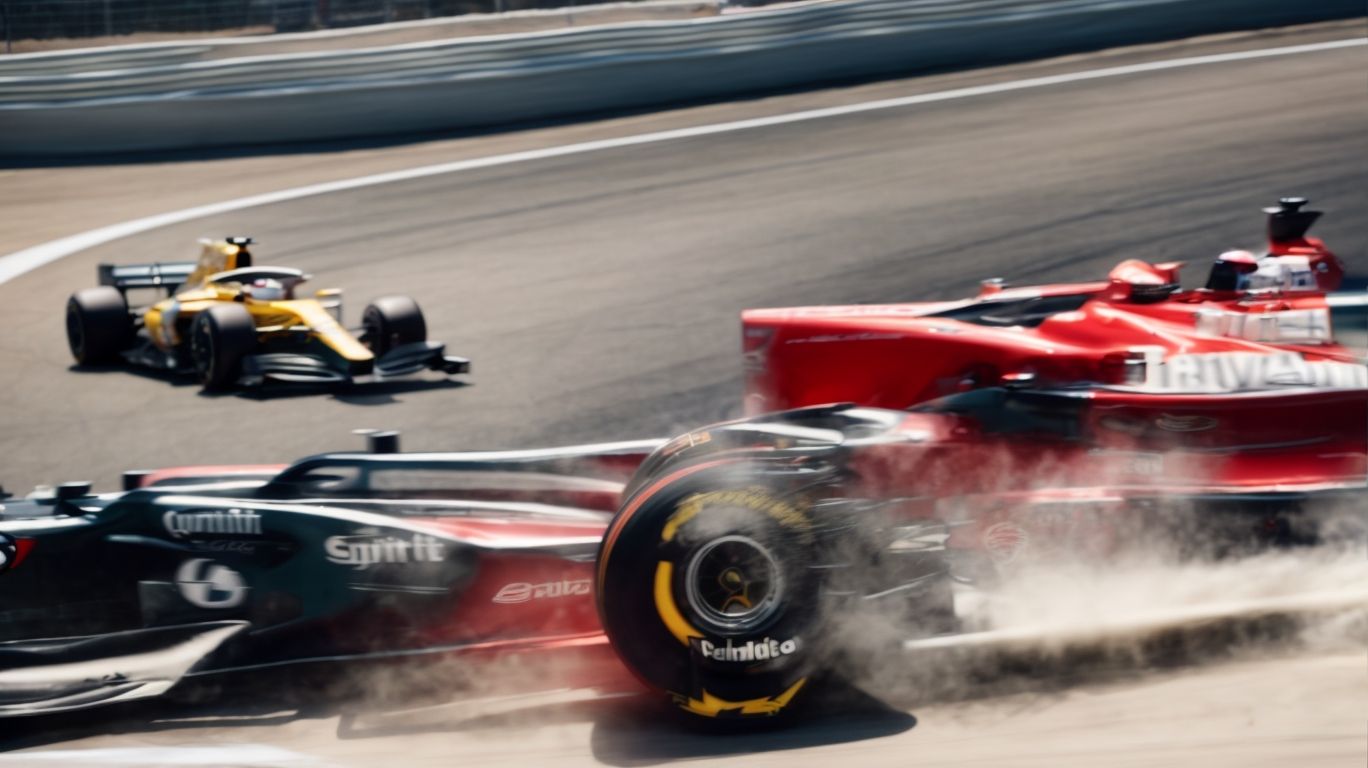
How Long Do F1 Tires Last?
Have you ever wondered about the different types of tires used in Formula 1 racing?
From dry tires to wet tires and intermediate tires, each plays a crucial role in a team’s strategy on the track.
But how long do these F1 tires typically last, and what factors can affect their lifespan?
We will explore the signs of tire wear, how teams manage tire wear during a race, and how tire wear can significantly impact race strategy.
Join us as we delve into the intricate world of F1 tire management and the delicate balance between speed and tire preservation.
Key Takeaways:
What Are the Different Types of F1 Tires?
Formula 1 uses different types of tires to adapt to varying track conditions and racing scenarios.
Among these tire variations, the dry F1 tires are optimized for warm and dry conditions, with a specialized rubber compound that provides maximum grip on a clean track surface.
Wet F1 tires, on the other hand, are designed with deep grooves to channel water away on wet tracks, ensuring superior traction and handling in rainy weather.
Intermediate F1 tires bridge the gap between dry and wet tires, offering a versatile solution for damp or drying track conditions.
Each tire type plays a crucial role in influencing the performance and strategy of teams on the race track, making tire selection a pivotal decision during races.
Dry Tires
Dry tires in Formula 1 are designed to provide optimal grip and performance on track surfaces under normal racing conditions.
These tires are composed of a unique blend of rubber compounds that are specifically engineered to maximize traction and control around high-speed corners.
One of the key factors influencing their wear rates is the tire’s grip level, as the higher the grip, the more stress the tire undergoes, leading to faster wear patterns.
Drivers must carefully manage their tire usage during a race to ensure they maintain consistent performance levels throughout, especially through the demanding high-speed corners that can put immense strain on the tires.
Wet Tires
Wet tires are essential in Formula 1 for maintaining traction and grip on wet track surfaces during rainy or damp conditions.
These specialized tires are designed with unique tread patterns and compounds that effectively displace water to prevent hydroplaning, ensuring the tires remain in contact with the track surface. This enhanced grip is crucial for drivers to maintain control of their cars, especially when navigating sharp corners or sudden braking on slippery tracks.
The advanced technologies used in wet tires allow them to adapt to changing weather conditions, providing drivers with confidence and stability to push their vehicles to the limit despite the challenging circumstances. The high-quality construction and precise engineering of wet tires make them a vital component in optimizing driver safety and performance in unpredictable rain-soaked races.
Intermediate Tires
Intermediate tires bridge the gap between dry and wet tires, offering moderate grip and performance in changing track conditions.
During races, teams strategically deploy intermediate tires when the track surfaces are not completely wet or dry, but a mix of both. These tires feature a specially designed tread pattern that helps to displace water and maintain traction on damp surfaces. The compounds used in intermediate tires are softer than those of slicks but firmer than full wets, striking a balance that allows them to perform effectively in such conditions. Teams closely monitor weather forecasts and track conditions to decide when to switch to or from intermediate tires, aiming to maximize the car’s performance and driver’s control.
How Long Do F1 Tires Typically Last?
The lifespan of Formula 1 tires is influenced by various factors that determine their durability and wear rates during races.
One of the key factors impacting the longevity of F1 tires is the unique wear patterns that emerge during high-speed racing. The intense forces exerted on the tires, especially during braking and cornering, lead to specific tread wear that teams closely monitor. The tire compounds play a crucial role in determining how long each set of tires can last on the track. Teams carefully choose the optimal tire compounds based on track conditions and weather forecasts to ensure maximum performance and durability.
Factors Affecting Tire Lifespan
Several factors impact the lifespan of F1 tires, such as track temperature, wear-out rates, and the number of heat cycles the tires go through.
Track temperature plays a crucial role in determining how tires perform during an F1 race. Higher temperatures can cause the tire compounds to degrade more rapidly, leading to increased wear-out rates and reduced grip. Conversely, cooler track temperatures can help prolong the lifespan of the tires but may also impact their performance in terms of optimal grip and handling. Wear-out characteristics vary depending on the tire compound used, with softer compounds offering better grip but wearing out faster than harder compounds. Heat cycles, which refer to the process of heating and cooling the tires, also influence tire durability by affecting the structural integrity of the rubber. Managing heat effectively is essential to prevent overheating and maintain tire performance throughout the race.”
Average Lifespan of F1 Tires
On average, F1 tires are designed to last a specific number of laps depending on track conditions, tire compounds, and the level of wear and degradation experienced.
The lifespan of F1 tires can vary significantly from race to race. Factors such as track temperature, surface abrasiveness, driving style, and pit stop strategies all play a role in determining how long a set of tires will last. Higher temperatures usually result in quicker tire degradation, causing teams to carefully monitor wear levels and adjust their race strategies accordingly in order to maximize performance.
What Are the Signs of Tire Wear?
Detecting tire wear in Formula 1 involves observing changes in grip levels, wear patterns, and the frequency of tire-road contact during races.
In Formula 1, monitoring tire wear is crucial for optimal performance on the track. Visual indicators such as the appearance of the tire’s surface, including cracks, cuts, and wear patterns, give insights into the tire’s condition. Performance indicators, like decreased grip levels and increased sliding on corners, signal deteriorating tire quality. Understanding the impact of wear patterns on lap times is essential, as certain patterns can lead to increased rolling resistance and decreased traction, affecting a driver’s overall speed and handling.
Visual Inspection
Visual inspections play a crucial role in identifying signs of tire wear such as uneven wear patterns, cuts, or blistering caused by extreme heat cycles or aggressive driving.
This process is vital in monitoring tire conditions as it helps racing teams prevent potential hazards that could lead to sudden tire failures, compromising the safety of the driver and affecting race performance.
Common signs of tire degradation, detected through visual inspections, include chunking – a condition where pieces of rubber break away from the tire, or feathering – a wear pattern where the edges of the tire’s tread blocks become rounded.
Factors such as tire compound can impact wear rates, with softer compounds usually wearing faster but providing better grip. Racing teams employ strategies like adjusting tire pressures or altering camber settings to manage tire conditions during races.
Performance on Track
Tire wear can impact on-track performance, affecting lap times, braking efficiency, and overall handling characteristics during high-speed maneuvers and heavy braking zones.
Excessive tire wear can lead to decreased traction, compromising the ability to generate optimal grip levels, especially on corners where the tires are crucial for stability and cornering speed. This can result in longer braking distances as the tires struggle to maintain contact with the road surface, leading to reduced deceleration rates and compromised corner entry speeds. Effective tire management becomes paramount in race strategies to minimize the impact of wear, with teams strategizing pit stops to replace tires at the right intervals, balancing wear levels with optimal grip and performance.
How Do Teams Manage Tire Wear During a Race?
In F1 races, teams employ strategic pit stops and tire selection tactics to effectively manage tire wear and maintain competitive performance throughout the race.
These tire selection tactics involve a meticulous evaluation of track conditions, weather forecasts, and the specific characteristics of each tire compound available for the race.
Teams analyze data from practice sessions to determine the optimal tire strategy, considering factors like tire degradation rates, track temperatures, and expected pit stop windows.
Real-time communication between the driver and the pit wall is crucial for adjusting the tire strategy on the fly based on observed tire wear and overall race pace.
Pit Stops
Pit stops allow F1 teams to change tires efficiently, adjust tire pressures, and address any performance issues to optimize race performance and minimize time loss.
One of the key aspects of pit stops in Formula 1 racing is the management of tire wear, which plays a critical role in determining a team’s success on the track. Tire changes during pit stops are essential to maintain optimal grip and performance throughout the race. Teams carefully monitor tire wear and make strategic decisions on when to switch to a fresh set of tires, ensuring that the driver can push the car to its limits without compromising safety.
Plus tire changes, adjustments to tire pressures are commonly made during pit stops. This is a delicate balancing act that can significantly impact a car’s handling characteristics. By fine-tuning tire pressures, teams can optimize traction, cornering grip, and overall stability, giving the driver the confidence to push harder and extract maximum performance from the car.
Tire partners play a crucial role in supporting teams by providing a range of tire compounds suited to different track conditions and temperatures. The collaboration between teams and tire manufacturers is vital in selecting the most suitable tire compounds that offer the right balance of performance and durability. This partnership ensures that teams have access to tires that can withstand the demanding race conditions while delivering consistent performance throughout each stint.
Tire Strategy
Tire strategy in Formula 1 involves selecting the most suitable tire compounds, managing tire performance over different race stages, and optimizing pit stop timings for competitive advantage.
In terms of tire compounds, the choice is crucial as each compound offers different levels of grip and durability. Teams must analyze track conditions, weather forecasts, and the race strategy to determine the best combination.
Soft, medium, and hard compounds are typically used, with the softer compounds providing better grip but wearing out faster. Performance considerations also include tire pressures, temperatures, and alignment adjustments to ensure optimal traction and handling.
An effective tyre management technique is the ‘tyre saving’ strategy, where drivers adjust their driving style to preserve tire condition throughout the race. This involves smooth braking, controlled acceleration, and avoiding aggressive maneuvers that could excessively wear the tires. Proper tyre management not only improves lap times but also reduces the number of required pit stops, saving valuable time on track.
How Does Tire Wear Affect Race Strategy?
Tire wear directly influences race strategies by impacting tire lengths, downforce levels, and the pursuit of achieving the fastest laps during a race.
When drivers are managing tire wear, they must strike a delicate balance between pushing the limits for faster lap times and ensuring that their tires last throughout the race. This balancing act may involve adjusting downforce settings to optimize grip and performance without excessively straining the tires. Drivers often strategize to extend the life of their tires while maintaining competitive speeds, a tactic crucial for success on the track.
Choosing the Right Tire Compound
Selecting the appropriate tire compounds, whether harder or softer, is a critical decision for F1 teams to balance grip levels, wear rates, and heat cycle resilience throughout the race.
Harder tires are known for durability and consistency, offering stability over long stints but sacrificing some initial grip. Conversely, softer tires provide better grip and faster lap times initially, but wear more quickly. Teams must consider track temperature, surface abrasiveness, and pit stop strategies when deciding which tire compound to use during a race.
Heat cycles play a crucial role in tire performance, as each cycle can affect the tire’s compound and structure. Repeated heating and cooling can lead to reduced grip, increased wear, and potential blistering or graining. F1 teams meticulously manage heat cycles by properly warming up tires, avoiding overheating during runs, and optimizing pit stop timing to maintain tire integrity.
Timing of Pit Stops
Strategic pit stop timings play a crucial role in optimizing tire performance, managing compound transitions, and adapting to changing track conditions for competitive advantage.
The timing of pit stops in Formula 1 races is a meticulous calculation that can make or break a team’s overall performance. Teams constantly monitor the wear and tear on their tires, looking for signs of degradation that indicate it’s time for a change. By strategically planning these pit stops, teams can minimize the time spent off the track while maximizing the benefits of fresh rubber. Quick and efficient stops can be the difference between gaining valuable positions or losing time. The choice of tire compounds during these stops is equally crucial, as it can significantly impact the car’s grip, handling, and overall speed.
Managing Tire Degradation
Effectively managing tire degradation involves monitoring compound wear rates, adjusting driving styles, and implementing strategic tire management practices to extend tire longevity and maintain consistent performance.
In Formula 1 (F1), tire degradation management plays a crucial role in determining race outcomes. The behavior of tire compounds under varying track conditions can significantly impact a driver’s performance during a race. Factors like temperature, track surface, and driving aggressiveness can all influence how quickly tires degrade, affecting grip and overall handling.
Drivers must adapt their driving styles to preserve tire life without compromising speed and cornering capabilities. Engineers and pit crews closely monitor tire conditions, providing real-time data for optimal pit stop timing and tire changes. Implementing the right tire strategy can make the difference between victory and defeat in the high-stakes world of F1 racing.
Conclusion: Balancing Speed and Tire Management in F1 Racing
Achieving success in Formula 1 racing requires a delicate balance between maximizing speed on track and implementing effective tire management strategies that optimize tire performance across various compounds.
Speed is a critical factor in F1, influencing not just lap times but overall race outcomes. Pushing for pure speed can lead to excessive tire wear, risking performance degradation. On the other hand, overly conservative tire management can compromise lap times and positions on the grid. Teams must find the sweet spot, understanding how each tire compound behaves under different conditions, temperatures, and track surfaces. By strategically planning pit stops, adjusting tire pressures, and monitoring wear levels, teams can gain a competitive edge by timing tire changes to perfection.
Frequently Asked Questions
How Long Do F1 Tires Last?
The lifespan of an F1 tire depends on various factors such as track conditions, weather, and driving style. On average, a set of tires can last between 90 to 120 kilometers.
What factors affect the lifespan of F1 tires?
The main factors that affect the lifespan of F1 tires are track conditions, weather, and driving style. Teams constantly monitor these factors to determine when to change tires during a race.
Why do F1 teams change tires during a race?
F1 teams change tires during a race to maintain optimal performance. As tires wear down, they provide less grip and can affect the car’s handling and speed. Changing tires at the right time can give a team a competitive advantage.
How often do F1 teams change tires during a race?
During a race, F1 teams typically change tires once or twice, depending on the track and weather conditions. Teams also have to consider tire regulations set by the FIA, which limit the number of tires that can be used during a race weekend.
Do F1 tires have a maximum lifespan?
Yes, F1 tires have a maximum lifespan set by the FIA. Each tire manufacturer must provide a report to the FIA on the expected lifespan of their tires for each race. This is to ensure safety and fair competition among teams.
What happens to F1 tires after they are used?
After being used in a race, F1 tires are recycled and turned into other rubber products. This is a sustainable practice implemented by the FIA to reduce waste and promote environmental responsibility in motorsports.