Is Nascar Faster Than F1?
Are you a fan of fast cars and thrilling races? Have you ever wondered about the differences between Nascar and F1, two of the most popular racing competitions in the world?
In this article, we will explore the type of racing, tracks, cars, rules and regulations, popularity, fan base, prize money, sponsorship, and advertising in both Nascar and F1.
We will also answer the burning question: which one is faster? Get ready to dive into the world of high-speed racing and find out if Nascar really is faster than F1.
Key Takeaways:
What Is Nascar?
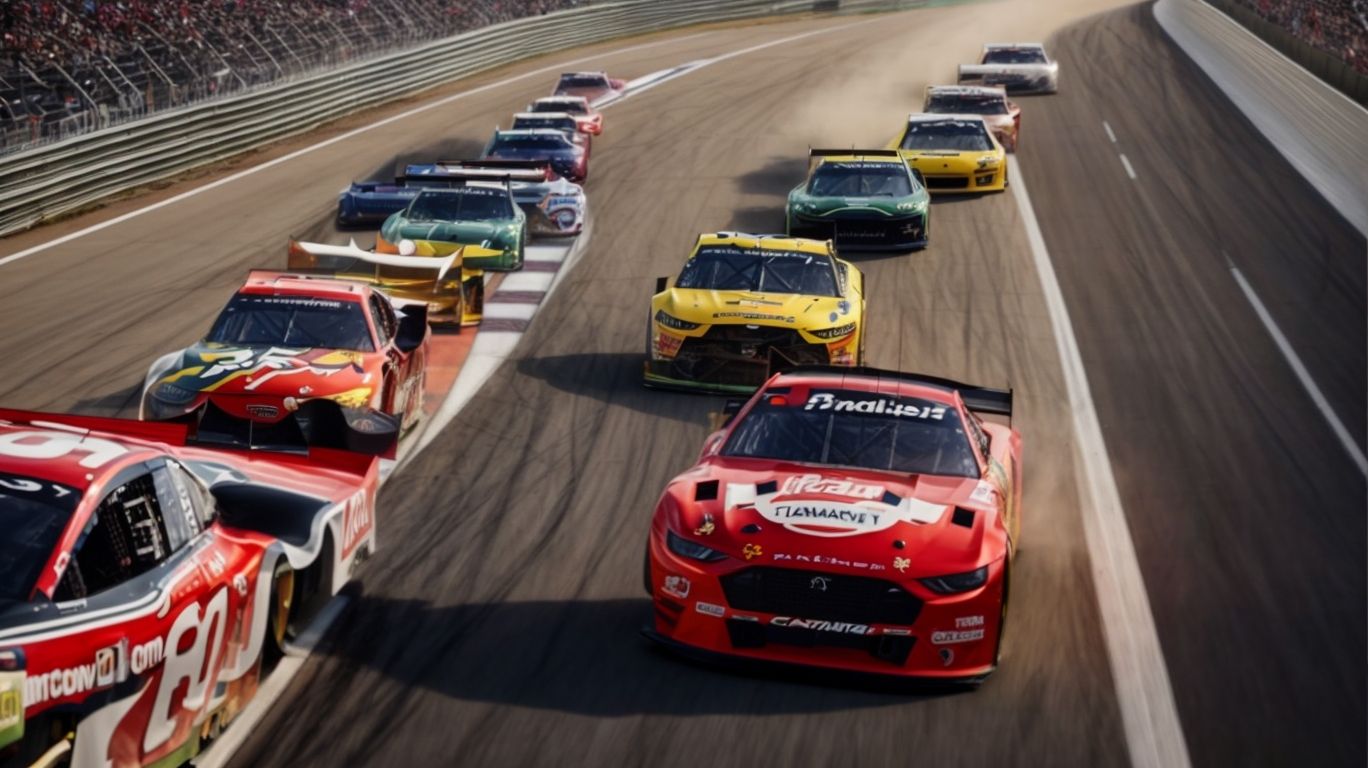
NASCAR, which stands for the National Association for Stock Car Auto Racing, is a popular motorsport series that features high-speed races with specially designed stock cars competing on various tracks.
Founded in 1948 in Daytona Beach, Florida, NASCAR has a rich history deeply rooted in American racing culture. What began as racing on the sandy beaches evolved into an organized sport with a massive following. The significance of NASCAR lies in its ability to captivate audiences with adrenaline-pumping races and fierce competition.
The stock cars used in NASCAR races are specially modified for racing but bear resemblance to their production counterparts. These vehicles, designed for high-speed oval track racing, are powerful machines that push the limits of performance and handling.
With a dedicated fan base known for its loyalty and passion, NASCAR boasts a diverse viewership that spans across demographics and geographies, making it one of the most-watched motorsport series globally.
What Is F1?
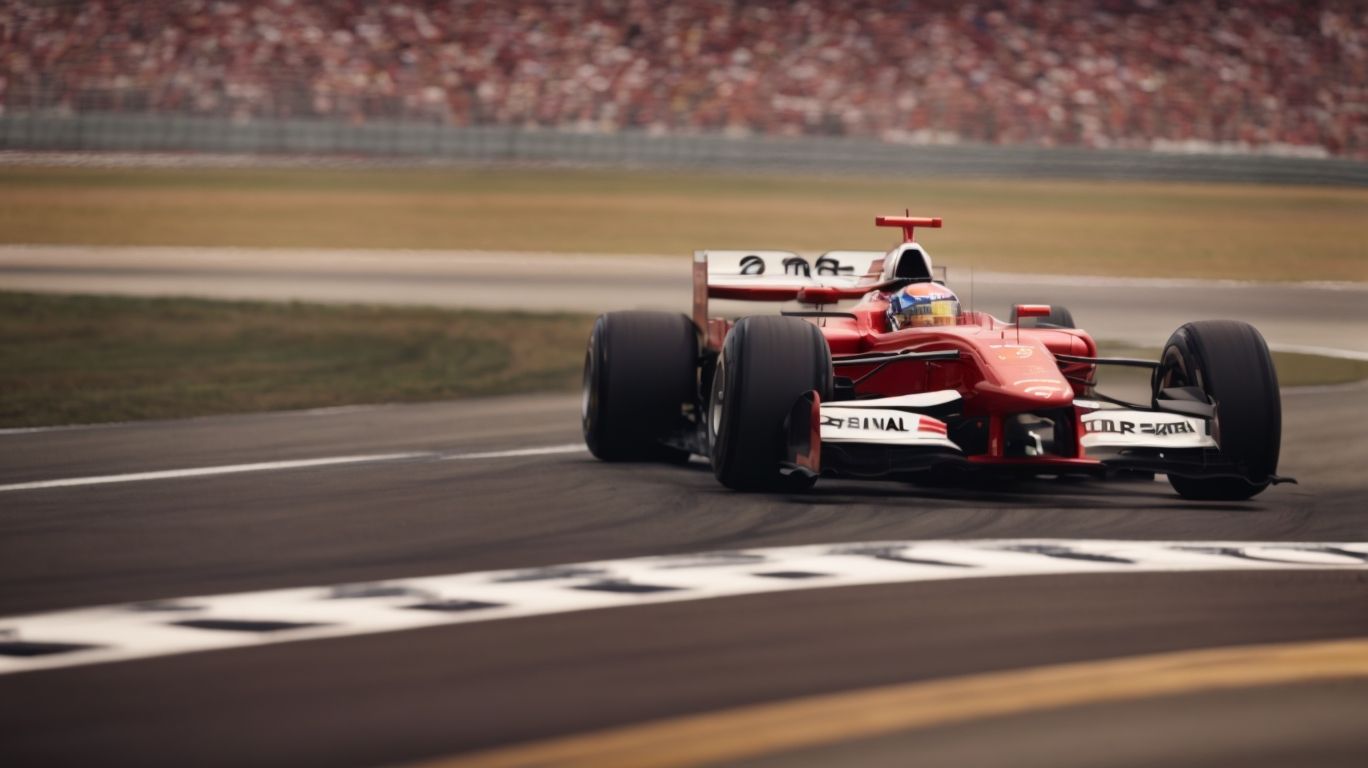
F1, short for Formula 1, is the pinnacle of motorsport, featuring highly competitive races with technologically advanced single-seater cars driven by some of the best racing talents in the world across a season of diverse tracks.
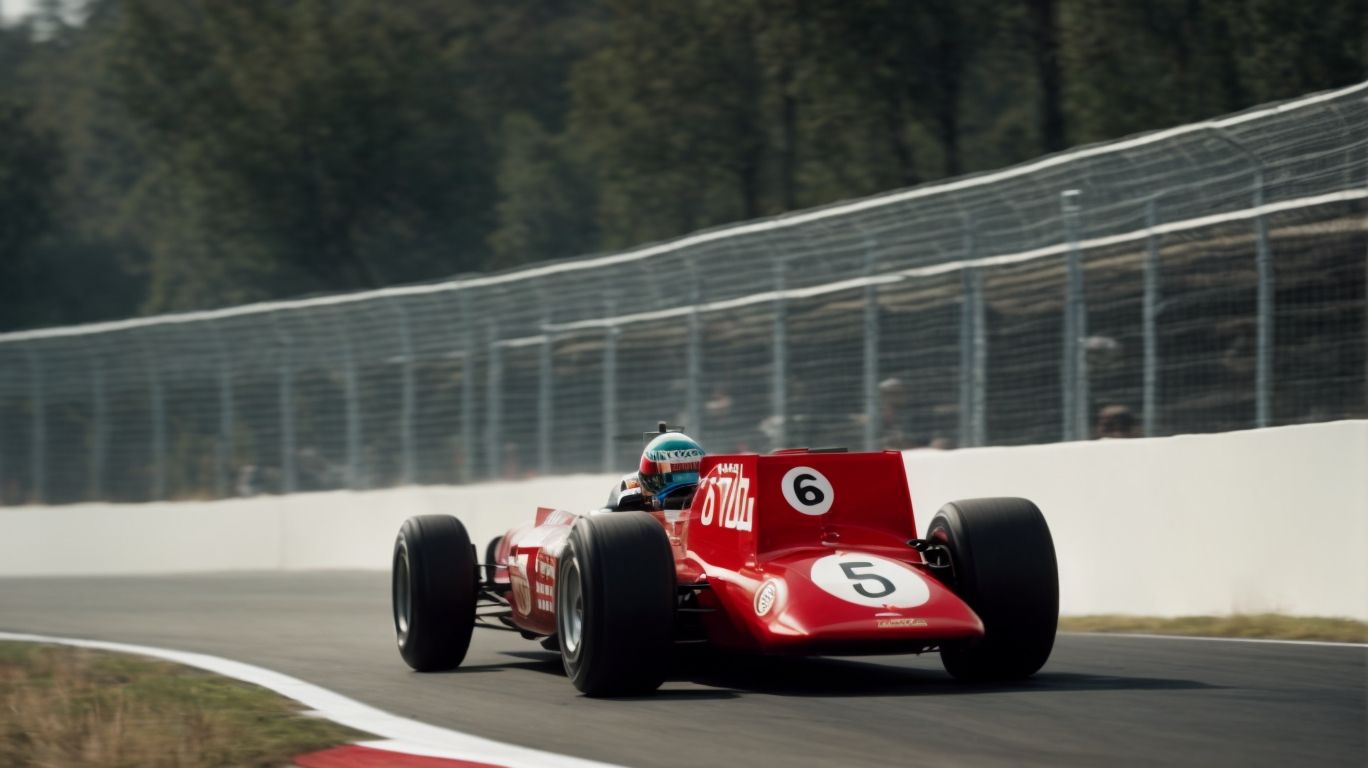
With a history dating back to the early 1950s, Formula 1 has evolved into a global phenomenon, captivating audiences with its speed, glamour, and innovation. The prestige associated with F1 attracts the most skilled engineers and designers to push the boundaries of performance and aerodynamics in crafting these cutting-edge racing machines.
The season structure of Formula 1 consists of a series of races held on circuits around the world, each presenting unique challenges to the drivers and teams. From iconic venues like Monaco to modern circuits in Asia and the Americas, the championship showcases a blend of tradition and innovation.
What Are The Differences Between Nascar And F1?
NASCAR and F1 are two premier racing series that differ in various aspects such as the type of racing, tracks they compete on, cars used, rules and regulations, popularity among fans, prize money distribution, and sponsorship and advertising opportunities.
In terms of racing styles, NASCAR is famed for its oval track races, characterized by close bumper-to-bumper action and intense battles for position. On the other hand, F1 races are held on a mix of road courses, street circuits, and select purpose-built tracks, demanding precision, technical skill, and aerodynamic efficiency.
In terms of vehicle specifications, NASCAR cars are heavy, powerful, and built for high-speed racing in packs, emphasizing drafting and teamwork. In contrast, F1 cars are lighter, more agile, with advanced aerodynamics, and designed for intricate cornering at high speeds.
When exploring popularity, NASCAR has a solid foundation of loyal American fans, known for their enthusiasm and dedication to the sport, creating a vibrant and energetic atmosphere at races. F1, on the other hand, enjoys a global following, appealing to a more diverse international audience with races held across different continents.
Type Of Racing
The type of racing in NASCAR is known for its close door-to-door battles on oval tracks while Formula 1 races are characterized by high-speed precision driving on a variety of circuits that include street, road, and purpose-built tracks.
These differences in track types significantly influence the racing strategies adopted by drivers in NASCAR and Formula 1.
- Oval tracks in NASCAR demand a different skill set focusing on maintaining high speeds through constant left turns and managing close-quarter racing where drafting plays a crucial role.
- In contrast, the varied track types in Formula 1 require drivers to adapt to different cornering speeds, elevation changes, and varying grip levels.
Tracks
NASCAR primarily competes on oval tracks that require constant turning in one direction, while F1 races take place on a mix of road courses, street circuits, and purpose-built tracks that challenge drivers with varying corner types and elevations.
One of the key aspects that distinguish NASCAR races on oval tracks from F1 races on diverse circuits is the unique driving experience each offers. Oval tracks in NASCAR force drivers to maintain high speeds and execute precise turns, creating an intense environment of constant left turns. In contrast, F1 circuits introduce a blend of technical challenges, incorporating hairpin bends, fast chicanes, and elevation changes that demand agile driving strategies.
The track layouts significantly impact the performance of the vehicles in each racing series. NASCAR cars are tuned for high-speed stability and drafting on oval tracks, while F1 cars are designed for quick acceleration, braking, and cornering on the more varied circuits. These differences in track design influence the viewer experiences as well, with NASCAR’s continuous action on ovals providing a thrilling spectacle of close racing, and F1’s diverse tracks offering complex strategic battles between competitors.
Cars
NASCAR cars are heavy, stock car vehicles designed for close racing and bump drafting, while F1 cars are lightweight, open-wheel single-seaters with advanced aerodynamics and hybrid power units that emphasize speed and cornering performance
In terms of weight, NASCAR cars can weigh around 3,400 pounds, while F1 cars are much lighter, typically around 1,600 pounds. This weight variance greatly impacts handling and maneuverability, with NASCAR cars relying on their weight for stability in drafting situations. Contrastingly, F1 cars prioritize agility and responsiveness due to their lighter build.
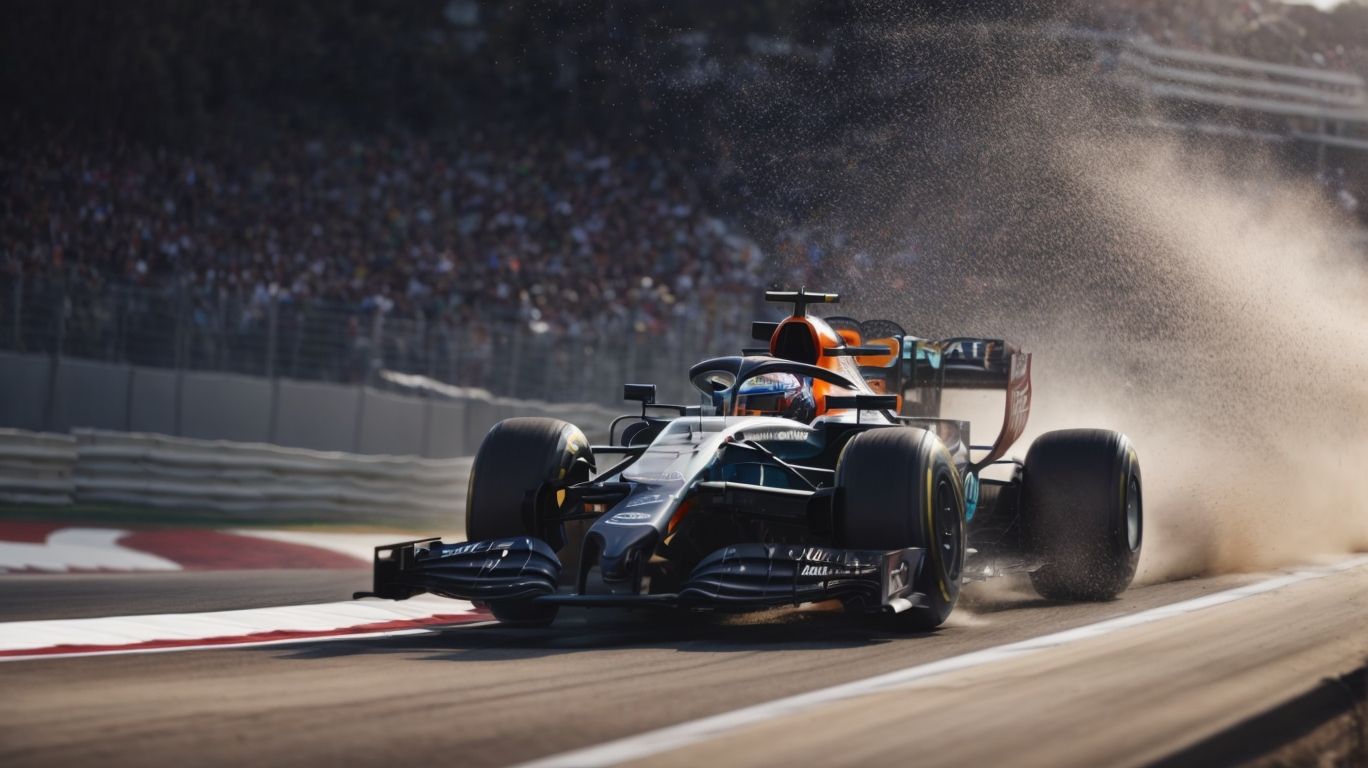
In terms of aerodynamics, F1 cars feature intricate designs with various aerodynamic elements such as front and rear wings, diffusers, and bargeboards to optimize downforce and airflow efficiency. On the other hand, NASCAR vehicles emphasize minimal downforce to enhance side-by-side racing and drafting.
Rules And Regulations
NASCAR has stringent rules governing vehicle specifications, race formats, and conduct on the track, while Formula 1 implements complex technical regulations, grid penalties, and aerodynamic restrictions to maintain a competitive field.
In NASCAR, vehicles must adhere to strict guidelines regarding engine size, weight, safety features, and aerodynamics, ensuring fair competition and driver safety. NASCAR races are conducted in various formats, including oval tracks and road courses, with rules dictating pit stops, caution periods, and restart procedures.
- In comparison, Formula 1 has intricate technical regulations that dictate engine capacity, weight distribution, and materials used in construction to balance performance across teams. Teams face grid penalties for engine changes or infringement of regulations, and aerodynamic restrictions limit the amount of downforce cars can generate for safety and competitive balance.
Popularity And Fan Base
NASCAR has amassed a loyal fan base in the United States with a focus on entertainment and accessibility, while Formula 1 enjoys a global following attracted by its prestige, technology, and the skill of its diverse grid of drivers.
Geographically, NASCAR appeals primarily to fans in the U.S., where the sport has deep-rooted traditions and a close connection to American culture, with events taking place on iconic tracks like Daytona and Talladega.
In contrast, Formula 1’s global presence garners fans from all corners of the world, drawn to the glamorous races in cities like Monaco, Singapore, and Abu Dhabi, showcasing a blend of speed, luxury, and international flair.
Fan engagement is key for both sports, with NASCAR’s focus on interactive experiences at the track, such as driver meet-and-greets and behind-the-scenes access, while Formula 1 leverages digital platforms and social media to enhance its worldwide reach and attract a tech-savvy audience.
Prize Money
NASCAR distributes prize money among teams and drivers based on race performance, sponsorship agreements, and season standings, while Formula 1 allocates significant prize funds tied to championship rankings, constructors’ standings, and commercial agreements.
For NASCAR, the prize money system operates on a race-to-race basis, with portions of the overall purse distributed according to factors like race finish, laps led, and bonus incentives. In contrast, Formula 1 offers a more structured reward system that heavily favors championship success and constructors’ standings. Sponsorships play a crucial role in both racing series, influencing the overall financial distribution as sponsors often bring in substantial funding that complements the prize money. Teams in both NASCAR and Formula 1 receive a share of broadcasting rights revenue, providing another financial boost to their operations.
Sponsorship And Advertising
NASCAR teams often rely on corporate sponsorships for funding, displaying logos and branding prominently on cars and driver suits, whereas Formula 1 attracts global brands and advertisers due to its extensive viewership and international reach.
While NASCAR’s focus is often on regional sponsorships from industries like automotive, food, and beverage, Formula 1 leverages its worldwide appeal to secure partnerships with luxury brands, technology giants, and financial institutions. The sponsorship landscape in NASCAR is characterized by long-standing relationships with companies deeply entrenched in American culture, whereas F1 represents a more cosmopolitan mix of sponsors reflecting its diverse fan base.
Branding visibility is key in both racing series, with NASCAR often emphasizing on-track exposure through logo placement on cars, while F1 prioritizes global marketing campaigns and hospitality events to engage with a broader international audience.
Which One Is Faster: Nascar Or F1?
The debate over which series, NASCAR or F1, is faster encompasses discussions on top speeds, acceleration capabilities, average speeds over a race, lap times set during qualifying, and the significance of securing pole position for the start of a race.
In terms of top speeds, F1 cars tend to have a higher maximum velocity than NASCAR vehicles, reaching over 200mph on certain tracks. NASCAR cars are known for their impressive acceleration rates, which allow them to quickly gain momentum on oval tracks.
In terms of average lap times, F1 cars typically set faster times due to their advanced aerodynamics, lighter weight, and superior cornering abilities. The importance of pole position cannot be understated in both series, as starting at the front gives drivers a strategic advantage in controlling the pace of the race and minimizing potential risks from traffic congestion.
Top Speed
Top speed achievements in NASCAR and F1 showcase the power of their respective engines, aerodynamics, and mechanical setups, with each series pushing the boundaries of velocity in their racing disciplines.
Engines play a pivotal role in propelling these racing machines to incredible speeds. In NASCAR, the cars are equipped with powerful V8 engines that can generate over 850 horsepower, allowing them to reach speeds exceeding 200 mph on oval tracks.
On the other hand, Formula 1 cars are powered by high-revving V6 turbocharged engines combined with advanced hybrid systems. These power units produce over 1000 horsepower, enabling F1 cars to touch speeds close to 230 mph on circuits like Monza.
Average Speed
The average speeds maintained by NASCAR and F1 cars throughout a race reflect the balance between acceleration, weight management, and aerodynamic efficiency, influencing overall performance and race strategies.
When comparing the two motorsports, F1 cars are known for their sleek design and advanced aerodynamics, allowing them to reach incredible speeds on straightaways due to lower drag and downforce optimization. On the other hand, NASCAR vehicles prioritize weight distribution and robust engines for high-speed oval tracks, focusing on handling and stability during close-contact racing.
The significance of weight is evident in NASCAR cars, which tend to be heavier than F1 vehicles due to different chassis constructions and safety regulations. This weight variance affects their acceleration rates and overall maneuverability on various track configurations.
Lap Times
Lap times set by NASCAR and F1 drivers provide insights into the cars’ handling, acceleration capabilities, and speed potential around a circuit, showcasing the technical prowess and driver skills required in each series.
When comparing NASCAR to Formula 1, different factors come into play that affect lap times. NASCAR cars typically excel in acceleration due to their powerful V8 engines, making them quick off the line but slightly lagging in top speed compared to the sleek, aerodynamically sophisticated F1 machines. Track conditions play a crucial role; while NASCAR races primarily on oval tracks with consistent banking, F1 circuits feature a mix of tight turns, high-speed straights, and varying elevations that demand diverse driving techniques. These nuances in track design challenge drivers to adapt their approaches to extract maximum performance from the cars.
Qualifying Times
Qualifying sessions in NASCAR and F1 determine the starting grid positions for races based on drivers’ fastest lap times, showcasing their speed capabilities over a short sprint distance and setting the pace for the upcoming events.
Qualifying times play a crucial role in the competitive world of motorsports, shaping the race dynamics and adding an element of strategy to the mix. In NASCAR, where drivers compete on oval tracks, the ability to find the optimal racing line, maintain high speeds through corners, and effectively manage traffic can make a significant difference in securing a favorable starting position.
On the other hand, in F1, with its diverse mix of tracks including street circuits, purpose-built courses, and high-speed layouts, drivers must adapt their driving styles and car setups to suit the specific track conditions, weather variables, and technical challenges posed by each circuit.
Conclusion
The comparison between NASCAR and F1 showcases the diversity in racing styles, track challenges, vehicle technologies, and fan engagement, highlighting the unique appeal and performance aspects of each series for motorsport enthusiasts.
When we delve deeper into the specifics, one of the key differences between NASCAR and F1 lies in their car designs, with NASCAR vehicles being known for their heavier frame and powerful engines suited for oval tracks, while F1 cars are sleeker, more aerodynamic, and built for intricate road courses. Speed is another defining factor, with F1 cars typically boasting higher top speeds and quicker acceleration due to their lighter weight and advanced hybrids. This translates to F1 tracks featuring more complex turns and demanding braking points, creating a different racing experience compared to the oval-centric NASCAR circuits.
Frequently Asked Questions
Is Nascar faster than F1?
Although both Nascar and F1 are high-speed racing sports, they have different regulations and car designs that affect their speed.
What is the top speed of a Nascar car?
The average top speed of a Nascar car is around 200 mph (320 km/h), but it can reach up to 250 mph (400 km/h) on longer tracks.
What is the top speed of an F1 car?
F1 cars have a higher top speed compared to Nascar cars, with an average of 233 mph (375 km/h) and a maximum recorded speed of 240 mph (386 km/h).
Why are F1 cars faster than Nascar cars?
F1 cars are designed to be more aerodynamic and lightweight, allowing them to achieve higher speeds and better maneuverability on the track.
Which circuit has the fastest lap time, Nascar or F1?
The fastest lap time for Nascar is currently held by Bill Elliott at 212.809 mph at Talladega Superspeedway. For F1, it is held by Valtteri Bottas at 161.451 mph at Monza.
Are there any similarities between Nascar and F1 in terms of speed?
Both Nascar and F1 have incredible speed and are considered to be some of the fastest motorsports in the world, but they achieve their speeds in different ways due to their unique rules and regulations.