Are F1 Cars Hybrids?
Curious about the inner workings of F1 cars and how they differ from traditional vehicles? In this article, we will explore the fascinating world of hybrid F1 cars. From the components that make up these high-performance machines to the cutting-edge technology that drives them, we will delve into the details of how hybrid F1 cars work.
Discover the benefits of these vehicles, from improved fuel efficiency to enhanced performance, and ponder the future of hybrid F1 cars in the ever-evolving world of motorsport.
Key Takeaways:
What Are F1 Cars?
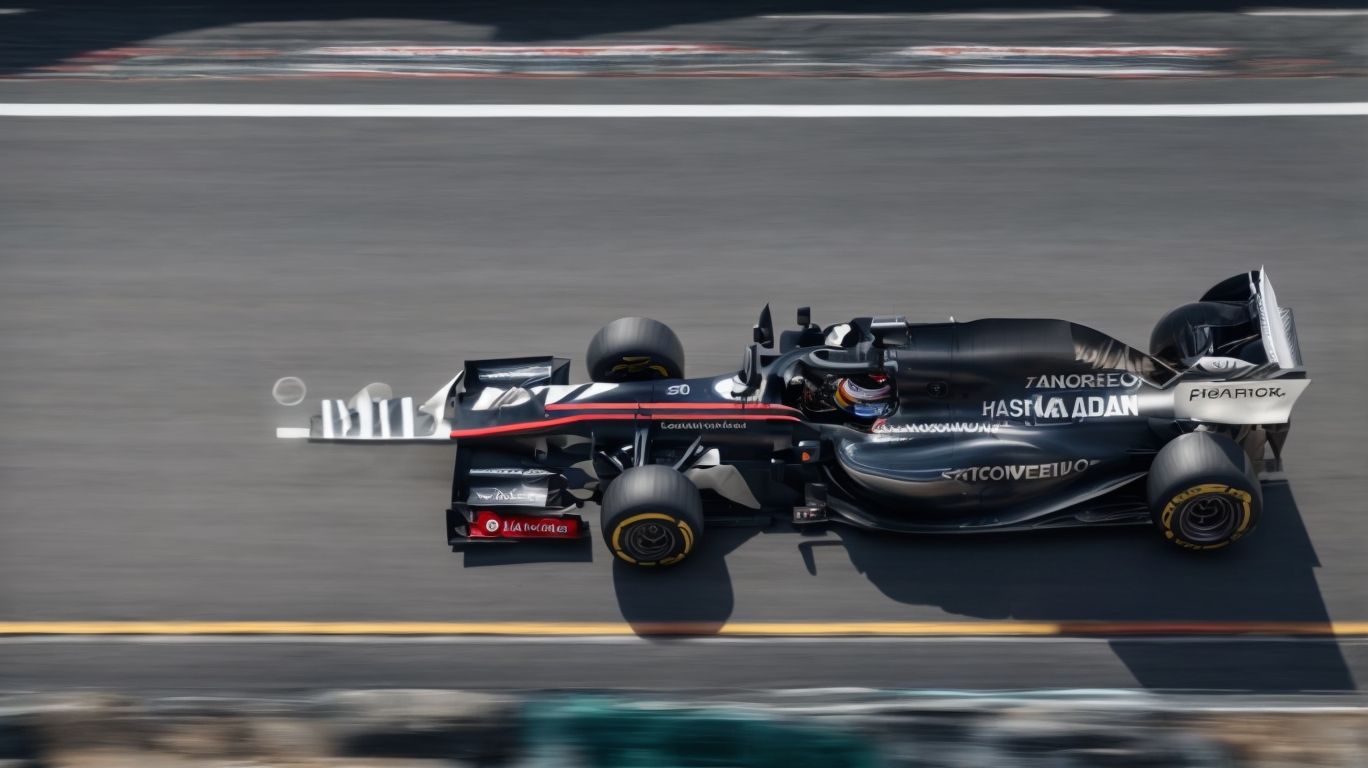
F1 cars, short for Formula 1 cars, are specialized racing vehicles designed specifically for Formula 1 competitions, known for their cutting-edge technology and high-performance capabilities in the world of motorsport.
These vehicles are a perfect fusion of engineering marvel and aerodynamic efficiency, enabling them to reach breathtaking speeds on the race track. F1 engines, crafted with precision and expertise, are the heart of these cars, producing immense power while maintaining reliability under extreme conditions.
The sleek design and lightweight construction of F1 cars contribute to their agility and responsiveness, allowing drivers to navigate challenging circuits with unparalleled finesse. The constant pursuit of innovation and performance enhancement in Formula 1 drives the evolution of these extraordinary machines year after year.
What Is a Hybrid Car?
A hybrid car is a vehicle that utilizes a combination of an internal combustion engine and electric motor, integrating advanced technology like energy recovery systems to optimize fuel efficiency and reduce emissions.
These vehicles operate by efficiently alternating between the combustion engine and electric motor based on driving conditions to minimize fuel consumption. One of the key components in hybrid technology is the regenerative braking system, which captures kinetic energy during braking, converting it into electricity stored in the battery for later use. This seamless transition between power sources allows hybrids to maximize energy utilization, making them environmentally friendly transportation solutions that are gaining popularity due to their eco-friendly credentials and lower running costs.
What Are the Components of a Hybrid F1 Car?
The components of a hybrid F1 car include a sophisticated power unit, high-performance battery, Kinetic Energy Recovery System (KERS) for energy regeneration, and a turbocharged engine, all working together to maximize efficiency and performance.
Beginning with the power unit, often a complex hybrid of internal combustion engine and energy recovery system, it serves as the heart of the car, providing the necessary horsepower for acceleration.
The battery plays a crucial role in storing and delivering electrical energy, offering quick bursts of power when needed, especially during acceleration and seamlessly integrating with the power unit.
The Kinetic Energy Recovery System, known as KERS, boosts performance by capturing and reusing energy that is typically wasted during braking, contributing to faster lap times and overall efficiency.
The turbocharged engine, traditionally a key element in F1 cars, enhances power output by utilizing exhaust gases to generate additional power, making the car faster and more responsive on the track.
Internal Combustion Engine
The internal combustion engine in a hybrid F1 car is a high-performance marvel, generating immense horsepower and torque to propel the vehicle with incredible speed and efficiency.
With advancements in technology and engineering, these engines are capable of producing over 1000 horsepower, providing the necessary thrust for F1 cars to achieve mind-boggling speeds of up to 230 mph. This power is not only about speed but also plays a crucial role in ensuring quick acceleration and responsiveness on the track. The torque output of these engines is equally impressive, delivering the force needed to accelerate out of corners and navigate the demanding race circuits.
In terms of efficiency, the combustion engine in hybrid F1 cars has improved significantly over the years. By utilizing innovative fuel management systems and lightweight materials, engineers have been able to enhance the engine’s efficiency in converting fuel energy into mechanical power. This means that despite the incredible power output, these engines can still achieve notable fuel efficiency, allowing teams to optimize their race strategies and performance on the track.
Electric Motor
The electric motor in a hybrid F1 car harnesses electricity to provide instant power delivery and torque, with the MGU-K system playing a crucial role in energy recovery and deployment.
Electric motors in hybrid F1 cars, also known as the Electric Drive Unit (EDU), are pivotal components that work in tandem with the internal combustion engine for performance enhancement. The MGU-K, or Motor Generator Unit-Kinetic, is responsible for converting kinetic energy generated during braking into electricity, which is then stored in the battery. This stored electricity can be utilized to give an instant boost of power, aiding acceleration and overtaking maneuvers.
Battery
The battery in a hybrid F1 car acts as a crucial energy storage unit, utilizing advanced technology to store and release electrical energy efficiently, supporting the electric motor’s power delivery.
Modern hybrid F1 car batteries are typically lithium-ion based, chosen for their high energy density and power output capabilities. These batteries are strategically placed within the car for optimal weight distribution, usually behind the driver’s seat.
One key function of the battery is regenerative braking, where it captures and stores energy that would otherwise be lost during braking. This energy is then used to provide additional power during acceleration, enhancing the car’s overall performance and efficiency.
Kinetic Energy Recovery System (KERS)
The Kinetic Energy Recovery System (KERS) in a hybrid F1 car captures and stores energy during braking, converting it into usable power for acceleration, contributing to enhanced performance and efficiency with the integration of sustainable fuel sources.
KERS operates through a series of components, including an electric motor/generator, a battery pack, and power electronics. When the driver brakes, the excess kinetic energy is converted into electrical energy by the motor/generator and stored in the battery for later use. During acceleration, this stored energy is then released, providing an extra boost of power to the internal combustion engine, improving overall performance.
The integration of sustainable fuel, such as biofuels or synthetic fuels, further complements the energy efficiency of the system, reducing the ecological footprint of F1 racing. By combining KERS technology with sustainable fuel sources, teams are not only enhancing their performance but also demonstrating a commitment to environmentally conscious practices in motorsport.
How Do Hybrid F1 Cars Work?
Hybrid F1 cars operate through a sophisticated Energy Recovery System (ERS) that optimizes energy usage by seamlessly integrating the power from the internal combustion engine and electric motor, showcasing the pinnacle of automotive technology in motorsport.
This system plays a pivotal role in harnessing energy that would otherwise be wasted, converting it into usable power during braking and acceleration phases. The ERS in these cutting-edge vehicles comprises two primary components, the MGU-K, which recovers kinetic energy, and the MGU-H, responsible for harnessing heat energy. Together, these components provide an extra boost of power that enhances acceleration and overall speed on the track.
Energy Recovery
Energy recovery in hybrid F1 cars involves mechanisms like turbocharging and regenerative braking to capture wasted energy, converting it into electricity that can be stored and deployed for additional power and acceleration.
When a hybrid F1 car races, the turbocharger plays a crucial role in extracting energy from the exhaust gases by driving a compressor to force more air into the engine, maximizing power output. Simultaneously, regenerative braking captures kinetic energy that would otherwise be lost as heat during deceleration, converting it into electricity.
This electricity is then stored in advanced battery systems on the car, acting as a reservoir of power that can be used to provide an additional boost during crucial moments in the race, enhancing the overall performance of the vehicle.
Energy Deployment
Energy deployment strategies in hybrid F1 cars involve intelligent technology that optimizes the use of stored energy to enhance acceleration, speed, and overall performance, showcasing the precision and innovation in modern racing technology.
In these high-performance vehicles, the energy harvested during braking is stored in advanced lithium-ion batteries for later use, such as during overtaking or acceleration bursts. The complex algorithms embedded in the car’s systems continuously monitor various parameters like throttle input, speed, and track conditions to deliver the optimal release of stored energy at the right moment.
This cutting-edge technology not only boosts the car’s on-track performance but also contributes to the overall efficiency and sustainability of Formula 1 racing, aligning with the sport’s efforts to embrace greener practices.
What Are the Benefits of Hybrid F1 Cars?
Hybrid F1 cars offer a range of benefits, including improved fuel efficiency, reduced emissions, and enhanced overall performance, showcasing the positive impact of hybrid technology in motorsport.
By integrating both conventional combustion engines with electric powertrains, these hybrid cars can optimize fuel consumption, especially during braking and acceleration phases. The electric motor aids in boosting acceleration, providing extra power when needed, which not only enhances performance but also contributes to fuel efficiency by reducing the load on the internal combustion engine during acceleration.
Improved Fuel Efficiency
The improved fuel efficiency of hybrid F1 cars stems from the utilization of sustainable fuel sources and advanced technology that optimizes fuel combustion, ensuring better mileage and reduced environmental impact.
Hybrid F1 cars have been designed to push the boundaries of fuel efficiency by integrating cutting-edge technologies such as regenerative braking and kinetic energy recovery systems.
The use of sustainable fuels like biofuels and synthetic fuels not only reduces carbon emissions but also contributes to a cleaner racing environment.
This combination of innovative technologies and eco-friendly fuel options plays a crucial role in enhancing the overall performance and sustainability of modern F1 vehicles.
Reduced Emissions
The reduced emissions from hybrid F1 cars are a result of the hybrid system’s integration, which optimizes the combustion process and minimizes harmful exhaust emissions, showcasing a greener approach to high-performance racing.
By incorporating energy-recovery systems and electric motors, hybrid F1 cars can harness energy that would typically be lost during braking, converting it into usable power, thereby reducing the reliance on the traditional combustion engine alone. This integration not only enhances performance but also significantly contributes to lower emissions, making the vehicles more eco-conscious. The advanced technologies in hybrid systems allow for precise control over fuel consumption and power distribution, further fine-tuning the efficiency of the car and ultimately reducing its environmental impact.
Enhanced Performance
The enhanced performance of hybrid F1 cars can be attributed to the combined power of the hybrid system, turbochargers for increased thrust, and high horsepower outputs, delivering exceptional speed and agility on the track.
When these elements work in harmony in an F1 car, the hybrid system optimizes energy usage by efficiently combining electric power with traditional fuel, enhancing acceleration out of corners.
The integration of turbo chargers adds an extra layer of sophistication, boosting power delivery at crucial moments during a race, providing drivers with increased acceleration and responsiveness.
The high horsepower levels achieved in these vehicles not only contribute to top speeds on straights but also enable rapid braking zones and quick maneuvers through tight corners, showcasing the dynamic capabilities of modern F1 cars.
Are F1 Cars Considered Full Hybrids?
The classification of F1 cars as full hybrids is a subject of comparison and debate due to the specific design requirements and regulations governing the usage of hybrid technologies, especially in relation to the F1 engine.
Full hybrid F1 cars have gained significant attention for their innovative technology that combines traditional internal combustion engines with electric powertrains, presenting a unique blend of performance and efficiency on the racetrack. These intricate vehicles are engineered to meet stringent guidelines imposed by racing authorities, ensuring a balance between power output, fuel efficiency, and environmental sustainability. The design specifications of full hybrid F1 cars are meticulously crafted to maximize performance while adhering to strict regulations, setting them apart from conventional racing vehicles. The ongoing discussions surrounding their hybrid status continue to shape the future of motorsports and automotive technology.
Definition of Full Hybrid
The definition of a Full Hybrid vehicle encompasses advanced technology that enables seamless transition between the internal combustion engine and electric motor, promoting sustainability and efficient energy utilization.
Full Hybrid vehicles achieve this by utilizing a combination of gasoline-powered engines and electric propulsion systems, allowing for enhanced fuel efficiency and reduced emissions.
The technology behind Full Hybrid cars incorporates regenerative braking systems, which capture and store energy that would otherwise be wasted during deceleration, further enhancing their energy efficiency.
These vehicles also feature sophisticated power management systems that intelligently distribute power from the combustion engine and electric motor depending on driving conditions, contributing to a smooth and seamless driving experience.
Comparison to F1 Cars
Comparing Full Hybrid vehicles to F1 cars reveals distinct differences in technology integration, power unit design, and performance optimization, showcasing the unique challenges and innovations in each domain.
Full Hybrid vehicles are engineered for fuel efficiency and eco-friendly operation, utilizing a combination of internal combustion engines and electric motors. In contrast, F1 cars prioritize raw performance and speed, pushing the boundaries of aerodynamics and engine power.
The power units in Full Hybrid vehicles are optimized for seamless transitions between the electric and combustion modes, aiming for a balance between power and efficiency. On the other hand, F1 cars feature highly specialized power units designed to deliver maximum output within the strict regulations of the sport.
What Is the Future of Hybrid F1 Cars?
The future of hybrid F1 cars is poised for groundbreaking advancements in technology, performance, and sustainability, with teams like Mercedes pushing the boundaries of innovation to redefine the standards of hybrid racing.
Mercedes, as a frontrunner in the world of F1, is not only leveraging cutting-edge technology but also spearheading sustainability initiatives to reduce the environmental impact of racing.
These advancements are set to revolutionize the future of motorsports, with Mercedes leading the charge towards a more eco-friendly and efficient racing landscape. The integration of electric power sources, advanced materials, and aerodynamic enhancements is propelling hybrid F1 cars into a new era of performance and efficiency.
Frequently Asked Questions
Are F1 Cars Hybrids?
No, current Formula 1 cars are not hybrids. They are powered by a V6 turbocharged engine combined with an energy recovery system, but do not qualify as full hybrids.
What is the definition of a hybrid car?
A hybrid car is a vehicle that combines two or more power sources, typically an internal combustion engine and an electric motor, to provide propulsion.
Why are F1 cars not considered hybrids?
F1 cars do use energy recovery systems, but they do not have the capability to run on electric power alone. Therefore, they do not meet the definition of a hybrid car.
Is the energy recovery system in F1 cars similar to that of a hybrid car?
Yes, the energy recovery system in F1 cars recovers and stores energy generated from braking and releases it for a power boost. This is similar to how hybrid cars use regenerative braking to charge their batteries.
Will F1 cars ever become fully hybrid in the future?
It is possible that F1 cars may become fully hybrid in the future as technology advances and regulations change. However, for now, they are still considered non-hybrid vehicles.
How do F1 cars compare to hybrid cars in terms of efficiency and emissions?
F1 cars are designed for high performance and speed, while hybrid cars are focused on efficiency and reducing emissions. Therefore, the two types of vehicles have different priorities and cannot be directly compared in terms of efficiency and emissions.