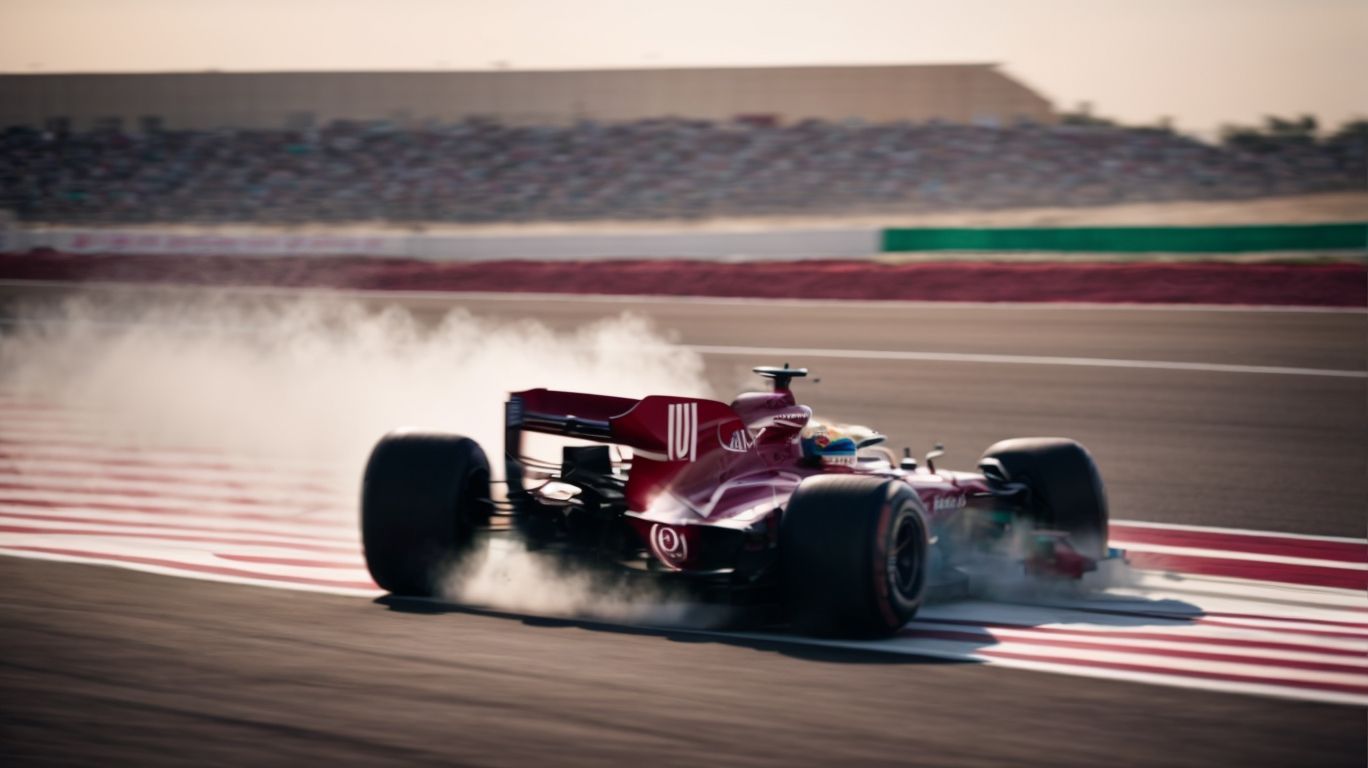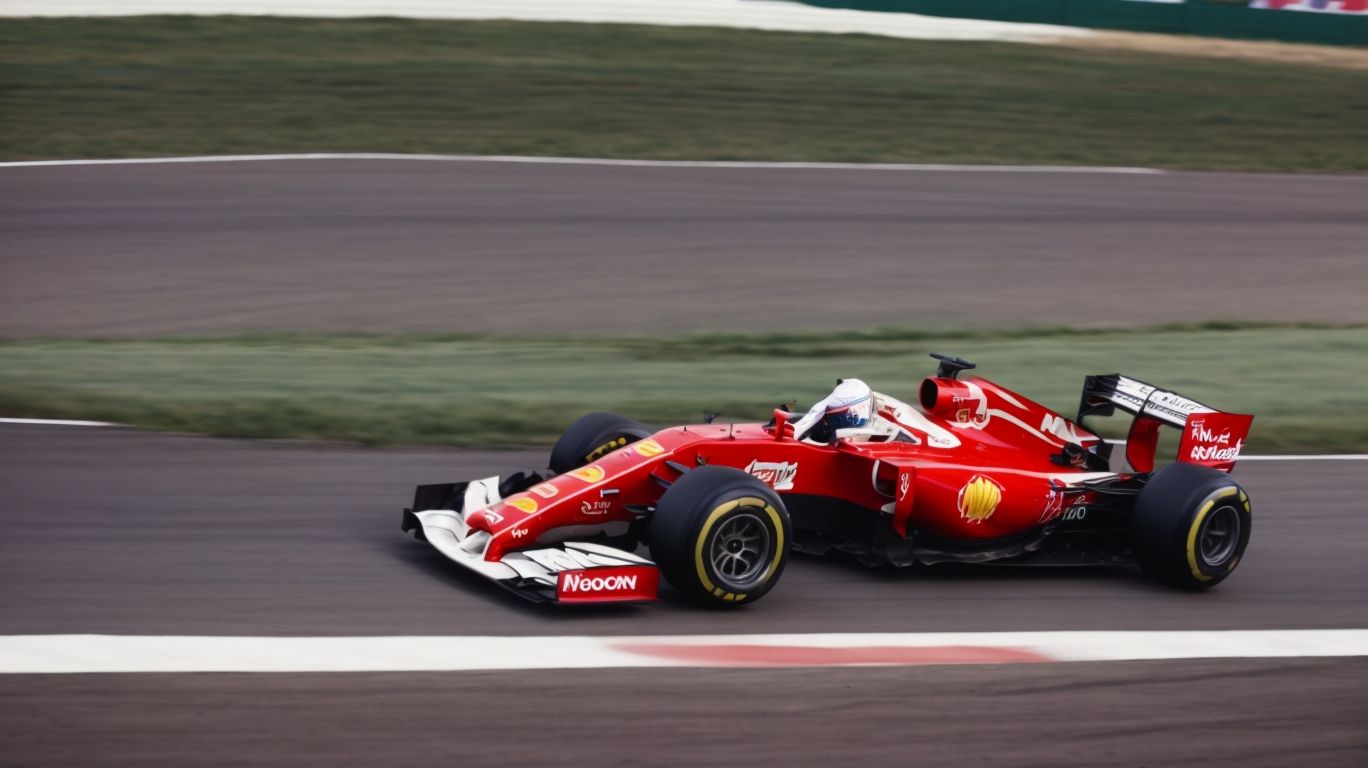
Do F1 Cars Have Insurance?
Have you ever wondered if Formula 1 cars have insurance?
In the high-stakes world of F1 racing, there are significant costs involved in running a team and insuring the cars, drivers, and other assets.
From liability insurance to accident insurance, F1 teams must be prepared for any eventuality on the track. We will explore the risks involved in F1 racing, the insurance policies available, and how teams ensure the safety of their drivers and cars.
Buckle up and let’s dive into the world of F1 insurance!
Key Takeaways:
What Is F1 Racing?
F1 Racing, short for Formula 1 Racing, is the pinnacle of motorsport competition that features the world’s most skilled drivers racing high-performance cars on iconic tracks across the globe.
Originating in Europe in the early 20th century, Formula 1 Racing has evolved into a global phenomenon with a massive following. The competitive nature of F1 Racing pushes drivers to the limit, requiring precision, skill, and split-second decision-making. These drivers become household names, with fan bases spanning continents.
Each race offers a unique challenge due to the diverse range of tracks worldwide, from the fast straights of Monza to the tight corners of Monaco. The engineering behind F1 cars is a marvel, with cutting-edge technology and aerodynamic designs constantly pushing the boundaries of speed and performance.
What Are The Costs Of F1 Racing?
The costs associated with Formula 1 Racing encompass a wide range of financial investments due to the high-risk nature of the sport, involving expenses for teams, drivers, and car development.
Team operations in Formula 1 entail substantial costs, including building and maintaining state-of-the-art facilities, hiring top engineers, and investing in cutting-edge technology to gain a competitive edge. Driver contracts represent a significant portion of a team’s budget, with top-tier drivers commanding multi-million-dollar salaries and performance-based bonuses. The constant pursuit of technological advancements in cars involves significant research and development expenditures to enhance speed, aerodynamics, and overall performance.
Team Costs
Team costs in Formula 1 Racing consist of expenses related to staff salaries, research and development, travel, and competition entry fees, making it essential for teams to manage their finances efficiently to stay competitive.
Staff expenditures in Formula 1 teams are significant, encompassing salaries for engineers, designers, mechanics, drivers, and support staff. Research and development costs, including cutting-edge technology and aerodynamic testing, are crucial for staying at the forefront of the sport. Logistical expenses involve transporting team equipment around the globe for races, including freight charges, travel, and accommodations. Teams must also allocate funds for competition entry fees, which can vary based on performance and standings. To navigate the competitive landscape, teams employ financial strategies such as sponsorships, partnerships, and strategic investments to fund their operations effectively.
Driver Costs
Driver costs in Formula 1 Racing include contract fees, salaries, bonuses, sponsor obligations, and personal training expenses, reflecting the significant financial investment required to secure top talent in the sport.
Contract negotiations in Formula 1 are intricate processes, involving meticulous consideration of performance incentives, duration, and image rights. These negotiations often result in multimillion-dollar deals that can span several years. Plus fixed salaries, drivers may earn substantial bonuses based on race wins, podium finishes, and championship standings, adding layers of complexity to their compensation structures. Sponsorship deals play a crucial role in offsetting costs, with top drivers securing lucrative partnerships with global brands to enhance their financial security and visibility.
Car Costs
Car costs in Formula 1 Racing encompass research, design, manufacturing, and continuous technological upgrades to create cutting-edge racecars that deliver optimal performance on the track.
The development process of Formula 1 racecars is a meticulously detailed journey that involves a synergy of engineering brilliance and innovative design principles. Engineers and designers tirelessly work to integrate the latest technological advancements into every aspect of the car, from the chassis to the engine, ensuring maximum efficiency and performance.
One of the key focuses is on aerodynamic innovations that enhance the car’s speed and maneuverability on the race track. Through wind tunnel testing and computational fluid dynamics, teams refine the car’s shape to reduce drag and increase downforce, optimizing its performance in varied racing conditions.
Do F1 Cars Have Insurance?
Insurance coverage for F1 cars is essential to protect teams and drivers from the financial repercussions of accidents and damages that occur during races and testing sessions.
Without adequate insurance, a single crash on the track could lead to devastating financial losses for a team or driver, jeopardizing their entire season or career. Insurance policies in Formula 1 Racing typically cover a range of scenarios, including damage to the car, liability for injuries to drivers or spectators, and even potential cancellation of races due to unforeseen circumstances.
Having comprehensive insurance coverage not only safeguards the financial stability of teams and drivers but also plays a crucial role in enabling them to focus on their performance without the constant worry of unforeseen financial liabilities.
What Are The Risks Involved In F1 Racing?
Participating in Formula 1 Racing entails inherent risks, including the potential for accidents, injuries, fatalities, and the constant pursuit of enhancing safety measures to protect drivers and ensure the integrity of the sport.
Throughout the history of Formula 1 Racing, there have been tragic accidents that have highlighted the dangers involved in this high-speed sport. These incidents have spurred significant advancements in safety technology, such as the introduction of HALO cockpit protection and stricter safety protocols.
The sport has experienced heartbreaking losses due to fatalities on the track, leading to intense scrutiny and calls for improved safety standards. Despite these challenges, Formula 1 has remained committed to prioritizing driver safety above all else, with the FIA continuously refining safety regulations and investing in innovative solutions.
What Are The Insurance Policies For F1 Racing?
Insurance policies for Formula 1 Racing encompass various aspects such as liability coverage, accident insurance, and property protection, designed to safeguard teams, drivers, and assets from unforeseen financial losses.
Liability coverage in Formula 1 insurance policies protects against claims for bodily injury and property damage caused by accidents during races or team activities. Accident insurance offers coverage for medical expenses, rehabilitation, and lost wages in case of a driver’s injury. Property protection ensures that valuable assets such as cars, equipment, and facilities are covered against damage, theft, or loss, thus providing comprehensive risk management for all involved in the high-stakes world of Formula 1 Racing.
Liability Insurance
Liability insurance in Formula 1 Racing covers damages or losses incurred by third parties due to accidents involving teams, drivers, or race activities, providing financial protection against legal claims and compensation.
It plays a crucial role in the world of high-speed motorsport, where the risk of accidents and potential financial liabilities is ever-present. The liability insurance helps to ensure that in case of an unfortunate event, the financial burden of repairing damages or compensating affected parties doesn’t fall solely on the teams or drivers involved.
Accident Insurance
Accident insurance for Formula 1 Racing offers coverage for medical expenses, rehabilitation costs, and disability benefits in case of driver injuries or accidents during races or training sessions.
Accidents are an inherent risk in high-speed motorsport, making insurance a crucial safety net for drivers and teams alike. In Formula 1, where drivers push the limits of speed and technology, the potential for accidents is ever-present. With the comprehensive coverage provided by accident insurance, drivers can focus on their performance without worrying about the financial repercussions of injuries. The coverage extends to not only immediate medical care but also long-term rehabilitation and support services, ensuring that drivers receive the necessary treatment to recover and return to racing at their best.
Property Insurance
Property insurance in Formula 1 Racing safeguards valuable assets such as racecars, equipment, facilities, and infrastructure from damages, theft, or other unforeseen events that could impact the operational continuity of teams.
This type of insurance goes beyond protecting physical assets to also cover financial losses and liabilities incurred due to accidents or disasters. Considering the high cost associated with Formula 1 equipment and facilities, having property insurance is crucial for teams to mitigate risks and ensure business resilience. It not only shields against damage or losses but also provides a safety net in case of legal claims or unexpected incidents that could hinder smooth operations.
How Are F1 Cars Insured?
F1 cars are insured through comprehensive policies that provide coverage for damages, repairs, replacements, and technical support to ensure the optimal performance and safety of these high-value assets on the track.
This insurance is crucial in the fast-paced world of Formula 1 racing, where the risk of accidents and unexpected events is inherent. The policies not only cover physical damage to the car but also extend to include liabilities and medical expenses in case of injuries. Insurance plays a significant role in facilitating the rapid repair and upgrade processes required to keep the cars competitive. Teams can access specialized services and expertise through their insurance providers, ensuring that any setbacks are swiftly addressed to maintain peak performance.
Team Insurance
Team insurance in Formula 1 Racing encompasses comprehensive coverage for assets, personnel, liabilities, and operational risks, ensuring financial stability and risk mitigation for the entire team.
Assets protected by insurance can include high-value racing cars, equipment, team infrastructure, and technological investments crucial for performance. Personnel coverage extends to drivers, mechanics, engineers, and support staff. Legal liabilities encompass third-party claims, sponsor obligations, and contractual disputes, shielding the team from potential financial setbacks. Operational contingencies such as race cancellations, weather-related disruptions, and accidents are also factored into insurance plans, providing a safety net for unexpected events that could impact team operations.
Driver Insurance
Driver insurance in Formula 1 Racing provides coverage for medical expenses, disability benefits, personal accidents, and career protection to ensure the well-being and financial security of drivers participating in high-speed competitions.
Given the high-risk nature of Formula 1 racing, these insurance provisions are crucial to protect drivers from potential injuries and financial losses. Medical bill coverage ensures that drivers can access top-notch healthcare without worrying about the expenses involved.
Similarly, disability benefits offer financial support in case a driver is unable to continue racing due to a permanent injury. This safety net is essential for drivers who rely on their racing careers for income and livelihood.
Personal accident coverage extends beyond on-track incidents, providing protection in various scenarios. This comprehensive insurance approach not only safeguards drivers during races but also in their daily lives.
Career protection clauses within the insurance policies safeguard against uncertainties like contract terminations, ensuring that drivers have a safety net to fall back on in case of unexpected career disruptions.
Car Insurance
Car insurance for Formula 1 vehicles offers coverage for damages, repairs, technical support, and performance enhancements to ensure the optimal functionality and safety of racecars during high-speed races and testing sessions.
These insurance strategies are essential for teams and manufacturers as they navigate the world of motorsport, where competition is fierce and margins for error are slim.
- Insurance coverage not only safeguards against unexpected financial burdens resulting from accidents or technical failures but also facilitates timely repairs and upgrades to keep the racecars in top condition.
By investing in comprehensive insurance options, teams can focus on pushing the limits of technological innovation and performance, knowing that their assets are protected in case of unforeseen events. The ability to access specialized insurance for Formula 1 racecars is crucial in ensuring the longevity and success of both individual teams and the sport as a whole.
What Happens In Case Of An Accident?
In case of an accident in Formula 1 Racing, insurance coverage comes into play to handle medical bills, damages, legal implications, and financial settlements, ensuring that all stakeholders are protected and supported.
After an incident on the track, the first step involves immediate medical attention for the drivers and any other persons involved, with the insurance covering the costs of the treatment ensuring swift and necessary care.
Insurance providers also address property damages, such as repairs to cars, safety barriers, and any other infrastructure affected by the accident, ensuring that the necessary repairs are promptly taken care of.
When legal matters arise, insurance coverage provides necessary legal support, addressing any liabilities and potential lawsuits that may follow an accident.
Insurance Coverage
Insurance coverage in Formula 1 Racing extends to accidents, damages, injuries, legal liabilities, and operational risks, providing comprehensive protection and financial support to teams, drivers, and affiliated entities.
Formula 1 insurance policies are meticulously crafted to safeguard against a diverse range of eventualities. Whether it’s a high-speed collision on the track, damage to expensive equipment, or legal disputes arising from contractual obligations, the coverage is designed to mitigate potential losses and ensure smooth operations.
The insurance plays a vital role in risk management strategies, allowing teams and stakeholders to focus on performance and competition knowing that they have a safety net in place. It serves as a foundation for financial stability, offering a layer of security amidst the unpredictable nature of motorsport.
Legal Implications
Accidents in Formula 1 Racing can lead to legal implications such as liability claims, insurance settlements, regulatory investigations, and contractual disputes that require thorough legal scrutiny and resolution.
Formula 1 accidents not only pose risks on the track but also off it, entering a complex legal arena where fault determination, compensation calculations, and compliance with international racing regulations become paramount.
When accidents occur, the allocation of liability among drivers, teams, track officials, and even equipment manufacturers comes into the legal spotlight, often resulting in intricate negotiations to resolve disputes or initiate legal actions.
Legal expertise is crucial to navigating the intricacies of insurance coverage, evaluating financial responsibilities, and ensuring adherence to contractual obligations.
How Do F1 Teams Ensure Safety?
Ensuring safety in Formula 1 Racing involves a multi-faceted approach that includes stringent safety regulations, advanced car design and technology, comprehensive driver training, and the use of protective gear to minimize risks and enhance the well-being of participants.
Formula 1 teams prioritize safety above all else, recognizing the inherent risks of high-speed racing. They follow strict safety protocols established by governing bodies to ensure compliance and minimize accidents. These regulations cover all aspects of the sport, from car construction to track maintenance.
The continuous advancements in technology play a crucial role in enhancing safety measures, with innovations like impact-absorbing materials and real-time data monitoring systems ensuring quick responses to potential dangers. In addition, comprehensive driver training programs are implemented to improve driver skills and awareness on the track, reducing the likelihood of errors that could lead to accidents.
Equally important is the use of top-notch protective equipment, including helmets, fire-resistant suits, gloves, and shoes, providing essential protection in case of crashes or fires.
Car Design and Technology
Car design and technology in Formula 1 focus on incorporating advanced safety features, aerodynamic enhancements, structural integrity, and performance innovations to create vehicles that prioritize driver protection and operational efficiency.
One of the most crucial aspects of Formula 1 technology is the continuous pursuit of improving driver safety through innovative measures such as impact-absorbing materials, reinforced cockpits, and sophisticated crash structures.
The aerodynamic designs of these cars play a fundamental role in optimizing performance by reducing drag, increasing downforce, and enhancing stability at high speeds, allowing drivers to push the limits of what these racing machines can achieve on the track.
Material advancements, including lightweight yet durable components like carbon fiber composites, titanium alloys, and advanced sensors, contribute significantly to the overall efficiency and reliability of these cutting-edge vehicles.
Safety Regulations and Standards
Safety regulations and standards in Formula 1 Racing set stringent protocols for track design, car specifications, driver conduct, medical facilities, and emergency response procedures to ensure a safe and secure environment for all participants.
These regulations are governed by the Fédération Internationale de l’Automobile (FIA), the international governing body for motorsport, which works closely with teams, engineers, and safety experts to continually refine and update safety standards.
Track requirements include specific barriers, run-off areas, and fencing to minimize the risk of accidents, while car safety standards dictate the design of vehicles, including roll cages, impact attenuators, and driver cockpit protection.
Driver protocols encompass mandatory safety gear like helmets, fireproof suits, and HANS devices, with strict rules on driving behavior and on-track conduct to mitigate potential dangers.
Driver Training and Safety Equipment
Driver training programs in Formula 1 emphasize physical fitness, mental preparedness, situational awareness, risk management, and the use of advanced safety equipment such as helmets, suits, and restraints to enhance driver performance and safety on the track.
These training regimens are meticulously designed to ensure that drivers are at the peak of their physical capabilities, able to withstand the immense G-forces experienced during races. Mental preparedness plays a crucial role in helping drivers make split-second decisions that can ultimately determine the outcome of a race.
Advancements in safety gear have revolutionized driver protection, with state-of-the-art helmets, suits, and restraints offering unprecedented levels of safety in the event of a crash or collision. These safety measures not only mitigate risk but also provide drivers with the confidence to push the limits of their cars without compromising their well-being.
Frequently Asked Questions
Do F1 Cars Have Insurance?
Yes, F1 cars have insurance.
What type of insurance do F1 cars have?
F1 cars have specialized insurance designed specifically for the unique risks and high value of these vehicles.
Who provides insurance for F1 cars?
The insurance for F1 cars is often provided by specialized motorsport insurance companies or major insurance companies with a specific motorsport division.
What does F1 car insurance cover?
F1 car insurance typically covers damages to the car during races, testing, and transportation. It may also cover liability for damages to other vehicles or property.
How much does F1 car insurance cost?
The cost of F1 car insurance varies depending on factors such as the value of the car, the team’s track record, and the coverage options selected. It can range from hundreds of thousands to millions of dollars per year.
Do F1 teams have to purchase insurance for each race?
Yes, F1 teams must purchase insurance for each race they participate in. This ensures that the car is covered for any potential damages during the event.