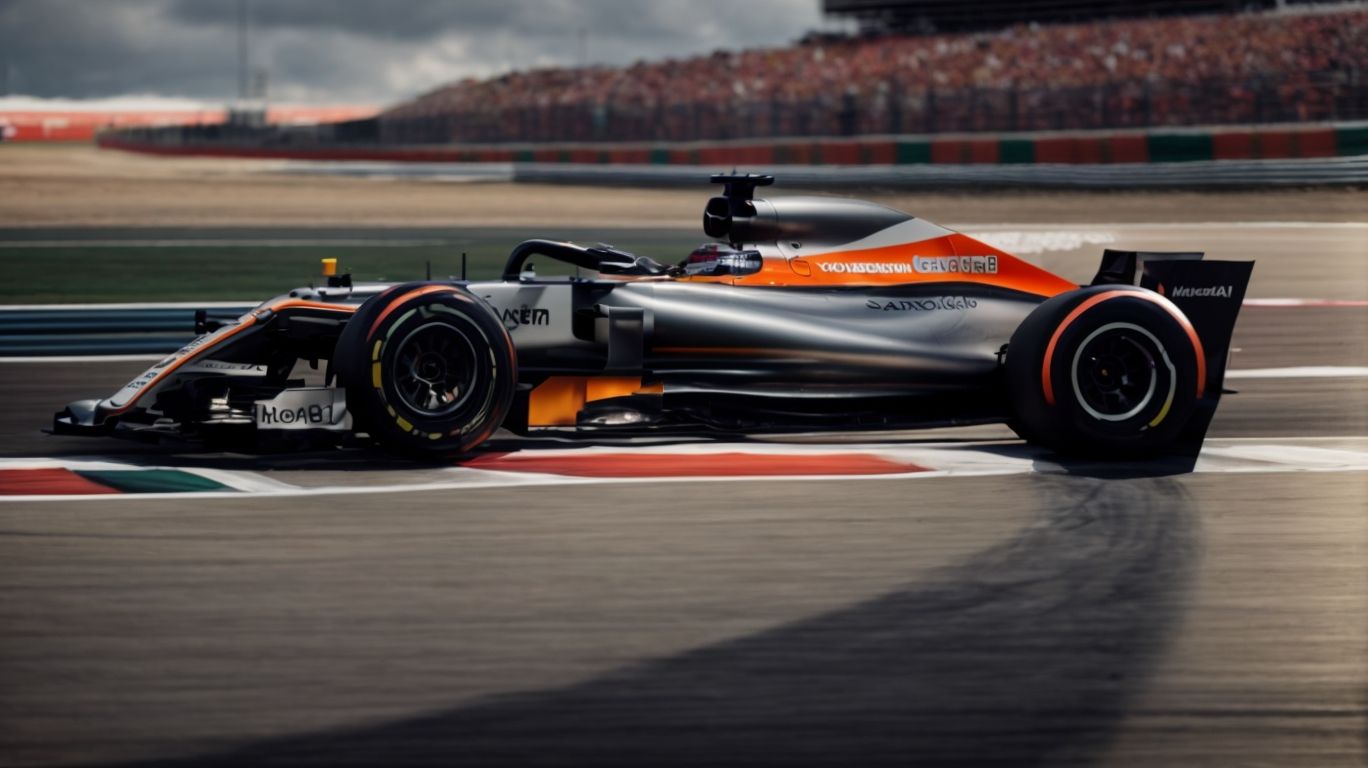

How F1 Drivers Sit?
Have you ever wondered how F1 drivers achieve optimal performance on the track?
One crucial factor that plays a significant role is their seating position. The way a driver sits in an F1 car can greatly affect their performance, comfort, and safety.
In this article, we will explore the importance of proper seating position in F1 racing, the ideal seating position for drivers, how seats are customized for each individual, and the physical demands and potential injuries associated with improper seating.
Let’s dive into the world of F1 racing and discover the key role of seating position in a driver’s success.
Key Takeaways:
What is the Importance of Proper Seating Position in F1 Racing?
In Formula 1 racing, the proper seating position is crucial for drivers, as it directly impacts their safety, aerodynamics, performance, and comfort.
The safety aspect involves ensuring that the driver is securely strapped in, allowing them to withstand extreme g-forces during turns and sudden decelerations. The specific positioning contributes to the car’s aerodynamic efficiency by minimizing drag and maximizing downforce, enhancing cornering capabilities. The right seating setup helps the driver maintain better control over the vehicle, improving stability and responsiveness. Materials used in the seat construction play a role in weight distribution and overall balance, factors critical for peak performance on the track.
How Does the Seating Position Affect Performance?
The seating position in F1 racing significantly affects driver performance through optimized aerodynamics and evolved car design.
One crucial aspect of the seating position is the reduction of drag, which is enhanced through the driver’s posture in relation to the car’s design. The advancements in technology have allowed for tailored seating positions that improve control and maneuverability on the track.
Drivers now benefit from seats designed to distribute pressure evenly, reducing fatigue during long races and enabling them to focus solely on their performance. These specialized seats also enhance the driver’s ability to react swiftly to changing conditions, giving them a competitive edge in high-speed races.
What is the Ideal Seating Position for F1 Drivers?
The ideal seating position for Formula 1 drivers is meticulously crafted to ensure optimal comfort, control, and integration of advanced materials and technology.
Each element of the F1 driver’s seating arrangement plays a crucial role in enhancing their performance on the track. The seat itself is custom-molded to the driver’s body, providing unparalleled support during high-speed cornering and braking maneuvers. The positioning of the seat, pedals, and steering wheel is meticulously adjusted to achieve the perfect balance between comfort and control.
The integration of cutting-edge materials such as ultra-lightweight carbon fiber not only ensures maximum durability but also contributes to reducing overall weight, ultimately enhancing the car’s speed and agility. Advanced technological features like adjustable lumbar support and cooling systems further enhance the driver’s comfort and focus during grueling races.
How is the Seat Customized for Each Driver?
Each driver’s seat in Formula 1 is customized to their unique specifications, focusing on comfort, advanced materials, and technology integration.
These customization processes involve a meticulous approach to ensure that every aspect of the seat aligns with the driver’s preferences.
- Comfort adjustments, such as seat padding thickness, lumbar support, and headrest contours, are tailored to provide optimal ergonomic support during high-speed maneuvers.
- Material selections play a crucial role in both performance and comfort, with options ranging from lightweight carbon fiber for durability and weight reduction to temperature-regulating fabrics for enhanced comfort.
- Technological integrations, such as adjustable seat positions, cooling systems, and vibration-dampening features, are fine-tuned to enhance the driver’s overall experience on the track.
What Factors are Considered in Determining the Ideal Seating Position?
Several critical factors, including safety, performance, center of gravity, and stability, are carefully evaluated to determine the ideal seating position for F1 drivers.
Regarding safety, F1 drivers must be positioned in a way that minimizes the risk of injuries in case of accidents. This involves considerations such as the distance from the steering wheel, the angle of the seat, and the use of advanced safety harnesses.
The performance aspect focuses on optimizing the driver’s ability to handle the car effectively and efficiently, ensuring maximum control. Adjustments to the center of gravity play a crucial role in enhancing stability, as a lower center of gravity helps in better weight distribution and handling around corners.
How Do F1 Drivers Sit in the Car?
F1 drivers sit in the car with a perfectly balanced seating position that prioritizes comfort, control, and safety during high-speed races.
The seating posture of F1 drivers is carefully designed to ensure they can maintain optimal control over the car while experiencing the extreme G-forces and intense vibrations on the track. A key aspect of their seating position is the ergonomic shape of the seat which hugs their body, providing both comfort and stability.
The driver’s seat is positioned in a way that allows them to easily reach the various control mechanisms within the cockpit, such as the steering wheel, gear shifters, and brake pedals. This accessibility is crucial for quick reflexes and precise adjustments during high-pressure moments on the circuit.
In terms of safety measures, the seat is constructed with impact-absorbing materials and is custom-fitted to the driver’s body to minimize the risk of injury in case of a crash. Integrated headrests and harness systems provide additional protection and support to the driver’s neck and spine.
What is the Position of the Steering Wheel and Pedals?
The steering wheel and pedals are meticulously positioned in F1 cars to optimize driver control, performance, and integration with the seating position.
Regarding F1 cars, every minute detail is calibrated to perfection, and the placement of the steering wheel and pedals is a crucial aspect of this precision engineering. The steering wheel, often adorned with a plethora of buttons and dials, is strategically located within arms’ reach, ensuring that the driver can make split-second adjustments without losing focus on the track. This ergonomic design not only enhances driver control but also contributes to reducing driver fatigue during grueling races.
What is the Role of the Headrest and Neck Support?
The headrest and neck support in F1 cars play a critical role in ensuring driver safety, comfort, and optimal performance during races.
Headrests are designed to protect the drivers from sudden jerks in case of collisions or accidents, reducing the risk of neck injuries. They also contribute to maintaining the driver’s focus and posture, minimizing fatigue and strain during high-speed maneuvers.
Neck support systems utilize advanced technology to stabilize and support the head, allowing the driver to maintain clear vision and control over the vehicle. This not only enhances safety but also improves overall performance by reducing the physical strain on the driver, enabling them to concentrate on driving with precision.
How is the Seat Belt Configured for Maximum Safety?
The seat belt in F1 cars is meticulously configured to ensure maximum safety for drivers, minimizing the risk of injuries during high-speed racing.
In Formula 1 cars, the seat belt arrangement is a crucial element of the safety system, designed to offer the driver optimal protection in the event of a high-speed impact or collision. The seat belts are constructed with advanced materials, such as carbon fiber and high-tensile strength fabrics, to withstand immense forces during acceleration, deceleration, and cornering. The belts are strategically positioned across the driver’s body, securing them tightly in the seat to prevent excessive movement that could lead to injuries.
What are the Physical Demands of Sitting in an F1 Car?
Sitting in an F1 car imposes significant physical demands on drivers, requiring a balance of comfort, safety, and performance under extreme racing conditions.
Drivers in Formula 1 races face intense pressure on their bodies as they zip around the track at incredible speeds. The confinement of the cockpit, with its compact design, presents a challenge for drivers to find a comfortable position for hours on end. The seats are custom-molded to the driver’s body to ensure maximum comfort and support during high G-force turns.
Safety measures like the HANS device and multi-point harnesses are crucial for protecting drivers’ necks and bodies from injury in the event of a crash. These safety systems are meticulously designed to enhance driver resilience and reduce the risk of severe impact injuries.
How Do Drivers Prepare for the Physical Demands of F1 Racing?
F1 drivers meticulously prepare for the physical demands of racing through rigorous training, endurance building, and specialized preparation techniques.
Training for F1 drivers involves a mix of cardiovascular conditioning, strength training, and flexibility exercises. These athletes follow strict routines to enhance their physical capabilities, focusing on core strength, neck muscles, and reflexes to withstand the high G-forces experienced in races.
Endurance-building is crucial, with many drivers incorporating cycling, swimming, and running into their workouts to maintain stamina over long races. Mental resilience is also honed through simulations, reaction time drills, and mindfulness practices, enabling drivers to stay focused during intense racing situations.
What are the Common Injuries Caused by Improper Seating Position?
Improper seating positions in F1 cars can lead to common injuries such as back strain, neck discomfort, and reduced driver safety during high-speed races.
When a driver is not properly seated in an F1 car, the lack of adequate support and ergonomic alignment can put immense pressure on the lower back, leading to muscle strain and potential long-term issues.
The positioning of the neck plays a crucial role in maintaining visibility and control during races. Inadequate neck support can result in discomfort, restricted movement, and even the risk of sustaining whiplash injuries.
The safety concerns arising from improper seating positions extend beyond individual discomfort to impact overall driving performance, reaction times, and the ability to maneuver the car effectively during challenging race conditions.
Conclusion: The Importance of Proper Seating Position in F1 Racing
The emphasis on proper seating positions in F1 racing underscores the critical role it plays in ensuring driver safety, optimizing aerodynamics, enhancing performance, and maximizing comfort.
Proper seating positions are paramount in F1 racing, not just for safety reasons but also for aerodynamic advantages. By positioning the driver correctly, teams can reduce wind resistance, which contributes significantly to overall speed and performance on the track.
Comfort is often overlooked but essential in maintaining driver focus and endurance during grueling races. A well-designed seat can prevent fatigue and provide the necessary support for the driver to perform at their peak for longer durations.
Regarding safety, the proper seat position ensures that the driver is securely strapped in and protected in the event of a crash, reducing the risk of injury.
Frequently Asked Questions
What is the correct sitting position for F1 drivers?
F1 drivers typically sit in a low, reclined position with their legs raised and slightly bent, allowing for better concentration and control over the car.
How does an F1 driver adjust their seat?
F1 drivers have custom-made seats that are molded to fit their body shape and size. These seats can also be adjusted in multiple ways to provide the most comfortable and secure position for the driver.
Do F1 drivers use specialized seats for safety?
Yes, F1 drivers use specially designed seats that are made of strong and lightweight materials to provide maximum protection in case of an accident. These seats also have high sides to support the driver’s helmet and neck in case of impact.
Why do F1 drivers sit in a reclined position?
Sitting in a reclined position helps F1 drivers to withstand the high G-forces they experience while driving. It also allows them to maintain better focus and control over the car, especially during high-speed turns.
Can F1 drivers adjust their steering wheel and pedals while driving?
Yes, F1 drivers have buttons and switches on their steering wheel which they can use to adjust various settings and functions of the car. However, they cannot adjust their pedals while driving as their feet are secured in place.
How do F1 drivers maintain their physical position while driving?
F1 drivers have a combination of seatbelts and specially designed harnesses that keep them securely in place while driving. They also use their legs and core muscles to maintain their position and resist the high G-forces.