Will F1 Get Rid of Halo?
The introduction of the Halo in Formula 1 sparked debates among fans and experts alike. While it has been praised for improving safety for drivers and spectators, some argue that it hinders visibility and adds weight to the car.
The question now arises: will F1 get rid of the Halo? We will explore the pros and cons of the Halo, the arguments for and against its removal, and the alternative safety measures being considered in the world of F1.
Let’s dive in and find out more about this controversial topic.
Key Takeaways:
What Is the Halo in F1?
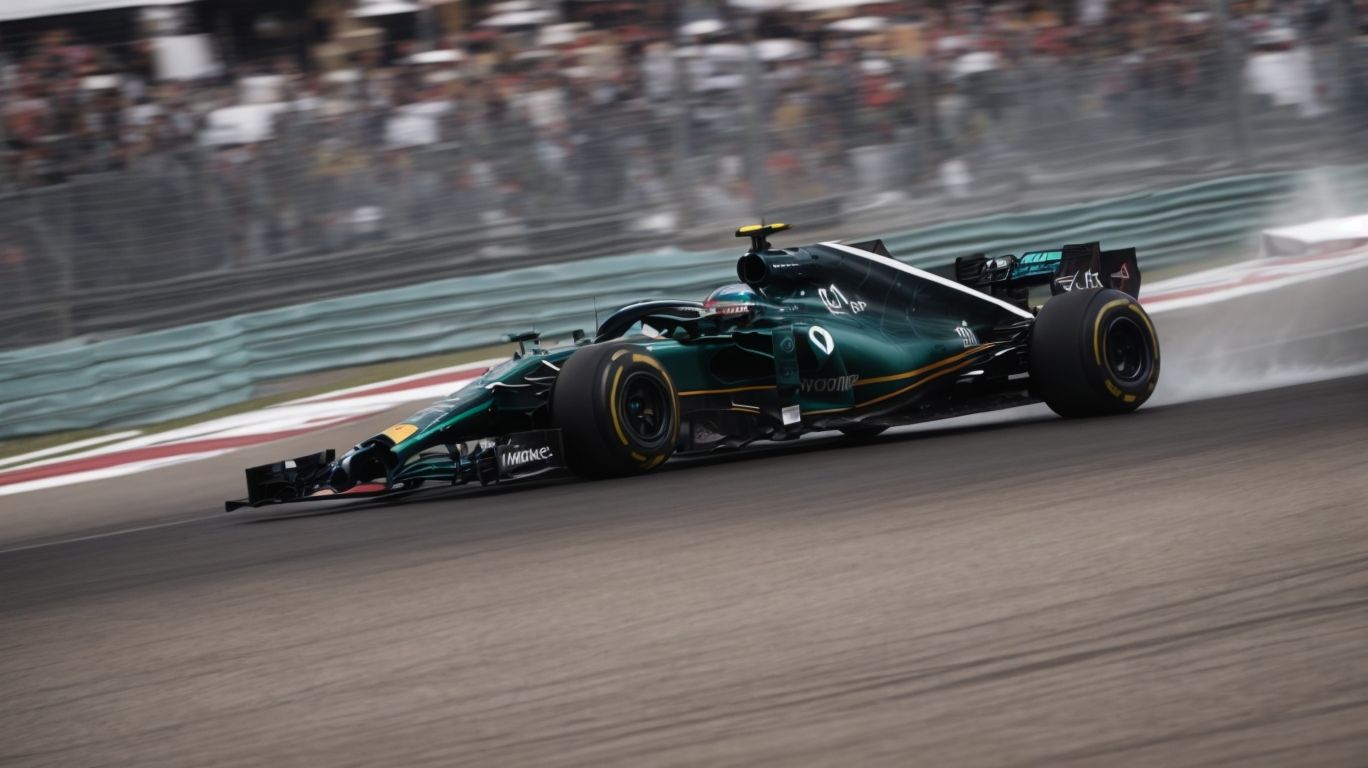
The Halo in Formula 1 (F1) is a safety device that encircles and protects the driver’s head within the cockpit of the car.
Its primary purpose is to provide enhanced protection to drivers in the event of a crash or debris flying towards the cockpit. This innovative design consists of a titanium structure shaped like a curved wishbone positioned above the driver’s helmet, creating a barrier that deflects potential impacts away from the driver’s head. The placement of the Halo is such that it minimizes visual obstruction for the driver while maximizing safety benefits, meeting rigorous safety standards set by the FIA.
Why Was the Halo Introduced in F1?
The Halo was introduced in Formula 1 (F1) to address the increasing risks posed by accidents and incidents that exposed drivers to potential head injuries.
One of the key incidents that highlighted the need for additional driver protection was the tragic accident involving Jules Bianchi in 2014. Bianchi sustained severe head injuries during the Japanese Grand Prix after colliding with a recovery vehicle. This incident served as a wake-up call for the motorsport community to prioritize safety measures.
The introduction of the Halo in F1 was also fueled by the close calls and near-misses experienced by drivers like Fernando Alonso, Charles Leclerc, and Romain Grosjean, who escaped significant harm but were at risk of serious head injuries due to debris or car-to-car incidents.
By providing a protective structure around the driver’s cockpit, the Halo acts as a barrier against flying debris, rollovers, and even the impact of another car during a crash. This additional layer of safety has significantly reduced the likelihood of head injuries and enhanced the overall safety standards in Formula 1.
What Are the Pros of the Halo in F1?
The Halo in Formula 1 (F1) offers several advantages, primarily enhancing safety measures for drivers through its protective system.
By creating a physical barrier that surrounds the driver’s head, the Halo significantly reduces the risk of serious head injuries from flying debris or collisions on the track. Its introduction has marked a pivotal moment in F1 history, as it has already proven its effectiveness in protecting drivers during high-speed impacts. The Halo does not compromise visibility or hinder the driver’s ability to get in and out of the car swiftly, making it a seamless integration for enhanced safety on the circuit.
Improved Safety for Drivers
The Halo significantly improves safety for drivers by providing an additional layer of protection in case of accidents or collisions.
This innovative safety device is designed to withstand significant impact forces, helping to mitigate the risk of head injuries in high-speed crashes. By creating a physical barrier around the driver’s head, it acts as a shield from flying debris and objects, reducing the chances of severe harm. In addition, the Halo is strategically positioned to minimize the risk of injuries during rollover accidents, where the driver’s head is particularly vulnerable.
Increased Protection for Spectators
The Halo contributes to increased protection for spectators by reducing the risk of debris entering the stands during high-speed incidents.
The introduction of the Halo safety device in motorsports has played a crucial role in not only safeguarding drivers but also in enhancing the overall experience for spectators. By forming a barrier that helps minimize the chances of debris from on-track incidents reaching the stands, the Halo ensures that spectators are shielded from potential dangers. This advanced safety measure brings peace of mind to those watching the thrilling races, knowing that the risk of debris-related injuries is significantly reduced.
Enhanced Aerodynamics
The Halo’s design has been optimized to contribute positively to the aerodynamics of the Formula 1 cars, aiding in overall system development.
One of the key ways in which the Halo influences aerodynamics is by helping to manage airflow more efficiently around the car. This streamlined airflow reduces drag, allowing the car to move through the air with less resistance, ultimately enhancing speed and performance on the track.
The Halo’s presence can also affect the balance and stability of the car, improving its handling and responsiveness in different driving conditions. Such advancements in aerodynamic design not only elevate the car’s competitiveness but also play a crucial role in shaping the continuous evolution of safety systems within Formula 1 cars.
What Are the Cons of the Halo in F1?
Despite its advantages, the Halo in Formula 1 (F1) has certain drawbacks, including reduced visibility for drivers and increased weight on the car.
The Halo poses a significant challenge for drivers by restricting their field of vision, affecting their ability to anticipate oncoming cars or obstacles. This limited visibility can hinder crucial split-second decision-making during races, heightening the risk of accidents. The added weight of the Halo system alters the car’s balance and handling dynamics, impacting the overall performance of the vehicle on the track. Drivers have to adapt their driving styles and techniques to compensate for these changes, further complicating the already demanding nature of F1 racing.
Reduced Visibility for Drivers
One of the main drawbacks of the Halo is the reduced visibility it imposes on drivers due to its structure within the cockpit.
With the Halo positioned directly in front of the driver, it creates blind spots that can obstruct their view of crucial areas around the track, such as the apex of corners or adjacent cars. This limitation becomes especially pronounced in tight racing situations where split-second decisions are paramount.
The thick central pillar of the Halo can hinder a driver’s peripheral vision, affecting their ability to anticipate potential hazards from the sides.
These challenges highlight the importance of innovative solutions in cockpit design to maximize driver awareness and ensure optimal maneuverability on the track.
Added Weight to the Car
The weight added by the Halo to the Formula 1 car can impact performance and handling, requiring adjustments in design and development.
When the Halo is added to the car, it not only increases the overall weight but also shifts the center of gravity upward, affecting weight distribution. This alteration in weight distribution can impact the car’s balance during acceleration, braking, and cornering.
Engineers and designers need to account for this change by recalibrating the suspension settings, chassis stiffness, and aerodynamics to maintain optimal handling and performance. The increased weight requires adjustments in the powertrain and braking systems to ensure efficient control and stability on the track.
Will F1 Get Rid of the Halo?
The ongoing debate in Formula 1 (F1) revolves around the potential removal of the Halo safety device, with arguments both for and against its elimination.
The Halo safety device was introduced in F1 in 2018 to enhance driver safety after a series of serious incidents in motorsport.
Proponents of keeping the Halo argue that it has proven its effectiveness in protecting drivers from flying debris and impacts. On the other hand, opponents suggest that the Halo affects the aesthetic appeal of the cars and goes against the traditional open-cockpit design of Formula 1 cars.
Discussions often delve into finding a balance between safety measures and preserving the core identity and visual appeal of the sport.
What Are the Arguments Against Getting Rid of the Halo?
Proponents of retaining the Halo in Formula 1 (F1) argue that its removal may compromise driver safety and increase the risks associated with high-speed incidents.
Given the ever-evolving nature of motorsport, safety remains a paramount concern for all involved in the sport. The Halo, introduced in 2018, has since proven its worth by providing a crucial barrier between the driver’s head and potential impacts. Its aerodynamic design and structural integrity have been instrumental in deflecting, and in some cases, mitigating the severity of, incidents such as airborne collisions and loose debris encounters.
Not only does the Halo act as a physical shield, but it also serves as a psychological reassurance for drivers, allowing them to concentrate on their racecraft without constant fear of life-threatening scenarios. The data collected over the years strongly supports the effectiveness of the Halo in preventing injuries that were once prevalent in open-cockpit racing.
What Are the Arguments for Getting Rid of the Halo?
Conversely, those in favor of removing the Halo from Formula 1 (F1) cite concerns over reduced visibility and the added weight affecting the car’s performance.
One of the primary arguments against the Halo is the potential visibility constraints it imposes on drivers when navigating tight corners or during adverse weather conditions. The structure of the safety device, while essential for protection, can create blind spots that hinder a driver’s ability to anticipate maneuvers and react swiftly. This limitation can significantly impact the overall driver experience and sense of control behind the wheel.
The additional weight of the Halo can alter the car’s dynamics, influencing its handling and responsiveness on the track. The increased mass shifts the center of gravity, affecting the balance and agility of the vehicle. These changes may compromise the car’s performance, especially in high-speed corners and during quick directional changes.
What Are the Alternatives to the Halo in F1?
Several alternatives have been proposed to the Halo in Formula 1 (F1), including the Aeroscreen, Shield, and Canopy, each offering unique approaches to driver protection.
The Aeroscreen, developed by Red Bull Racing and first introduced in 2016, consists of a curved windscreen made from a strong polycarbonate material, providing a barrier against debris while maintaining visibility.
The Shield, which was tested by Ferrari and Mercedes, is a semi-circular piece of transparent material positioned in front of the driver, offering protection similar to a cockpit windshield.
The Canopy concept involves a larger, more encompassing structure that covers the entire cockpit, aiming to shield the driver from various potential hazards on the track.
Aeroscreen
The Aeroscreen presents a modern solution for enhancing driver protection in Formula 1 (F1), offering a comprehensive shield around the cockpit area.
The design of the Aeroscreen involves a reinforced halo-like structure that supports the transparent screen, which acts as a barrier against debris, enhancing driver safety. This innovation provides improved visibility compared to the previous solutions, allowing drivers a clearer view of the track without compromising protection. The Aeroscreen has been rigorously tested to ensure it meets the strict safety standards set by the FIA, making it a reliable choice for F1 teams and drivers.
Shield
The Shield option in Formula 1 (F1) focuses on providing enhanced visibility for drivers while maintaining a protective barrier against potential impacts.
By incorporating advanced materials and aerodynamic principles, the Shield aims to minimize aerodynamic disturbance on the car while optimizing airflow around the cockpit area. This not only aids in the overall stability of the vehicle but also contributes to a more streamlined and efficient racing experience.
The design of the Shield features a curved transparent panel that extends in front of the driver, offering a wide field of vision compared to traditional cockpit protection systems. The integration of anti-reflective coatings enhances visibility, especially in varying lighting conditions.
Canopy
The Canopy concept in Formula 1 (F1) offers a unique approach to driver safety, providing a comprehensive enclosure over the cockpit area for added protection.
Unlike the Halo, which is a titanium structure mounted above the driver’s head to protect against flying debris, the Canopy extends further to create a full enclosure around the cockpit. This design feature greatly reduces the risk of impact injuries from various angles and enhances overall driver safety. The Canopy’s transparent material maintains good visibility for the driver, crucial for their performance on the track. The Canopy’s sleek aerodynamic shape contributes to improved airflow around the car, enhancing performance without compromising safety.
Frequently Asked Questions
Will F1 Get Rid of Halo?
Is there a chance that F1 will remove the Halo safety device?
No, according to F1 officials, the Halo is a permanent fixture in the sport and will not be removed.
Will F1 Get Rid of Halo?
Are there any alternative safety measures being considered to replace the Halo?
F1 has stated that they are continuously researching and implementing new safety features, but the Halo will remain a key component of driver protection.
Will F1 Get Rid of Halo?
What is the purpose of the Halo in F1?
The Halo was introduced in F1 in 2018 as a safety device to protect drivers from flying debris and other potential hazards.
Will F1 Get Rid of Halo?
Are there any concerns about the impact of the Halo on the aesthetics of the car?
While some fans have expressed disappointment with the Halo’s appearance, F1 has prioritized safety over aesthetics and believes that the device is necessary for driver protection.
Will F1 Get Rid of Halo?
Have any drivers spoken out against the Halo?
While some drivers initially voiced concerns about visibility and the added weight of the Halo, many have since come to accept it as a necessary safety measure.
Will F1 Get Rid of Halo?
Is there any chance that the Halo could be removed in the future?
As of now, there are no plans to remove the Halo from F1 cars. However, F1 is constantly evaluating and updating safety measures, so it is possible that the Halo could be modified or replaced in the future.