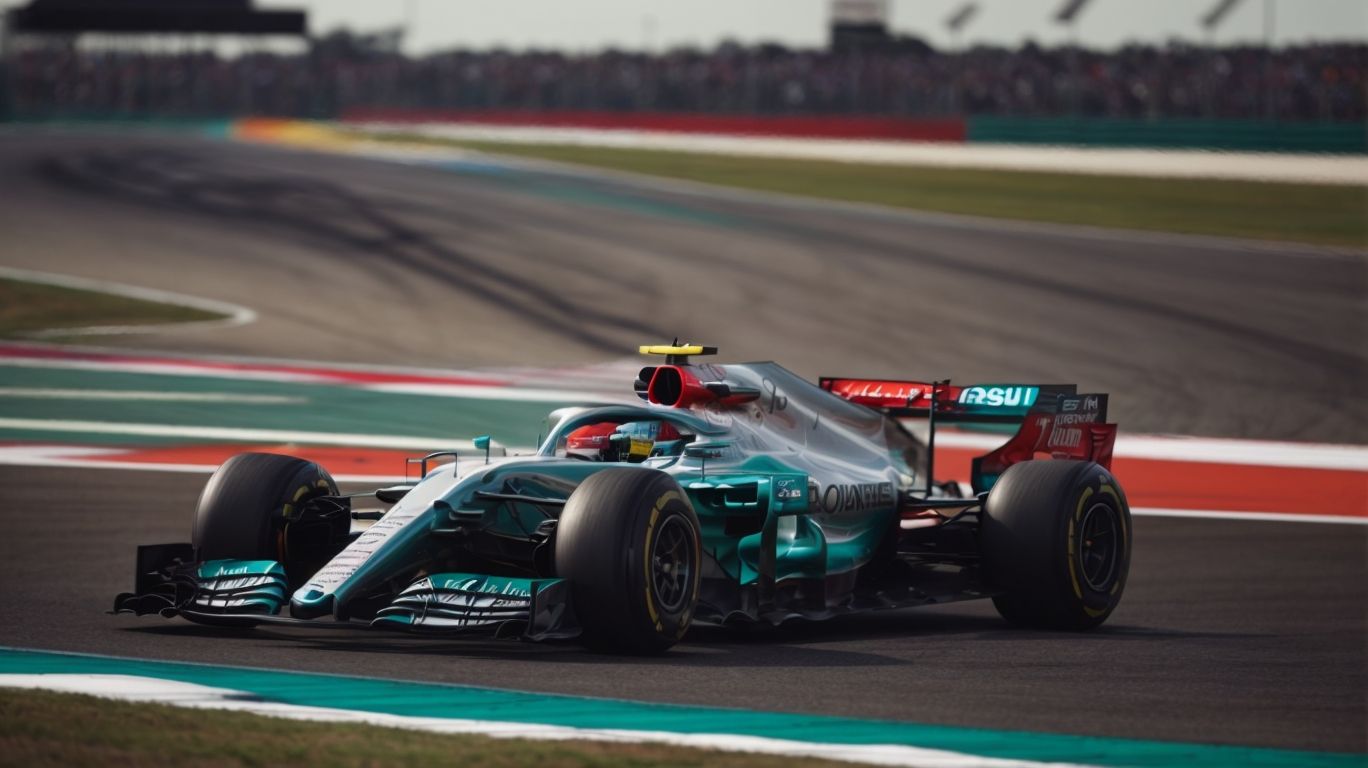
Why Can’t F1 Race at Bathurst?
Have you ever wondered why the prestigious Formula 1 races have never taken place at the iconic Bathurst Circuit in Australia?
We explore the unique challenges that make the Bathurst Circuit one of the most demanding tracks in motorsport, including its elevation changes, tight corners, and high-speed straights.
Delve into the reasons why F1 has yet to grace the Bathurst track, from track length to safety concerns and lack of infrastructure.
Discover more about the alternatives for F1 racing in Australia and whether the possibility of F1 racing at Bathurst has ever been considered.
Key Takeaways:
What is the Bathurst Circuit?
The Bathurst Circuit, located in New South Wales, Australia, is synonymous with exhilarating motorsport action, featuring the iconic Mount Panorama as its centerpiece.
This legendary track was established in 1938 and has since become a mecca for race enthusiasts worldwide. The Bathurst Circuit boasts a challenging 6.2-kilometer layout with a mix of fast straights, steep climbs, and heart-stopping descents. One of the most famous sections is The Esses, a series of tight corners that require precision and skill to navigate effectively. Drivers also face the daunting challenge of conquering the infamous Conrod Straight, a high-speed section that tests both nerve and machine.
What Makes the Bathurst Circuit Challenging?
The Bathurst Circuit presents a formidable challenge to drivers due to its combination of dramatic elevation changes, tight corners that demand precision, and a high-speed straight that tests the limits of performance.
These elements create a demanding environment where drivers must navigate varying inclines and declines, forcing quick adjustments in handling and braking. The tight corners not only require pinpoint accuracy but also reward smooth driving and controlled accelerations to maintain momentum. In contrast, the high-speed sections demand nerves of steel as drivers push their vehicles to reach top speeds while also staying attentive to upcoming turns and possible overtaking opportunities.
Elevation Changes
The Bathurst Circuit’s elevation changes create a dynamic racing environment, with sections of varying grades that demand precise car control and strategic maneuvering.
The circuit’s uphill sections challenge drivers with decreased engine power and potential loss of grip, requiring skillful acceleration and precise gear shifts to maintain speed and momentum.
Conversely, the downhill segments test braking abilities and stability control systems as vehicles navigate the descent, focusing on weight transfer and balance to avoid oversteer or understeer.
These elevation changes not only add complexity to the track but also showcase the importance of driver adaptability and vehicle responsiveness in handling diverse driving conditions.
Tight Corners
Navigating the Bathurst Circuit’s tight corners demands precision and agility from drivers, requiring modified cars to handle the technical challenges posed by these sections.
One vital element to consider when maneuvering through these tight corners at Bathurst is the crucial role of driver skill. The driver must assess each corner, adjusting speed and choosing the optimal racing line to maintain momentum without losing control. Car modifications play a significant role in enhancing a vehicle’s performance on these corners, with adjustments to suspension, aerodynamics, and braking systems crucial for maintaining stability and grip. The combination of driver expertise and well-tuned vehicles ultimately determines success in conquering these demanding sections at Bathurst.
High Speed Straight
The Bathurst Circuit’s high-speed straight section tests the limits of speed, endurance, and vehicle performance, providing a thrilling experience for drivers and spectators alike.
This iconic straight, known for its challenging nature and demanding requirements, presents a unique opportunity for drivers to showcase the raw power and precision of their machines. With speeds reaching exhilarating levels, this section demands exceptional aerodynamics, engine power, and driver skill to navigate efficiently. The long stretch pushes the vehicles to their limits, requiring a fine balance between speed and control. Engineers meticulously design race cars to meet the demands of this specific segment, ensuring optimal performance and durability under extreme conditions.
Why Can’t F1 Race at Bathurst?
Formula 1 has not raced at the iconic Bathurst Circuit due to various factors, including safety concerns, track length limitations, pit lane restrictions, and inadequate infrastructure for hosting a Grand Prix event.
One of the primary reasons Bathurst has not been chosen as a Formula 1 venue is its safety concerns. The nature of the circuit, with its challenging elevation changes and narrow sections, raises red flags for F1 officials.
Infrastructure plays another key role; Bathurst lacks the modern facilities and amenities that a global event like the Formula 1 Grand Prix demands.
The track’s length constraints pose a significant challenge as Formula 1 requires specific track dimensions to ensure competitive and safe racing.
Track Length
One of the primary reasons F1 hasn’t raced at Bathurst is the track’s length, which falls outside the typical requirements of Formula 1 circuits, necessitating modifications for compliance.
Formula 1 specifications for track length generally hover around 5 to 6 kilometers, whereas Bathurst’s Mount Panorama Circuit is notably longer at about 6.2 kilometers. This variation poses challenges in terms of meeting the prescribed standards that align with F1’s circuit criteria.
To potentially make Bathurst more suitable for hosting F1 races, adjustments must be made to reduce the track length to fit within the recommended range. This process could involve redesigning certain sections of the circuit to shorten the overall distance while maintaining the essence and challenges of the iconic track.
Safety Concerns
Safety concerns have been a significant factor in preventing Formula 1 races at Bathurst, as the track layout and safety barriers may not meet the stringent safety requirements of F1 racing.
The challenging nature of the Bathurst track, with its narrow sections, high-speed corners, and elevation changes, poses unique safety hazards for Formula 1 drivers. The lack of adequate runoff areas and a limited number of gravel traps could lead to severe consequences in case of accidents. To address these challenges, extensive modifications to the safety infrastructure, including installing additional crash barriers, enhancing safety walls, and improving the track surface, would be imperative to ensure the safety of drivers and spectators alike.
Pit Lane Restrictions
Bathurst’s pit lane restrictions pose logistical challenges for hosting Formula 1 races, necessitating upgrades and modifications to meet the pit lane standards set by the FIA.
The limitations of Bathurst’s pit lane, including its narrow width and lack of sufficient pit boxes, make it difficult to accommodate the demanding requirements of a Formula 1 event seamlessly.
To align with FIA regulations, significant enhancements need to be made to enhance safety, efficiency, and overall functionality within the pit lane.
- This includes expanding the pit lane width to accommodate larger F1 cars and ensure smoother traffic flow during pit stops.
- Installing state-of-the-art equipment and technology for quick tire changes and fuel refills is essential to meet the high-speed demands of Formula 1 racing.
Lack of Infrastructure
The absence of adequate infrastructure at Bathurst has been a hindrance to hosting Formula 1 races, necessitating significant changes and investments to meet the standards expected for a Grand Prix venue.
One of the key areas that need attention is the track facilities themselves. Upgrades to the pit garages, medical facilities, and spectator grandstands are crucial to meet the demands of hosting a prestigious event like an F1 race. Improvements to access roads, parking areas, and transportation links to the circuit are vital to accommodate the influx of spectators, teams, and media that accompany an F1 race weekend. Addressing these infrastructure shortcomings is essential to elevate Bathurst to the level required for consideration as an F1 venue.
Has F1 Ever Considered Racing at Bathurst?
Formula 1 has occasionally explored the idea of racing at Bathurst, with discussions revolving around incorporating the circuit into the Australian Grand Prix calendar, featuring it alongside events like the Supercars Championship and support races.
Given the rich motorsport history and challenging layout of Mount Panorama, Bathurst has emerged as an intriguing prospect for Formula 1 officials seeking to expand the championship’s reach and offer fans a unique experience. Aligning the race at Bathurst with the Australian Grand Prix could provide a stimulating blend of glamour and raw racing excitement, drawing global attention to this iconic venue.
Further dialogues have taken place regarding the logistical aspects of hosting a Formula 1 event at Bathurst, addressing concerns such as infrastructure, safety standards, and operational feasibility.
Australian Grand Prix
In the context of the Australian Grand Prix, Bathurst has emerged as a potential venue of interest, especially amid discussions of calendar changes due to external factors like the COVID-19 pandemic.
One of the key considerations in selecting a race venue like Bathurst is the track’s unique layout, which offers a challenging yet thrilling experience for drivers and fans alike. The picturesque backdrop of the Mount Panorama Circuit adds to the allure of hosting a prestigious event like the Australian Grand Prix.
The geographical location of Bathurst plays a significant role in the logistics of organizing such a large-scale sporting event. Ensuring smooth transportation, accommodation, and access for teams, officials, and spectators becomes a crucial aspect that event planners must address.
Supercars Championship
The synergy between Formula 1 and the Supercars Championship has sparked discussions regarding potential joint events at Bathurst, leveraging the track’s appeal to drivers and fans of both racing series.
Formula 1 and Supercars both bring unique strengths and fervent followers to the table – the high-speed glamour and precision of Formula 1 complementing the raw power and close-quarters racing of the Supercars Championship. Combining these elements at iconic venues like Bathurst could create an electrifying spectacle, drawing in enthusiasts from all corners of the motorsport world.
Imagine the top drivers from each series battling wheel-to-wheel on the challenging Mount Panorama circuit, with the noise of roaring engines echoing through the scenic backdrop. The synergistic potential for collaboration is undeniable, promising a thrilling fusion of elite motorsport talent and passionate fandoms.
Support Races
The concept of incorporating support races at Bathurst alongside potential Formula 1 events has been discussed, necessitating modifications and meeting specific requirements to accommodate various racing categories on the circuit.
One of the key considerations when introducing support races at Bathurst in conjunction with Formula 1 events is the need for additional safety measures to address the diverse range of vehicles and driving styles on the track. This may involve adjusting barriers, run-off areas, and spectator zones to ensure the highest level of security for all participants and attendees.
Moreover, logistics planning becomes crucial to align schedules, manage paddock space efficiently, and handle the influx of teams and equipment without disruptions. Balancing the needs of multiple racing categories while maintaining the distinctiveness and appeal of each event requires meticulous coordination and strategic decision-making.
What Are the Alternatives for F1 Racing in Australia?
While Bathurst remains a dream venue for Formula 1, alternative circuits in Australia such as the Melbourne Grand Prix Circuit, Gold Coast Street Circuit, and Adelaide Street Circuit have served as viable options for hosting high-profile races.
Of these alternatives, the Melbourne Grand Prix Circuit stands out as one of the most prestigious venues, hosting the Australian Grand Prix annually. This circuit, located in Albert Park, offers a challenging track with a mix of fast straights and tight corners, providing an exciting race for both drivers and spectators alike. The Gold Coast Street Circuit, on the other hand, is famous for its unique layout, incorporating existing roads and impressive waterfront views. The Adelaide Street Circuit, with its history of hosting the Australian Grand Prix, holds a special place in the hearts of racing enthusiasts.
Melbourne Grand Prix Circuit
The Melbourne Grand Prix Circuit in Australia has been a staple venue for Formula 1 races, showcasing thrilling competitions and requiring specific modifications to suit the requirements of F1 cars and drivers.
Since its inception in 1996, the Melbourne Grand Prix Circuit has captured the hearts of racing enthusiasts worldwide. Known for its fast straights, challenging corners, and smooth surface, the track demands precision and skill from drivers. With a length of 5.3 kilometers, the circuit features a mix of tight turns and high-speed sections, providing a test of both agility and speed.
Over the years, the circuit has undergone several changes to enhance safety and driver experience. Notable modifications include adjustments to the braking zones, kerbing, and run-off areas to comply with FIA standards. These alterations have made the Melbourne Grand Prix Circuit not only a thrilling race venue but also one of the safest tracks on the F1 calendar.
Gold Coast Street Circuit
The Gold Coast Street Circuit offers a unique urban racing experience for Formula 1, with temporary modifications transforming city streets into a challenging track suited for high-speed competitions.
As one of the highlights of the F1 calendar, the Gold Coast Street Circuit stands out for its blend of tight corners, narrow stretches, and long straights, making it a test of driver skill and precision. The circuit’s adaptation involves installing barriers, safety measures, and grandstands to accommodate spectators safely along the city streets. Urban racing presents a different set of challenges compared to traditional circuits, with limited space for runoff areas and the added complexity of road surface variations due to everyday traffic. This unique setting and atmosphere create an unparalleled buzz for both drivers and spectators, showcasing the thrill and unpredictability of street circuits in Formula 1.
Adelaide Street Circuit
The Adelaide Street Circuit in Australia has a rich history of hosting Formula 1 races, with its demanding layout and specific modifications enhancing the racing spectacle for drivers and fans alike.
Originally designed as a temporary track in 1985 for the Australian Grand Prix, the Adelaide Street Circuit soon became a favorite among drivers due to its unique challenges and exciting street course dynamics. Transformations over the years have seen alterations to corners, chicanes, and pit facilities, pushing drivers to their limits in terms of skill and precision. The unforgiving walls and tight turns demand razor-sharp focus, making every lap a high-stakes endeavor.
The circuit’s historical significance is undeniable, with iconic moments such as Ayrton Senna’s memorable battles and Nigel Mansell’s championship-winning drive etching themselves into Formula 1 folklore. Adelaide Street Circuit stands as a testament to the enduring legacy of street circuits in motorsport, blending speed, skill, and spectacle into a thrilling racing experience.
Frequently Asked Questions
Why can’t F1 race at Bathurst?
The Bathurst track is not suitable for F1 races due to its unique characteristics and safety concerns.
What makes Bathurst track unsuitable for F1 races?
Bathurst is a narrow and bumpy track with steep inclines and declines, making it challenging for F1 cars to navigate at high speeds.
Are there any safety concerns at Bathurst track?
Yes, the Bathurst track poses a safety risk to F1 drivers due to its narrow width, steep gradients, and lack of run-off areas.
Has F1 ever considered racing at Bathurst?
There have been talks about F1 potentially racing at Bathurst, but the safety concerns and track suitability have prevented it from becoming a reality.
Can modifications be made to the Bathurst track to accommodate F1 races?
It would be difficult to make significant modifications to the Bathurst track without altering its unique characteristics and risking its safety for other races.
Are there any other reasons why F1 can’t race at Bathurst?
In addition to the track’s unsuitability and safety concerns, logistics and cost factors also play a role in why F1 has not raced at Bathurst.