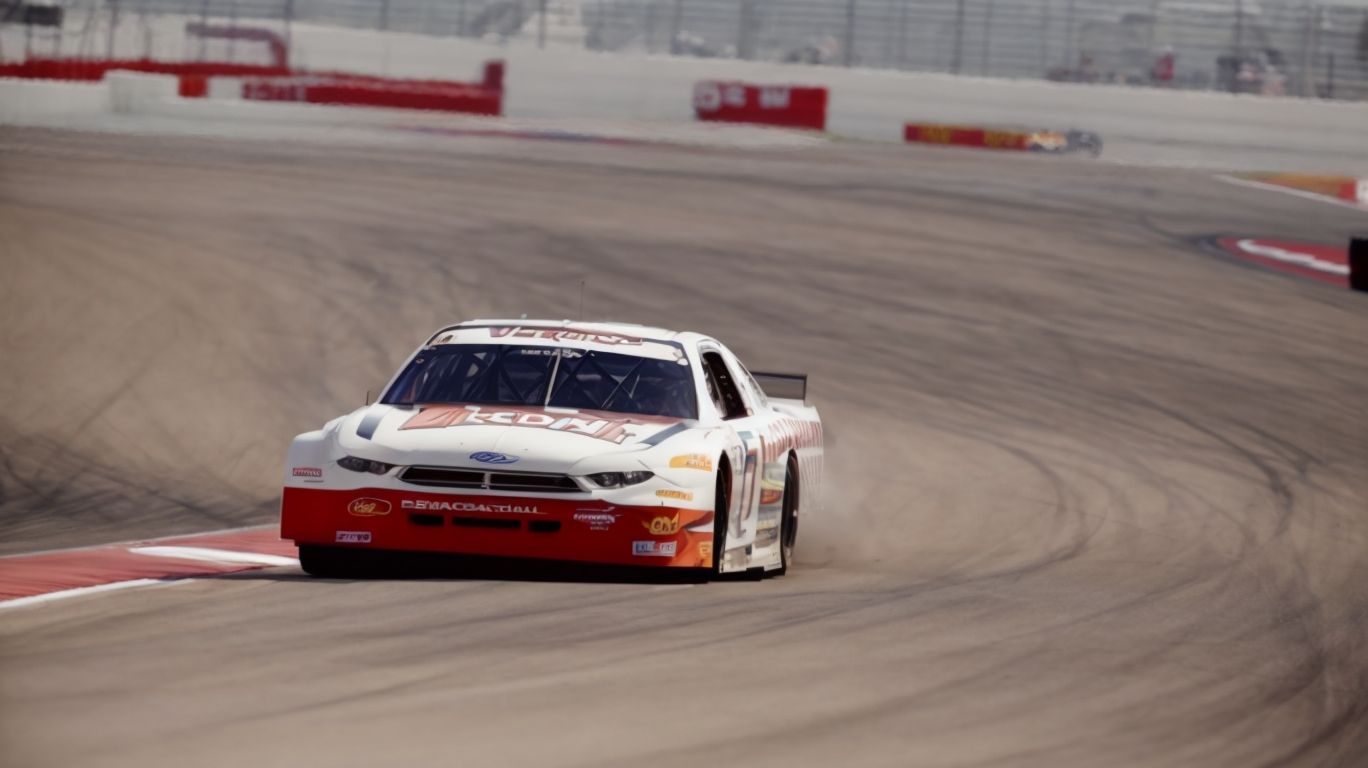
Why Are Nascar Cars So Fast?
Nascar has always been synonymous with speed and adrenaline-pumping races. But have you ever wondered what makes Nascar cars so fast? In this article, we will delve into the history of Nascar and explore the key factors that contribute to the incredible speeds achieved by these powerful machines. From engine power and aerodynamics to technology advancements and track design, we will uncover the secrets behind the speed of Nascar cars. So buckle up and get ready to discover the thrill of Nascar racing!
Key Takeaways:
1. Nascar cars are fast due to their powerful engines, aerodynamic designs, weight reduction techniques, specialized tires and suspension, fuel efficiency, and constant technological advancements.
2. High speeds are achieved through drafting, strategic track design, and efficient pit stops.
3. Racing at high speeds carries risks such as accidents, injuries, and mental and physical strain.
4. Nascar drivers prepare for high speeds through physical and mental training, as well as gaining experience through practice.
What Is Nascar?
NASCAR, the National Association for Stock Car Auto Racing, is a premier American motorsport organization known for its thrilling races and high-speed competitions since its establishment.
Founded in 1948 by Bill France Sr., NASCAR has a rich history deeply entrenched in American culture. The Daytona 500, one of the most prestigious races, has been a staple since 1959, attracting top drivers and fans from around the globe.
Over the years, NASCAR has witnessed incredible growth, with advancements in technology, safety measures, and the introduction of various series like the Xfinity Series and Camping World Truck Series. The sport’s evolution has seen legendary drivers like Richard Petty, Dale Earnhardt, and Jeff Gordon, leaving an indelible mark on NASCAR’s legacy.
History of NASCAR
The history of NASCAR traces back to the grassroots racing events in the Southeastern United States, with pioneers like Bill Elliott and iconic race tracks like Daytona and Talladega paving the way for its growth.
Starting from its humble beginnings on dusty dirt tracks in the 1940s, NASCAR has evolved into a multi-billion-dollar industry with a massive fan following.
Daytona International Speedway holds a special place in NASCAR lore, known as the ‘World Center of Racing’ and hosting prestigious events like the Daytona 500, one of the sport’s crown jewels. Over the years, legends like Richard Petty and Dale Earnhardt have left an indelible mark on NASCAR, contributing to its status as one of the most popular motorsports in America.
What Makes NASCAR Cars So Fast?
NASCAR cars achieve incredible speeds due to a combination of powerful engines, advanced aerodynamics, and cutting-edge technology that maximize their performance on the track.
In the world of NASCAR racing, the engine serves as the heart of these lightning-fast machines. The high-powered V8 engines generate a massive amount of horsepower, propelling the cars down the straightaways at mind-blowing speeds. The sleek aerodynamic designs of NASCAR vehicles play a crucial role in reducing drag and improving downforce, allowing the cars to slice through the air with minimal resistance.
Technological innovations further enhance the performance of NASCAR cars. Advanced computer simulations, wind tunnel testing, and telemetry systems provide teams with valuable data to fine-tune every aspect of the vehicle, from suspension settings to tire pressures.
Engine Power
The engine power of NASCAR cars, boasting impressive horsepower figures and fueled by high-octane gasoline, is meticulously optimized by skilled engineers to deliver exceptional acceleration and performance on the track.
One of the cornerstones of a successful NASCAR vehicle is the horsepower it produces. This metric signifies how much work the engine can do in a given time, ultimately determining the speed and acceleration of the car. Fuel efficiency is equally crucial, as cars need to balance power output with the duration they can sustain high speeds without refueling. Skilled engineers play a crucial role in fine-tuning the engine to extract optimal performance, constantly seeking innovations to gain a competitive edge on race day.
Aerodynamics
Aerodynamics play a crucial role in NASCAR cars, with specialized designs reducing drag, maximizing downforce, and improving handling through features like carbon fiber seats that enhance driver safety and performance.
The reduction of drag is essential for NASCAR vehicles as it allows them to cut through the air more efficiently, resulting in higher speeds on the track. By integrating advanced materials like carbon fiber seats, NASCAR teams can enhance both safety and speed, providing drivers with a lightweight yet incredibly strong seating option.
Plus reducing drag, NASCAR vehicles aim to maximize downforce, which pushes the car onto the track, improving tire grip and overall stability during high-speed maneuvers. These design elements contribute significantly to the handling and performance of the vehicle, ensuring that drivers have optimum control in every race.
Weight Reduction
Weight reduction strategies in NASCAR cars focus on maximizing energy efficiency, improving handling, and optimizing performance by minimizing excess weight through innovative materials and design techniques.
Reducing weight in a NASCAR vehicle is not just about shedding a few pounds; it’s a meticulous process that can make or break a race. The concept of lightweighting is crucial as it directly impacts the vehicle’s ability to accelerate, corner, and stop efficiently. By integrating advanced materials like carbon fiber, titanium, and aluminum, engineers can achieve the delicate balance between durability and weight savings.
The handling of a race car is highly dependent on its weight distribution. A lighter car can respond more swiftly to driver inputs, making it easier to navigate tight turns and maintain control at high speeds. This directly translates to improved lap times and a competitive edge on the track.
Tires and Suspension
The tires and suspension systems of NASCAR cars undergo rigorous testing and tuning to ensure optimal grip, handling, and rotation, essential for navigating high-speed corners and maintaining stability on the track.
In the high-octane world of NASCAR racing, where split-second decisions can make or break a race, having the right tires and suspension setup is crucial for a driver’s success. Regarding optimizing grip on the track, every detail matters, from the tire compound and tread pattern to the suspension geometry and setup.
The ability of a car’s suspension to effectively absorb bumps and maintain control over rough surfaces is what separates the winners from the rest. A well-tuned suspension system not only enhances the car’s overall handling characteristics but also plays a vital role in ensuring a smooth ride, keeping the driver comfortable and focused during intense racing scenarios.
Fuel Efficiency
Fuel efficiency is a key focus in NASCAR, with advanced technologies maximizing kinetic energy recovery, optimizing power delivery, and reducing the environmental impact of high-speed racing.
These technological advancements not only improve the performance of the cars on the track but also align with the growing emphasis on sustainability in the automotive industry. By efficiently harnessing and utilizing kinetic energy during races, teams can extract every ounce of power and speed, while simultaneously minimizing fuel consumption and emissions. This dual benefit of enhanced performance and reduced environmental footprint underscores the crucial role that fuel efficiency plays in modern motorsports.
Technology Advancements
NASCAR continually pushes the boundaries of technology with innovations that harness principles like special relativity, enabling faster speeds, enhanced safety features, and groundbreaking advancements in stock car performance.
Special relativity, a concept first proposed by Albert Einstein, has revolutionized not only the realm of astrophysics but also the world of motorsports. The application of special relativity in NASCAR has led to the development of advanced aerodynamic solutions and cutting-edge materials that have significantly improved the performance of stock cars on the track.
The focus on safety in NASCAR has been paramount, with technological innovations like impact-absorbing barriers, high-tech driver helmets, and state-of-the-art safety harness systems setting new standards for driver protection. These advancements have not only saved lives but also enhanced the overall spectator experience by minimizing the risks involved in competitive racing.
Regarding performance breakthroughs, technology has played a pivotal role in optimizing engine efficiency, streamlining vehicle design, and enhancing tire performance. The use of data analytics, real-time telemetry, and simulation technologies has allowed NASCAR teams to fine-tune every aspect of their cars, giving them a crucial edge in this highly competitive sport.
How Do NASCAR Cars Achieve High Speeds?
NASCAR cars reach high speeds through strategic drafting techniques, optimal track designs that enhance racing dynamics, and efficient pit stops that minimize time off the track, ensuring continuous momentum.
One of the key aspects of NASCAR cars achieving these remarkable speeds is the art of drafting. This technique involves drivers strategically positioning their cars behind another to take advantage of reduced air resistance, significantly boosting speed without expending extra energy.
Track configurations play a vital role in the equation. The layout of a NASCAR track, including the banking angles, straight lengths, and overall design, can either facilitate or hinder speed accumulation. Well-designed tracks with long straights and high-degree banked turns allow drivers to maintain higher speeds through corners, enhancing overall performance.
Drafting
Drafting in NASCAR involves drivers strategically maneuvering behind one another to reduce air resistance, increase speed, and create opportunities for overtaking while minimizing collisions and maximizing aerodynamic advantages.
When drivers exploit the technique of drafting, they can significantly enhance their overall performance on the track. By closely tailing the car in front, the trailing driver can benefit from reduced drag, thanks to the lead car creating a smoother path through the air. This reduction in air resistance allows the following driver to achieve higher speeds without expending as much energy.
These gained speeds not only help in straightaways but can also be crucial in the lead-up to turns, giving the drafting driver a potential edge when approaching corners. Drafting enables a strategic gameplay element, as drivers can choose when to make their move and strategically plan their overtaking maneuvers. This calculated approach can be the difference between success and falling back in the pack.
Track Design
The design of NASCAR tracks, featuring varying degrees of banking and challenging turns, subjects drivers to intense G-forces that demand precise control, skillful navigation, and strategic positioning for optimal performance.
These tracks are not just pieces of asphalt and concrete; they are battlegrounds that test the limits of human and machine capabilities. The banking angles play a crucial role, impacting the speed at which drivers can navigate corners and generate downforce. The higher the banking angle, the greater the centripetal force pushing the car into the track, enhancing grip but requiring immense skill to maintain control.
Pit Stops
Pit stops in NASCAR races are essential for refueling, tire changes, and adjustments, with the presence of SAFER barriers enhancing driver safety by minimizing impact forces during on-track incidents.
During a typical NASCAR race, a pit stop is not merely a break in the action; it’s a well-choreographed performance that can make or break a driver’s chances of victory. The pit crew’s efficiency in fueling the car, changing tires, and making quick adjustments can shave precious seconds off a driver’s lap times, potentially catapulting them to the front of the pack. The tire management strategy plays a crucial role in maximizing performance and ensuring longevity throughout the race.
What Are the Risks of Driving a NASCAR Car at High Speeds?
Driving a NASCAR car at high speeds poses risks such as accidents, exposure to intense G-forces, and the critical importance of safety features like carbon fiber seats and 5-point harnesses to protect drivers from potential collisions.
When hurtling around the track at speeds exceeding 200 miles per hour, NASCAR drivers are constantly pushing the limits of both man and machine. The thrill of speed is ever-present but so are the dangers that come with it. A split-second misjudgment, a mechanical failure, or a sudden change in track conditions can result in a catastrophic accident.
These high-speed collisions can subject drivers to extreme G-forces, exerting tremendous pressure on their bodies, particularly the neck and head. The intense G-forces experienced during high-speed turns, accelerations, and decelerations can lead to physical strain and potential injuries. The human body is not naturally equipped to withstand such forces for prolonged periods.
Accidents and Injuries
Accidents in NASCAR racing can result in severe injuries due to high-speed crashes, emphasizing the importance of safety protocols, driver training, and vehicle design in minimizing the impact of on-track incidents.
When drivers strap into their powerful machines, they are acutely aware of the risks involved in NASCAR racing. These high-speed spectacles require split-second decision-making and nerves of steel, making accidents a looming threat. Thanks to meticulous safety precautions implemented by NASCAR, such as the development of the SAFER barrier and mandatory safety gear, drivers are better equipped to handle crashes. Continuous advances in vehicle safety standards, including reinforced chassis and impact-absorbing materials, play a crucial role in reducing the severity of collisions and protecting the lives of these daring athletes.
Mental and Physical Strain
The mental and physical strains of NASCAR racing, particularly in stock Camaros and Mustangs, require drivers to withstand intense G-forces, maintain focus, and endure long races with precision and resilience.
Imagine hurtling around a racetrack at speeds reaching up to 200 mph, feeling the tremendous pressure of G-forces pushing you against the seat as you navigate the twists and turns with split-second precision. The human body faces immense challenges, enduring forces that can exceed three times its own weight, demanding exceptional physical conditioning and mental fortitude that few sports can rival.
Plus the physical demands, the mental aspect is equally intense. Drivers must maintain unwavering focus for hours on end, reacting swiftly to changing conditions and potential hazards while pushing themselves and their machines to the limit. This level of concentration and endurance is a testament to the skill and dedication required to excel in the highly competitive world of NASCAR racing.
How Do NASCAR Drivers Prepare for High Speeds?
NASCAR drivers undergo rigorous physical training, mental conditioning, and extensive practice sessions to prepare themselves for the high speeds, demanding tracks, and intense competition in the world of NASCAR racing.
Physical fitness plays a crucial role in a NASCAR driver’s ability to endure grueling races that can last for hours under extreme conditions. Utilizing custom workout routines and focusing on cardiovascular endurance and strength training are essential components to withstand the physical demands of driving at high speeds.
Mental preparation is another key aspect of a driver’s training regimen. Drivers often practice visualization techniques to mentally rehearse different race scenarios and sharpen their focus during high-pressure situations on the track.
Moreover, practice sessions are critical for honing driving skills and familiarizing oneself with the intricacies of each track. Through countless laps and simulated race scenarios, drivers fine-tune their reflexes, adapt to different track conditions, and analyze data to optimize performance on race day.
Physical Training
Physical training for NASCAR drivers focuses on building endurance, strength, and resilience to withstand high G-forces, long races, and potential collisions, ensuring peak performance on the track.
Endurance development plays a crucial role in the conditioning of NASCAR drivers, as they must sustain high-intensity efforts throughout lengthy races. This includes cardiovascular training, such as long-distance running or cycling, to enhance their aerobic capacity. Strength training forms another cornerstone, enabling drivers to maneuver their cars effectively and maintain control at high speeds.
Injury prevention is paramount to keep drivers safe and competitive. Techniques like core stabilization exercises and neck strengthening are often incorporated to minimize the risk of strains and injuries that can occur during sudden impacts or prolonged exposure to G-forces.
Mental Training
Mental training in NASCAR involves enhancing focus, reaction times, and decision-making skills to navigate high-speed corners, manage energy levels effectively, and maintain composure during intense racing situations.
NASCAR drivers utilize a range of mental preparation techniques to stay at the top of their game. One essential aspect is meditation, which helps them center their minds and block out distractions before hitting the track. Visualization exercises also play a crucial role, allowing drivers to mentally rehearse each turn, anticipate challenges, and fine-tune their racing line. Breathing techniques are employed to regulate stress levels, helping drivers stay calm and focused amidst the adrenaline rush of each race.
Practice and Experience
Practice and experience are essential for NASCAR drivers to familiarize themselves with track nuances, refine racing techniques, and showcase their skills to spectators and speed lovers who admire the thrill of competitive racing.
Track familiarity allows drivers to anticipate corners, understand the best racing lines, and make split-second decisions while hurtling down the straightaways. With every lap, drivers gain a deeper understanding of how their car will handle in different scenarios. This not only enhances their skillset but also boosts their confidence on race day, making them more daring and calculated in their maneuvers. Fans play a crucial role too – their cheers and support inject an extra dose of adrenaline into drivers, pushing them to perform at their absolute best.
Frequently Asked Questions
Why Are Nascar Cars So Fast?
1. What makes Nascar cars so fast compared to regular cars?
Nascar cars are specifically designed and built for speed, with lightweight materials and powerful engines that can reach speeds of up to 200 mph.
2. How do Nascar teams achieve such high speeds on the track?
Nascar teams spend countless hours in research and development to fine-tune every aspect of the car, including aerodynamics, engine performance, and tire grip, to maximize speed on the track.
3. Are there any restrictions on Nascar cars that limit their speed?
While there are certain rules and regulations that all Nascar teams must follow, the cars are allowed to reach their maximum potential in terms of speed. This creates a competitive environment and pushes teams to constantly innovate and improve their cars.
4. What role does the engine play in making Nascar cars so fast?
Nascar cars are equipped with high-performance, V8 engines that can produce over 850 horsepower. These engines are built to be strong and durable, allowing them to maintain high speeds for long periods of time.
5. How do Nascar drivers handle the high speeds of their cars?
Nascar drivers undergo extensive training and must possess exceptional reflexes and control to handle the high speeds of their cars. They also have safety equipment, such as roll cages and harnesses, to protect them in case of accidents.
6. Is it just the cars that make Nascar races fast, or are there other factors involved?
Nascar races take place on specially designed tracks that also contribute to the high speeds. These tracks have wide, banked turns and long straightaways that allow for top speeds. Additionally, the competitive nature of Nascar racing pushes drivers to constantly push the limits and go faster.