Why is Nascar Red Flagged?
Have you ever wondered what happens when a red flag is waved during a Nascar race?
Red flags are raised for various reasons, such as inclement weather, major accidents, or track debris. But what exactly occurs when a red flag is in effect?
During this time, cars must stop on the track, drivers can exit their vehicles, and teams can work on their cars. Safety precautions are also taken, with fire extinguishers, medical personnel, and emergency equipment on standby.
After the red flag is lifted, the race restarts, damaged cars are repaired, and drivers must get back into position. If you’re curious to learn more about the ins and outs of a red flag in Nascar, keep reading.
Key Takeaways:
What Is A Red Flag In Nascar?
A red flag in NASCAR is a signal used to halt a race due to dangerous conditions or incidents on the track.
Red flags are essential safety measures that aim to protect drivers, crew members, and spectators from potential harm. They are typically displayed when there is a severe accident, debris scattered across the track, or adverse weather conditions that make racing unsafe. The decision to deploy a red flag is made by race officials to ensure everyone’s safety.
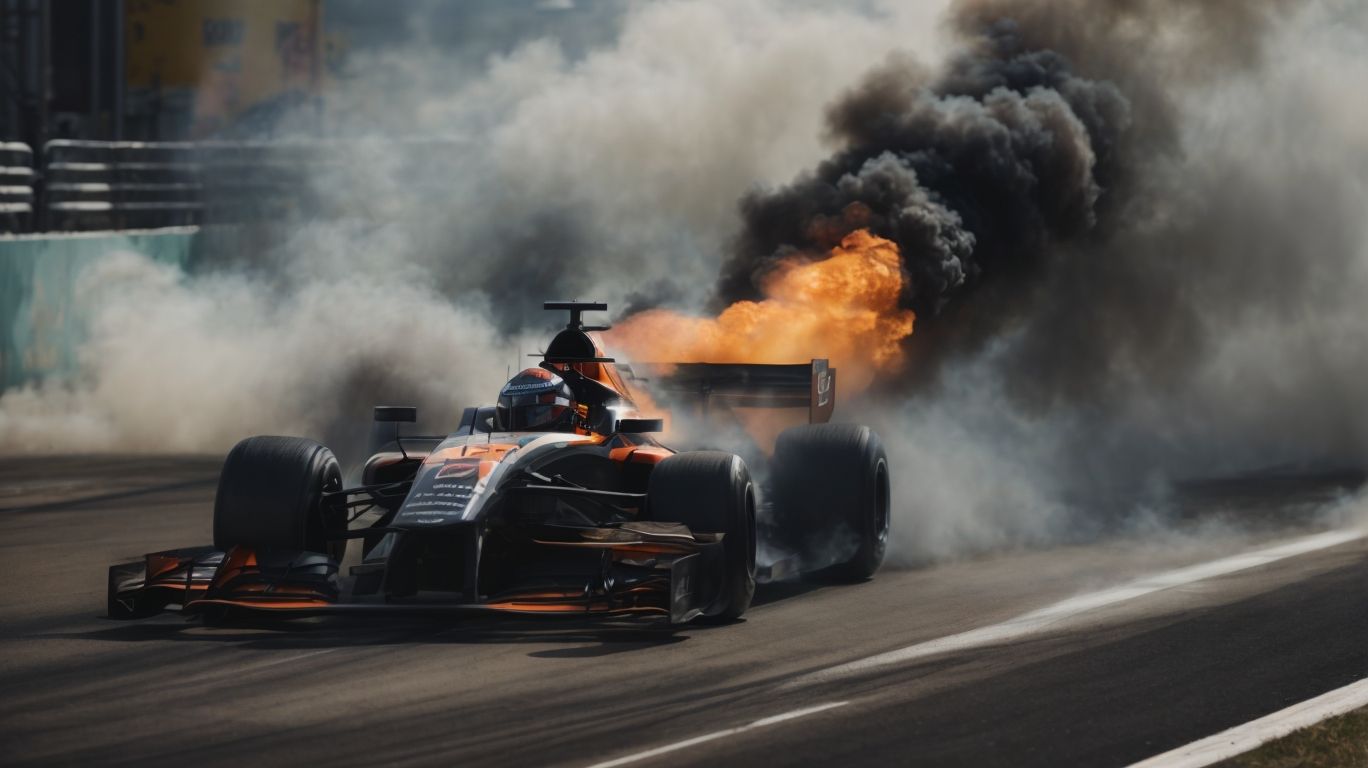
One notable incident involving a red flag occurred during the 2020 Daytona 500 when a fiery wreck involving Ryan Newman led to a lengthy red flag period for track cleanup and repairs. This highlighted the importance of swift and effective response in ensuring the well-being of all involved in NASCAR races.
When Is A Red Flag Used In Nascar?
A red flag in NASCAR is utilized in specific situations requiring the suspension of a race for safety reasons.
These situations can range from major accidents on the track where immediate medical attention or cleanup is necessary to inclement weather conditions, such as heavy rain or lightning, posing risks to drivers and spectators alike. The presence of track debris, like oil spills or loose parts from damaged cars, can prompt officials to display the red flag, ensuring a temporary halt in racing activities until the situation is under control.
Inclement Weather
Inclement weather can lead to a red flag in NASCAR races, as safety concerns necessitate pausing the event until conditions improve.
One memorable incident occurred during the 2015 NASCAR Sprint Cup Series race at Pocono Raceway, where heavy rain caused a significant delay. The red flag was displayed as standing water on the track posed a serious threat to driver safety.
In another instance at the 2020 Daytona 500, the race was interrupted by rain showers, leading to multiple red flags. The decision was made to halt the race to prevent accidents on the slick track surface.
Major Accidents
Major accidents involving multiple cars can trigger a red flag in NASCAR races to allow for the safe clearance of debris and attend to any injured drivers.
When a red flag is shown, cars must come to a complete stop on the track, and team personnel are not permitted to work on the cars during this period. This ensures that the track is clear and safe for the cleanup crews.
One notable incident was the 2020 Daytona 500, where a fiery crash involving several cars led to a red flag being waved. The interruption lasted for over 20 minutes as the track was cleared of debris. Such incidents not only impact the flow of the race but also heighten the awareness of safety measures in NASCAR.
Track Debris
The presence of track debris, such as car parts or fluids, can necessitate a red flag in NASCAR to ensure the track is clear and safe for drivers to continue racing.
Track debris poses serious risks to the safety of NASCAR drivers and can significantly impact race dynamics. Fragments of car parts scattered on the track at high speeds can puncture tires or cause mechanical failures, leading to dangerous situations. Fluids spilled on the racing surface can create slippery conditions, increasing the likelihood of accidents.
These debris incidents often result in caution flags being waved, slowing down the race and disrupting the flow of competition. In extreme cases, where debris is widespread or poses immediate danger, race officials may opt for a red flag scenario. This involves halting the race to allow track maintenance crews to clear the debris efficiently.
What Happens During A Red Flag In Nascar?
When a red flag is issued in NASCAR, cars must come to a complete stop on the track, drivers can exit their vehicles, and teams are allowed to work on the cars.
During a red flag situation, the safety of all individuals involved is paramount. Drivers must remain alert and follow instructions from race officials. Team crews quickly spring into action, making necessary repairs or adjustments to the cars to ensure peak performance once the race resumes. Officials monitor the track conditions closely, coordinating with safety personnel to address any hazards promptly. Notable instances of red flags being enforced include the 2020 Daytona 500 when rain halted the race temporarily, and the 2012 Talladega race where a massive crash required extensive clean-up.
Cars Must Stop On The Track
During a red flag period in NASCAR, all cars participating in the race are required to come to a complete stop at a designated location on the track.
This precaution is crucial as it ensures the safety of both drivers and track personnel by preventing cars from moving unpredictably. When the red flag is waved, drivers must follow the pace car to the predetermined stopping point. Once stationary, crews are instructed to power down their vehicles and remain inside until further instructions. This organized process minimizes chaos and potential accidents on the track. An exemplar instance of this orderly conduct was showcased during the 2020 Daytona 500 when all drivers efficiently halted their cars on Turn 3 after the red flag was displayed due to a major crash.
Drivers Can Exit Their Cars
One of the permissions granted during a red flag in NASCAR is for drivers to safely exit their vehicles and await further instructions from race officials.
Allowing drivers to exit their cars during a red flag period in NASCAR is a safety measure designed to protect drivers in case of emergencies or accidents on the track. This protocol enables drivers to get out of harm’s way and stay clear of any potential dangers on the racing surface. By having drivers exit their vehicles, race officials can easily communicate with them and provide instructions on how to proceed, ensuring a coordinated and efficient response to any incidents that may occur.
Teams Can Work On Cars
Teams in NASCAR are permitted to conduct repairs and adjustments on their cars when a red flag is displayed, ensuring that the vehicles are race-ready once the event resumes.
It’s important to note that there are specific regulations and restrictions in place governing the activities that teams can undertake during this break.
- While teams can fix certain issues and make adjustments to improve performance, there are limitations on the extent of the repairs allowed.
- The role of pit crews becomes crucial during this time as they work swiftly to address any mechanical issues and get the car back on track as soon as possible.
These quick repairs can often make a significant impact on the outcome of the race, as teams strive to optimize their car’s performance and maintain their competitive edge.
How Long Does A Red Flag Last In Nascar?
The duration of a red flag in NASCAR can vary depending on the reason for the stoppage, with officials aiming to resolve the safety issue promptly to resume the race.
One of the primary factors influencing the length of red flag periods is the severity of the incident that caused the stoppage. For instance, a multi-car pileup may require more time for cleanup and potential repairs to the track, extending the duration of the red flag. The location of debris or fluid spills on the track can impact how quickly officials can make the area safe for drivers to continue racing.
In the past, we’ve seen races where red flags lasted anywhere from a few minutes to over an hour. The 2020 Daytona 500, for example, faced a lengthy red flag of over two hours following a major crash involving several cars. On the other hand, the red flag at the 2019 Coke Zero Sugar 400 was much shorter, lasting around 12 minutes due to a smaller incident that required minimal cleanup.
What Are The Safety Precautions During A Red Flag?
During a red flag in NASCAR, safety measures include having fire extinguishers on hand, medical personnel on standby, and emergency equipment readily available to address any potential hazards.
Track officials ensure that all safety barriers are in place and are regularly inspected for any damage. Communication systems are tested and functioning properly to relay important information to drivers and teams. Marshals are strategically positioned around the track to respond quickly to any incidents that may occur.
Driver briefings before races reinforce the importance of following safety protocols, and teams conduct regular drills to practice their response in emergency situations. These comprehensive measures aim to minimize risks and ensure the safety of everyone involved in NASCAR events.
Fire Extinguishers Must Be On Hand
One crucial safety requirement during a red flag in NASCAR is to have fire extinguishers readily accessible to address any potential fires or hazards on the track.
This protocol ensures that in the event of a fire breaking out, the response is swift and effective. Fire extinguishers play a vital role in mitigating the risk of fire-related incidents by allowing track personnel to quickly intervene and suppress flames before they escalate. In the high-speed, high-stakes environment of NASCAR racing, where cars are filled with flammable fuels, having fire extinguishers at the ready can be a lifesaving measure. These extinguishers are strategically placed across the track, give the power toing officials to tackle any fires promptly and efficiently.
Medical Personnel Must Be On Standby
Having medical personnel on standby is a critical safety precaution during a red flag in NASCAR to provide immediate medical assistance to any injured drivers or personnel.
When a red flag is raised during a NASCAR race, the entire track comes to a halt, indicating a serious incident has occurred. This is when the medical teams spring into action, equipped with specialized training and state-of-the-art medical equipment ready to respond swiftly. Every second counts in such scenarios, and the medical professionals play a crucial role in assessing the situation, providing first aid, stabilizing the injured, and facilitating timely transport to the nearest medical facility if required. The efficiency and readiness of these teams can make a significant difference in the outcome for those involved in racing incidents.
Emergency Equipment Must Be Ready
Ensuring that emergency equipment is readily available and functional is essential during a red flag in NASCAR to address any track-related emergencies promptly and effectively.
Preparedness in NASCAR racing is not just about the speed of the cars on the track; it also involves the rapid response to unforeseen incidents that may occur during the race. With the high speeds and close proximity of the cars, accidents can happen in the blink of an eye, necessitating immediate assistance. Proper maintenance of emergency equipment such as fire extinguishers, medical kits, and safety barriers is crucial to ensure that any potential safety hazards are swiftly dealt with.
What Happens After A Red Flag In Nascar?
Following the conclusion of a red flag period in NASCAR, cars restart the race, damaged cars undergo repairs, and drivers resume their positions to resume competitive racing.
Once the red flag is lifted, signaling an end to the temporary race suspension, the cars carefully come back to life on the track. The drivers must skillfully navigate the restart process, ensuring they maintain their strategic positions amidst the chaotic flurry of action. Simultaneously, the pit crews spring into action, frantically working to repair any damage sustained during the tumultuous events that led to the red flag period. These repairs can range from fixing bodywork to mending mechanical issues, all in a bid to get the cars back in optimum racing condition.
As the damaged vehicles are tended to, the drivers patiently await instructions on where to rejoin the race. NASCAR officials ensure a fair repositioning of the drivers, considering factors such as the order of cars exiting pit lane and any penalties incurred during the red flag period. This meticulous process aims to restore the competitiveness of the field while maintaining the safety and integrity of the race.
Cars Restart The Race
Once the conditions are deemed safe, cars in NASCAR races restart after a red flag period, resuming competitive racing under controlled circumstances.
Before the restart, NASCAR officials communicate with teams to provide clear instructions and update them on the race status. Drivers must line up in the correct order, following protocols to maintain fairness and safety.
Safety personnel check the track conditions and ensure all safety equipment is in place before signaling the restart.
Once the signal is given, cars slowly roll off pit road and return to racing speed gradually. It’s crucial for drivers to adhere to the rules and regulations during the restart process to prevent any incidents and maintain a smooth resumption of the race.
Damaged Cars Must Be Repaired
Teams in NASCAR races are tasked with repairing any damage sustained by their cars during the red flag period to ensure the vehicles are race-ready for the restart.
Pit crews play a pivotal role in this high-pressure scenario, where seconds can make a significant difference in race outcomes. These crews consist of specially trained technicians who swiftly assess and address any issues, orchestrating a synchronized dance of skill and precision. Every member of the crew has a specific task, from replacing damaged components to fine-tuning crucial settings. The efficiency of the pit crew not only impacts the car’s performance but also influences the team’s overall standing in the race. Speed, coordination, and expertise are paramount as they work diligently to restore the vehicle to optimal racing condition before the action resumes.
Drivers Must Get Back Into Position
Drivers participating in NASCAR events must reposition themselves according to race rules and directives after a red flag period to prepare for the race restart.
When a red flag is displayed, drivers are required to slow down and proceed to a designated area on the track known as the ‘Red Flag Lineup.’ Here, they line up based on their position at the time of the red flag, maintaining the order of cars on the track. It is crucial for drivers to pay close attention to instructions from race officials and adhere to the indicated lineup to ensure a smooth and fair restart. Any deviations can lead to penalties, impacting the competitive nature of the race. Once the track is cleared and the race is set to resume, drivers must follow the procedures outlined by NASCAR to return to their original positions before getting back up to speed.
Frequently Asked Questions
Why is Nascar Red Flagged?
Nascar races are red flagged for a variety of reasons, including extreme weather, accidents, and debris on the track.
What is a red flag in Nascar?
A red flag in Nascar is a signal used to pause or stop a race due to unsafe conditions on the track.
Can a red flag end a Nascar race?
Yes, if the conditions are deemed too unsafe to continue, a red flag can end a Nascar race.
How long does a red flag last in Nascar?
The length of a red flag in Nascar can vary depending on the reason for the pause, but it typically lasts anywhere from 10 to 30 minutes.
What happens during a red flag in Nascar?
During a red flag, cars must stop on the track and drivers are not allowed to make any repairs or adjustments to their cars.
Is a red flag used in all Nascar races?
No, a red flag is only used when necessary in Nascar races to ensure the safety of the drivers and other track personnel.