How Long Do Nascar Engines Last?
Nascar engines are known for their power and performance on the track, but have you ever wondered how long these engines can actually last?
We will explore the lifespan of Nascar engines and what factors can affect their longevity. From the differences between Nascar engines and regular car engines, to the signs that indicate a Nascar engine may need to be rebuilt, we will cover it all.
Buckle up and let’s dive into the world of Nascar engines!
Key Takeaways:
What Are Nascar Engines?
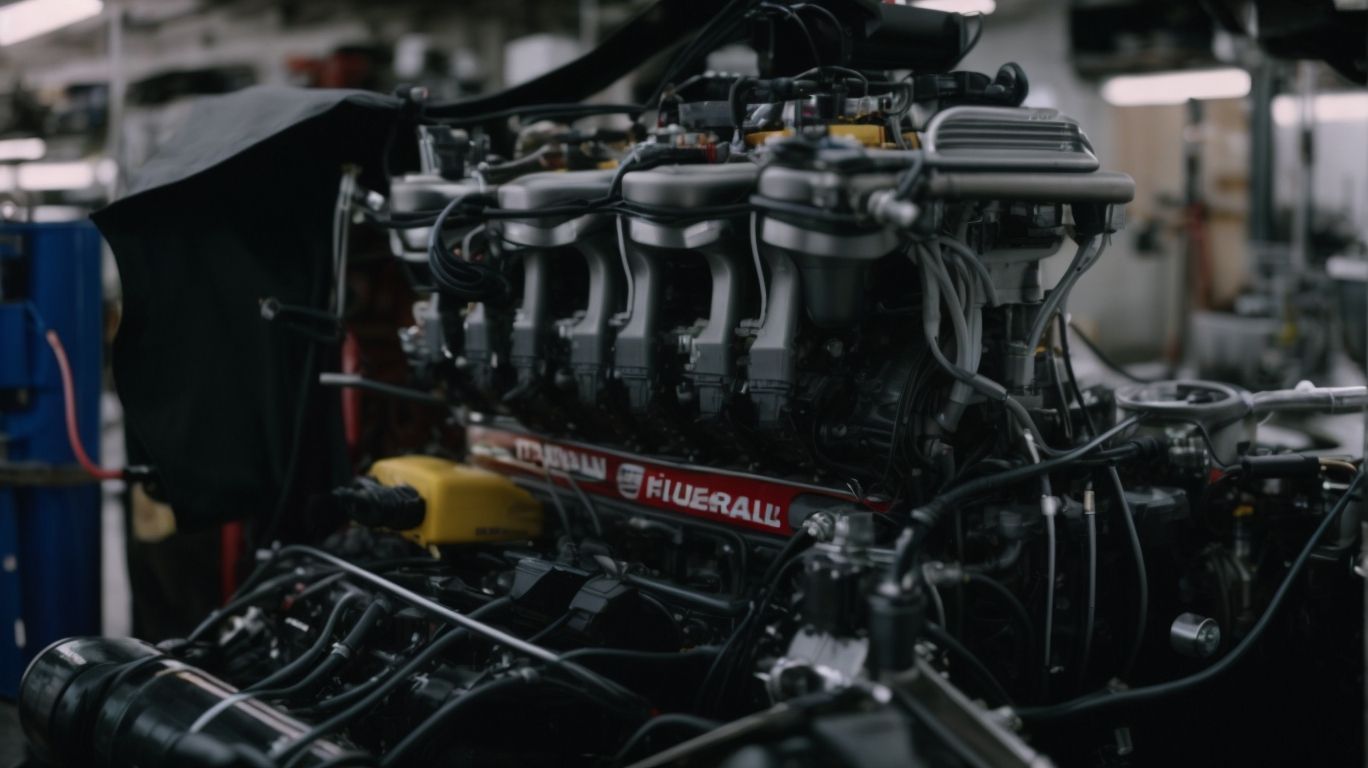
NASCAR engines are high-performance powerhouses designed for competitive racing, typically featuring V-8 configurations with either pushrod or overhead cam designs.
These specialized engines are meticulously crafted to deliver remarkable power output and endurance on the demanding racetracks. The V-8 layout, known for its robustness and efficiency, comprises eight cylinders in a two-bank configuration, ensuring optimal balance and performance. Within this setup, the camshaft, whether positioned overhead or operated via pushrods, plays a crucial role in controlling the opening and closing of the intake and exhaust valves.
The camshaft configuration directly influences engine performance, with overhead cam designs offering precise valve timing and enhanced efficiency, while pushrod systems remain favored for their compact size and reliability in harsh racing conditions. Both designs contribute significantly to the engine’s ability to generate high horsepower and torque output, essential for achieving top speeds and dominating the competition in NASCAR racing.
How Are Nascar Engines Different From Regular Car Engines?
NASCAR engines differ from regular car engines in their specialized design and performance capabilities tailored for high-speed racing in professional competitions.
One key distinction lies in the engines’ power output, with NASCAR engines producing over 850 horsepower compared to the typical car engine that generates around 200-300 horsepower. This immense power is achieved through meticulous engineering and fine-tuning of components such as the camshaft, intake manifold, and specially tuned exhaust systems.
In addition, NASCAR engines are designed with durability and reliability in mind, as they must withstand the rigorous demands of long races without compromising performance. Each NASCAR engine is custom-built by manufacturers like Chevrolet, Ford, and Toyota, showcasing unique design philosophies that cater to different racing strategies and track conditions.
What Factors Affect The Lifespan Of A Nascar Engine?
Several factors influence the lifespan of a NASCAR engine, including the horsepower output, the development work done by companies like ECR Engines, and the power demands of the racing environment.
One of the critical aspects impacting the endurance of a NASCAR engine is the horsepower levels it operates at. The higher the horsepower, the more stress and strain the engine endures during races, affecting its overall longevity. Companies such as ECR Engines play a pivotal role in advancing engine technology, constantly striving to enhance performance and durability. These developments are crucial in meeting the rigorous power requirements of competitive racing, where every bit of speed and reliability can make a significant difference on the track.
Engine Type
The engine type plays a crucial role in determining the performance and durability of a NASCAR engine, with factors such as the number of cylinders and valve configuration influencing its power output.
Engine technology in NASCAR is a blend of precision engineering and performance optimization. In terms of cylinder count, a higher number, such as the V8 seen in many NASCAR engines, offers enhanced power delivery and torque. The choice of valve arrangements like overhead valve (OHV) or overhead camshaft (OHC) designs can significantly impact fuel efficiency and overall engine response.
The right combination of cylinder count and valve configuration is key to achieving the ideal balance of power and fuel efficiency in a NASCAR engine. Engineers meticulously design and fine-tune these components to meet the strict performance requirements of NASCAR racing, where every fraction of a second can make a difference in securing victory.
Maintenance and Care
Proper maintenance and care are essential for preserving the performance and reliability of NASCAR engines, especially given the demanding track conditions and rigorous racing series they compete in.
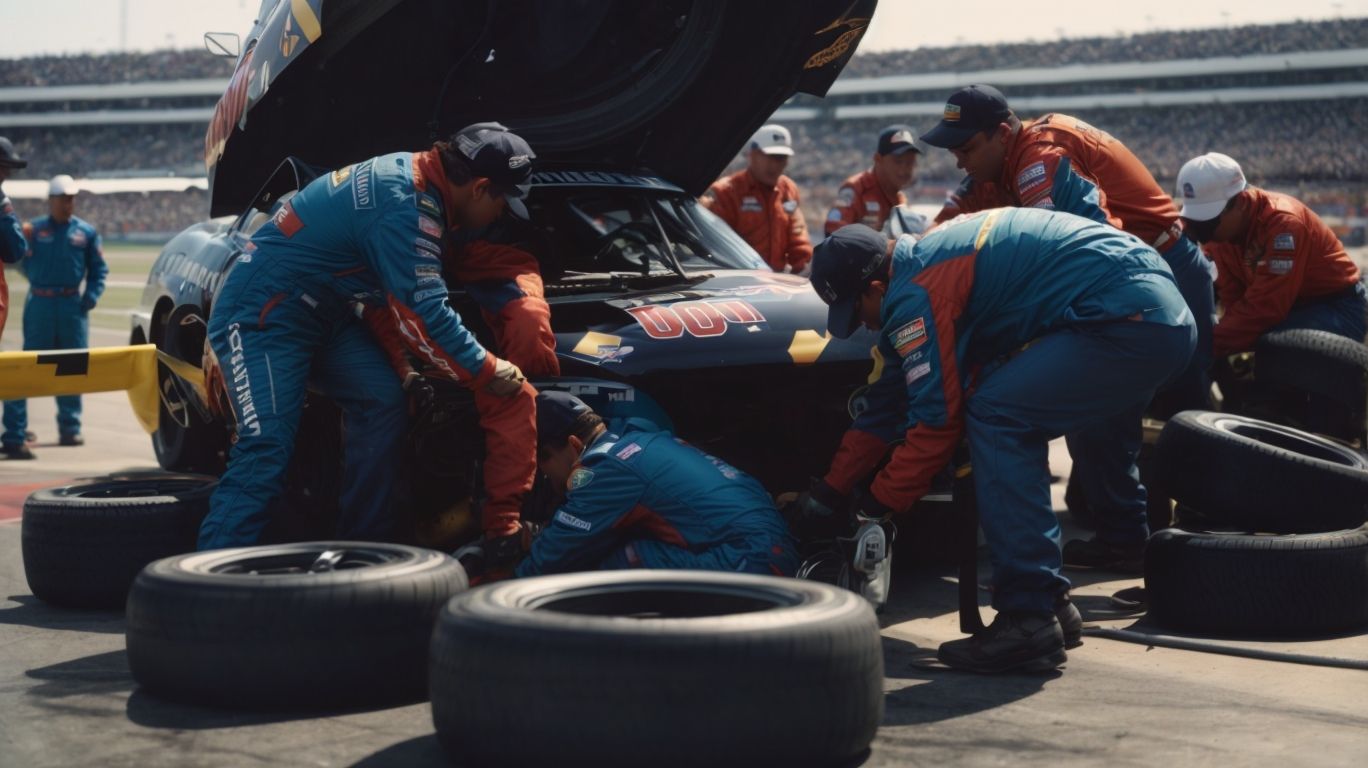
Routine maintenance tasks like regular oil changes, thorough inspections, and timely replacements of worn-out parts are crucial to ensure that the engines perform at their peak efficiency.
NASCAR engines undergo immense stress and strain during races, with factors like high speeds, temperature variations, and abrupt accelerations adding to the wear and tear.
By adhering to meticulous care routines, teams can address issues before they escalate, preventing costly breakdowns and maintaining a competitive edge on the track.
Track Conditions
The track conditions at venues like Daytona and Talladega significantly impact the performance and wear patterns of NASCAR engines, requiring teams to adapt their engine strategies accordingly.
Given the high-speed nature of tracks like Daytona and Talladega, engines endure extreme stresses due to prolonged periods at full throttle. The aerodynamics and drafting strategies specific to these tracks also affect engine performance, demanding unique tuning and setups. Teams often tweak gear ratios, fuel maps, and cooling systems to optimize power output while ensuring reliability. The high speeds result in increased wear on engine components, necessitating frequent maintenance cycles to prevent failures during intense races. Understanding these track-specific demands is crucial for NASCAR teams seeking to achieve consistent performance and longevity from their engines.
Driving Style
The driving style of NASCAR professionals directly affects the stress levels placed on engines during a race, impacting both the immediate performance and long-term durability of the engine.
When drivers push their vehicles to the limit, the engine faces increased wear and tear due to higher speeds and sharper turns. The aggressive acceleration and braking of these drivers can lead to overheating or excessive strain on engine components, potentially affecting performance and reliability in the long run.
Optimal pacing and strategic choices during a race not only enhance speed but also contribute to engine longevity by minimizing abrupt stress. NASCAR drivers often fine-tune their driving techniques to strike a balance that maximizes speed while maintaining engine health.
What Is The Average Lifespan Of A Nascar Engine?
The average lifespan of a NASCAR engine varies depending on the specific racing series and the intensity of competition, with engine rebuilds and replacements occurring at strategic intervals to maintain peak performance.
In NASCAR, for example, engines are typically rebuilt after about 1,500 miles of racing due to the extreme demands placed on them during high-speed ovals and tight turns. On the other hand, in series like ARCA or lower-tier competitions, engines may last longer as the speeds and stress levels are less intense, requiring rebuilds around the 2,000-mile mark. The factors that influence the need for rebuilds include track characteristics, engine design, and adherence to maintenance schedules.
How Often Are Nascar Engines Rebuilt?
NASCAR engines undergo rebuilds periodically, with teams like Earnhardt Childress Racing relying on experts like Andrew Randolph to oversee the meticulous process of refreshing and optimizing engine performance.
Regular engine rebuilds are essential in NASCAR to maintain peak performance, as the extreme conditions of racing put immense strain on these high-powered machines.
Andrew Randolph, with his wealth of experience and technical know-how, plays a pivotal role in ensuring that the engines are not just refreshed but also finely tuned for maximum output and durability on the track.
What Are The Signs That A Nascar Engine Needs To Be Rebuilt?
Several indicators signal the need for a NASCAR engine rebuild, including loss of power, unusual noises, smoke emissions, and fluid leaks that compromise overall performance and reliability.
Loss of power in a NASCAR engine can manifest as a noticeable decrease in acceleration and top speed, impacting the vehicle’s competitiveness on the track. Unusual noises, such as knocking, ticking, or grinding sounds, can indicate internal damage or wear that necessitates attention. Smoke emissions, especially colored smoke like blue or white, often point to burning oil or coolant leakage, affecting combustion efficiency.
- Fluid leaks, when visible around the engine block or components, not only reduce the coolant or oil levels but also pose a risk of overheating or lubrication deficiencies, leading to potential catastrophic failures.
Loss of Power
A noticeable loss of power in a NASCAR engine often indicates internal issues affecting performance, prompting teams to consider a rebuild to restore optimal power output and competitiveness on the track.
Power loss in NASCAR engines can significantly impact a team’s ability to maintain top speeds, jeopardizing their position during races. When engine power diminishes, drivers may struggle to accelerate out of corners and lose crucial seconds on long straights, hindering their overall race strategy.
Timely intervention is crucial in addressing power-related issues; teams must meticulously assess engine components to identify the root cause and swiftly implement necessary rebuilds or repairs to avoid falling behind rivals on the circuit.
Strange Noises
Unusual noises emanating from a NASCAR engine can signify underlying mechanical issues that warrant attention, as these anomalies can impact engine reliability and performance during races.
Identifying and addressing these peculiar engine sounds promptly is crucial in the high-stakes world of NASCAR. Race outcomes often hinge on the performance and reliability of the vehicles, and any mechanical glitches can prove detrimental. Speed and precision are paramount on the track, and even minor disturbances can lead to significant disadvantages.
Engineers and mechanics working on these top-tier racing machines need to possess a meticulous eye for detail and a keen ear for detecting aberrations in engine sounds. Prioritizing proactive maintenance and swift diagnosis of issues can make all the difference between securing a triumphant victory or facing disappointment on the racetrack.
Smoke or Leaks
The presence of smoke or fluid leaks in a NASCAR engine indicates potential damage or internal issues that can compromise performance and safety during races, necessitating thorough inspection and potential rebuilds.
Smoke emissions, for instance, not only obscure visibility on the track but also signal underlying problems that can escalate quickly, leading to catastrophic engine failure if left unaddressed. These issues not only affect the engine’s power output but also raise concerns for driver safety, as a failed engine can result in loss of control and potentially dangerous situations on the racing circuit.
Regular maintenance and timely rebuilds are paramount to mitigate these risks, ensuring that the engine operates at peak performance levels and minimizing the chances of sudden malfunctions during high-speed racing scenarios. Proactive measures, such as monitoring fluid levels and conducting thorough inspections, are vital in detecting and resolving potential issues before they become race-day catastrophes.
Decreased Fuel Efficiency
A noticeable decrease in fuel efficiency in a NASCAR engine can signal operational inefficiencies or mechanical problems that require attention to restore optimal performance levels for competitive racing.
One key aspect of reduced fuel efficiency in a NASCAR engine is the direct impact it has on the overall race performance. When an engine is not running at its most efficient state, it can lead to increased fuel consumption rates, causing the car to make more pit stops for refueling during a race.
This not only affects the speed and agility of the car on the track but also puts additional strain on the engine components, potentially leading to long-term damage if not addressed promptly.
Regular engine rebuilds play a crucial role in optimizing fuel efficiency and maintaining peak performance, ensuring that the team remains competitive throughout the racing season.
How Can Teams Extend The Lifespan Of Their Nascar Engines?
Teams can enhance the longevity of their NASCAR engines by prioritizing regular maintenance, utilizing high-quality parts, following proper break-in procedures, and maintaining open channels of communication between drivers and engine specialists.
Regular maintenance plays a crucial role in extending the lifespan of NASCAR engines. This involves meticulous inspections, timely oil changes, and thorough cleaning to ensure optimal performance. High-quality parts are essential for durability and reliability, as substandard components can lead to premature wear and engine failures.
Proper break-in procedures are vital to establishing the foundation for long-term engine health, allowing components to settle in and operate smoothly. Effective driver-engineer communication is key to understanding engine behavior, making necessary adjustments, and achieving peak performance on the track.
Regular Maintenance
Consistent and comprehensive maintenance routines are essential for preserving the reliability and performance of NASCAR engines, particularly given the demanding nature of track conditions and race environments.
Regular maintenance in NASCAR engine care involves a meticulous approach to ensure peak performance. This includes tasks such as frequent oil changes, inspecting and replacing filters, checking spark plugs, and monitoring fluid levels. Adhering to a strict maintenance schedule is crucial to prevent potential breakdowns during races. These protocols are vital in maintaining engine efficiency and longevity amidst the challenges posed by high speeds, extreme temperatures, and varying track surfaces. By prioritizing regular maintenance, teams can optimize engine output and reliability, gaining a competitive edge in the intense world of NASCAR racing.
Quality Parts
Utilizing high-quality components and parts from reputable manufacturers like Chevrolet, Ford, and Toyota is paramount for optimizing NASCAR engine performance and durability under high-stress racing conditions.
These top-tier manufacturers have a long-standing reputation for engineering precision and reliability in their automotive components, ensuring that the engines built using their parts can withstand the rigors of intense racing environments. The high-performance demands of NASCAR racing make it crucial to choose parts that not only provide power but also resilience under extreme conditions.
From pistons to camshafts, every component plays a vital role in the overall functioning of a high-performance engine. Brands like Chevrolet, Ford, and Toyota have invested heavily in research and development to create parts that deliver exceptional performance, reliability, and consistency on the track.
Proper Break-In Procedure
Following a meticulous break-in procedure is crucial for optimizing the power output, valve functionality, and overall performance of NASCAR engines, ensuring longevity and peak efficiency on the track.
Breaking in a NASCAR engine involves gradually introducing it to operating conditions to facilitate proper wear, seal alignment, and promote essential fluid distribution. This process, typically lasting several sessions, allows components to settle and adapt to the stresses of racing, resulting in improved power delivery and reduced risk of premature failure. Implementing the prescribed steps, such as varying RPM ranges and monitoring temperatures, helps establish a strong foundation for the engine’s long-term reliability, contributing to consistent performance during races. Engine break-in procedures are essential for unleashing the full potential of NASCAR vehicles and maintaining a competitive edge on the demanding track environment.
Driver Communication
Effective communication between drivers and engine specialists is vital for diagnosing issues, refining engine performance, and fine-tuning race strategies to ensure maximum competitiveness and durability of NASCAR engines.
Clear and constant channels of communication enable drivers to provide crucial feedback on how the engine is performing on the track. This feedback exchange allows engine experts to analyze the engine’s performance data, identifying areas for improvement and adjustments. By collaborating closely and sharing insights, drivers and specialists can make informed decisions to optimize the engine’s functionality, leading to enhanced race outcomes. The shared decision-making process ensures that adjustments are made swiftly, enhancing the overall efficiency and effectiveness of NASCAR engines.
Conclusion
In conclusion, NASCAR engines represent the pinnacle of performance engineering in the racing world, blending cutting-edge technology with specialized design to deliver power, reliability, and speed on the track.
These high-performance engines are finely tuned to meet the demands of intense competition, with features such as advanced fuel injection systems, optimized airflow dynamics, and high-strength materials ensuring optimal performance under extreme conditions.
- The precision engineering of NASCAR engines enables them to generate upwards of 750 horsepower, propelling these machines to mind-boggling speeds around the racetrack.
- Manufacturers constantly push the boundaries of innovation to enhance engine output, fuel efficiency, and overall reliability, setting new benchmarks in the quest for victory.
- With each component meticulously crafted for maximum effectiveness, these engines are not only powerhouses but also exemplars of durability, withstanding the rigors of long-distance races with unwavering performance.
Frequently Asked Questions
How Long Do Nascar Engines Last?
The longevity of a Nascar engine depends on various factors such as proper maintenance, race conditions, and driver behavior. On average, a Nascar engine can last for about 1,500 to 2,500 miles.
What factors affect the lifespan of a Nascar engine?
Aside from regular maintenance, the lifespan of a Nascar engine can be affected by race conditions, such as track surface and temperature, as well as driver behavior, such as shifting and braking techniques.
Do Nascar engines need to be replaced after every race?
No, Nascar engines do not need to be replaced after every race. However, they do go through a thorough inspection and maintenance process after each race to ensure peak performance for the next race.
How often do Nascar engines need to be rebuilt?
Nascar engines are typically rebuilt after every 4-5 races. This involves replacing worn out parts and performing necessary maintenance to keep the engine running at its best.
What happens to Nascar engines after they are retired?
After being retired from racing, Nascar engines are often sold or used for display purposes. However, some teams may also keep them as backups in case of engine failure during a race.
Can Nascar engines be used in regular cars?
No, Nascar engines are highly specialized and built specifically for racing. They are not suitable for use in regular cars and cannot be easily adapted for street use.