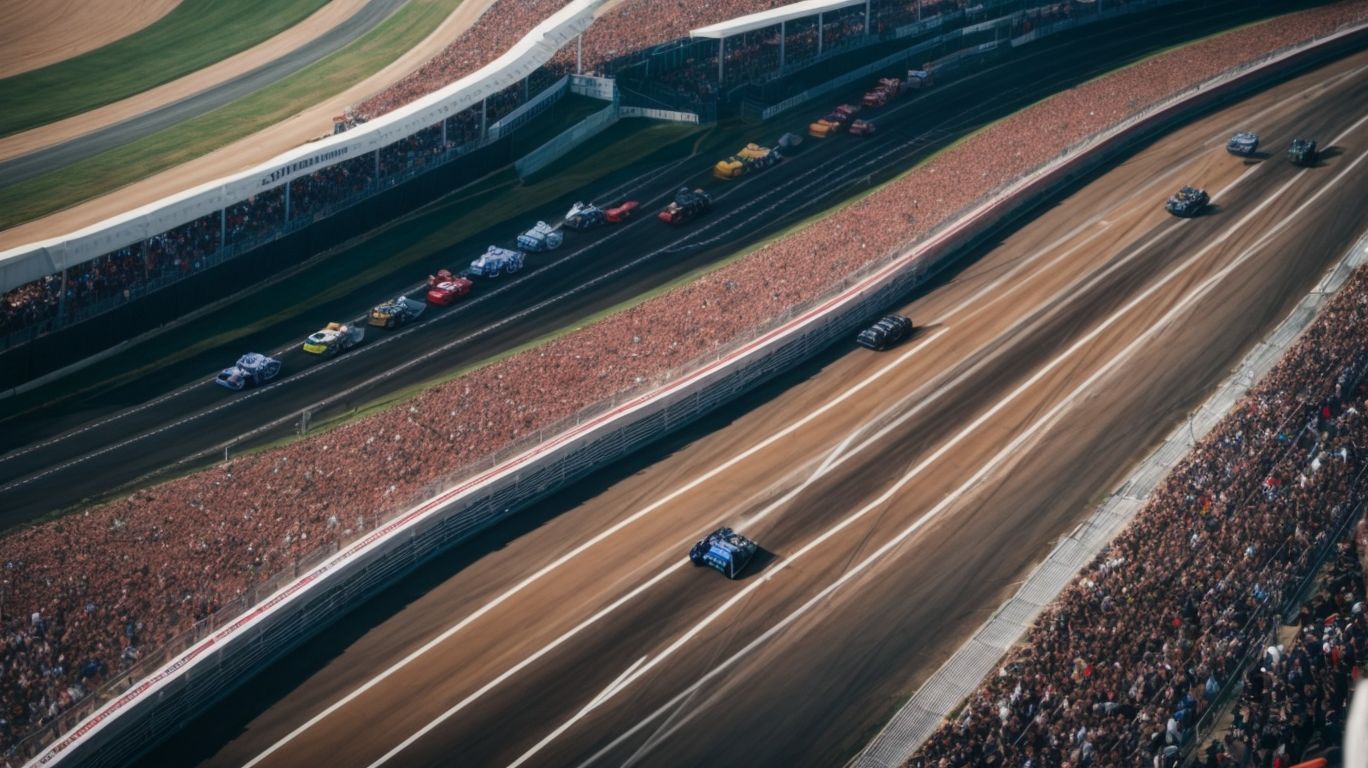
Why Nascar is Getting Kinda Weird?
Nascar, the beloved American motorsport, has a rich history filled with thrilling races, unique traditions, and controversial moments.
However, as the sport continues to evolve, some fans and drivers are starting to wonder: why is Nascar getting kinda weird?
This article explores the changes in Nascar, the controversies surrounding the sport, and what the future may hold. So buckle up and get ready to dive into the fascinating world of Nascar!
Key Takeaways:
The History of Nascar
The history of Nascar dates back to the late 1940s when stock car racing gained popularity in the United States, leading to the formation of the National Association for Stock Car Auto Racing (Nascar) in 1948.
What started as races on the beaches of Daytona and the dusty tracks of North Carolina quickly evolved into a nationally recognized sport. In the early days, Nascar races were often held on dirt tracks, attracting a loyal following of enthusiasts. As the sport grew in popularity, legendary drivers like Richard Petty and Dale Earnhardt became household names, contributing to the cultural phenomenon that Nascar would become. The introduction of sponsorships and television coverage in the 1970s further propelled Nascar into the mainstream, solidifying its status as a major player in American sports.
What Makes Nascar Unique?
Nascar stands out as a unique motorsport due to its emphasis on close racing, high-speed oval tracks, and the popularity of iconic drivers and teams within its fan base.
One of the defining characteristics of Nascar’s racing format is its competitive nature, where drivers vie for positions with intense wheel-to-wheel action, often resulting in thrilling finishes that keep fans on the edge of their seats.
These races predominantly take place on banked oval tracks, providing a fast-paced environment that demands precision, skill, and strategy from drivers to navigate the tight turns and maintain high speeds.
Nascar’s fan engagement strategies involve creating a strong bond between fans and drivers through meet-and-greets, autograph sessions, and interactive experiences, fostering a sense of loyalty and excitement among supporters.
The sport’s identity is significantly shaped by the iconic drivers and legendary teams that have left lasting impacts on Nascar’s history, contributing to its rich heritage and thrilling legacy.
What Are the Different Types of Races in Nascar?
Nascar features various race types, including oval track races, road course races, and short track events, each demanding distinct driving skills and strategies from competitors.
Oval track races are characterized by high-speed racing on circular tracks, requiring drivers to maintain consistency in making left turns. These races test drivers’ ability to navigate close quarters and maintain speed through long, sweeping turns.
Road course races, on the other hand, introduce a different challenge with sharp turns and elevation changes. Drivers must adapt their technique to a mix of left and right turns, as well as braking and accelerating through twists and turns of varying gradients.
Short track events provide a contrast to the high speeds of ovals and the technical demands of road courses. These races take place on shorter tracks, which often lead to intense bumper-to-bumper racing and frequent cautions. Drivers need to showcase agility and adaptability, as the close proximity of competitors increases the chances of contact and requires quick decision-making to navigate tight spaces.
How Has Nascar Changed Over the Years?
Over the years, Nascar has undergone significant changes in terms of competition formats, safety regulations, technology integration, and fan engagement strategies, reflecting the sport’s commitment to innovation and growth.
One of the noticeable transformations in Nascar has been the shift from traditional racing formats to more dynamic structures like the playoffs, which have added excitement and unpredictability to the races, capturing the audience’s attention.
Advancements in safety measures, such as the implementation of safer barriers, HANS devices, and enhanced car designs, have prioritized driver well-being, reducing risks on the track and ensuring a safer environment for everyone involved.
Technologically, Nascar has embraced innovations like telemetry systems, data analytics, and simulation tools, optimizing performance and enhancing the overall racing experience for both drivers and spectators.
What Are the New Rules and Regulations in Nascar?
Nascar has implemented new rules and regulations in recent years to enhance competition, improve safety standards, and increase the overall excitement of races for both fans and drivers.
One of the significant updates in Nascar involves the modification of point systems, which now award drivers according to their final finishing positions. This change has intensified the competition on the track, pushing drivers to strive for better results to earn more points.
Safety protocols have also witnessed substantial enhancements to protect drivers in case of accidents. From mandatory safety gear to improved car designs, Nascar is continuously prioritizing the well-being of its competitors.
How Has Technology Impacted Nascar?
Technological advancements have significantly influenced Nascar, leading to innovations in car design, aerodynamics, data analytics, and broadcasting capabilities, revolutionizing the way races are conducted and experienced.
One of the key areas where technology has made a substantial impact is in the realm of vehicle performance. Engineers now have access to advanced simulation tools and computational fluid dynamics software, allowing them to optimize every aspect of a car’s design for speed and efficiency.
The integration of real-time data analysis into race strategies has become a game-changer in Nascar competitions. Teams utilize predictive algorithms to make split-second decisions, such as pit stops and tire changes, based on the influx of data streaming from the cars.
On the safety front, technological innovations have led to the development of state-of-the-art driver protection features, including impact-absorbing materials, padded cockpits, and advanced helmet designs, significantly reducing the risk of serious injuries during high-speed collisions.
What Are the Controversies Surrounding Nascar?
Nascar has been no stranger to controversies, with issues ranging from rule violations and driver conflicts to disputes over race outcomes and sponsorship controversies, fueling debates within the racing community and beyond.
One of the most infamous controversies in Nascar history involved the 2013 incident where driver Danica Patrick spun out under caution at the Martinsville Speedway, causing a lot of uproar among fans and fellow racers.
The controversial finish at Talladega in 2020 triggered heated discussions regarding the officiating and fairness of the sport.
Another contentious issue revolves around the implementation of the Car of Tomorrow model, which faced backlash due to perceived lack of driver input and impact on competition.
Are There Any Safety Concerns in Nascar?
Safety concerns in Nascar have been a focal point in recent years, prompting the implementation of stringent safety measures, driver training programs, and track improvements to mitigate risks and prioritize driver well-being.
One of the crucial initiatives undertaken by Nascar to enhance safety is the introduction of advanced vehicle technologies, including energy-absorbing materials, reinforced roll cages, and improved seat designs. These innovations aim to safeguard drivers in case of high-impact crashes, reducing the likelihood of severe injuries.
Track officials have focused on enhancing track barriers, installing impact-absorbing walls, and implementing strict inspection protocols to ensure optimal track conditions. By addressing potential hazards on the track, Nascar aims to create a safer racing environment for all participants.
Has Nascar Become Too Commercialized?
The commercialization of Nascar has been a topic of debate, with discussions on the balance between sponsorships, advertising, and fan engagement, raising questions about the sport’s authenticity and its evolving relationship with corporate interests.
Among the most prominent trends shaping Nascar’s commercial landscape is the symbiotic relationship between the sport and its sponsors. Brands are not just names on cars; they are integral to the fabric of the racing experience, influencing everything from team strategies to driver endorsements. The strategic marketing strategies employed by these sponsors are designed to maximize exposure and drive consumer engagement, utilizing Nascar’s massive fan base as a platform for brand visibility. In turn, these corporate partnerships inject vital financial resources into the sport, fueling its growth and technological advancements.
What Are the Strange and Unusual Moments in Nascar History?
Nascar history is filled with strange and unusual moments that have left fans and drivers alike in disbelief, from bizarre accidents and unexpected outcomes to eccentric behaviors and memorable incidents that have become legendary in the racing world.
One unforgettable instance occurred during the 1979 Daytona 500 when Cale Yarborough and Donnie Allison’s on-track scuffle led to a memorable brawl on the infield. The image of those two drivers exchanging punches became a defining moment in Nascar’s history, showcasing the intense emotions and fierce competitiveness that can flare up in the heat of a race.
The 2005 Carolina Dodge Dealers 400 saw a peculiar incident where a stray deer found its way onto the track, causing a temporary pause in the race as officials worked to safely remove the unexpected visitor. This unusual occurrence not only added tension but also highlighted the unpredictable nature of racing events.
The Time a Car Caught on Fire During a Pit Stop
One of the unforgettable moments in Nascar history was the time a car caught on fire during a pit stop, creating a dramatic and intense scene that showcased the risks and challenges faced by drivers and pit crew members in high-pressure situations.
As the race car zoomed into the pit for a routine stop, a spurt of flame suddenly erupted from the engine bay, engulfing the vehicle in a blaze of fire and thick smoke. The frantic shouts of the crew members, matched with the blazing inferno, added to the chaotic scene. Swiftly responding to the emergency, the fire safety team rushed to the scene with fire extinguishers, while the driver scrambled out of the car, ensuring their safety above all.
In the heat of the moment, amidst the screeching tires and roaring engines, the pit crew mobilized their training, swiftly donning fire-retardant gear and applying their well-rehearsed safety protocols. The intense heat and the acrid smell of burning rubber filled the air, underscoring the peril these individuals faced in the pursuit of speed and victory on the track.
The Time a Driver Got Out of His Car and Started Fighting
In a moment that shocked the racing community, a Nascar driver once got out of his car during a race and engaged in a physical altercation with another driver, leading to widespread discussions on sportsmanship and conflict resolution in competitive racing.
This incident occurred under intense pressure as both drivers were fiercely competing for the lead in a crucial race, escalating tensions on the track.
The altercation sparked immediate reactions from fans, officials, and fellow drivers, with opinions divided on the appropriate conduct in such high-stakes situations.
The repercussions of this incident were significant, resulting in fines, suspensions, and a renewed emphasis on respecting the unwritten code of conduct in Nascar racing.
The Time a Driver Got Stuck in His Car After a Crash
During a memorable crash incident in Nascar history, a driver found himself stuck inside his vehicle due to the impact, requiring assistance from safety personnel to safely exit the car, underscoring the risks and challenges faced by drivers in high-speed collisions.
As the car came to a screeching halt, the driver’s immediate safety became the top priority. The safety team swiftly approached the vehicle, ensuring all precautions were in place before attempting to extract the driver. With precision and expertise, they carefully worked to extricate the driver from the twisted metal, following Nascar’s strict safety protocols.
This incident shed light on the importance of safety measures in the sport, prompting a review of existing safety guidelines. The driver’s ordeal sparked conversations within the Nascar community about further enhancing driver protection and car designs to prevent such incidents in the future.
How Do Fans and Drivers Feel About the Changes in Nascar?
Opinions among fans and drivers about the changes in Nascar vary, with some embracing the evolution of the sport, while others express concerns about shifting dynamics, rules modifications, and the impact on racing traditions and fan experiences.
Those advocating for change praise Nascar’s adaptation to technological advancements, enhancing safety measures and entertainment value.
Conversely, traditionalists argue that alterations dilute the essence of the sport, emphasizing raw skill over technical enhancements.
The implementation of new competition formats has ignited debates on fairness and unpredictability in races, with some lauding the excitement they bring and others lamenting the departure from conventional race structures.
Are Fans Losing Interest in Nascar?
There have been discussions about a potential decline in fan interest in Nascar in recent years, with factors such as changing viewership trends, competition from other sports, and generational shifts influencing the overall fan engagement with the sport.
One of the main concerns plaguing Nascar’s fan base is the impact of external factors like the shift towards digital entertainment platforms and the proliferation of streaming services. Demographic changes in the audience composition, including the preferences of younger generations who lean towards interactive and shorter forms of content, have posed challenges to the traditional broadcasting model of Nascar races.
How Do the Drivers Adapt to the Changes in Nascar?
Nascar drivers continually adapt to changes in the sport by refining their skills, adjusting to new rules and regulations, embracing technological advancements, and collaborating with their teams to stay competitive in a dynamic and evolving racing environment.
One of the key adaptive strategies that Nascar drivers employ is their focus on honing not just their driving abilities on the track but also their physical fitness off the track. Endurance, strength, and quick reflexes are vital characteristics they develop through rigorous training regimes. These athletes dedicate countless hours to simulation exercises, practicing various racing scenarios to enhance their decision-making and response times.
The symbiotic relationship between drivers and their teams is paramount in the Nascar world. Drivers work closely with crew chiefs, engineers, and pit crews to optimize their performance. Communication and trust within the team are crucial during high-pressure situations, such as pit stops and in-race adjustments.
What Does the Future Hold for Nascar?
The future of Nascar promises further evolution through technological innovations, fan engagement initiatives, potential rule revisions, and strategic partnerships, paving the way for a dynamic and competitive landscape that embraces change while honoring the sport’s rich heritage.
One of the most intriguing aspects of Nascar’s future trajectory lies in the integration of advanced analytics and data-driven strategies to enhance performance on the track, optimize pit stop times, and ultimately, increase overall team efficiency. This shift towards a more data-centric approach not only refines racing tactics but also opens up avenues for personalized fan experiences through augmented reality applications and interactive platforms, maximizing engagement both at the racetrack and beyond.
Will Nascar Continue to Evolve and Change?
The evolution of Nascar is expected to continue in the coming years, driven by innovations in racing technology, fan engagement strategies, and regulatory adjustments that aim to enhance the sport’s competitiveness, sustainability, and appeal to a diverse audience.
One significant area that is likely to see major advancements is the integration of emerging technologies such as augmented reality (AR) and virtual reality (VR) to enhance the fan experience both at the track and from home. With the rise of digital platforms, Nascar is poised to explore new forms of content delivery and fan interaction, creating more immersive and interactive experiences.
- The sport is expected to continue refining its regulations to ensure fair competition, focus on safety innovations, and embrace sustainability practices to minimize its environmental impact.
- Collaborations with automotive manufacturers and technology companies may lead to the development of greener racing technologies, including electric-powered vehicles or alternative fuel sources, aligning Nascar with the global movement toward eco-friendly practices.
The ongoing efforts to diversify the driver pool and engage with diverse fan bases are likely to shape the future landscape of the sport, making it more inclusive and reflective of society’s evolving demographics.
What Can Fans Expect in the Next Nascar Season?
Fans can anticipate an exciting next Nascar season filled with intense rivalries, new talent emerging on the track, updated race formats, and thrilling moments that capture the essence of competitive stock car racing at its finest.
One major storyline to follow this season is the battle for the championship between top drivers who have consistently showcased their skills on various tracks across the country. Team dynamics will also be under the spotlight as teams strategize on how to outmaneuver their rivals and secure crucial victories.
With the introduction of new talented drivers into the mix, fans can expect fresh faces to challenge the established veterans, creating an atmosphere of unpredictability and excitement on race days.
Frequently Asked Questions
What is Nascar and why is it getting kind of weird?
Nascar is a popular form of motorsports that involves highly skilled drivers competing in high-speed races. Recently, there have been some changes and controversies that have made it seem a bit strange to longtime fans.
What changes have been made to Nascar that are causing it to feel different?
Nascar has introduced a playoff system and made changes to the points system, which has altered the way drivers compete and can potentially create more unpredictable outcomes. There have also been changes to the race format and rules, such as stage racing and caution clock.
Why are some people saying Nascar is becoming too commercialized?
There has been an increase in corporate sponsorships and advertisements in Nascar, leading some fans to feel that the sport is becoming more about marketing and less about the actual racing. Some also argue that the focus on money is taking away from the traditional roots of Nascar.
How has the fan base of Nascar changed in recent years?
Nascar used to have a large and dedicated fan base, but in recent years there has been a decline in attendance and viewership. This could be due to various factors, such as the changing demographics of the audience and the rise of other forms of entertainment.
What are some controversies that have been surrounding Nascar lately?
Nascar has faced criticism for its handling of various incidents, such as driver suspensions and penalties for rule violations. There have also been controversies surrounding the use of restrictor plates and the safety of certain tracks.
Can we expect Nascar to continue changing in the future?
It is likely that Nascar will continue to evolve and adapt in order to stay relevant and appeal to a wider audience. However, it is important for the sport to find a balance between tradition and innovation in order to keep its loyal fan base while also attracting new ones.