Why Are Nascar Races So Long?
Have you ever wondered why Nascar races are so long?
We explore the different types of Nascar races, from the Sprint Cup Series to the Xfinity Series and Camping World Truck Series.
We discuss the factors that determine the length of a Nascar race, including track length, number of laps, caution flags, and weather conditions.
Explore the benefits of longer races and the criticisms surrounding their length. So, buckle up and get ready to dive into the world of Nascar racing!
Key Takeaways:
What Is Nascar Racing?
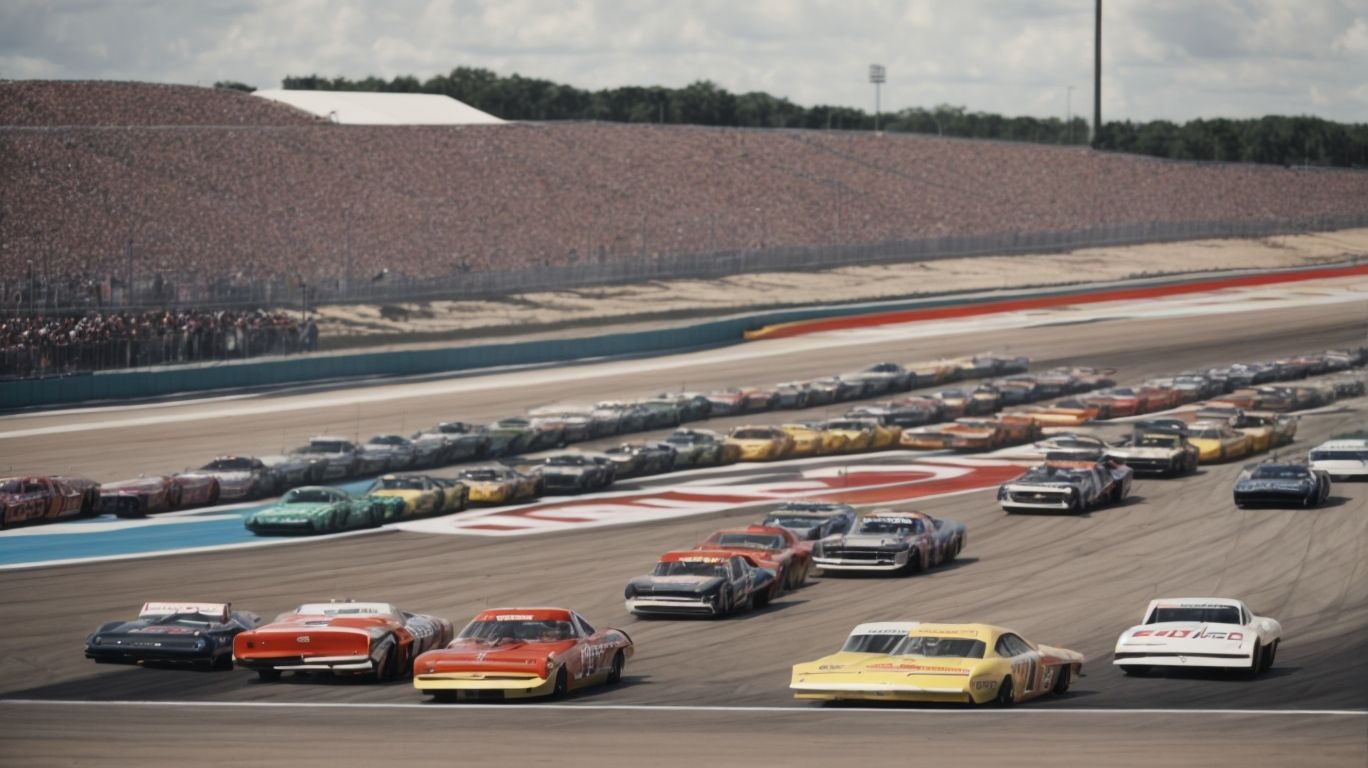
NASCAR racing is a popular motorsport in America that involves high-speed races on specialized tracks, captivating fans with thrilling competitions and strategic maneuvers.
Originating in the late 1940s, NASCAR was founded by Bill France Sr. as a regional series before gaining national prominence. Over the years, it has grown to become one of the most watched sports in the United States.
With a dedicated fan base known for their passion and loyalty, NASCAR events draw in crowds of all ages, creating an electric atmosphere at tracks across the country.
From iconic tracks like Daytona International Speedway to the short tracks at Bristol Motor Speedway, each venue offers its unique challenges for drivers, testing their skills and endurance.
Notable drivers like Danica Patrick have left a mark on the sport, breaking barriers and inspiring future generations of racers.
When comparing NASCAR to Formula One, the focus shifts from technology and precision to raw power and close racing, catering to different audiences.
The marketability of NASCAR as a sport extends beyond the racetrack, with sponsorships, merchandise, and media coverage adding to its appeal, making it a lucrative industry with global reach.
How Long Are Nascar Races?
NASCAR races vary in duration, with some lasting for hours due to the number of laps and track lengths, aiming to engage viewers with intense action and strategic racing tactics.
Factors such as caution flags, pit stops, and weather conditions can significantly impact the length of a NASCAR race. Caution flags may extend the duration by pausing the race for safety reasons, while pit stops for fuel and tire changes can also add time. Weather interruptions, like rain delays, can further prolong races. These variables add an element of unpredictability, keeping fans on the edge of their seats throughout the event.
Longer races, such as the prestigious Daytona 500, offer a more prolonged viewing experience, allowing for evolving strategies and potential comebacks. On the other hand, shorter races like the Martinsville Speedway may appeal to those looking for quick bursts of excitement and decisive outcomes.
The correlation between race length, number of laps, and track characteristics is intricate. Longer tracks like Talladega Superspeedway typically have more laps due to their size, leading to extended race times. Shorter ovals, such as Bristol Motor Speedway, have shorter races with higher lap counts providing intense, compact action.
What Are The Different Types Of Nascar Races?
NASCAR offers a variety of racing series, each with unique challenges and race distances, including the Sprint Cup Series, Xfinity Series, and Camping World Truck Series.
Among these series, the Sprint Cup Series, now known as the NASCAR Cup Series, is the most prestigious and features the longest races, such as the iconic Coca-Cola 600 held at Charlotte Motor Speedway in May, which covers a grueling 600-mile distance. This event is part of the unofficial ‘crown jewel’ races in NASCAR, alongside the Daytona 500 and the Southern 500.
On the other hand, the Xfinity Series offers shorter races compared to the Cup Series, acting as a stepping stone for up-and-coming drivers to showcase their talent before potentially moving up to the premier Cup Series.
Sprint Cup Series (400 – 600 miles)
The Sprint Cup Series in NASCAR features races spanning 400 to 600 miles, challenging drivers with varying track lengths, strategic pit stops, and enhancing marketability through extended competitions.
These extensive races, with lap counts often reaching over 300, push drivers to their limits both physically and mentally as they navigate high speeds and intense competition.
The impact of track dimensions, such as the banking angles and surface materials, adds an extra layer of complexity to each race, requiring teams to fine-tune their setups for optimal performance. Longer races not only test the endurance of both drivers and vehicles but also captivate audiences for extended periods, making them more appealing for sponsors and advertisers keen on maximizing exposure in the ever-competitive world of motorsports.
Xfinity Series (300 miles)
The Xfinity Series in NASCAR consists of races covering 300 miles, offering viewers shorter yet action-packed events with focused intensity and engaging racing dynamics that attract diverse ratings.
With a typical lap count ranging between 200 to 250 laps, the races in the Xfinity Series are known for their fast-paced nature, constantly keeping fans on the edge of their seats. The series boasts a strong viewer engagement due to the variety of tracks visited, ranging from short tracks with tight turns to larger ovals that challenge drivers’ speed and skills.
The track variations in the Xfinity Series not only test drivers’ abilities but also provide a unique viewing experience for fans, as each track brings its own set of challenges and excitement to the races. The appeal of these shorter yet dynamic races lies in their ability to deliver high-octane action in a condensed timeframe, creating an immersive and thrilling atmosphere that keeps audiences coming back for more.
Camping World Truck Series (200 miles)
The Camping World Truck Series offers races covering 200 miles, providing drivers with strategic challenges, emphasizing safety considerations, and showcasing intense competition within NASCAR.
Unlike other NASCAR series, the Truck races are shorter but compact, testing driver skills and team strategies over a condensed distance. Given the shorter race length, pit stop timing and tire conservation play a pivotal role in determining the outcome of the race.
Lap strategies become crucial here, with teams constantly evaluating when to pit for fuel and fresh tires, balancing speed with endurance. Safety measures are stringent in the series, with regulations governing everything from driver equipment to track protocols, ensuring a secure racing environment for all competitors.
Why Are Nascar Races So Long?
The duration of NASCAR races stems from a combination of historical traditions, sponsorship influences, fan engagement strategies, and the intricate balance between speed, pit stops, and on-track tactics.
Historically, NASCAR races have deep roots in American culture, dating back to the post-World War II era when stock car racing gained popularity among fans seeking excitement and entertainment.
As sponsors became more involved in the sport, race durations often increased to accommodate broadcasting needs and maximize exposure for brands, leading to longer, more action-packed events that draw in larger audiences.
Teams and drivers carefully plan their strategies, determining the optimal time for pit stops to refuel, change tires, and make adjustments that can make or break their chances of victory on the track.
The importance of pit stops in NASCAR cannot be underestimated, as they provide teams with crucial opportunities to gain positions, adjust their cars’ performance, and react to changing race conditions in real-time.
Historical Reasons
The historical reasons behind the length of NASCAR races can be traced back to the vision of pioneers like Bill France Sr., who aimed to uphold racing traditions, enhance marketability, and create enduring spectacles for fans.
Bill France Sr., a pivotal figure in NASCAR’s history, saw the value in establishing race durations that would captivate audiences while preserving the essence of the sport.
By setting standard race lengths, he not only provided consistency for fans but also attracted potential sponsors and television networks by guaranteeing a specific window of time for their exposure.
This approach to race duration has stood the test of time, contributing to NASCAR’s popularity and longevity as a premier motorsport spectacle.
Sponsorship and Advertising
Sponsorship and advertising play a pivotal role in the duration of NASCAR races by influencing the financial aspects, fan engagement opportunities, and overall marketability of the sport through strategic partnerships and promotional activities.
The financial implications of sponsorship and advertising on NASCAR race lengths can be seen in the substantial investments made by companies seeking exposure and brand recognition in the highly competitive racing environment. By securing sponsors, NASCAR can enhance the overall fan experience, not only through increased prize money for longer races but also by offering more immersive promotions and interactive experiences.
Fan Experience
The length of NASCAR races is intricately tied to the fan experience, offering viewers extended opportunities to witness strategic racing decisions, experience diverse entertainment elements, and engage with the sport’s competitive dynamics.
One of the key aspects that longer NASCAR races bring to the table is the ability to showcase the endurance and resilience of both drivers and teams. The lengthier duration tests the physical and mental capabilities of drivers, adding an extra layer of challenge and excitement for viewers.
Longer races allow for more twists and turns, both on the track and in strategies, keeping fans captivated throughout the entire event. The gradual unfolding of a longer race creates a unique narrative that viewers can follow closely, building anticipation and escalating excitement as the race progresses.
What Are The Factors That Determine The Length Of A Nascar Race?
Multiple factors contribute to determining the length of a NASCAR race, including the track’s physical dimensions, the number of laps, caution periods, weather conditions, and the occurrence of accidents.
Each NASCAR race track presents unique challenges that impact the overall duration and flow of the race. For example, shorter tracks like Bristol Motor Speedway often have higher intensity races as drivers navigate tight turns and short straights, leading to more frequent caution flags that add to the total race time.
On the other hand, longer tracks such as Daytona International Speedway require more laps to complete, resulting in longer races that test the endurance and strategy of both drivers and pit crews. Adverse weather conditions like rain can further prolong races with delays or stoppages.
Track Length
The track length significantly impacts the duration and nature of NASCAR races, influencing driver strategies, speed dynamics, and overall race excitement through challenging layouts and strategic demands.
Tracks vary significantly in length, from short tracks like Bristol Motor Speedway at around 0.5 miles to superspeedways such as Talladega Superspeedway stretching over 2.6 miles. Short tracks often lead to intense bumper-to-bumper racing, requiring constant vigilance and agile maneuvering to avoid collisions and take advantage of tight corners. On the other hand, longer tracks offer opportunities for high-speed drafting and strategic positioning to gain an aerodynamic advantage, with drivers often needing to carefully manage fuel consumption and tire wear to maintain consistent speed and endurance.
Number of Laps
The number of laps in a NASCAR race is a critical factor in determining race duration, shaping strategic decisions, caution flag occurrences, and overall race management approaches for drivers and teams.
Each lap completed on the track has a direct impact not only on the physical endurance of drivers but also on the mental strategy they employ. Lap counts can dictate when pit stops are made, influencing tire management and fuel consumption. As the race progresses, drivers must contend with the challenge of balancing speed, tire wear, and fuel efficiency to position themselves advantageously. Laps also play a key role in managing the pressure that comes with maintaining consistent performance through long stretches of the event.
Caution Flags and Pit Stops
Caution flags and pit stops are pivotal elements in NASCAR races, influencing race durations, strategic decision-making, accident management, and fuel efficiency strategies employed by teams and drivers.
When a caution flag is waved, it signals an incident on the track, prompting drivers to slow down and enter the pit lane for repairs or adjustments. This not only affects the flow of the race but also creates a window for strategic pit stops. Teams strategize to capitalize on these caution periods, making quick decisions on tire changes, fuel top-ups, and other adjustments to gain a competitive edge.
On the other hand, pit stops play a crucial role in maintaining the balance between speed and endurance. Drivers carefully plan their pit strategies, considering factors like tire wear, track conditions, and fuel levels. Pit crews must execute flawless stops, balancing speed and precision to minimize time off the track while ensuring the car is race-ready. These split-second decisions can make or break a driver’s position in the race.
Weather Conditions
Weather conditions significantly influence the length and safety of NASCAR races, posing challenges related to track grip, visibility, driver control, and the potential for weather-related accidents that impact race outcomes.
When rain showers hit the racetrack, teams and drivers must swiftly adapt their strategies, making critical decisions under pressure. The change in track conditions demands quick adjustments to tire selection, aerodynamics, and overall race tactics. Intense sunlight, on the other hand, can alter track temperatures, affecting tire performance and grip levels, pushing drivers to find the optimal racing line despite the shifting conditions. Extreme winds also add a layer of complexity, influencing car stability and drafting maneuvers, presenting an additional hurdle for drivers to overcome.
What Are The Benefits Of Longer Nascar Races?
Longer NASCAR races offer drivers and teams strategic opportunities to showcase their skills, implement diverse pit stop strategies, manage fuel efficiency, honor racing traditions, and challenge endurance, as exemplified by drivers like Danica Patrick.
These lengthy races provide a platform for drivers to fine-tune their decision-making under pressure and adjust their racing techniques based on evolving track conditions. The extended duration allows teams to delve into intricate pit stop tactics, where split-second timing can make a significant difference in race outcomes.
Fuel conservation becomes a crucial aspect in these extended races, pushing drivers to strike a delicate balance between speed and efficiency to ensure they have enough fuel to finish strong. Acknowledging and upholding the rich traditions of NASCAR is essential in longer races, cultivating a deep respect for the sport’s heritage.
Notable drivers like Danica Patrick have demonstrated exceptional skills in navigating the challenges of extended races, showcasing their mental and physical endurance while pushing the limits of their vehicles. Their performances serve as a testament to the artistry and strategy involved in NASCAR racing.
Strategy and Skill
Longer NASCAR races test drivers’ strategic acumen and skill levels by requiring consistent performance over extended periods, challenging them to manage race dynamics, pit strategies, and lap-by-lap competitiveness.
These extended races in NASCAR serve as a true test of endurance, pushing drivers beyond their comfort zones physically and mentally. The lengthier format not only demands continuous focus and adaptability but also forces drivers to carefully navigate various obstacles that can arise throughout the race.
Endurance challenges become more pronounced in longer races, as fatigue sets in and the mental fortitude of drivers is unveiled under pressure. Drivers must strike a delicate balance between pushing their limits and maintaining the consistency crucial for success in races that are more akin to marathons than sprints.
Entertainment Value
Longer NASCAR races offer enhanced entertainment value to fans and viewers, providing extended racing action, diverse strategic elements, and heightened suspense across various series within NASCAR events.
These marathon races often last for hours, allowing spectators to truly immerse themselves in the unfolding drama on the track. The extended duration creates a rollercoaster of emotions as drivers navigate pitfalls, battle for position, and overcome unforeseen challenges.
- The strategic depth in longer races is fascinating, as pit stop timing, tire management, and fuel strategies play a crucial role in determining the outcome.
- Fans are kept on the edge of their seats as unpredictable twists and turns keep them guessing until the very last lap.
The narratives that develop over the course of these races add layers of intrigue and excitement, making each event a unique and compelling spectacle for motorsport enthusiasts.
More Opportunities for Sponsors
Longer NASCAR races create additional opportunities for sponsors to engage with fans, promote brands, and enhance the marketability of the sport through extended exposure, strategic partnerships, and increased visibility during races.
With extended race durations, sponsors have more time to showcase their logos on cars, driver suits, and multiple locations around the track, ensuring constant brand visibility throughout the event.
The longer races also allow sponsors to run more ads during breaks, maximizing their market exposure to a captive audience.
The increased length of races provides sponsors with greater chances for fan interactions, such as hosting VIP experiences, meet-and-greets, and exclusive events, thereby enhancing brand loyalty and fan engagement.
Tradition and History
Longer NASCAR races uphold the sport’s rich tradition and historical legacy, honoring the vision of pioneers like Bill France Sr., engaging fans with enduring spectacles, and preserving the time-honored customs that define NASCAR’s heritage.
These extended races not only showcase the drivers’ skills and endurance but also provide spectators with an immersive experience steeped in the roots of American racing history. The lengthier duration allows for strategic maneuvers, unforeseen challenges, and unpredictable outcomes, adding a layer of excitement and unpredictability that keeps fans on the edge of their seats.
By committing to longer races, NASCAR remains committed to its founding values and principles, demonstrating a dedication to authenticity and a respect for the unwavering spirit of competition that has defined the sport for generations.
What Are The Critics Saying About The Length Of Nascar Races?
Critics of NASCAR races often express concerns about the length leading to perceived boredom, safety issues resulting from prolonged racing periods, potential accidents due to high speeds, and viewer disengagement during lengthy events.
One of the main criticisms surrounding the duration of NASCAR races is that the extended length can lead to diminishing excitement for spectators, as the race progresses. This has been a point of contention among fans and experts, with debates about finding the right balance between spectacle and endurance.
Safety implications are another significant aspect raising doubts among critics. The longer the races, the more fatigued drivers might become, potentially affecting their reaction times and overall safety on the track.
The heightened risk of accidents as a result of prolonged exposure to high speeds poses a valid concern for both drivers and onlookers.
Boring and Repetitive
Critics often label NASCAR races as boring and repetitive, citing concerns about viewer engagement, marketability challenges, and the need for innovative approaches to sustain fan interest and excitement.
One of the key criticisms of NASCAR races is the perceived lack of unpredictability and thrill, which can impact the overall excitement for fans. This perception can potentially lead to a decline in viewership and pose challenges for sponsors looking to invest in the sport. Introducing exciting new race formats, technical innovations, or engaging storylines can help address these concerns and revitalize the appeal of NASCAR events, attracting a broader audience and generating renewed interest in the sport.
Exhausting for Drivers and Teams
The length of NASCAR races can be physically and mentally exhausting for drivers and teams, posing safety challenges, strategic dilemmas, and endurance tests that require meticulous preparation and focused performance.
When drivers compete in races going up to 500 miles at high speeds, their bodies endure immense strain. The adrenaline rush might carry them through the initial laps, but as the race progresses, fatigue starts kicking in. This not only tests their physical capabilities but also demands intense concentration and mental alertness throughout every turn and straightaway.
Teamwork is crucial in NASCAR, with pit crews having split-second precision to execute flawless tire changes and refueling under immense time pressure. This coordination adds another layer of stress, as one small mistake can cost valuable seconds on the tracks.
Safety Concerns
Safety concerns in NASCAR races arise due to the extended durations, high-speed environments, potential for accidents, and the balance between competitive strategies and ensuring driver and fan welfare within the dynamic racing landscape.
One critical aspect of addressing these safety issues is understanding the impact of the length of NASCAR races on both drivers and spectators. The extended periods behind the wheel increase fatigue levels and amplify the chances of on-track incidents. This raises questions about the adequacy of safety measures in place to mitigate these risks.
While the thrill of high-speed racing is a key attraction, it also heightens the need for stringent safety protocols to safeguard everyone involved. Ensuring comprehensive safety guidelines and adaptive response strategies is paramount in the continual evolution of NASCAR’s safety standards.
Frequently Asked Questions
Why Are Nascar Races So Long?
Nascar races are known for their length and endurance. Here are some commonly asked questions about why they are so long.
What is the average length of a Nascar race?
The average Nascar race is around 400-500 miles, which can take anywhere from 3-4 hours to complete.
Why do Nascar races take so long?
Nascar races are longer in order to test the endurance and durability of both the drivers and the cars. They also allow for more strategic decision-making throughout the race.
How long is the longest Nascar race ever recorded?
The longest Nascar race in history was the 1974 World 600 at Charlotte Motor Speedway, which was a grueling 600 miles and lasted 6 hours and 22 minutes.
Do Nascar races ever get cancelled or shortened?
Yes, Nascar races can be cancelled or shortened due to weather conditions, accidents, or other unforeseen circumstances. However, the majority of races are completed in their entirety.
What factors contribute to the length of a Nascar race?
The length of a Nascar race is determined by the track length, number of laps, and average speed of the cars. Other factors such as cautions, pit stops, and race strategy can also impact the overall length of the race.
Are there any regulations on the length of Nascar races?
Nascar does have regulations in place for the length of races, with the maximum being 500 miles and minimum being 301 miles. These regulations ensure that races are not too short or too long for both drivers and fans.