Is the Indy 500 Nascar?
If you’re a fan of motorsports, you may have heard of the Indy 500 and Nascar. While both are popular racing events, they are not the same thing.
We will explore the key differences between the two, including the type of racing, track types, car specifications, and length of races. We will also discuss the similarities, such as high-speed racing and popularity.
Can Nascar drivers compete in the Indy 500? Can Indy 500 drivers compete in Nascar? Stay tuned to find out!
Key Takeaways:
What Is the Indy 500?
The Indianapolis 500, also known as the Indy 500, is an iconic American motorsport event that forms a crucial part of the IndyCar racing series.
Since its inception in 1911, the Indianapolis 500 has been an integral part of American automobile racing culture, drawing thousands of spectators to witness the excitement of high-speed oval track racing. The race’s significance extends beyond mere competition; it symbolizes a blend of tradition, innovation, and adrenaline-fueled action. With cars reaching speeds exceeding 230 mph powered by high-performance engines, the Indy 500 showcases the pinnacle of racing technology.
What Is Nascar?
NASCAR, the National Association for Stock Car Auto Racing, is a prominent motorsport series in the United States that features high-octane races with specially designed stock cars.
NASCAR originated in the Southern United States in the late 1940s, evolving from the unofficial races that bootleggers used to outrun the law. Recognized for its emphasis on stock cars, these vehicles closely resemble their factory models but are modified for performance on oval tracks. The sport boasts a diverse group of drivers, showcasing talent from various backgrounds.
Races are held on a variety of tracks – from short tracks like Bristol to superspeedways like Daytona. The schedules are meticulously planned, with a mix of long-standing events like the Daytona 500 and newer additions like the Charlotte Roval.
Key figures like Bill France and Jim France played pivotal roles in shaping NASCAR into the spectacle it is today. Alongside them, notable drivers such as Kyle Larson and Conor Daly have made significant contributions to the sport, each leaving their mark in different ways.
Are Indy 500 and Nascar the Same Thing?
While both the Indy 500 and NASCAR involve high-speed races featuring powerful cars, they are distinct entities within the broader realm of motorsport.
Indy 500, short for the Indianapolis 500, is part of the NTT IndyCar Series, focusing on open-wheel cars, known for their aerodynamic design and single-seater cockpit. The race takes place at the historic Indianapolis Motor Speedway, known for its iconic oval track. On the other hand, NASCAR races primarily use stock cars, resembling everyday vehicles, and compete in the NASCAR Cup Series across various tracks, including oval, road course, and super speedways.
- Indy 500 has a more international feel, with drivers from diverse backgrounds, whereas NASCAR’s roots are deeply embedded in American culture, appealing to a more traditional and regional fan base. The Indy 500 attracts fans who appreciate the precision and speed of open-wheel racing, creating an electrifying and sophisticated atmosphere. In contrast, NASCAR events often have a more casual and laid-back vibe, with fans enjoying tailgating and camping at the tracks, embodying a sense of community and camaraderie.
What Are the Differences Between Indy 500 and NASCAR?
The distinctions between the Indy 500 and NASCAR races extend beyond just the cars and tracks, encompassing various aspects of the racing series that define their unique identities.
One of the key differences lies in the type of cars used. Indy 500 features open-wheel, single-seater, purpose-built cars designed for high-speed oval racing, focusing on aerodynamics and downforce, while NASCAR utilizes stock cars derived from production vehicles, emphasizing close-contact, wheel-to-wheel battles on oval, road, and street courses with a heavier focus on drafting and strategy.
The diversity of drivers in Indy 500 includes participants from various racing disciplines worldwide, fostering a mix of talents and experiences, compared to NASCAR’s primarily American-centric driver lineup. The track configurations in each series are distinct, with Indy 500 predominantly held on oval tracks that vary in length and banking angles, promoting speed and precision, whereas NASCAR circuits encompass a mix of oval, road, and street courses, demanding versatile driving skills and adaptability.
Type of Racing
IndyCar predominantly focuses on open-wheel racing, while NASCAR specializes in stock car racing, showcasing the distinct types of racing styles embraced by each series.
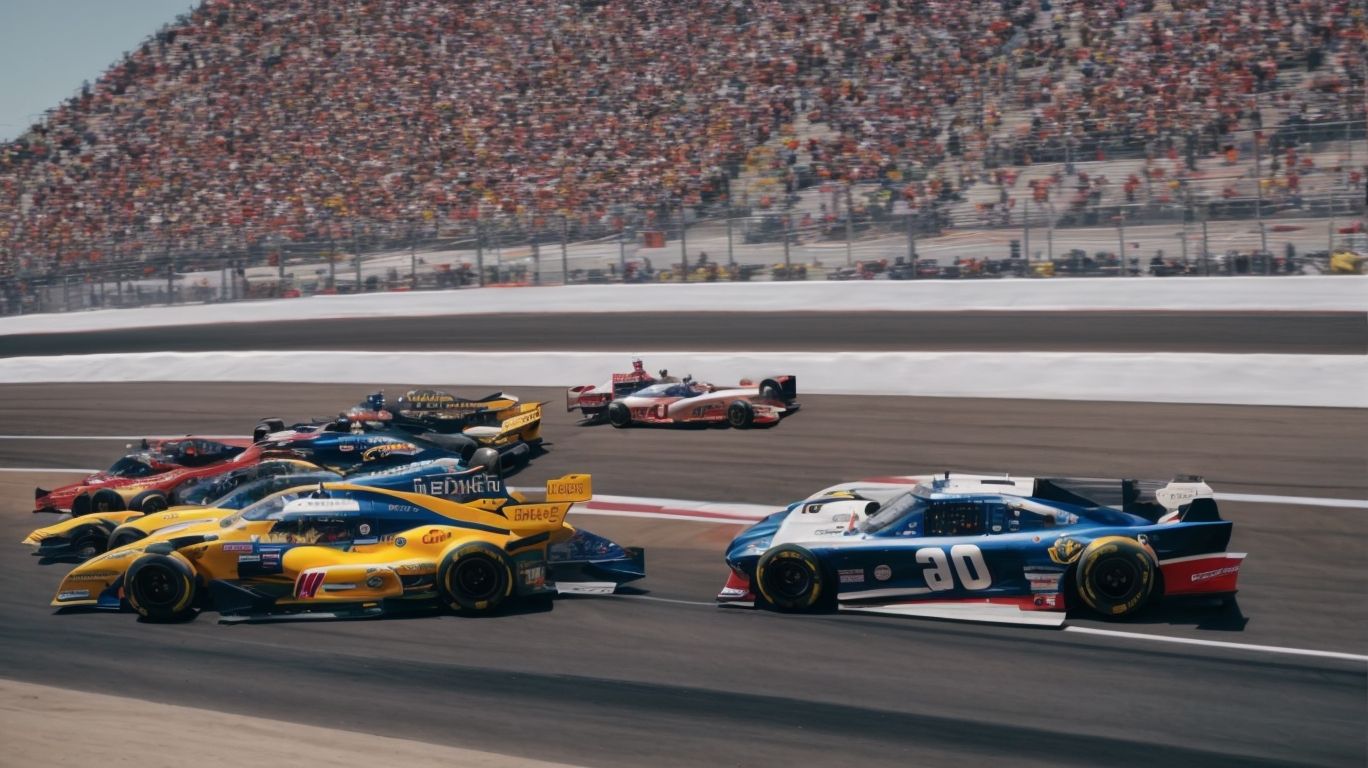
Open-wheel racing, as seen in IndyCar, showcases cars with the wheels outside the car’s main body, emphasizing aerodynamics and speed. Drivers in IndyCar face the challenge of demanding road courses along with the thrill of oval tracks, which require different driving skills.
On the other hand, NASCAR’s stock car racing involves vehicles with enclosed wheels, promoting close-contact, high-speed racing on oval circuits. The methodologies and strategies employed by drivers in each series vary significantly due to the nature of the tracks and the design of the cars.
Track Types
IndyCar races are held on a mix of ovals and road courses, whereas NASCAR predominantly operates on oval tracks, showcasing the diverse track types each racing series favors.
While IndyCar incorporates a range of tracks in their events, from long straightaways to intricate s-turns, NASCAR’s focus on oval tracks like Daytona and Talladega brings a distinct flavor to their races. The track configurations play a pivotal role in dictating the racing dynamics – with the constant left turns on ovals requiring different strategies compared to the varying turns and elevation changes on road courses in IndyCar.
Driver tactics vary between the two series as well. In IndyCar, drivers must adapt to both high-speed ovals and technical road courses, showcasing their versatility, whereas in NASCAR, the emphasis is on drafting and bump-drafting on the oval tracks, creating intense pack racing scenarios that thrill fans.
Car Specifications
The cars used in IndyCar and NASCAR competitions differ significantly in terms of design, weight, engine specifications, and aerodynamic features, reflecting the distinct technical requirements of each racing discipline.
IndyCar cars are known for their high-powered engines, typically producing around 700-900 horsepower, making them incredibly fast on straightaways and demanding in terms of driver skill and precision. On the other hand, NASCAR vehicles focus more on torque and acceleration, with horsepower outputs ranging between 750-850, prioritizing close, intense wheel-to-wheel racing at high speeds.
In terms of weight distribution, IndyCars are lighter and have a more balanced weight distribution compared to the heavier, front-heavy design seen in NASCAR vehicles, aiding in agility and cornering capabilities.
Regarding downforce generation, IndyCar relies heavily on ground effects, utilizing underwing and diffuser designs to generate immense levels of downforce, enhancing cornering grip and stability. NASCAR vehicles, conversely, use large rear spoilers and splitters, producing sufficient downforce for stability without compromising speed.
Chassis construction in IndyCar emphasizes carbon fiber materials and advanced safety features, ensuring driver protection at high speeds, while NASCAR cars feature steel tube frame construction, providing durability and safety in close-contact racing scenarios.
Advancements in technology play a crucial role in both disciplines, with IndyCar incorporating hybrid systems for fuel efficiency and power output, while NASCAR focuses on engine restrictor plates to control performance and ensure parity among competitors.
Length of Races
The duration of races in IndyCar and NASCAR varies, impacting factors such as top speed achievements, driver performances, and overall race strategies adopted by participants.
In IndyCar, races typically range from 200 to 500 miles, with the Indy 500 being the notable exception at 500 miles. Conversely, NASCAR races are known for their longer durations, often spanning 400 to 600 miles. This variance in race length directly influences the top speed records set, as NASCAR cars aim for consistency over long stretches, while IndyCars push for higher speeds in shorter sprints. Driver endurance plays a crucial role, with NASCAR drivers needing to sustain focus and stamina for extended periods, contrasting the intense bursts of speed required in IndyCar races.
What Are the Similarities Between Indy 500 and Nascar?
Despite their distinctions, both the Indy 500 and NASCAR share commonalities in their emphasis on high-speed racing and their status as popular motorsport events that captivate audiences worldwide.
These racing spectacles not only provide heart-stopping moments on the track but also offer a vibrant fan experience that unites enthusiasts from all walks of life. The roaring engines, screeching tires, and intense competitiveness create an electric atmosphere that resonates with fans globally. Whether it’s the iconic oval of the Indy 500 or the diverse tracks of NASCAR, the thrill of witnessing top-tier drivers pushing their cars to the limits is a universal draw.
Both series boast a rich history filled with legendary drivers, unforgettable moments, and iconic venues that have become hallowed grounds for motorsport enthusiasts. The prestige associated with winning these events adds to their allure and cements their status as pinnacle competitions in the racing world.
High-Speed Racing
High-speed racing is a hallmark of both IndyCar and NASCAR, where drivers push the limits of performance to achieve remarkable speeds and deliver exhilarating on-track performances.
Drivers in IndyCar and NASCAR consistently reach peak velocities exceeding 200 mph, showcasing their exceptional skill and precision on the track. The adrenaline rush of hurtling down straightaways and maneuvering through tight corners at such high speeds is a testament to their expertise behind the wheel. Fans are captivated by the intense competition and daring overtakes that define each series, fueling the excitement and passion for motorsports.
Popular Motorsport Events
IndyCar and NASCAR events are among the most popular motorsport spectacles globally, drawing in massive viewership, securing lucrative sponsorships, and forming integral parts of racing calendars.
Both IndyCar and NASCAR events have garnered a loyal fan base over the years, with spectators eagerly anticipating each race season. The adrenaline-fueled atmosphere, fierce competition, and high-speed action make these events a thrilling experience for fans of all ages. Not only do these races attract millions of viewers from around the world, but they also serve as key platforms for sponsors to showcase their brands to a diverse audience.
- IndyCar and NASCAR events not only have a significant impact on the motorsport industry but also play a crucial role in shaping popular culture. The storied histories and legendary drivers associated with these events have become iconic symbols of American racing heritage.
- The economic ripple effect generated by IndyCar and NASCAR events cannot be understated. Host cities, sponsors, teams, and media outlets all benefit from the massive reach and fan engagement these races command.
Can Nascar Drivers Compete in the Indy 500?
NASCAR drivers have the opportunity to showcase their skills in the prestigious Indy 500, where they can compete against the best IndyCar drivers, aiming for stellar performances, significant bonuses, and racing glory.
Transitioning from NASCAR to IndyCar poses distinctive challenges due to the differences in car characteristics, track types, and overall racing strategies. In NASCAR, drivers adapt to heavy, stock cars built for oval tracks, while IndyCar demands finesse with lighter, open-wheel machines fit for diverse circuits, including road courses and street races.
The shift requires drivers to master the nuances of handling a nimble car that responds instantly to every input, compared to the more forgiving nature of NASCAR vehicles. Despite the hurdles, successful crossovers can lead to expanded fan bases, sponsorship opportunities, and enhanced career trajectories for drivers eager to diversify their racing portfolios.
Can Indy 500 Drivers Compete in Nascar?
Indy 500 drivers often explore the world of NASCAR, seeking to test their racing prowess in the competitive stock car series, where they can showcase their talents, deliver impressive performances, and chase lucrative bonuses.
Transitioning from the open-wheel, high-speed environment of IndyCar to the tight, bumper-to-bumper battles of NASCAR involves a strategic shift in driving techniques and mindset. While IndyCar focuses on aerodynamics and finesse, NASCAR demands precision in drafting, bump-drafting, and mastering the art of oval racing.
Despite the challenges, many drivers find that the transition offers them a chance to diversify their skills, enhance their adaptability on different tracks, and broaden their fan base across varied racing communities.
Crossing over between IndyCar and NASCAR provides drivers with unique opportunities to participate in iconic events like the Daytona 500 and the Indianapolis 500, elevating their status in both racing disciplines and expanding their professional horizons.
What Are the Other Major Differences Between Indy 500 and Nascar?
Beyond the on-track distinctions, the Indy 500 and NASCAR diverge in various aspects, including prize money distribution, fan demographics, historical legacies, and the rich tapestry of traditions that define each racing series.
Regarding prize money, the Indy 500 boasts a hefty purse, with the winner traditionally taking home a significant share of the total funds, often symbolizing prestige and accomplishment. In contrast, NASCAR distributes its prize money more evenly across the field, offering a more egalitarian approach to rewarding drivers.
The difference in fan bases adds another layer of contrast; IndyCar typically draws a more diverse and international audience, appreciating the race’s history and the technological prowess of the cars, while NASCAR enjoys a deeply rooted fan base in the southern United States, known for its enthusiastic support and close-knit community.
Historically, the Indianapolis 500 holds a special place in the hearts of racing enthusiasts worldwide, being one of the oldest and most prestigious auto races, steeped in tradition and revered for its endurance and innovation. On the other hand, NASCAR’s Daytona 500 has its own storied past, representing the pinnacle of stock car racing and embodying the spirit of American motorsport.
The traditions surrounding each event shape the identity and experience for both participants and spectators alike. The Indy 500’s iconic traditions such as the singing of ‘Back Home Again in Indiana’ and the drinking of milk by the winner add a touch of nostalgia and reverence to the race. Meanwhile, NASCAR’s traditions like the pre-race prayer, the pace car laps, and the victory burnouts contribute to the high-energy, adrenaline-fueled atmosphere that fans have come to love.
Prize Money
Prize money distribution varies significantly between IndyCar and NASCAR, reflecting the financial structures, ownership models, and performance-based incentives that underpin each series.
IndyCar, known for its flatter prize money structure, allocates a substantial portion of earnings towards competitive and developing teams, offering a more level playing field. In contrast, NASCAR’s prize money distribution often favors top-performing teams and drivers, heavily rewarding consistent success.
The disparity in prize money allocation is also influenced by the business models of each series. IndyCar’s team ownership tends to be more independent, resulting in a broader spread of prize money, whereas NASCAR operates under a more centralized ownership model, impacting how rewards are distributed.
Fan Base
The fan bases of IndyCar and NASCAR exhibit distinct characteristics, representing diverse demographics, preferences, and levels of engagement with the sport, contributing to the unique popularity and appeal of each racing series.
IndyCar, with its roots in open-wheel racing, typically attracts a more urban and affluent audience, with a significant portion of its fans being tech-savvy individuals interested in cutting-edge automotive technology and precision driving. In contrast, NASCAR has traditionally appealed to a more rural and blue-collar demographic, valuing the raw power, close competition, and heritage of American stock car racing.
IndyCar fans are often drawn to the international flair of the series, with drivers from around the world competing on road and street circuits, whereas NASCAR enthusiasts are inclined towards the all-American, oval-track racing experience epitomized by the close battles and unique culture of Southern states.
History and Tradition
The rich histories and storied traditions of IndyCar and NASCAR reflect the legacy of motorsport excellence, marked by iconic celebrations, insightful interviews, and timeless customs that honor the heritage of each racing series.
IndyCar, with its roots tracing back to the early 20th century, has been a pinnacle of open-wheel racing, showcasing thrilling races and fostering innovation. On the other hand, NASCAR emerged in the Southern United States during the Prohibition era, evolving into a powerhouse of stock car racing with a loyal and passionate fan base.
From the historic Indianapolis 500 to the Daytona 500, these races embody the spirit of competition and tradition, with drivers chasing victory on legendary tracks like the Indianapolis Motor Speedway and Daytona International Speedway.
Time-honored celebratory rituals such as the spraying of champagne on the podium and the trophy presentation capture the essence of triumph and achievement in motorsport, creating enduring images that resonate with fans worldwide.
Frequently Asked Questions
Is the Indy 500 Nascar?
1. Is the Indy 500 considered a Nascar race?
No, the Indy 500 is not a Nascar race. It is part of the IndyCar Series, which is a separate racing organization from Nascar.
2. What is the difference between Nascar and the Indy 500?
Nascar and the Indy 500 are two different racing organizations with distinct rules and regulations. Nascar primarily features stock cars, while the Indy 500 showcases open-wheel race cars.
3. Are any Nascar drivers allowed to compete in the Indy 500?
Yes, Nascar drivers are allowed to compete in the Indy 500, but they would have to switch to an open-wheel car for the race. There have been a few Nascar drivers who have successfully competed in the Indy 500, such as Tony Stewart and Kurt Busch.
4. Why do people sometimes confuse the Indy 500 with Nascar?
The Indy 500 and Nascar both involve cars racing around a track, so it’s easy for people to confuse the two. Additionally, both races are popular in the United States and often attract similar audiences.
5. Is the Indy 500 more prestigious than Nascar’s Daytona 500?
This is a subjective question and opinions may vary. However, the Indy 500 is considered by many to be one of the most prestigious races in the world, while the Daytona 500 is considered the most prestigious race in Nascar.
6. Can you watch the Indy 500 on Nascar’s television channels?
No, the Indy 500 is typically broadcast on different television channels from Nascar races. The Indy 500 is usually shown on ABC or NBC, while Nascar races are broadcast on channels such as Fox, NBC, and NBC Sports Network.