How Much Does a Nascar Team Cost?
Have you ever wondered what goes into running a Nascar team? From the race car to crew members, equipment, and support vehicles, there are various components that make up a successful team. But what exactly does it cost to run a Nascar team?
In this article, we will break down the expenses associated with a Nascar team, including race car expenses, crew salaries, and even licensing and insurance costs. We will also explore how Nascar teams fund their operations and the challenges they face in the competitive racing world.
So, buckle up as we dive into the world of Nascar team management!
Key Takeaways:
What Is a Nascar Team?
A NASCAR team is a professional racing organization that competes in NASCAR events, fielding cars in various races across the country, such as the Daytona 500.
In NASCAR, teams play a crucial role in the success of drivers on the track. These teams are responsible for designing, building, and maintaining the race cars, as well as strategizing for each event. A team typically consists of a crew chief, engineers, mechanics, and pit crew members who all work together to ensure the car performs at its best.
The Daytona 500, as one of NASCAR’s flagship races held annually at Daytona International Speedway, is a highly anticipated event where teams showcase their skills and technology, aiming to claim victory and earn points towards the championship.
What Are the Components of a Nascar Team?
A NASCAR team comprises various essential components, including race cars, skilled drivers, dedicated crew members, high-performance engines, and specialized equipment.
Race Car
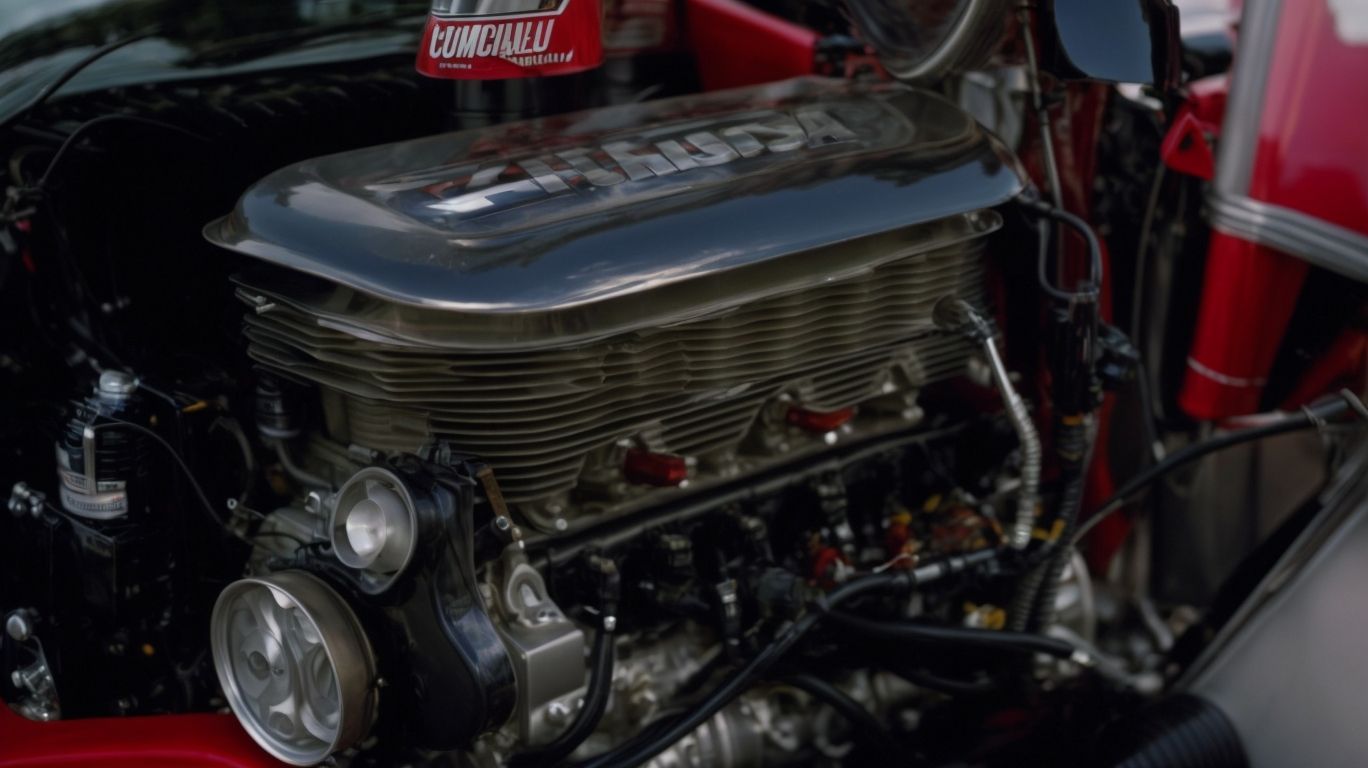
The race car used by a NASCAR team is a meticulously crafted machine, incorporating advanced chassis, precision transmission systems, high-performance brakes, and specialized NASCAR components.
One of the key elements that sets NASCAR race cars apart is their advanced chassis construction. These chassis are designed to provide optimal balance between stiffness and flexibility, crucial for navigating the high-speed ovals and tight turns of NASCAR tracks. The transmission mechanisms in these cars are finely tuned to deliver power efficiently to the wheels, enhancing acceleration and overall performance.
The brake systems in NASCAR cars are a vital component for driver safety and race success. They are designed to withstand intense heat and provide consistent, powerful stopping power to maneuver through traffic and make it safely to pit stops. Using genuine NASCAR parts is essential to ensure the reliability and performance of these high-speed machines.
Crew Members
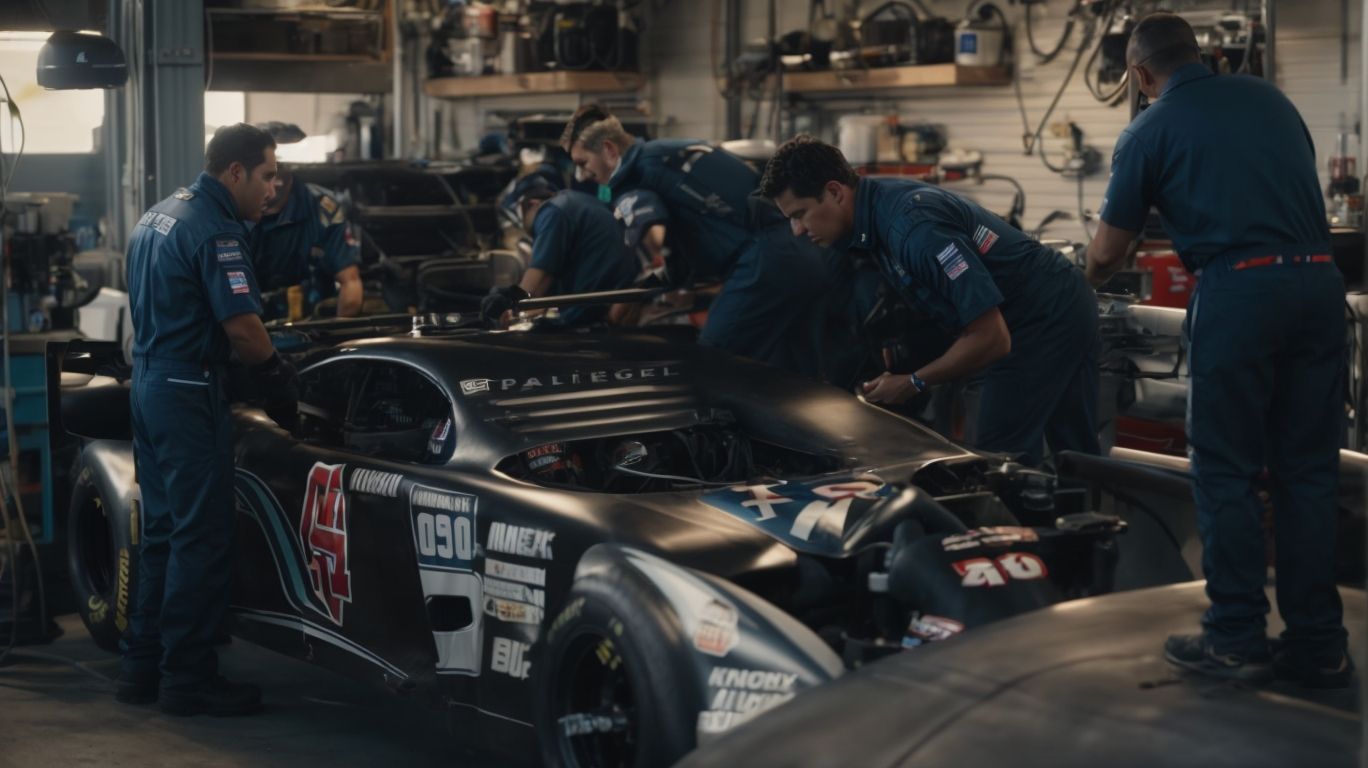
The crew members of a NASCAR team play a vital role in ensuring the smooth operation of the racing vehicle, handling equipment, conducting pit stops, and providing crucial support to the driver.
One of the key functions of the crew members is managing the equipment required during the race. This involves meticulously checking and maintaining tools, tire-changing machinery, and fueling equipment to ensure they function optimally. They must be adept at swiftly executing pit stop operations, where every second counts in determining the race outcome.
The crew members work together seamlessly, relying on clear communication and synchronization to execute pit stops with precision. Each member has a specific role, such as tire changers, fuelers, and jack operators, who must coordinate their efforts to minimize the time spent in the pit lane.
Equipment and Tools
The equipment and tools utilized by a NASCAR team encompass a wide range of components, including engines, specialized equipment, and replacement parts required for race day preparations and maintenance.
Engine maintenance is vital for ensuring optimal performance on the track, with teams relying on advanced diagnostic tools like engine analyzers to assess and fine-tune their machines. The use of specialized equipment, such as air impact wrenches and electronic chassis setup tools, aids in quick adjustments during pit stops. Quality replacement parts, like suspension components and brake pads, are crucial to keep the race car in top condition. NASCAR teams heavily invest in high-quality tools to gain a competitive edge and maintain peak performance throughout the racing season.
Support Vehicles
Support vehicles are instrumental in the logistical operations of a NASCAR team, facilitating the transportation of race cars, equipment, and personnel to various race tracks and events.
These support vehicles play a crucial role in ensuring that the NASCAR team’s assets and personnel reach their destinations efficiently and safely. From hauling the race cars to carrying the essential tools and spare parts, these vehicles are the lifeline of the team’s operations. Efficient coordination between the drivers of these support vehicles and the team managers is paramount for successful race weekends.
How Much Does It Cost to Run a Nascar Team?
Running a NASCAR team involves substantial expenses, often amounting to a small fortune due to the high costs associated with race car operations, equipment maintenance, and personnel salaries.
On average, a NASCAR race car alone can cost hundreds of thousands of dollars, with top-tier teams investing millions in cutting-edge technology and performance enhancements to stay competitive on the track. Equipment maintenance further adds to the financial burden, with regular upgrades, repairs, and replacement parts required to ensure peak performance.
In addition, employee salaries play a significant role in the overall budget, with skilled crew members, engineers, mechanics, and support staff demanding competitive compensation for their expertise and dedication to the team’s success.
Race Car Expenses
Race car expenses represent a significant portion of a NASCAR team’s budget, encompassing costs related to car construction, engine maintenance, tire purchases, and aerodynamic enhancements.
Car construction involves the design, fabrication, and assembly of specialized components to ensure the vehicle’s performance and safety on the track. Engine maintenance is crucial for keeping the powerful racing engines in peak condition, necessitating regular inspections, tune-ups, and potential rebuilding. Tire purchases are frequent as tires are a vital part of a race car’s performance, requiring specialized compounds for different track conditions.
Investments in aerodynamic enhancements are essential to reduce drag and improve downforce, enhancing the car’s speed and stability during races. These modifications can include wind tunnel testing, *advanced materials for bodywork*, and intricate adjustments to optimize airflow around the vehicle.
Crew Salaries and Travel Expenses
Crew salaries and travel expenses are essential components of a NASCAR team’s budget, ensuring that skilled personnel are compensated competitively and logistical requirements for race events are met.
Ensuring that crew members receive fair compensation is crucial to retaining top talent and maintaining team morale. Many crew positions in NASCAR require specialized skills, experience, and long hours, making it important to offer competitive salaries to attract and retain skilled individuals. Managing travel expenses for race events involves careful planning and budgeting to optimize efficiency and minimize costs.
Equipment and Tools Costs
The costs associated with equipment and tools in a NASCAR team are significant, requiring investments in high-quality components, specialized tools, and replacement parts to maintain competitive performance standards.
For NASCAR teams, the financial implications of acquiring, maintaining, and upgrading their equipment and tools cannot be underestimated.
High-quality components, such as engines, chassis, and suspension parts, are crucial for achieving optimal performance on the track. These components often come at a premium cost due to the advanced technology and materials used.
Specialized tools, tailored to the specific needs of NASCAR vehicles, are essential for efficient pit stops and meticulous adjustments. Spare parts are a necessary expense to minimize downtime and ensure reliability during races.
Support Vehicle Expenses
Support vehicle expenses are crucial for a NASCAR team’s operational efficiency, covering costs related to vehicle maintenance, fuel expenses, insurance, and logistical support for race day activities.
Vehicle maintenance is a significant component of these costs, as high-performance racing vehicles require regular inspection, repairs, and upgrades to ensure optimal performance on the track.
Fuel expenses constitute a substantial portion of the budget, with teams needing to account for the quantity and quality of fuel required for practice sessions, qualifying races, and the main event.
Insurance plays a vital role in safeguarding the team’s assets, providing coverage for vehicle damages, liability issues, and potential accidents that may occur during the intense competition.
Logistical support encompasses transportation costs, accommodation fees for the team members, and the necessary equipment and tools needed to set up the pit area efficiently for quick vehicle maintenance and repairs on race day.
What Are Other Costs Associated with a Nascar Team?
Along with the core expenses, NASCAR teams face other costs such as licensing fees, insurance premiums, marketing campaigns, sponsorship deals, advertising expenses, and the distribution of prize money.
Securing licenses to participate in races and showcasing team logos entails an additional financial burden. Insurance premiums are essential to cover any accidents, damage, or liability during races to ensure financial security for both the team and its stakeholders. Engaging in strategic marketing campaigns is crucial for brand visibility and fan engagement, requiring significant investment in promotions and media presence.
Sponsorship agreements play a pivotal role in funding, as companies align their brands with NASCAR teams for exposure and brand association, demanding substantial financial commitments from both parties. Advertising expenses further contribute to building brand recognition, through various channels like billboards, TV commercials, and online campaigns, attracting a broader audience.
The distribution of prize money among team members and partners is another aspect that adds to the financial complexity, with proper allocation and negotiation ensuring fair remuneration for all involved stakeholders.
Licensing and Insurance
Licensing and insurance costs are essential components of a NASCAR team’s financial planning, ensuring compliance with regulations, protection against risks, and coverage for liabilities.
In terms of licensing, teams must budget for various expenses such as membership fees, race entry fees, and other administrative costs required by NASCAR. These fees can vary depending on the team’s level of competition and the series they participate in. Insurance premiums play a crucial role in safeguarding the team against unforeseen events like accidents, damages to vehicles, or injuries to team members.
Marketing and Sponsorship
Marketing and sponsorship expenses form a significant portion of a NASCAR team’s budget, encompassing costs related to securing sponsors, advertising campaigns, and promotional activities to enhance brand visibility.
Securing sponsors involves negotiating financial packages, merchandise deals, and logo placements on the racecars, drivers’ suits, and team merchandise. Advertising strategies range from trackside billboards to TV commercials and social media promotions, aiming to reach a diverse audience. By investing in promotional efforts like meet-and-greets, fan events, and sponsor-hosted activities, teams create valuable connections with supporters and potential customers, contributing to both brand loyalty and revenue growth.
Race Entry Fees
Race entry fees represent an additional financial burden for NASCAR teams, requiring budget allocation for participation in various races and events throughout the season.
These fees play a crucial role in the overall financial planning of a team, as they encompass much more than just the cost of entry. NASCAR teams have to factor in expenses such as travel, accommodations, equipment maintenance, and personnel salaries. Each race event requires meticulous budgeting to ensure that all necessary resources are available, while still maintaining a competitive edge. With the high costs associated with participating in NASCAR, teams often have to carefully strategize their financial planning to maximize their chances of success on the track.
How Do Nascar Teams Fund Their Expenses?
NASCAR teams rely on diverse revenue streams to fund their expenses, including sponsorship deals, merchandise sales, earnings from race victories, and investments from team owners.
One of the key financial strategies employed by NASCAR teams is forming lucrative sponsorship agreements with various brands and companies. These partnerships often involve prominent logo placements on cars, uniforms, and other team assets, providing valuable exposure during races and beyond. Teams leverage their popularity to generate significant revenue from merchandise sales, offering fans a wide range of branded products ranging from clothing to accessories.
The prize money distribution in NASCAR races plays a crucial role in supplementing team budgets, with winnings varying depending on race rankings and performance. Not to mention, team owners also play a significant role by investing their own capital, ensuring the team’s financial stability and long-term success.
Sponsorship Deals
Sponsorship deals play a pivotal role in the financial sustainability of NASCAR teams, providing crucial funding, brand exposure, and promotional opportunities for both the team and the sponsors.
Through sponsorship deals, NASCAR teams can secure vital financial backing, allowing them to cover various expenses such as vehicle maintenance, travel costs, and skilled personnel salaries. These partnerships not only inject funds into the team but also offer brand exposure through prominent placement of sponsor logos on cars, driver suits, and team merchandise, reaching a wide audience of fans both at races and through media coverage. These alliances often extend to collaborative marketing efforts, where sponsors leverage the team’s success and fan base to boost their own brand awareness and customer engagement.
Merchandise Sales
Merchandise sales serve as an additional revenue stream for NASCAR teams, offering fans the opportunity to support their favorite teams through the purchase of branded apparel, memorabilia, and merchandise.
These sales play a crucial role in the financial sustainability of the teams, providing a consistent source of income beyond sponsorships and race winnings. By actively engaging with fans through the sale of team-related products, NASCAR teams can strengthen their brand presence and loyalty among supporters. The sale of merchandise not only generates revenue but also serves as a form of marketing, as fans proudly showcase their team affiliation through the products they purchase.
Race Winnings
Race winnings represent a significant source of income for NASCAR teams, with prize money from victories and top placements in races contributing to the overall financial stability of the team.
For NASCAR teams, these race winnings play a crucial role not only in covering operational expenses but also in funding future developments and upgrades to remain competitive in the fast-paced world of professional racing. The prize money earned serves as a tangible reward for the hard work, expertise, and relentless dedication exhibited by the drivers, pit crews, and the entire team in pursuit of success on the track.
- Efficient financial planning around these winnings is essential to ensure that the funds are wisely allocated towards areas that maximize long-term growth and sustainability.
Teams often strategize on how to optimize their revenue streams, which include sponsorships, merchandising, and licensing agreements, alongside the prize money earned from races.
Team Owner Investment
Team owners often make substantial investments in NASCAR teams, providing crucial financial backing, strategic direction, and operational support to ensure the team’s success and competitiveness.
These owners play a pivotal role in shaping the trajectory of their teams through their financial investments. By injecting significant capital into the team’s operations, they enable the acquisition of advanced equipment, hiring experienced crew members, and securing top-tier drivers. Their strategic decision-making, such as determining race strategies, setting development goals, and negotiating sponsorship deals, profoundly influences the team’s performance and market visibility.
Team owners contribute to the long-term sustainability of NASCAR teams by implementing efficient operational practices, fostering a culture of excellence, and nurturing talent within the organization. Their leadership and guidance are instrumental in navigating the competitive landscape of NASCAR, ensuring that their teams remain at the forefront of the sport.
What Are the Challenges of Running a Nascar Team?
Running a NASCAR team presents numerous challenges, including high operational costs, intense competition within the field, rapid technological advancements, and risks associated with injuries and accidents.
One of the most significant hurdles facing NASCAR teams is the financial strain. From the costs of hiring skilled drivers, maintaining top-of-the-line vehicles, to funding research and development for innovative racing technologies, the expenses can quickly pile up. To remain competitive in the fast-paced world of NASCAR, teams must constantly invest in enhancing their equipment, optimizing performance, and exploring data-driven strategies to gain an edge on the track.
High Costs
The high costs of operating a NASCAR team pose a significant challenge for team owners and managers, requiring meticulous financial planning, budget management, and resource allocation to sustain competitive performance.
From securing top-tier drivers to investing in cutting-edge technology, every aspect of running a NASCAR team demands substantial financial commitment. Operational expenses encompass a wide range of areas, including engine development, chassis setup, race weekend logistics, and crew salaries.
Along with these ongoing costs, teams must also account for unpredictable variables such as equipment damage, travel expenses, and the ever-evolving regulations imposed by NASCAR. The intense competition further amplifies the pressure to spend wisely, with financial decisions directly impacting a team’s ability to stay ahead in the race.
Competitive Field
The competitive field in NASCAR, especially with events like the Sprint Cup and the Gen-7 Cup Series, presents a formidable challenge for teams, requiring exceptional skill, strategic planning, and technical innovation to stay ahead of the competition.
Teams participating in NASCAR face a dynamic landscape where split-second decisions can make the difference between victory and defeat. The pressure to perform at the highest level pushes drivers and crew members to constantly refine their techniques and hone their racing strategies.
With the evolution of the Gen-7 Cup Series, teams are compelled to adapt to new regulations, aerodynamic designs, and engine specifications to remain competitive in the ever-evolving racing environment. This demands not only a deep understanding of the mechanical aspects of the sport but also a keen eye for innovation and improvement.
Constantly Evolving Technology
The constantly evolving technology in NASCAR, including advancements in NASCAR cars, engines, and equipment, poses a challenge for teams to stay at the forefront of innovation and performance enhancements.
Teams in NASCAR are constantly pushing the boundaries of engineering and design to gain that extra edge on the track. With the introduction of advanced materials, aerodynamic improvements, and data analytics, the modern NASCAR vehicle is a far cry from its predecessors. Continuous testing and development are crucial as teams strive to extract every ounce of performance from their machines.
Risk of Injuries and Accidents
The risk of injuries and accidents in NASCAR racing presents a constant concern for teams, emphasizing the importance of safety protocols, driver training, and risk management strategies to protect team members and ensure race day safety.
One of the significant safety challenges in NASCAR racing is the high-speed nature of the sport, which increases the likelihood of severe accidents. To address this, teams continuously work on enhancing the safety features of their vehicles and gear. Driver training programs are pivotal in educating drivers on best practices and emergency protocols. In addition, the meticulous planning of race strategies and pit stops serves to minimize risks and maintain a safe racing environment for all involved.
Frequently Asked Questions
How Much Does a Nascar Team Cost?
The average cost of a Nascar team is around $15-20 million per season.
What factors contribute to the cost of a Nascar team?
The cost of a Nascar team is determined by a variety of factors, including salaries for drivers and crew members, car and engine expenses, travel and transportation costs, and marketing and sponsorship expenses.
Do all Nascar teams have the same budget?
No, Nascar teams have varying budgets depending on their level of success, sponsorship deals, and financial backing from owners and investors.
How do Nascar teams afford such high costs?
Nascar teams rely on a combination of revenue sources, such as sponsorships, prize money, and merchandise sales, to cover their expenses.
Are there any cost-saving measures in place for Nascar teams?
Yes, Nascar has implemented regulations and restrictions on certain expenses, such as engine usage and travel, to help teams manage their budgets more effectively.
Is it possible for a Nascar team to operate on a smaller budget?
While the average cost of a Nascar team is high, some smaller teams have been able to operate on budgets of less than $10 million per season. However, this can significantly impact their competitiveness on the track.