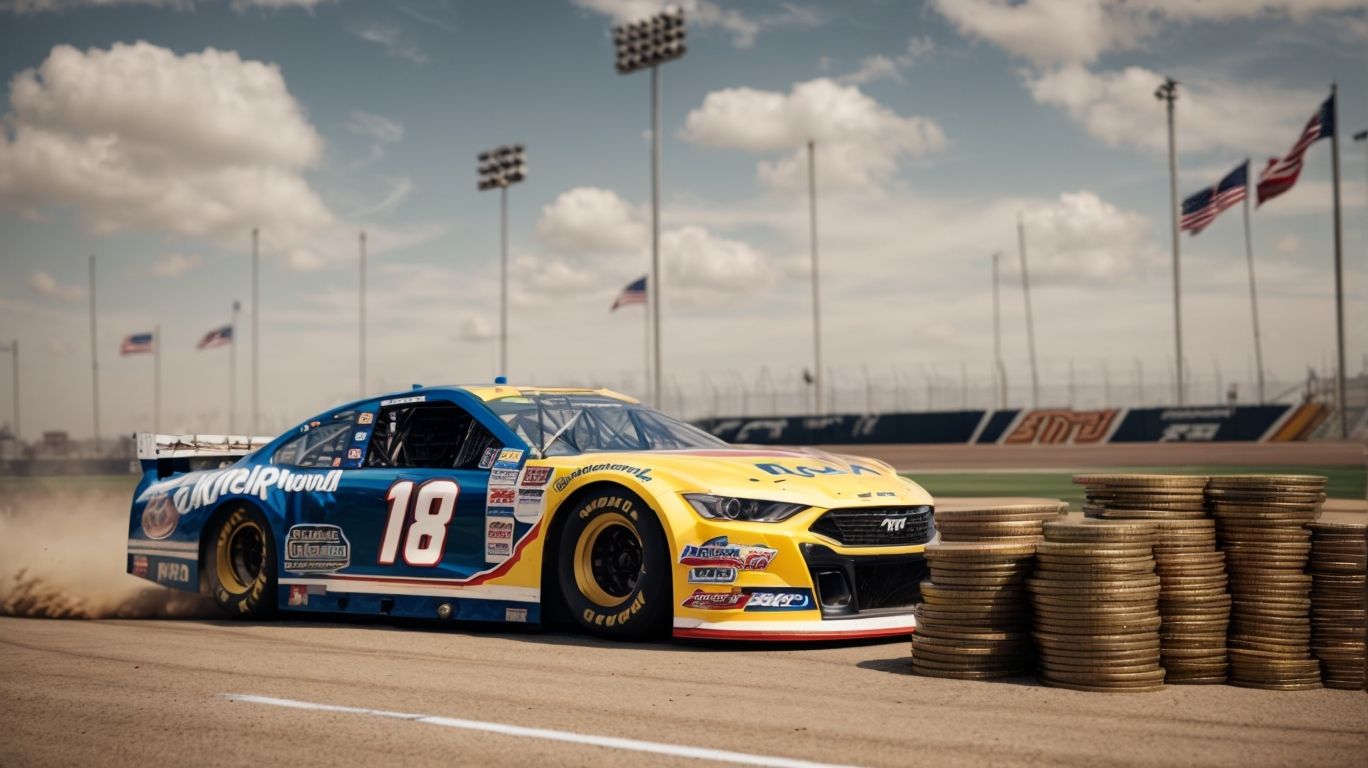
Do Nascar Drivers Get Paid if They Lose?
Ever wondered how Nascar drivers make their living?
From salaries to endorsements, winnings to bonuses, there are various ways these drivers earn their keep both on and off the track.
Do Nascar drivers still get paid if they lose?
We will explore the intricacies of Nascar driver compensation, including prize money distribution, performance-based pay, sponsorship deals, and appearance fees.
Join us as we uncover the financial world of Nascar racing.
Key Takeaways:
How Do Nascar Drivers Get Paid?
NASCAR drivers receive payments through various avenues, including salaries, earnings from races, lucrative endorsements, and sponsorships.
Salaries in NASCAR are typically based on factors like a driver’s experience, performance, and marketability. Top drivers command substantial annual salaries, often reaching into the millions. Plus salaries, drivers earn significant amounts from race winnings, with major events offering substantial prize money to top finishers. Endorsements play a crucial role in a driver’s income, with successful drivers securing deals with prominent brands to promote products and services. Sponsorship deals are another important revenue stream, where drivers carry the branding of companies on their cars, racing suits, and team merchandise.
Salary
A key component of a NASCAR driver’s income is their salary, often structured through contractual agreements with their respective teams.
NASCAR driver salaries are crucial in determining their financial well-being and ensuring a stable income stream. These professional racers negotiate their pay based on various factors such as performance, market value, and sponsorships. The contractual arrangements between drivers and teams not only outline the financial terms but also establish the driver’s role within the team hierarchy.
- The relationship between a driver and their team is vital as it dictates the level of support, resources, and opportunities available to the driver. Strong team dynamics can lead to better performance on the track, which in turn enhances the driver’s market value and bargaining power during salary negotiations.
- Salaries in NASCAR reflect not only the driver’s skill behind the wheel but also their ability to attract sponsors and generate revenue for the team. Team owners often invest in drivers they believe can bring fame and success to their organization, leading to lucrative contracts for top performers.
Winnings
NASCAR drivers earn significant amounts through race winnings, prize money from competitions, and bonuses for achieving champion status.
These drivers not only face intense competition on the track but also have the potential to cash in big time when they secure victory. Race winnings alone can range from thousands to millions of dollars depending on the event and sponsorships involved. Prize pools offer lucrative opportunities for drivers to boost their earnings further. It’s the bonuses tied to championship titles and winning prestigious competitions that truly make a significant impact on a driver’s financial success. These bonuses often serve as hefty rewards for their exceptional skills and dedication to the sport.
Endorsements
Endorsements play a crucial role in a NASCAR driver’s income, with marketable drivers securing lucrative sponsorship deals and merchandising opportunities.
In the world of NASCAR racing, a driver’s ability to attract endorsements is not just about their skill behind the wheel, but also their appeal to a wide audience. Through these partnerships, drivers can elevate their earnings significantly. Successful sponsorship deals not only bring financial rewards but also provide drivers with added exposure and increased brand recognition.
Merchandising ventures linked to these endorsements offer fans the chance to connect with their favorite driver on a more personal level. The sale of branded merchandise, such as clothing, die-cast cars, and accessories, becomes a key revenue stream, bolstering the overall income of the driver.
Bonuses
NASCAR drivers can boost their income through bonuses tied to owner points, the charter system, and additional earnings from race purses.
Owner points play a significant role in determining the allocation of bonuses, as drivers who consistently perform well accumulate more points, thus becoming eligible for higher financial rewards. The charter system, introduced in 2016, has further solidified the stability of teams by providing guaranteed starting spots and increased revenue potential, leading to enhanced bonus structures for drivers affiliated with chartered teams.
The size of race purses directly impacts the bonus amounts, with drivers earning a share of the total purse based on their performance and final standings. This intricate bonus ecosystem significantly influences a NASCAR driver’s overall earnings and financial success.
Do Nascar Drivers Get Paid if They Lose?
Even if NASCAR drivers do not clinch victory in races, they still receive payments through prize money distribution and ongoing sponsorship deals.
This financial aspect of NASCAR racing is crucial for drivers as it provides a significant source of income, even when they may not end up on the winner’s podium. The prize money distribution system ensures that drivers are financially rewarded based on their performance and rankings in each race. The stability of sponsorship deals further enhances the financial security of drivers, offering them a consistent stream of revenue throughout the season. Participating in competitions not only brings the thrill of racing but also opens up avenues for lucrative financial rewards, making NASCAR a rewarding venture for talented drivers.
Prize Money Distribution
Prize money in NASCAR is distributed based on race purses across various series, providing drivers with income regardless of their individual race performances.
Each NASCAR series, including the Cup Series, Xfinity Series, and Truck Series, has its own race purses that contribute to the overall prize money pool. The prize money allocation formula often takes into account factors such as finishing positions, laps led, and overall championship standings. In the Cup Series, for example, race winners typically receive a significant share of the purse, while lower-ranking finishers still earn a portion of the total prize money. This system ensures that drivers have the potential to earn income even if they don’t secure top finishes in every race.
Performance-Based Pay
NASCAR drivers can receive performance-based pay structures in addition to their salaries, ensuring continuous income even during challenging seasons or races.
These systems often include bonuses tied to race placements, sponsorship deals, and other performance metrics, providing drivers with incentives to push their limits on the track. In NASCAR, the pay structure typically consists of a base salary along with additional rewards for achieving podium finishes, leading laps, or winning championships.
For drivers, this model not only rewards on-track success but also offers a safety net in case of a dip in performance. The salary continuation mechanisms in place ensure a steady stream of income, irrespective of race outcomes or sponsorship fluctuations.
Sponsorship Deals
Sponsorship deals are vital income sources for NASCAR drivers, especially those who are highly marketable and may even lead to opportunities for team ownership.
Marketability plays a crucial role in attracting lucrative sponsorship deals for NASCAR drivers. The endorsement and support from big companies can significantly enhance a driver’s financial standing. Plus sponsorships, drivers can also capitalize on revenue streams from race winnings, merchandise sales, and appearance fees. Diversifying income sources safeguards against uncertainties in the racing industry, making it important for drivers to cultivate a strong personal brand that appeals to sponsors and fans alike.
Appearance Fees
Some NASCAR drivers augment their earnings through appearance fees at events, conferences, or through collaborations with financial websites, leveraging their marketability.
These appearance fees are often negotiated as part of sponsorship deals and endorsements. NASCAR drivers are sought after for their ability to attract audiences, boost brand visibility, and connect with fans on a personal level. This not only adds to their income but also solidifies their position in the racing industry. Marketability plays a crucial role in securing lucrative deals, securing sponsorship agreements, and unlocking various financial opportunities.
What Happens if a Nascar Driver Gets Injured?
In the unfortunate event of a NASCAR driver sustaining an injury, they may rely on insurance coverage, existing sponsorship deals, and alternative income sources to navigate financial challenges.
Insurance coverage plays a crucial role in protecting drivers’ financial well-being, providing them with compensation for medical expenses, lost wages, and rehabilitation costs. This safety net enables drivers to focus on recovery without the added burden of financial strain. Alongside insurance, the stability of existing sponsorship deals becomes essential during the driver’s recovery period.
Sponsorship revenues often constitute a significant portion of a driver’s income, with sponsors standing by drivers during difficult times, ensuring a level of financial support. To further enhance financial security, diversification of income sources is paramount. Drivers who have multiple revenue streams, such as merchandise sales, appearance fees, and investments, are better equipped to withstand financial setbacks, safeguarding their financial well-being in the long run.
Insurance Coverage
Insurance coverage serves as a critical safety net for NASCAR drivers, providing financial protection in case of injuries and supporting salary continuation when unable to compete.
For NASCAR drivers, injuries are not just physical setbacks but also potential financial burdens. The rigorous nature of the sport puts drivers at risk of accidents that can result in temporary or permanent disability, impacting their ability to earn a living. In such cases, having robust insurance coverage becomes paramount. It acts as a shield, ensuring that drivers can focus on their recovery without worrying about the financial implications. By safeguarding their income and offering financial stability, insurance plays a pivotal role in maintaining the well-being and security of NASCAR drivers.
Salary Continuation
Salary continuation clauses in contracts provide NASCAR drivers with financial support in case of injuries or unforeseen circumstances that affect their ability to race.
These clauses essentially act as a safety net, ensuring that drivers continue to receive a portion of their salary even if they are unable to compete due to injuries. This financial stability is crucial for drivers as it helps them meet their financial obligations and maintain a certain quality of life during downtime.
By incorporating salary continuation clauses into their contracts, drivers can rest assured that their income streams are safeguarded, allowing them to focus on recovery and rehabilitation without worrying about the financial implications of being sidelined.
Sponsorship Deals
Existing sponsorship deals can offer financial support to injured NASCAR drivers, serving as essential income sources during recovery periods for those who are highly marketable.
These partnerships not only provide a financial cushion but also showcase the symbiotic relationship between athletes and brands. NASCAR drivers whose images align with sponsors’ values often have a broader range of options when seeking support.
Sponsorship deals contribute significantly to covering medical bills, rehabilitation costs, and loss of income during recovery. In return, sponsors benefit from increased brand exposure, credibility, and consumer loyalty through their association with top-performing drivers.
How Much Do Nascar Drivers Make?
The income of NASCAR drivers varies significantly, with top earners like Kyle Busch and Kyle Larson commanding substantial salaries and earnings, while the average driver’s income is influenced by factors like team budget and race purses.
Top NASCAR drivers such as Kyle Busch and Kyle Larson not only earn from their race winnings but also from lucrative sponsorship deals and endorsements, which can skyrocket their total earnings. On the other hand, for the majority of NASCAR drivers, their income heavily relies on securing sponsorships, performance bonuses, and a share of the race purses. The disparity in earnings within the NASCAR community underscores the importance of consistently securing high-paying sponsorships and performing well in races to increase one’s financial standing.
Top Earners in Nascar
NASCAR boasts top earners like Kyle Busch and Kyle Larson, who are among the highest-paid drivers in the sport due to their successful careers and lucrative contracts.
Both Kyle Busch and Kyle Larson have amassed an impressive list of victories throughout their NASCAR careers, solidifying their positions as elite drivers in the sport. Kyle Busch, known for his aggressive driving style and exceptional talent, has clinched over 50 Cup Series wins and two Cup Series championships.
Kyle Larson, on the other hand, has showcased remarkable consistency and skill, securing multiple wins across different series and earning him lucrative sponsorship deals with top brands like Chevrolet and McDonald’s.
These drivers’ abilities to consistently perform at the highest level, combined with their marketability and fan appeal, have contributed significantly to their status as top earners in NASCAR.
Average Salary of Nascar Drivers
The average salary of NASCAR drivers is influenced by factors such as contractual agreements, the racing series they participate in, and the level of marketability they possess.
Contractual agreements play a crucial role in determining how much a NASCAR driver earns annually. These agreements can include base salaries, performance bonuses, sponsorship deals, and revenue-sharing arrangements, all of which contribute to the overall income of the driver. The racing series that drivers compete in can significantly impact their earnings. Drivers in higher-tier series like the Cup Series are likely to command higher salaries compared to those in lower-tier series.
Factors Affecting Salary
Several factors influence the salary of NASCAR drivers, including team ownership opportunities, endorsement contracts, and the overall business landscape of NASCAR.
Regarding team ownership, some top drivers have stakes in their respective teams, offering them additional revenue streams beyond their driving contracts. These ownership ventures can greatly boost their earnings and allow them to have a more significant impact on the team’s performance.
Lucrative endorsement deals play a crucial role in a driver’s total income, with sponsorships from companies ranging from automotive brands to energy drinks providing substantial financial backing. The business environment within NASCAR, encompassing factors such as television rights, sponsorship deals, and race winnings, also plays a vital role in determining driver salaries.
Frequently Asked Questions
Do Nascar Drivers Get Paid if They Lose?
Yes, Nascar drivers do get paid if they lose a race.
What is the salary for Nascar drivers?
The salary for Nascar drivers varies depending on their level of experience and success, but top drivers can earn millions of dollars per year.
Do Nascar drivers only get paid for racing?
No, Nascar drivers also receive endorsements and sponsorships that can contribute significantly to their overall income.
Do Nascar drivers get paid for every race?
Yes, Nascar drivers typically receive a base salary and bonuses for each race they participate in.
Is there a difference in pay between winning and losing Nascar drivers?
Yes, winning Nascar drivers often receive larger bonuses and endorsements than those who do not perform as well on the track.
Are there any other ways for Nascar drivers to earn money besides racing?
Yes, Nascar drivers can also earn money through appearances, merchandise sales, and licensing deals.