
Is Nascar Making a Comeback?
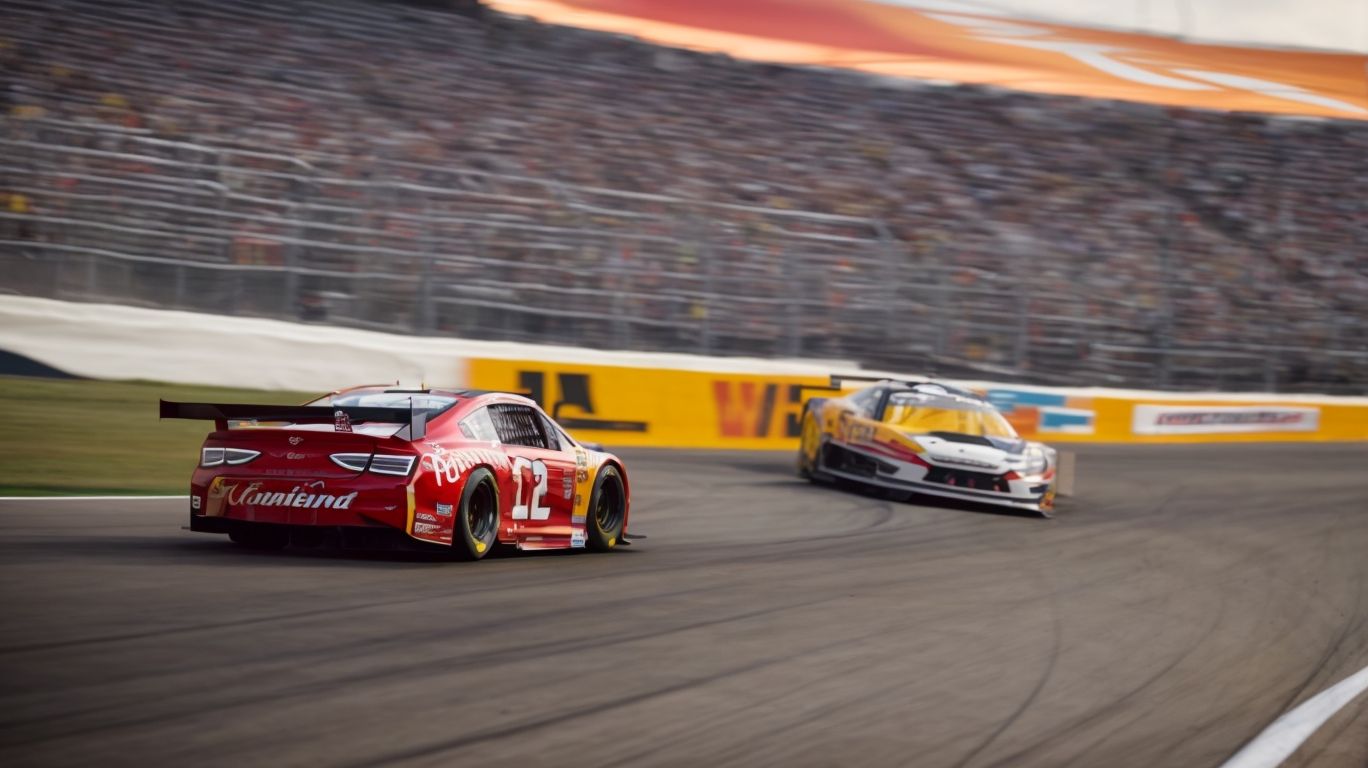
NASCAR, the beloved American auto racing sport, has had ups and downs throughout its storied history.
From humble beginnings to becoming a cultural phenomenon, NASCAR has faced challenges leading to a recent decline.
Efforts to revitalize the sport have sparked hope for a comeback. We will explore the history of NASCAR, its current state, and the potential benefits and challenges of its resurgence.
Is NASCAR making a comeback? Let’s find out.
Key Takeaways:
What is NASCAR?
NASCAR, known as the National Association for Stock Car Auto Racing, is a premier motorsports organization that organizes and sanctions multiple racing events throughout the season.
Founded in 1948, NASCAR has become one of the most popular forms of auto racing in the world, particularly in the United States. The organization oversees various racing series, such as the NASCAR Cup Series, Xfinity Series, and Truck Series, each offering unique racing experiences and drawing in huge crowds of avid fans. Drivers like Jimmie Johnson, Dale Earnhardt Jr., and Kyle Busch have become household names due to their success in NASCAR competitions, showcasing their skills on iconic tracks such as Daytona International Speedway and Talladega Superspeedway.
History of NASCAR
The history of NASCAR is rich with iconic races, legendary drivers, and memorable championships that have shaped the landscape of stock car racing over the years.
One of the most significant turning points in NASCAR’s history was the establishment of the Strictly Stock Division in 1949, which later evolved into the premier series known as the NASCAR Cup Series.
Throughout the decades, NASCAR has witnessed the rise of stars like Richard Petty, Dale Earnhardt, and Jeff Gordon, who have left a lasting impact on the sport with their remarkable achievements.
Daytona 500, considered the Super Bowl of NASCAR, became a prestigious event, showcasing intense competition, dramatic finishes, and defining moments that captured fans’ hearts worldwide.
How Did NASCAR Begin?
NASCAR had humble beginnings in the Southern United States, with the first official race taking place at the historic North Wilkesboro Speedway, marking the inception of a motorsport phenomenon.
NASCAR, short for the National Association for Stock Car Auto Racing, was founded in 1948 by Bill France Sr., a visionary who saw the potential for stock car racing to captivate audiences across America. The roots of NASCAR can be traced back to the Prohibition era when moonshine runners modified their cars to outrun the law, eventually evolving into organized competitions.
As NASCAR gained popularity, enthusiasts flocked to witness thrilling races at tracks like Daytona International Speedway and Talladega Superspeedway, embracing the heart-pounding action and fierce competition that became hallmarks of the sport.
When Did NASCAR Become Popular?
NASCAR started gaining widespread popularity in the mid-20th century, as fans flocked to witness the thrill of high-speed races, sparking a passionate following that continues to grow today.
One of the pivotal moments in NASCAR’s history that significantly contributed to its surge in popularity was the introduction of the Daytona 500 in 1959. This race quickly became known as the ‘Super Bowl of Stock Car Racing,’ drawing massive crowds and media attention, propelling NASCAR into the limelight.
The 1979 Daytona 500, often referred to as the ‘The Fight,’ was another landmark event that captivated audiences. The dramatic finish between rivals Cale Yarborough and Donnie Allison turned into a fistfight, creating headlines and further solidifying NASCAR’s reputation for intense competition and fiery rivalries.
What Caused the Decline of NASCAR?
NASCAR faced challenges in the recent past, with factors like changes in audience preferences, economic shifts, and internal dynamics contributing to a decline in its once dominant position in the racing world.
One of the significant aspects affecting NASCAR’s decline was the noticeable shift in demographics, with younger generations showing less interest in traditional racing events.
The economic landscape played a crucial role as rising costs for both teams and fans made it less accessible and appealing to a broader audience.
Internal changes within NASCAR itself, such as management decisions and rule alterations, alienated some of its core fan base and drivers, leading to a gradual erosion of its fan base and overall popularity.
Is NASCAR Making a Comeback?
NASCAR’s recent initiatives and strategic moves suggest a potential comeback, as the organization focuses on revitalizing the sport, engaging fans, and introducing innovative changes to enhance the racing experience.
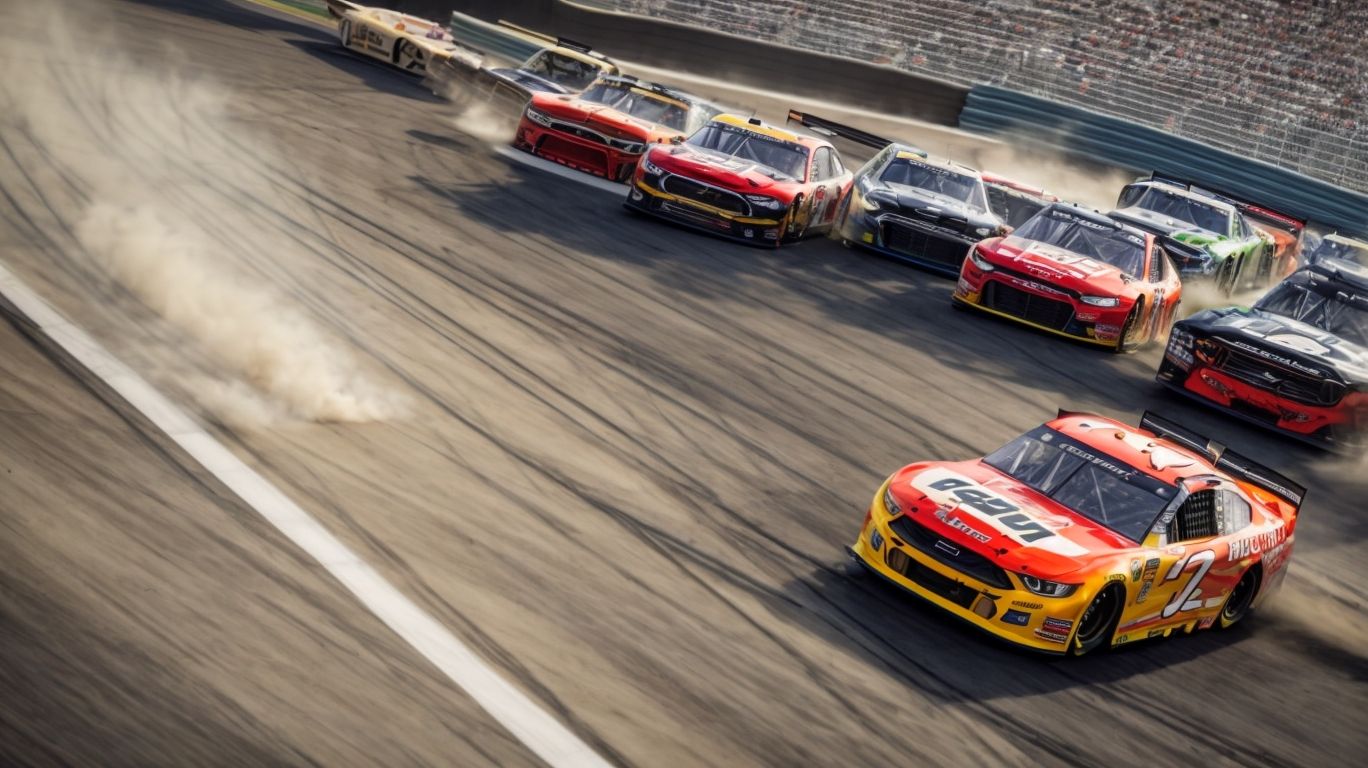
One of the key strategies NASCAR has employed is enhancing the on-track product. By tweaking rules, implementing new technology, and promoting competitive racing, the sport aims to captivate audiences and keep them on the edge of their seats. This approach not only boosts excitement but also attracts new fans to the sport.
Fan engagement has also been a top priority for NASCAR. From interactive social media campaigns to driver meet-and-greets, the organization is leaving no stone unturned in creating a community feel among supporters. By establishing a strong connection with fans, NASCAR aims to build long-lasting relationships that go beyond just race day.
What Changes Have Been Made to Improve NASCAR?
NASCAR has implemented significant changes, including the introduction of hybrid engines, new race formats, and enhanced safety measures to elevate the quality of competition and appeal to a broader audience.
One of the most notable advancements in NASCAR’s push for innovation is the integration of hybrid engines. This technology not only enhances performance but also promotes sustainability, aligning with the global focus on environmental responsibility. The enhanced safety measures implemented by NASCAR have been crucial in safeguarding drivers and improving overall race conditions. The introduction of new race formats has injected excitement into the sport, keeping fans engaged and enhancing the overall spectator experience.
How Have Fan Attendance and TV Ratings Been Affected?
Fan attendance and TV ratings have seen fluctuations in recent years, influenced by factors such as media rights agreements, entertainment alternatives, and evolving viewer preferences in the digital age.
Media rights deals play a significant role in the availability and accessibility of sports content to the audience. The vast sums involved in these agreements impact how games are broadcast and consumed, affecting fan engagement levels. The rise of streaming services and on-demand entertainment has introduced stiff competition for fan attention. Viewers now have a plethora of options beyond traditional sports broadcasts, which has altered the way they interact with sports content.
What Are the Future Plans for NASCAR?
NASCAR’s future roadmap includes a blend of technological advancements, new event announcements, and collaborations within the automotive industry to position the sport for sustained growth and relevance.
Looking ahead, NASCAR is dedicated to integrating cutting-edge technological innovations that enhance both the fan experience and the competitiveness of the races. This strategic vision encompasses not only the utilization of advanced data analytics for performance optimization but also the exploration of sustainable practices to minimize the environmental impact of the sport.
Along with these forward-looking initiatives, NASCAR’s agenda involves forging strategic partnerships with leading entities in the automotive sector. By aligning with innovative companies at the forefront of automotive technology, NASCAR aims to stay at the vanguard of progress in the industry while offering fans exciting new experiences both on and off the track.
What Are the Benefits of NASCAR’s Comeback?
NASCAR’s resurgence brings a host of benefits, offering drivers and teams enhanced opportunities for competition, fans and spectators more thrilling racing experiences, and sponsors and advertisers increased visibility and engagement.
For drivers and teams, the revival of NASCAR means more chances to showcase their skills on a prominent stage, attracting not just fans but potentially new sponsors as well. The increased exposure and recognition that come with racing in NASCAR can open doors to lucrative partnerships and endorsements.
Fans, on the other hand, can anticipate heart-pounding races filled with adrenaline-pumping moments, making every lap an exciting experience. This heightened level of competition and entertainment not only keeps existing fans engaged but also attracts new audiences to the sport.
For Drivers and Teams
NASCAR’s comeback presents drivers and teams with new opportunities to showcase their skills, compete for prestigious championships, and collaborate with leading manufacturers to drive innovation in the sport.
For drivers, the resurgence of NASCAR means a chance to gain exposure on a national stage, attracting potential sponsors and broadening their fan base. Securing sponsorships is vital for sustaining a successful racing career, as these partnerships provide financial backing for equipment, team support, and race entries. With increased media coverage and fan engagement, drivers can enhance their marketability and leverage this newfound attention into long-term endorsements and brand partnerships.
Teams, on the other hand, benefit from NASCAR’s rejuvenation by attracting top talent, from skilled crew members to experienced engineers. With more exposure and recognition, teams can expand their operations, invest in cutting-edge technology, and forge strategic alliances with manufacturers to fine-tune their race cars. In turn, these partnerships with manufacturers enable teams to access the latest advancements in automotive engineering, giving them a competitive edge on the track while driving innovation within the sport.
For Fans and Spectators
Fans and spectators stand to gain from NASCAR’s revival through immersive race experiences, diverse event offerings, and engaging entertainment that fosters a sense of community and excitement among enthusiasts.
As NASCAR roars back into the limelight, attendees can look forward to more than just thrilling races. The blend of live music events, interactive activities, and behind-the-scenes access adds an extra layer of excitement to the entire race weekends. The renewed focus on community engagement initiatives, such as charity drives, local partnerships, and fan interactions, further cements NASCAR’s reputation as not just a sport but a shared experience that unites individuals from all walks of life.
For Sponsors and Advertisers
Sponsors and advertisers in NASCAR’s ecosystem benefit from increased visibility, targeted marketing opportunities, and strategic partnerships facilitated by media rights agreements, enhancing brand exposure and consumer engagement.
In the competitive world of motorsports, NASCAR provides a unique platform for sponsors and advertisers to reach a vast audience of passionate fans. The high-speed races attract viewers from diverse demographics, offering a prime opportunity for brands to connect with consumers on a personal level. This heightened exposure not only boosts brand recognition but also fosters brand loyalty among devoted racing enthusiasts.
NASCAR’s resurgence has opened doors for innovative marketing strategies. By leveraging the sport’s popularity and widespread coverage, sponsors can create engaging campaigns that resonate with fans beyond the racetrack. These strategies can range from social media activations to experiential marketing events, deepening the bond between brands and their target market.
Challenges and Obstacles for NASCAR’s Comeback
Despite the positive momentum, NASCAR’s revival faces challenges such as fierce competition from other sports, evolving audience preferences, and financial constraints that demand strategic navigation and innovative solutions.
One of the key hurdles for NASCAR in its bid for resurgence is the shifting competitive landscape within the sports industry. With the rise of various sports leagues and entertainment options, capturing and retaining audience attention has become increasingly challenging. The changing demographics present another obstacle, as younger generations show different preferences and consumption habits compared to traditional NASCAR fans.
The financial pressures on NASCAR teams, sponsors, and venues necessitate a delicate balance between generating revenue and investing in enhancing the overall fan experience. This requires innovative strategies to optimize resource allocation and maximize returns in a dynamic market environment.
Competition from Other Sports and Entertainment
NASCAR faces stiff competition from various sports and entertainment offerings globally, including the allure of European motorsports, demanding strategic differentiation and audience engagement strategies to stay relevant.
With the rise of Formula One’s popularity in Europe, NASCAR must navigate challenges posed by the sophistication and glamour associated with F1 races. The European market, with its rich history of motorsports, presents a formidable battleground for NASCAR in terms of attracting fans and sponsors. The emergence of other global sporting events, such as soccer’s UEFA Champions League and tennis’ Wimbledon, further intensifies the competition for viewership and fan engagement.
To counter these challenges, NASCAR has been focusing on enhancing the overall fan experience through innovative technologies and interactive content. The implementation of virtual reality experiences, fan-driven initiatives, and strategic partnerships with social media platforms are some of the key tactics employed by NASCAR to maintain and grow its audience base.
Changing Demographics and Audience Preferences
Shifts in demographics and evolving audience preferences pose challenges to NASCAR’s resurgence, requiring adaptive strategies to appeal to a diverse and dynamic fan base that seeks unique experiences and meaningful connections with the sport.
As technology continues to shape how individuals consume content and interact with entertainment, NASCAR must leverage digital platforms and innovative marketing tactics to reach a wider audience. Understanding the preferences of millennials and Gen Z, who value authenticity and interactive experiences, is essential for the sport’s growth. The emphasis on sustainability and social responsibility in modern society calls for NASCAR to integrate eco-friendly initiatives and community engagement programs. By embracing these shifts, NASCAR can establish itself as a forward-thinking brand that resonates with today’s fans.
Financial Struggles and Budget Cuts
Financial constraints and budget cuts present obstacles to NASCAR’s comeback, necessitating prudent financial management, revenue diversification, and cost-effective innovations to sustain growth and competitiveness in the sport.
One key area where NASCAR is focusing its efforts is on exploring new revenue streams, such as partnerships with tech companies for digital content and virtual experiences.
The organization is looking into implementing budget-friendly strategies, like optimizing travel expenses and reevaluating sponsorship deals to maximize returns.
By prioritizing financial sustainability measures, NASCAR aims to secure its long-term success and maintain its position as a premier racing entity in the world of motorsports.
Conclusion
NASCAR’s journey is a testament to the enduring spirit of stock car racing, with a storied history, passionate fan base, and a resilient legacy that continues to evolve through challenges and triumphs.
Since its inception in 1948, NASCAR has become synonymous with American racing culture, elevating drivers like Richard Petty, Dale Earnhardt, and Jeff Gordon to legendary status. The competitive nature of NASCAR has produced thrilling races, intense rivalries, and iconic moments that have left an indelible mark on motorsports history.
Through the years, NASCAR has faced changes in technology, safety regulations, and fan engagement, yet it has remained a powerhouse in the racing world, adapting and growing while staying true to its roots. The resilience of NASCAR is evident in how it navigates challenges, embraces innovation, and continues to captivate audiences around the globe.
Frequently Asked Questions
Is Nascar Making a Comeback?
Yes, NASCAR is making a comeback in 2021 after a challenging year due to the pandemic.
What factors are contributing to Nascar’s comeback?
There are a few factors contributing to Nascar’s comeback, including new team ownership, a revamped schedule, and the return of fans to the track.
How has Nascar adapted to the pandemic in order to make a comeback?
Nascar has implemented strict safety protocols, such as limited fan capacity, health screenings, and mandatory masks, to ensure the safety of everyone involved in the races.
What changes can fans expect to see in Nascar’s comeback season?
Fans can expect to see a new schedule, with more road course races, and new teams and drivers joining the league. There will also be a focus on diversity and inclusion in the sport.
Are there any major events or races that fans should look out for in Nascar’s comeback season?
Yes, there are several notable events, including the Daytona 500, the Coca-Cola 600, and the return of the Nashville Superspeedway race.
What does the future hold for Nascar after its comeback?
Nascar is looking to continue its momentum and growth, with plans to expand into new markets and attract a more diverse fan base. The future looks bright for the sport’s comeback and beyond.