How Fast Nascar Under Caution?
Curious about what happens when a caution is called in NASCAR racing? This article will explore the different types of cautions, how they affect the race, and the speed of the cars under caution. We’ll also discuss the safety precautions taken during caution periods, the rules for passing, and how the leader is determined.
So, buckle up as we dive into the world of cautions in NASCAR and all that comes with it!
Key Takeaways:
What Is Caution in Nascar Racing?
Caution in NASCAR racing refers to a safety measure where a yellow flag is waved, signaling drivers to slow down and maintain their positions due to incidents on the track.
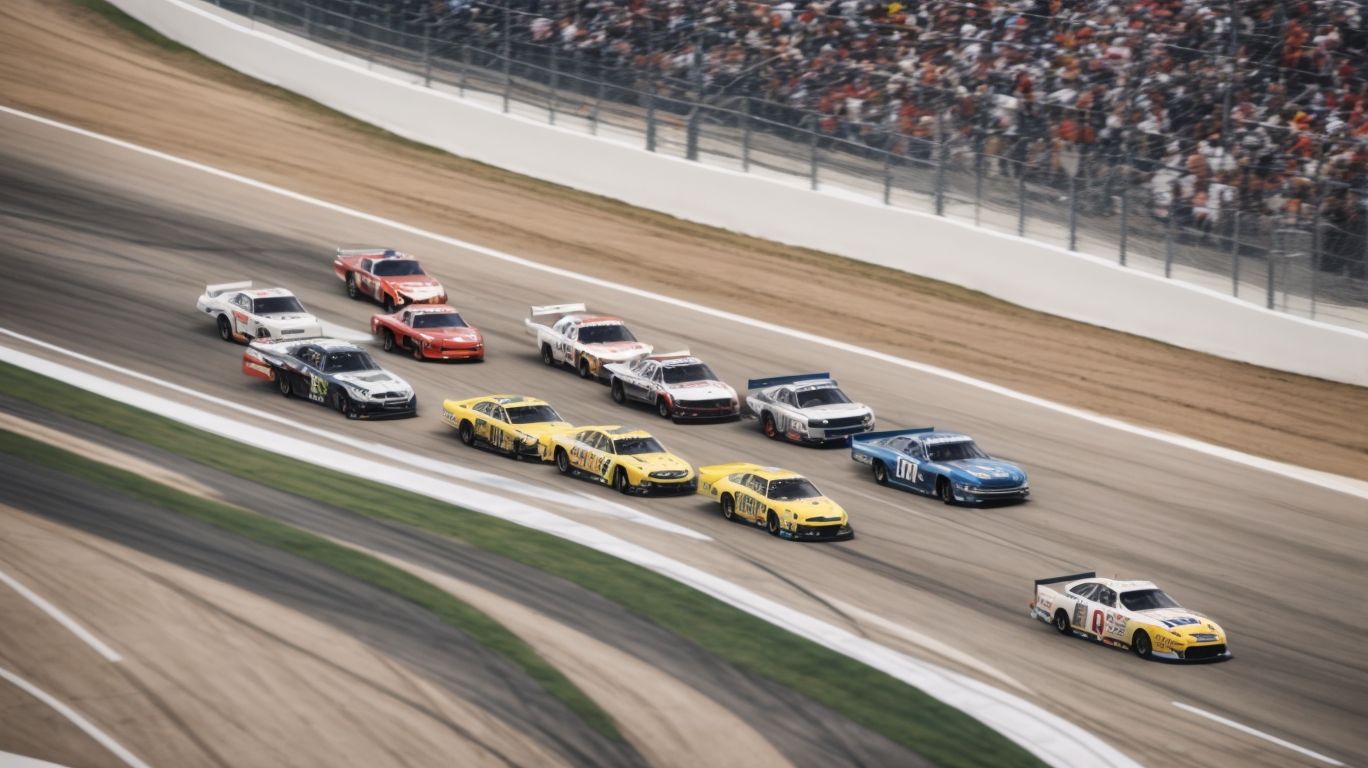
This pivotal protocol ensures the protection of drivers and on-track personnel from potential harm. When a caution is declared, cars reduce speed, forming a single-file line behind the pace car. This not only allows track officials to address any issues on the racing surface but also prevents further potentially dangerous incidents. Caution periods introduce an element of strategy into the race, affecting tire wear, fuel strategies, and pit stop decisions, influencing the overall outcome of the NASCAR event.
What Are the Different Types of Caution in Nascar?
Different types of cautions in NASCAR include regular cautions triggered by incidents like crashes on the track, debris cautions for objects that may pose a hazard to drivers, and competition cautions that allow teams to make adjustments.
In NASCAR, when a yellow flag is waved, it indicates a full course caution due to an accident or debris on the track. During this time, drivers are required to slow down, maintain their positions, and refrain from passing other cars until the track is clear. The number of caution
- laps
can vary depending on the severity of the incident, and teams often strategize on when to pit for fuel and tires, impacting the overall race outcome. Each caution period plays a significant role in reshuffling the field and testing the drivers’ skills under different circumstances.
How Does a Caution Affect the Race?
A caution period in NASCAR can significantly impact the race dynamics, affecting strategies, introducing the green-white-checkered rule for potential overtime finishes, and reshuffling the competition order.
When a caution flag waves during a NASCAR race, it adds an element of unpredictability and urgency to the proceedings. Drivers must quickly assess whether to pit for fresh tires, fuel, or stay out to gain track position. This split-second decision-making often sets the stage for exciting battles on the track as various strategies unfold.
The implementation of the green-white-checkered rule, allowing for a possible extension of the race beyond its scheduled distance, adds another layer of suspense. Teams have to adjust their fuel calculations and strategize for potential overtime scenarios, ensuring they have enough fuel to finish strong if the race goes into extra laps.
Caution periods give drivers a chance to regroup, recalibrate their approach, and mount last-minute charges for positions. The order in which cars line up for the restart can dictate the final outcome, making restarts after cautions critical moments that can make or break a driver’s race.”
How Does a Caution Affect the Speed of the Race?
Cautions in NASCAR races impact the speed by slowing down the competition, allowing lapped cars to catch up to the lead pack, and changing the dynamic of the race as drivers adjust their pace.
When cautions are waved during a NASCAR race, it introduces a whole new tactical dimension to the event. The sudden slowdown in speed creates a level playing field for those who may have fallen behind, bringing lapped cars back into contention. This not only affects the competition pace but also requires drivers to strategize on-the-fly, deciding whether to pit for fresh tires and fuel, or capitalize on track position. The intricate dance between caution periods and green-flag racing shapes the ebb and flow of the race, making each decision crucial.
How Does a Caution Affect the Strategy of the Race?
Cautions impact the race strategy in NASCAR by prompting teams to make crucial decisions on pit stops, tire changes, fuel management, and adhering to NASCAR rules regarding restarts and passing under caution.
In NASCAR, when a caution flag is raised during a race, it can completely reshape the complexion of the competition. Teams are faced with split-second decisions that could either catapult them to victory lane or hinder their progress on the track. These caution periods serve as a pivotal moment for strategic maneuvers, with crew chiefs analyzing data, considering tire wear, fuel levels, and the overall race conditions to determine the optimal course of action.
The choice of when to pit becomes a high-stakes gamble, as it directly affects a team’s position in the race hierarchy. Pit stops under caution can be a game-changer, with teams strategizing to gain track position, replace worn-out tires, refuel efficiently, and make quick adjustments to stay competitive.
What Is the Purpose of Caution in Nascar?
The primary purpose of caution in NASCAR is to ensure the safety of drivers and track personnel by allowing the safety team to respond to incidents promptly and clear any hazards from the racing surface.
In the fast-paced world of NASCAR, where vehicles reach speeds that can exceed 200 miles per hour, the importance of caution cannot be overstated. Ensuring the safety of everyone involved in the high-octane sport is paramount, requiring a well-coordinated effort from track officials, safety personnel, and drivers themselves.
By implementing caution periods strategically, NASCAR not only safeguards the well-being of drivers but also allows for the effective management of unforeseen incidents on the track. This proactive approach enables the safety team to swiftly mobilize, assess the situation, and provide assistance if needed, minimizing potential risks and ensuring a quick resolution to any challenges that may arise.
How Fast Do Nascar Cars Go Under Caution?
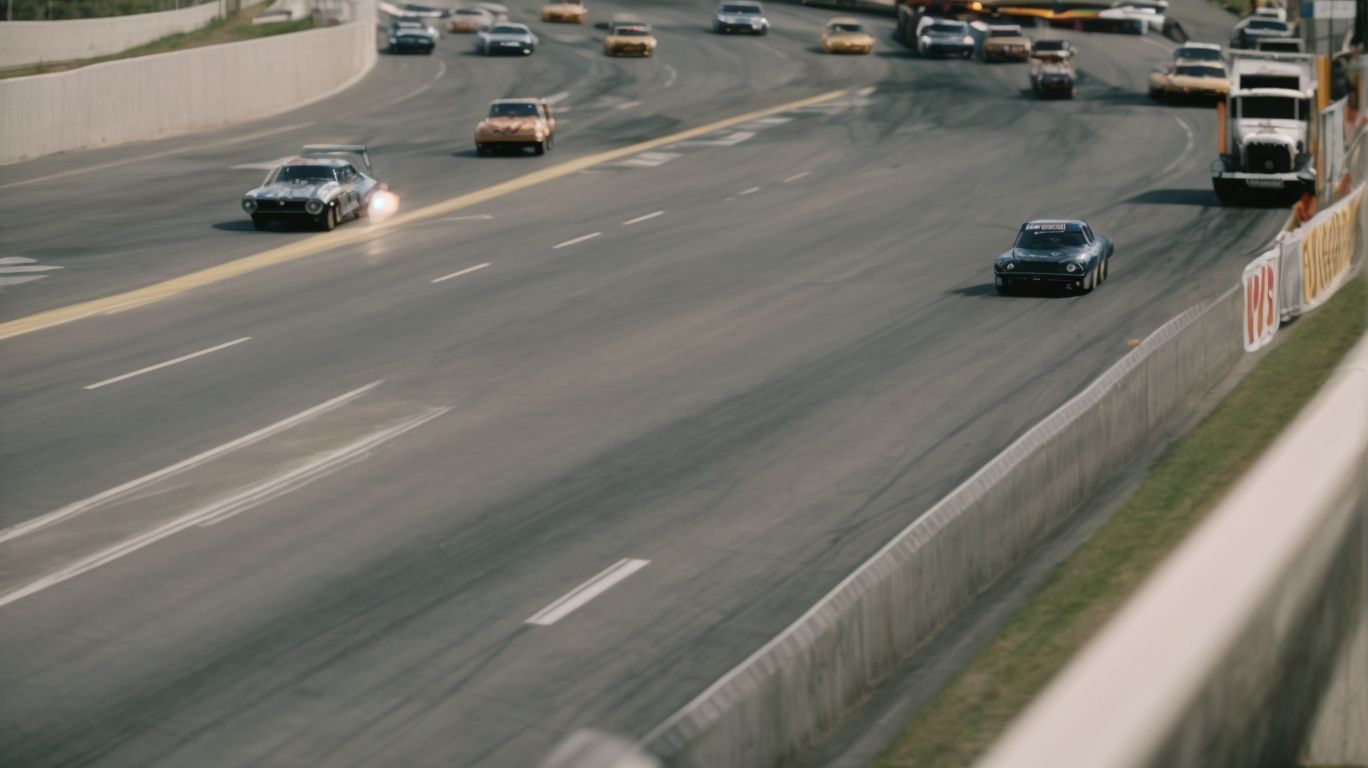
NASCAR cars under caution typically operate at reduced speeds, often pacing around the track at controlled speeds to ensure safety and maintain a safe distance between vehicles.
During caution periods, NASCAR cars are advised to maintain a specific speed range to prevent accidents and allow for proper handling in case of unexpected incidents. Factors such as track conditions, weather, and the presence of debris play a crucial role in determining the appropriate speed adjustments. Drivers must adhere to these speed restrictions diligently, ensuring that they uphold safety standards for themselves and their competitors. Each caution lap brings a unique set of challenges as drivers navigate the track with heightened awareness, scrutinizing their surroundings to make split-second decisions that could impact the outcome of the race.
What Factors Affect the Speed of Nascar Cars Under Caution?
The speed of NASCAR cars under caution is influenced by factors such as track conditions, the presence of the pace car leading the field, and the layout of the racing surface.
Track characteristics play a significant role in determining how NASCAR cars navigate under caution.
Oval tracks with long straightaways allow vehicles to reach higher speeds compared to tighter, more winding tracks. The banking of the track can impact how much throttle drivers can apply. The positioning of the pace car in relation to the front of the field is crucial; maintaining a consistent gap helps regulate the speed of the cars. The layout of the track itself, whether it has multiple grooves or is predominantly single-file, affects how cars can maneuver and impact their speed.
How Is the Speed of Nascar Cars Under Caution Measured?
The speed of NASCAR cars under caution is precisely measured using transponder data installed in each vehicle, allowing race officials to monitor and regulate speeds effectively throughout caution periods.
Transponders are electronic devices that transmit a signal to receivers located around the race track, enabling real-time tracking of each car’s position and speed. The transponder data is crucial for ensuring compliance with safety regulations, as race control can instantly detect any speeding violations and impose penalties accordingly.
This technology not only enhances the safety aspect but also contributes to the overall competitiveness of the sport. By accurately measuring speeds, officials can maintain a level playing field and prevent any unfair advantages, thereby upholding the integrity of NASCAR races.
What Are the Safety Precautions Taken During Caution in Nascar?
During caution periods in NASCAR, safety precautions include the deployment of the safety team to incident sites, drivers communicating with pit crews, and the utilization of safety equipment like helmets and seat belts.
The safety team, composed of skilled professionals, swiftly rushes to the scene to assess any potential risks and assist drivers in need. This team is equipped with specialized tools and knowledge to handle various emergency situations effectively.
Driver-pit crew interactions become crucial during caution periods as communication is key for making informed decisions – from strategy adjustments to gauging the condition of the racecar. The seamless coordination between drivers and their crews ensures quick responses to any necessary pit stops or car adjustments.
Safety equipment such as helmets and seat belts play a pivotal role in protecting drivers from potential injuries during high-speed races. These vital pieces of gear are meticulously designed to meet strict safety standards and provide a layer of defense in case of accidents.
How Do Drivers Communicate During Caution?
Drivers communicate during caution periods in NASCAR through radio systems, relaying information to their teams about track conditions, pit strategies, and transponder data feedback to adjust speeds.
These high-tech radio systems are vital for drivers to stay connected with their crew chiefs and spotters, providing real-time updates on the race environment. Team communication protocols ensure that crucial decisions like when to pit or whether to stay out are made swiftly and accurately.
Transponder data feedback, often received through electronic dash displays, plays a pivotal role in refining race strategies. This data includes information like lap times, sector splits, and competitor positions, aiding drivers in making informed choices to gain a competitive edge.
What Safety Equipment Do Drivers Use During Caution?
Drivers in NASCAR utilize safety equipment such as helmets, fire-retardant suits, gloves, and secure seat belts during caution periods to ensure personal protection in the event of accidents.
These safety measures are paramount in safeguarding the drivers against the high-speed impacts and potential fire incidents that can occur on the racetrack.
- The helmets worn by drivers are specifically designed to absorb impact energy and protect the head from severe injuries.
- Fire-retardant suits made from specialized materials provide a shield against flames and heat exposure, reducing the risk of burns in case of a fire-related mishap.
- Gloves offer enhanced grip on the steering wheel and gear shift, ensuring precise control even under challenging conditions.
- Secure seat belts keep the drivers firmly in place, minimizing the risk of ejection during collisions and aiding in maintaining proper posture for the most effective impact absorption.
What Are the Rules for Passing Under Caution in Nascar?
Passing under caution in NASCAR follows specific rules outlined by the governing body, restricting overtaking positions, maintaining position order, and penalizing violations to ensure fair competition.
When a caution is out, drivers are required to maintain their position relative to each other, and overtaking is strictly prohibited until the caution is lifted. Passing under caution can result in penalties such as being sent to the rear of the field or having laps deducted. It is crucial for drivers to respect these rules to uphold the integrity of the race and maintain a level playing field for all competitors. NASCAR officials closely monitor races to enforce these regulations and ensure compliance, often utilizing video replays and input from spotters to catch any infringements.
How Is the Leader Determined Under Caution in Nascar?
Determining the leader under caution in NASCAR involves assessing the scoring system, accounting for laps completed, laps back, and adherence to NASCAR rules governing lead transitions during caution periods.
When a caution flag is waved during a NASCAR race, cars line up behind the pace car based on their position on the track. The scoring system plays a crucial role in determining the leader, with the driver who is scored as the leader being the first car one or more laps down from the pace car. This means that the actual physical leader might not be the leader according to scoring. NASCAR officials also consider the number of laps back when determining the order of cars during caution.
Can a Race End Under Caution in Nascar?
In NASCAR, races can end under caution if the caution flag is displayed near the finish line, preventing overtaking opportunities and freezing the race results as cars cross the finish line under controlled speeds.
When the caution flag is waved close to the finish line, it signifies potential danger or an incident that warrants a temporary slowdown. This can happen late in the race when maintaining a high pace is crucial for securing victory.
As the cars approach the finish line under caution, the order in which they crossed the line determines their final positions. The significance of the finish line becomes paramount at this juncture, shaping the outcome of the race and the standings.
Teams must adapt quickly to these caution-based finishes, as it adds an element of unpredictability to the already intense closing stages of a race.
Frequently Asked Questions
What is the speed limit for Nascar under caution?
The speed limit for Nascar cars under caution is determined by the series officials, but it is typically around 40-45 mph.
Why is there a speed limit for Nascar cars under caution?
The speed limit is in place for safety reasons, as the cars are traveling at high speeds during the race and it allows for a controlled pace in case of accidents or debris on the track.
How is the speed limit enforced for Nascar cars under caution?
The speed limit is enforced through the use of a speedometer and GPS tracking system installed in the cars, which alerts drivers when they are exceeding the limit.
What happens if a Nascar driver exceeds the speed limit under caution?
If a driver is found to have exceeded the speed limit under caution, they may be issued a penalty, which could result in a loss of track position or even a drive-through penalty.
Is the speed limit under caution the same for all Nascar races?
No, the speed limit may vary depending on the track and the conditions of the race. For example, the speed limit may be lower on a shorter track or in wet weather conditions.
What is the purpose of the speed limit under caution in Nascar racing?
The speed limit serves to maintain a safe and consistent pace for all drivers, and also gives officials time to assess and handle any potential issues on the track.