Why Are Nascar Cars So Loud?
Nascar cars are known for their thunderous roar that can be heard from miles away.
We will explore the differences between Nascar cars and regular vehicles, the science behind the noise they produce, and the impact of their loud engines on drivers and the environment.
We will discuss the future of Nascar cars and potential regulations to reduce their noise levels.
Dive into the world of loud Nascar cars and discover what sets them apart from the rest.
Key Takeaways:
Why Are Nascar Cars So Loud?
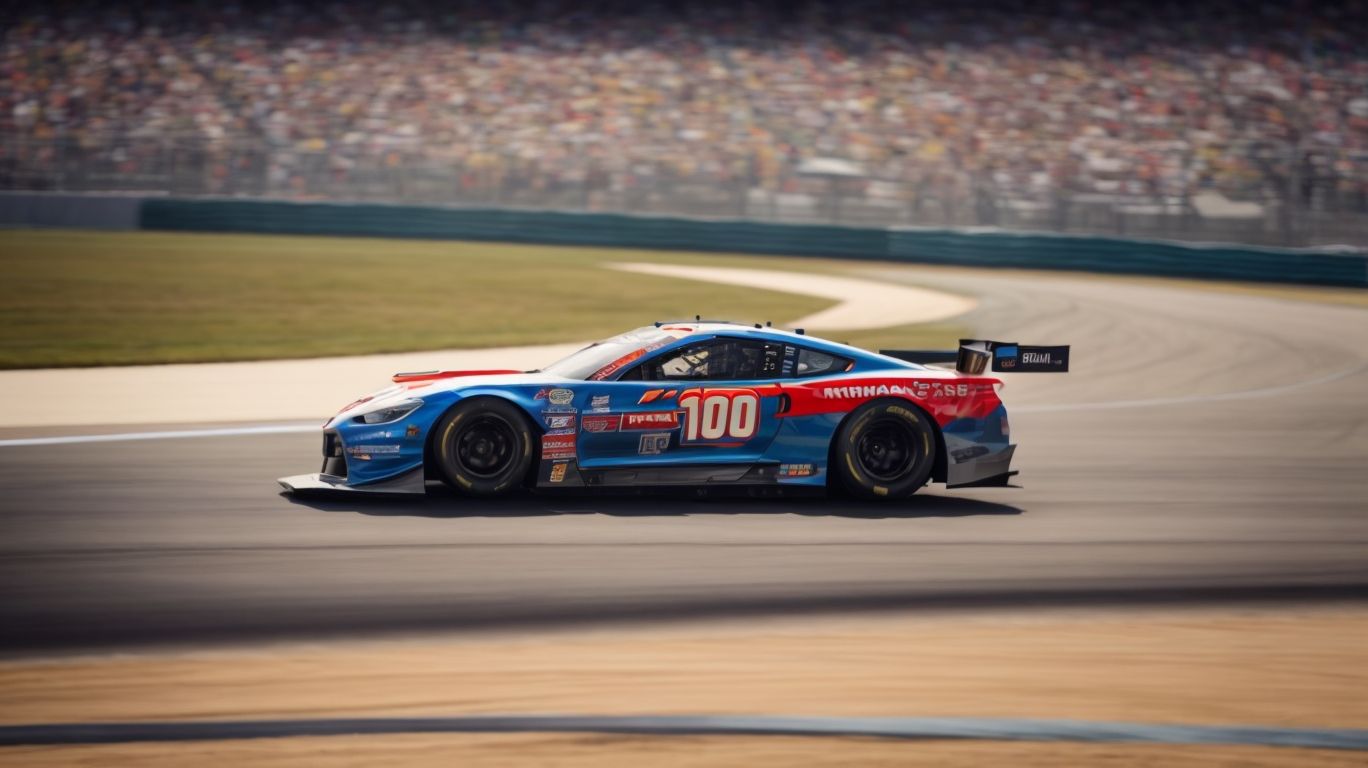
NASCAR cars are known for their deafening roar that resonates across tracks, captivating fans and showcasing the power of these high-performance racecars.
The unique design of NASCAR engines plays a significant role in creating this thunderous sound. These powerful machines are equipped with specialized exhaust systems that amplify the noise emitted during races. The engines boast an impressive amount of horsepower that contributes to the overall volume produced. NASCAR regulations also limit the use of mufflers, adding to the raw, intense auditory experience for spectators. With decibel levels reaching ear-splitting heights, the reverberations from these cars add to the thrill and drama of the event, creating an unforgettable sensory experience for fans.
What Makes Nascar Cars Different from Regular Cars?
NASCAR cars, particularly the Next Gen models, are distinct from regular cars due to their exceptional horsepower, optimized airflow dynamics, unparalleled performance capabilities, and unmatched sound levels.
The standout element of these Next Gen NASCAR cars is their innovative aerodynamic design, which not only enhances their speed but also increases their efficiency on the track. This aerodynamic efficiency is achieved through meticulous wind tunnel testing, optimizing every curve and angle to reduce drag and improve handling. The advancements in material technology have allowed for lighter yet stronger components, contributing to a more agile and responsive driving experience.
How Loud Are Nascar Cars?
The sound produced by NASCAR cars reaches staggering decibel levels, creating an intense and ear-piercing noise that necessitates the use of ear protection like earplugs for both drivers and spectators.
NASCAR cars can produce noise levels of around 130 to 140 decibels during races, which is equivalent to standing near a jet engine or a gun blast. This high sound intensity can cause temporary or permanent damage to hearing if not protected properly. Exposure to such loud noises without earplugs can lead to conditions like tinnitus or even hearing loss over time. Therefore, the usage of ear protection is crucial for reducing the risk of auditory damage and ensuring the safety and well-being of individuals in the racing environment.
The Science Behind the Noise
The thunderous noise of NASCAR cars can be attributed to the intricate interplay of engine mechanisms, exhaust configurations, and the delicate hair cells in the human ear that Alexander Graham Bell first studied.
When NASCAR cars roar around the track, the combustion engines within them release energy through controlled explosions that create intense sound waves. These waves travel through the air and eventually reach the ears of spectators and drivers alike. Inner ear hair cells play a crucial role in converting these sound waves into electrical signals that the brain interprets as noise. The research conducted by Alexander Graham Bell in the field of sound and transmission further illuminated the connection between sound production and its effects on human perception.
What is the Engine Size and Type of Nascar Cars?
NASCAR cars feature powerful engines that vary in size and type, with the Gen-6 car design emphasizing performance, speed, and endurance to meet the demands of high-speed racing circuits.
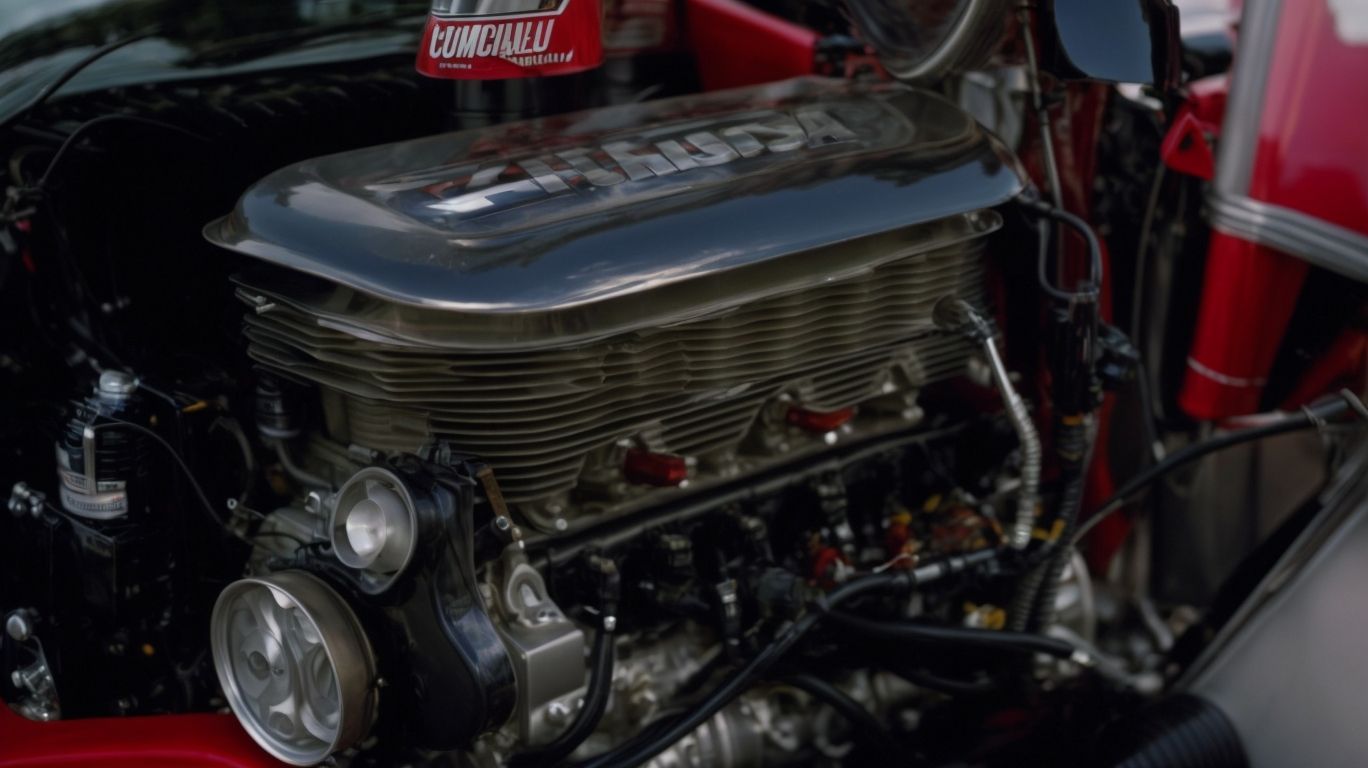
These engines come in V8 configurations predominantly, along with some V6 setups for specific races. The V8 engines used in NASCAR are known for their reliability and robust performance characteristics, making them ideal for the intense competition seen on the tracks.
Engine manufacturers such as Chevrolet, Ford, and Toyota play a significant role in supplying power units to teams, each bringing their unique engineering expertise to the table. The evolution of engine technology in NASCAR has been remarkable, with constant improvements to enhance efficiency, power output, and durability under extreme racing conditions.
How Many Cylinders Do Nascar Cars Have?
NASCAR cars typically boast powerful engines with a specific number of cylinders, optimized for high performance and racing efficiency on diverse tracks.
These high-performance engines are often configured with a V8 layout, which means they have eight cylinders arranged in a V-shaped formation. The V8 configuration is favored for its balance of power delivery and engine smoothness, ideal for high-speed racing like in NASCAR competitions.
Each cylinder in a NASCAR engine plays a crucial role in the combustion process, with more cylinders typically translating to higher power output and acceleration. Engine builders carefully fine-tune the cylinder count and design to meet the specific demands of different NASCAR race tracks, from short ovals to superspeedways.
What is the Role of the Exhaust System in Creating Noise?
The exhaust system of NASCAR cars plays a pivotal role in amplifying the distinctive noise heard during races, enhancing the auditory experience for fans and adding to the adrenaline-filled atmosphere on the track.
By manipulating the gas flow and pressure within the exhaust system, NASCAR cars produce a thunderous roar that reverberates across the racetrack, creating an intense sensory experience for spectators. This sound projection is crucial not only for the excitement of the fans but also for the drivers, who use the auditory cues to gauge the proximity and speed of the cars around them.
The track resonance further intensifies the heart-pounding effect, as the noise bounces back and forth between the grandstands and the surrounding environment, building up to a crescendo during high-speed maneuvers. This synchronized symphony of engine noises adds a dynamic layer to the race ambiance, enhancing the overall thrill and energy of the event.
The Impact of Loud Nascar Cars
The thunderous noise emitted by NASCAR cars not only affects drivers’ concentration and communication but also has repercussions on the environment surrounding the race tracks.
One of the primary challenges that drivers face due to the deafening noise is maintaining focus during races. The constant roar of engines can create a sensory overload, making it difficult for drivers to concentrate on the twists and turns of the track ahead. This distraction can be detrimental, impacting split-second decision-making and reaction times.
The high decibel levels can lead to communication difficulties among drivers and their pit crews. Clear communication is crucial in the fast-paced world of NASCAR racing, and the noise can hinder the ability to relay important information about tire wear, strategy changes, or potential hazards on the track.
How Does the Noise Affect the Drivers?
The relentless noise from NASCAR cars poses challenges for drivers, affecting their hearing acuity and necessitating the use of protective measures to safeguard against potential hearing damage.
Driver safety is paramount in the high-octane world of NASCAR, where the thunderous roar of engines can reach deafening levels. Given the prolonged exposure to such intense noise, drivers face significant risks to their auditory well-being. This continuous barrage of sound not only hampers their ability to hear crucial communications from their teams but also contributes to long-term hearing issues if left unaddressed.
Implementing hearing protection strategies becomes vital to mitigate these effects, ranging from specialized earplugs to noise-canceling headphones tailored for the dynamic racing environment. These measures not only shield drivers from immediate harm but also play a crucial role in preserving their auditory health in the long run.
What Are the Effects of Loud Nascar Cars on the Environment?
The intense noise generated by NASCAR races can have adverse effects on the environment, prompting concerns from organizations like NIOSH regarding noise-induced health risks and environmental impact assessments.
High noise levels from the roaring engines can contribute significantly to noise pollution, affecting not only the immediate surroundings but also resonating miles away from the race track. This sustained exposure to loud sounds can lead to issues like hearing loss, sleep disturbances, and increased stress levels within the communities neighboring the race events.
Noise pollution in such scenarios extends beyond just auditory discomfort; it can disrupt wildlife habitats, interfere with communication among species, and even alter ecosystems.
The continuous noise from NASCAR events can pose challenges for environmental assessments, as it can skew baseline noise levels and impact the accuracy of studies measuring other environmental parameters.”
The Future of Nascar Cars and Noise Regulations
The future of NASCAR cars entails advancements in noise reduction technologies and stricter regulations to mitigate the impact of loud engine noise on drivers, spectators, and the surrounding environment.
One key technology poised to revolutionize noise reduction in NASCAR cars is the use of advanced sound-dampening materials in engine components and exhaust systems. These materials would help absorb and minimize the noise generated during races, creating a more pleasant experience for both attendees and nearby residents. Industry initiatives are focusing on developing innovative exhaust systems that not only reduce noise levels but also enhance engine performance, ensuring a balance between regulatory compliance and competitive racing.
Are There Any Efforts to Reduce the Noise of Nascar Cars?
Various initiatives and research efforts are underway within the NASCAR community to explore innovative solutions for noise reduction, prioritizing driver safety, fan experience, and environmental protection.
One of the key focuses of these initiatives is to develop advanced noise-canceling technologies that can be integrated into NASCAR vehicles to significantly reduce the overall sound output during races. Collaborative projects between engineering teams and sound experts are diving into the intricate details of aerodynamics and engine design to identify specific areas where noise levels can be effectively attenuated without compromising performance.
This research not only aims to enhance the safety and comfort of drivers within the intense racing environment but also contributes to creating a more enjoyable and immersive experience for fans attending NASCAR events. By mitigating noise pollution, NASCAR is also aligning itself with broader sustainability goals by minimizing its environmental impact and fostering a more eco-friendly racing culture.
What Are the Proposed Solutions for Reducing Nascar Car Noise?
Proposed solutions for reducing NASCAR car noise encompass the development of advanced muffler technologies, such as those offered by Borla, to enhance sound insulation and ensure optimal hearing protection for drivers and spectators alike.
These innovative muffler advancements focus on implementing cutting-edge materials and design techniques to minimize noise emissions without compromising engine performance. Incorporating advanced noise control systems allows for more precise tuning of sound frequencies, effectively reducing the overall auditory impact of racing events.
Collaborative efforts with industry partners like Borla bring together expertise in exhaust system design and noise reduction strategies, fostering a synergy that drives forward the development of quieter yet powerful racing vehicles.
Frequently Asked Questions
Why Are Nascar Cars So Loud?
1.
What makes Nascar cars so loud?
Nascar cars are loud due to their powerful engines and exhaust systems that are designed for high speeds and performance on the racetrack.
Are Nascar cars louder than regular cars?
Yes, Nascar cars are significantly louder than regular cars because they have much larger engines and are designed for optimal performance on a racetrack.
Do Nascar drivers wear earplugs to block out the noise?
Yes, Nascar drivers are required to wear earplugs or noise-cancelling headphones to protect their hearing from the extremely loud noise of the engines during a race.
Why do Nascar cars need to be loud?
Nascar cars need to be loud in order to create a thrilling and exciting atmosphere for the spectators and to add to the intensity and adrenaline of the race.
Are there any regulations on the noise levels of Nascar cars?
Yes, there are regulations in place for the noise levels of Nascar cars to ensure that they are not too loud for the drivers and spectators, while still maintaining the excitement and intensity of the race.
Can the loud noise of Nascar cars cause hearing damage?
Yes, the loud noise of Nascar cars can cause temporary or even permanent hearing damage, which is why proper ear protection is mandatory for drivers and recommended for spectators.