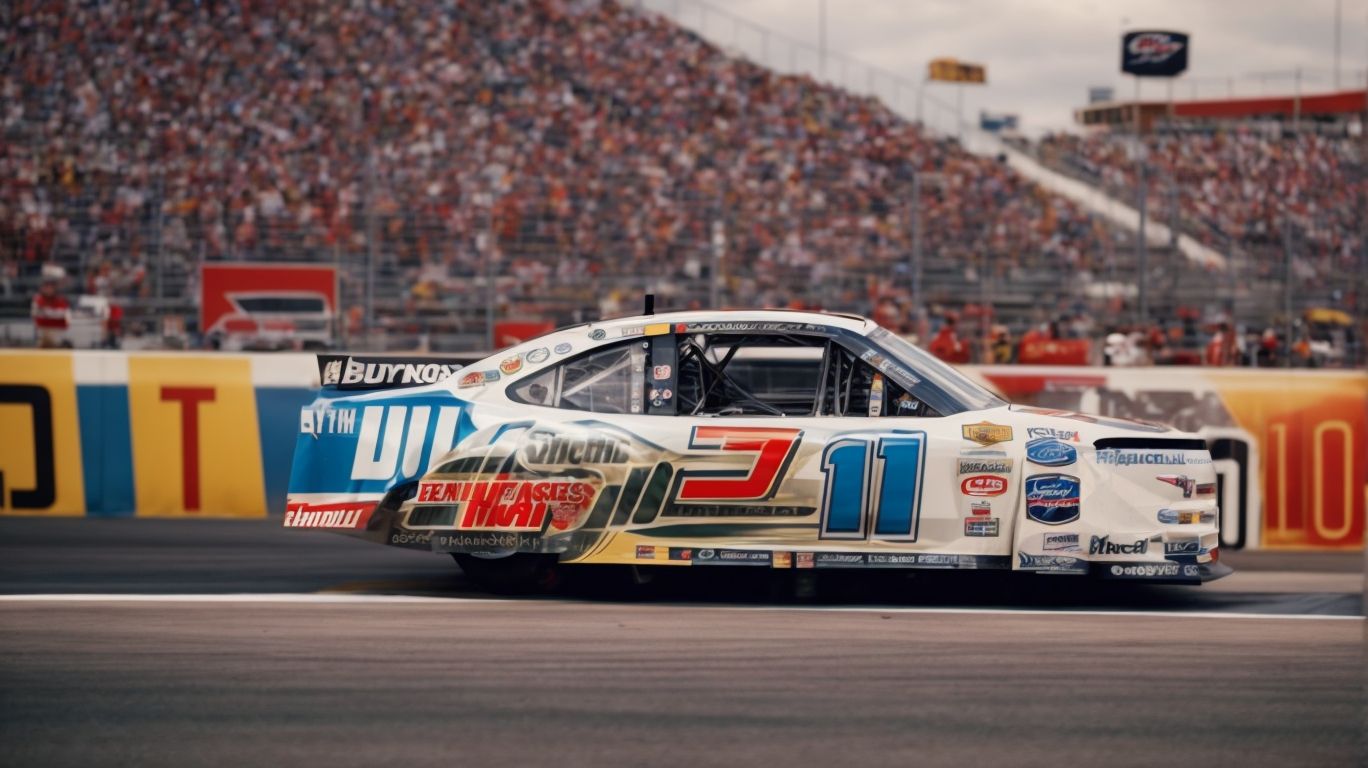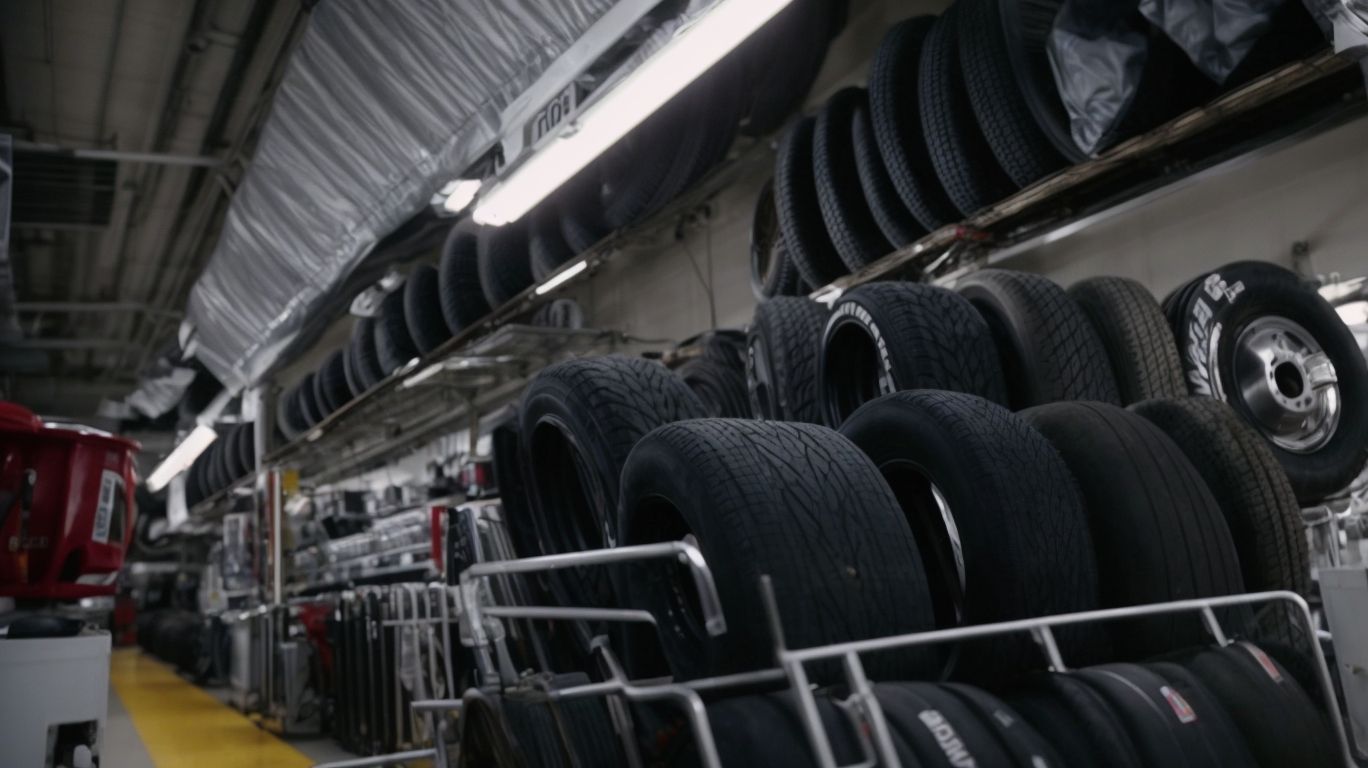
How Wide Are Nascar Tires?
Have you ever wondered about the dimensions of Nascar tires? From the width and diameter to the circumference and tread width, these tires play a crucial role in determining a car’s performance on the track.
We explore the different types of Nascar tires, including slick, grooved, and rain tires, and delve into why Nascar tires are so wide. We also discuss the factors that affect the width of these tires, such as track type, weather conditions, and tire compound.
Uncover how Nascar tires are made to withstand high speeds through specialized materials, advanced technology, and rigorous testing. Learn all about Nascar tires and their fascinating characteristics!
Key Takeaways:
What Are Nascar Tires?
NASCAR tires are specially designed racing tires that play a crucial role in the performance and safety of NASCAR vehicles.
These tires are engineered to withstand high speeds, intense heat, and challenging track conditions. The construction and compounds of NASCAR tires are optimized for specific tracks and weather conditions, providing drivers with maximum grip and control.
The Next Gen car has brought about advancements in tire technology, with a focus on durability and performance consistency. Each tire is meticulously crafted by manufacturers like Goodyear, ensuring top-tier quality and reliability on the racetrack.
From the treads to the rims, every aspect is fine-tuned to enhance the overall handling and cornering abilities of the vehicle.”
What Are The Dimensions Of Nascar Tires?
NASCAR tires have specific dimensions in terms of width, diameter, circumference, and tread width that are critical for optimal performance on the track.
NASCAR tires are meticulously engineered to meet the demands of high-speed racing. The diameter of these tires typically ranges from 27 to 28 inches, with varying widths depending on the track type. The width of a NASCAR tire can be around 11 to 12 inches, providing stability and handling in tight corners. In terms of the circumference, these tires can measure between 88 to 90 inches, allowing for efficient rotation during races. The tread width of NASCAR tires is carefully designed to optimize grip and traction on the asphalt, balancing between maximizing race performance and durability.
Width
The width of NASCAR tires is carefully calibrated to provide stability and grip around the corners, enhancing the handling of the vehicles.
One of the critical aspects of tire width in NASCAR racing is its direct impact on the suspension system of the vehicles. The width of the tires determines the area of contact with the track surface, affecting how the suspension components interact and respond to cornering forces. This, in turn, plays a vital role in maintaining optimal vehicle balance and stability.
NASCAR teams conduct extensive tire testing to find the ideal tire width and compounds that offer the best performance on different tracks. Tire width also influences the distribution of forces during cornering, improving traction and overall handling. The width of the tires contributes significantly to the overall cornering performance of the vehicle, allowing drivers to push harder and navigate turns more efficiently.
Diameter
The diameter of NASCAR tires influences the overall gearing and speed capabilities of the vehicle, affecting acceleration and top speed.
In terms of NASCAR vehicles, the tire diameter plays a crucial role in determining how the car handles different driving conditions. A larger tire diameter results in a higher overall gear ratio, providing the vehicle with more torque for acceleration but potentially sacrificing top speed. On the other hand, smaller tire diameters can offer quicker acceleration due to lower gearing ratios, but may limit top speed potential. This balance between acceleration and top speed is essential for achieving optimal performance on the track and requires meticulous testing and tuning by NASCAR teams. Traditionally, NASCAR vehicles have utilized tire sizes that are carefully selected to balance out these factors and deliver the best overall race performance.
Circumference
The circumference of NASCAR tires directly impacts the revolutions per distance traveled, affecting speed and handling characteristics on different tracks.
In terms of tire manufacturing, the dimensions and materials used play a crucial role in determining the circumference of the tire. A larger circumference tire will cover more ground in one revolution compared to a smaller one, affecting the speed potential of the vehicle. In terms of handling, the grip and traction of the tire are also influenced by this factor. Modern technology and advancements in tire design have allowed drivers to fine-tune their tires to specific track conditions, maximizing performance.
Tread Width
The tread width of NASCAR tires influences traction and grip on various track surfaces, optimizing performance and cornering capabilities.
Wider tread widths provide more contact area between the tire and the road, enhancing grip levels and stability during high-speed maneuvers. By spreading the load over a larger surface area, wider treads help distribute forces more evenly, improving overall handling and cornering abilities. The advancements in tire technology have allowed NASCAR teams to tailor tread designs for specific track conditions, maximizing grip without compromising durability and sustainability. By optimizing the balance between tread width and compound, engineers can fine-tune the performance characteristics of the tire to meet the demands of the ever-evolving NASCAR racing environment.
What Are The Different Types Of Nascar Tires?
NASCAR utilizes various types of tires including slick tires, grooved tires, and rain tires to adapt to different track conditions and weather scenarios.
Slick tires are designed with a smooth surface and minimal tread to provide maximum grip on dry tracks, offering optimal traction and performance during races. On the other hand, grooved tires, also known as intermediate tires, feature shallow grooves to channel water away, ideal for damp or mildly wet conditions.
Rain tires, with deep grooves and a specific compound, excel in heavy rain, ensuring stability and control on slippery surfaces. The choice of tire compound and construction plays a crucial role in enhancing durability and managing heat buildup for consistent performance throughout the race.
Slick Tires
Slick tires are smooth-surfaced tires used in NASCAR racing to maximize grip on dry tracks, enhancing cornering speeds and overall performance.
Slick tires, specifically radials, are designed to maintain consistent contact with the road surface, optimizing grip through the application of advanced suspension geometry.
Their specially formulated compound and construction allow for better heat dissipation, improving durability and reducing wear during high-speed races, providing drivers with a more predictable and controlled driving experience.
Slick tires offer a wider contact patch with the ground, leading to increased stability, enhanced cornering capabilities, and heightened responsiveness to driver input, ultimately elevating the overall handling of NASCAR vehicles.
Grooved Tires
Grooved tires feature specific tread patterns to channel water away on wet tracks, reducing the risk of hydroplaning and maintaining control in rainy conditions.
These specialized tires play a crucial role in NASCAR races, ensuring optimal performance even in challenging weather conditions. By effectively dispersing water through the grooves, they enhance the tire’s grip on the track surface, maximizing traction and stability. This design is particularly significant during exhibition events where drivers showcase their skills amidst diverse weather scenarios. The grooves also help manage the load on the tire, improving overall handling and cornering capabilities. The sidewall construction of grooved tires contributes to their durability and resistance to wear, enhancing their longevity on the racetrack.
Rain Tires
Rain tires are specialized tires equipped with unique rubber compounds for enhanced grip and performance in wet weather conditions, ensuring safety and control.
These tires are crucial in NASCAR races where unpredictable weather conditions can significantly impact performance on the track. The advanced rubber formulations used in rain tires are designed to disperse water efficiently, preventing hydroplaning and maintaining traction. Along with their exceptional grip, rain tires are also optimized for handling in challenging wet conditions, allowing drivers to navigate corners and straights with confidence.
How Wide Are Nascar Tires?
NASCAR tires vary in width depending on their position on the vehicle; front tires are narrower than rear tires to accommodate different weight distributions and handling characteristics.
For instance, the front tires on a Chevrolet NASCAR race car are usually narrower than the rear tires to enhance the car’s grip and stability while navigating tight turns on the track. Conversely, the wider rear tires provide better traction and acceleration, especially coming out of corners, contributing to the overall performance of the vehicle.
This practice is not exclusive to Chevrolet; Ford and Toyota teams also strategically select tire widths based on the specific requirements of each race track. The subtle variations in tire widths play a crucial role in fine-tuning the handling of the vehicle, ensuring optimal performance and competitiveness on the NASCAR circuit.
Width Of Front Tires
The front tires of NASCAR vehicles are narrower to enhance steering responsiveness, precision, and weight distribution, crucial for cornering and stability.
These front tires usually have a width of approximately 10.5 inches for oval tracks like LA Coliseum and Martinsville Speedway, offering optimal control during high-speed turns.
For longer endurance races such as the Coca-Cola 600, the width may vary, usually around 11 inches, to provide better traction and endurance over the extended distance.
Width Of Rear Tires
Rear tires in NASCAR are wider than front tires to provide traction, power delivery, and stability, optimizing acceleration and corner exit speeds.
The width specifications of rear tires on NASCAR vehicles are critical in maximizing performance. In the upcoming transition to the Next Gen car, these tires will play an even more significant role.
In comparison to sports cars, NASCAR rear tire size tends to be larger, enhancing grip levels during high-speed cornering. The wider stance also allows for a larger contact patch with the track surface, enabling drivers to exploit the full potential of the engine’s power output. This design philosophy aimed at enhancing overall handling characteristics on various track layouts.
What Are The Factors That Affect The Width Of Nascar Tires?
Several factors influence the width of NASCAR tires, including track types, weather conditions, and the specific tire compounds used for optimal performance.
Track characteristics play a crucial role in determining tire width. For instance, a high-banked oval track demands wider tires to provide better grip during high-speed turns, while a flat track may require narrower tires for optimal performance. Suspensions setups, along with tire design, also impact tire width, as a stiffer suspension may necessitate wider tires to absorb lateral forces efficiently.
Another significant variable is the selection of tire compounds. Different compounds are tailored to specific track conditions, such as temperature and asphalt type. The choice of compound affects tire width to ensure proper traction and durability throughout the race. The lug nuts’ tightening torque contributes to tire width by influencing the tire’s grip on the wheel, affecting handling characteristics during cornering maneuvers.
Track Type
The type of track, whether oval, road course, or super speedway, plays a significant role in determining the width requirements of NASCAR tires to suit the track conditions.
For oval tracks, where cars make predominantly left turns, wider tires offer better grip and stability during high-speed cornering, crucial for maintaining control and optimal performance. On the other hand, road courses with a mix of tight corners and straightaways require tires with more flexibility and precision to navigate various challenges efficiently.
Super speedways demand tires that can withstand extreme speeds and intense heat generated by the high-banked turns, calling for cutting-edge tire technology to enhance performance and durability. These track-specific considerations are essential for race winners driving stock-car vehicles to succeed in NASCAR competitions.
Weather Conditions
Weather conditions such as temperature and humidity impact tire width choices in NASCAR, as softer compounds are favored in cooler conditions for enhanced grip.
When considering the influence of temperature on tire width selection in NASCAR, it is crucial to understand that cooler temperatures tend to stiffen the tire compounds, necessitating a wider tire for better grip and traction on the track.
The level of humidity plays a vital role in determining the ideal tire width, as high humidity can affect the heat retention properties of the tires, leading to different expansion rates. This factor becomes particularly essential during an exhibition event like the one at Phoenix, where the dry and hot climate demands a precise balance between tire width and compound to maximize performance while ensuring sustainability in tire durability.
Tire Compound
The specific tire compounds used in NASCAR racing influence the width requirements based on grip levels, durability, and overall performance expectations on different track surfaces.
One of the key considerations in determining tire width in NASCAR is the formulation of the tire compounds. The compounds, developed by tire manufacturers like Akron, Ohio-based companies, play a crucial role in providing the necessary grip levels on the various track surfaces encountered during races.
These compounds are meticulously crafted to balance factors such as grip, handling, and wear characteristics, all of which directly impact the choice of tire width. Traditional tire compounds are engineered to withstand the rigorous demands of high-speed oval tracks while still delivering optimal performance, making them essential components in the decision-making process for teams and drivers.
Why Are Nascar Tires So Wide?
NASCAR tires are wide to maximize the contact patch with the track surface, enhancing grip, traction, and cornering capabilities at high speeds.
By having a broader surface area in contact with the track, wider NASCAR tires ensure better stability and control through corners, especially during high-speed maneuvers. The increased width also helps distribute the vehicle’s load more evenly across the tires, reducing the chance of hot spots and excessive wear.
The wider tires provide enhanced performance by maximizing the amount of rubber in contact with the road, resulting in improved acceleration and braking capabilities. This broader grip not only boosts overall race times but also plays a crucial role in ensuring safety on the track.
How Are Nascar Tires Made To Withstand High Speeds?
NASCAR tires are engineered with specialized materials, advanced technology, and undergo rigorous testing to ensure durability, performance, and safety at high speeds.
In terms of manufacturing these critical components, Goodyear plays a significant role as one of the primary suppliers for NASCAR tires. The process begins with a team of skilled engineers meticulously designing the tire to meet the specific demands of NASCAR racing. Utilizing cutting-edge technologies, these engineers carefully select the materials that will provide maximum traction and grip for the drivers.
Once the design is finalized, the tire goes through a complex manufacturing process that involves precision molding, curing, and quality control checks at every stage. The attention to detail by the manufacturers ensures that each tire meets the strict standards required for high-speed racing.
Specialized Materials
NASCAR tires utilize advanced rubber compounds, steel belts, and aluminum wheels to ensure strength, heat resistance, and structural integrity under extreme racing conditions.
These specialized materials play a crucial role in optimizing performance on the demanding NASCAR tracks. The rubber compounds are formulated to provide exceptional grip and traction, allowing drivers to navigate the corners and straights with precision. Meanwhile, the steel belts enhance the tire’s stability, preventing deformation and ensuring consistent contact with the track surface across changing temperatures and seasons.
The lightweight yet durable aluminum wheels contribute to improved handling and maneuverability, crucial for drivers to maintain control and speed on the racetrack. This intricate blend of materials, carefully engineered by companies like Goodyear, helps drivers push the limits of their vehicles in each race.”
Advanced Technology
Cutting-edge technology such as computer-aided design, simulation software, and data analytics are employed in the tire manufacturing process to optimize performance and safety.
The use of Computer-Aided Design (CAD) tools allows engineers to create intricate tire designs with precision, taking into account factors like aerodynamics, wear patterns, and heat distribution. This technology plays a crucial role in tailoring tires for specific seasons and track conditions, ensuring optimal performance.
Simulations further enhance the development process by allowing virtual testing of various tire configurations under different scenarios, such as high-speed cornering and braking. These simulations help in refining the tire’s suspension properties and grip levels, ultimately improving handling and stability on the race track.
Data analytics are used to collect and analyze vast amounts of performance data during races. This data is then leveraged by tire manufacturers to continually enhance tire technologies, making them more durable and responsive to drivers’ needs.
Rigorous Testing
NASCAR tires undergo extensive testing protocols, including track simulations, load tests, and performance evaluations to validate their reliability and consistency in race conditions.
One key aspect of NASCAR tire testing is the simulation of race environments at renowned tracks such as Charlotte and LA Coliseum. Engineers meticulously replicate the high-speed turns, aggressive braking zones, and varying track surfaces to gauge tire performance under different scenarios. These simulations provide invaluable data on tire behavior, heat dissipation, and wear rates.
Along with track simulations, tires are subjected to rigorous load tests that mimic the intense forces experienced during a race. These tests assess the tire’s ability to withstand high speeds, heavy braking, and cornering stresses while maintaining grip and stability.
Performance evaluations play a crucial role in the testing process. Engineers analyze the data collected from track simulations and load tests to refine tire constructions, compounds, and tread designs for optimal performance and safety. Every aspect, from tread wear patterns to temperature distribution, is meticulously examined to ensure that NASCAR tires meet the rigorous standards set for the sport.
Frequently Asked Questions
How Wide Are Nascar Tires?
What is the standard width of a Nascar tire?
The standard width of a Nascar tire is 11 inches.
Are all Nascar tires the same width?
No, there are different widths used depending on the track and race conditions.
How wide are Nascar truck tires compared to Nascar car tires?
Nascar truck tires are typically wider than Nascar car tires, with a width of around 12 inches.
Factors Affecting Nascar Tire Width
What factors determine the width of Nascar tires?
The width of Nascar tires is determined by the type of race, track surface, and expected speed and handling requirements.
How does tire width impact Nascar racing?
The width of Nascar tires plays a critical role in the performance and handling of the race car, affecting speed, grip, and stability.
Maximum Tire Width Regulations
Is there a maximum width allowed for Nascar tires?
Yes, Nascar has set a maximum width limit of 11 inches for all tires used in races.
How does Nascar enforce the maximum tire width?
Nascar officials inspect and measure the tires before and after each race to ensure they comply with regulations. Any team found in violation may face penalties or disqualification.