Who Are the Best Road Course Drivers in Nascar?
NASCAR is known for its thrilling races on oval tracks, but road course races also play a crucial role in the sport.
Discover what makes road course races unique in NASCAR, who the best road course drivers are, and why they stand out from the rest.
Explore their technical skills, strategic approaches, and what sets these drivers apart on road courses.
Join us as we take a closer look at the world of road course racing in NASCAR.
Key Takeaways:
What Is a Road Course in Nascar?
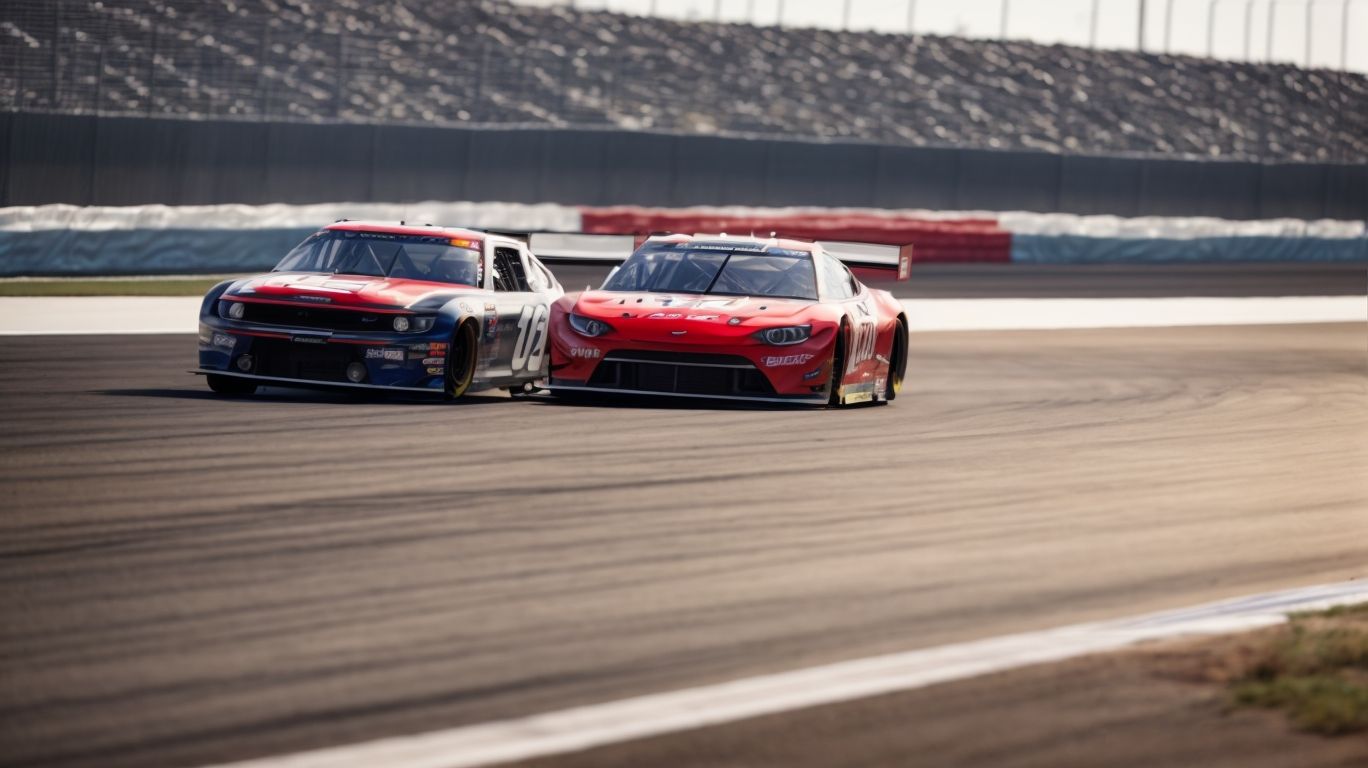
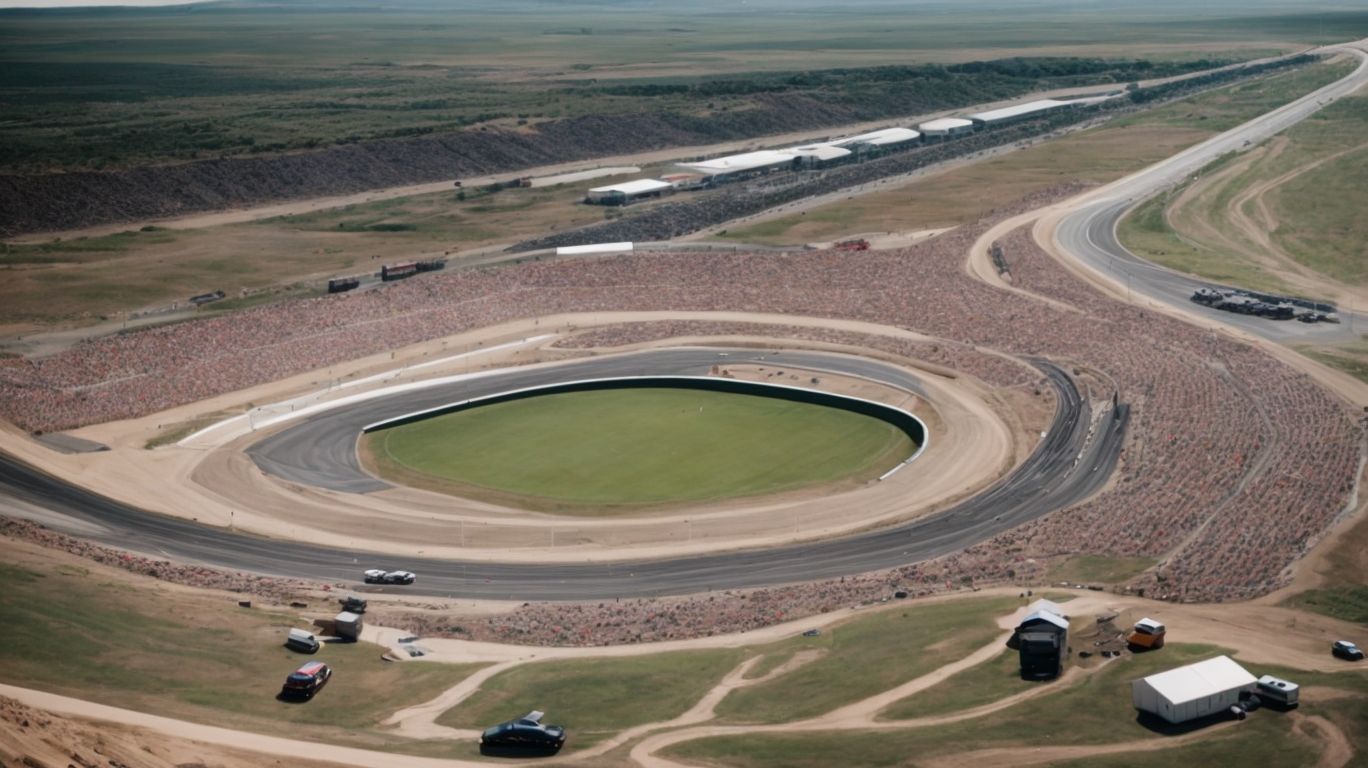
A Road Course in NASCAR refers to a type of track configuration that incorporates left and right turns, providing a unique challenge for drivers accustomed to oval tracks.
These tracks such as Sonoma and Indianapolis offer a diverse terrain with varying elevations, sharp corners, and challenging braking zones, requiring drivers to showcase their versatility and adaptability behind the wheel. Unlike oval tracks that primarily feature high-speed racing, Road Courses demand a mix of precision, technical skill, and strategic driving tactics.
Why Are Road Course Races Important in Nascar?
Road Course Races play a crucial role in NASCAR as they test drivers’ versatility, strategic adaptability, and overall skillset in navigating diverse track layouts.
These races present a unique challenge compared to the oval tracks typically associated with NASCAR, requiring drivers to finesse their handling through intricate turns and elevation changes.
The championship stakes are high in these races, as strong performances on road courses can significantly impact a driver’s standing in the overall standings.
Victories on these tracks not only contribute to a driver’s statistics but also showcase their ability to excel in a variety of racing conditions.
Consistency in road course races is especially critical for drivers aiming for the ultimate prize: the NASCAR Cup Series championship.
Who Are Considered the Best Road Course Drivers in Nascar?
In NASCAR, drivers like A.J. Allmendinger, Martin Truex Jr., and Kyle Larson are widely regarded as some of the best Road Course specialists due to their consistent performances and multiple victories.
These skilled drivers have showcased their exceptional prowess on challenging road courses like Sonoma, Watkins Glen, and Indianapolis, leaving a trail of remarkable achievements in their wake.
-
A.J. Allmendinger, known for his prowess on twisty tracks, has secured impressive wins at road courses throughout his career, displaying a perfect blend of technique and speed.
-
Martin Truex Jr., a seasoned competitor, has demonstrated mastery on both oval and road courses, with notable victories at iconic tracks like Sonoma and Watkins Glen.
-
Meanwhile, Kyle Larson’s fearless driving style has earned him accolades as one of the most versatile drivers, dominating road course races with precision and skill, making him a force to be reckoned with on any given race day.
What Are Their Career Accomplishments on Road Courses?
The career accomplishments of top Road Course drivers in NASCAR, such as A.J. Allmendinger and Austin Cindric, encompass multiple race wins, championships, and notable performances in the Next-Gen era.
These drivers have showcased their exceptional skills on challenging tracks like Sonoma, Watkins Glen, and Road America, demonstrating their mastery in navigating the twists and turns of varying road courses.
Michael McDowell stands out with his impressive victories on these tracks, solidifying his reputation as a formidable competitor in Road Course races.
Their strategic maneuvers and precise driving have paved the way for numerous triumphs, etching their names in the history of NASCAR’s Road Course competitions.
How Do They Approach Road Course Races Differently?
Top Road Course drivers like Chase Elliott approach races with a mix of aggressive driving, strategic maneuvers, and skillful overtaking to secure the top spot and achieve victory.
Chase Elliott, known for his exceptional talent on Road Courses, combines precision with aggression, making him a formidable force on the track. His ability to adapt swiftly to changing track conditions and push his car to its limits sets him apart from his competitors. Elliott’s strategic approach involves studying his opponents’ moves, anticipating their next steps, and tactically outmaneuvering them to create opportunities for overtaking.
By utilizing his skillful driving techniques, anticipation of challenges, and impeccable timing, Chase Elliott consistently positions himself as a top contender for victory. His calculated risks and confident maneuvers during crucial race moments add an element of thrill and suspense to his performances, captivating fans and keeping his competitors on edge.
What Makes a Driver Successful on Road Courses?
Success on Road Courses in NASCAR is often attributed to a combination of technical skills, strategic prowess, and consistent performance throughout the race.
Drivers who excel on Road Courses have a unique ability to maneuver through intricate turns, elevation changes, and varied track surfaces with finesse and precision. Their adeptness in braking points, throttle control, and car setup adjustments is crucial in gaining that edge over competitors. Maintaining a cool head under pressure, adapting swiftly to changing track conditions, and making calculated pit stop decisions contribute significantly to securing victories on these challenging circuits. A blend of technical mastery, strategic acumen, and unwavering consistency is key for a driver’s triumph on Road Courses.
Technical Skills
Technical skills play a vital role in a driver’s success on Road Courses, with precision driving, braking control, and cornering techniques being crucial elements for achieving optimal performance, as exemplified by drivers like Tyler Reddick.
Drivers navigating challenging turns on Road Courses must possess a keen sense of timing and judgment to maintain control over their vehicles amidst hairpin bends and sweeping curves.
- The ability to modulate braking pressure effectively is paramount, enabling drivers to find the delicate balance between deceleration and maintaining speed through corners, a skill Tyler Reddick has honed over his career.
- Understanding how to utilize different racing lines to adapt to elevation changes and diverse track layouts is essential for drivers aiming to excel in the competitive world of road course racing.
Strategy and Tire Management
Strategic planning and effective tire management are key components of a driver’s success on Road Courses, as evidenced by the race-winning strategies employed by drivers like Austin Cindric.
In terms of conquering the twists and turns of Road Courses, understanding the nuances of tire management is paramount. Managing tire wear and degradation becomes crucial over the varying road surfaces to maintain optimal grip and performance throughout a race. Noteworthy drivers, such as Austin Cindric, showcase their prowess by utilizing pit stop strategies to maximize tire longevity while balancing speed and consistency.
Mental Toughness
Mental toughness is a critical attribute for drivers competing on Road Courses, with the ability to stay focused, handle pressure, and make split-second decisions defining champions like Martin Truex Jr.
In the high-paced world of Road Course racing, where every corner presents a new challenge, mental toughness becomes the key differentiator between success and mediocrity. The ability to maintain unwavering focus amid the twists and turns, handle the immense physical and mental strain of navigating unpredictable tracks, and adapt swiftly to the ever-changing race dynamics separates the elite racers from the rest.
Champions like Martin Truex Jr. exemplify the epitome of mental toughness, showcasing remarkable composure even in the face of adversity. They possess the resilience to persevere through setbacks, the strategic acumen to make quick decisions under immense pressure, and the emotional stability to maintain a winning mindset throughout the race.
How Do Road Course Races Compare to Other Types of Tracks in Nascar?
Road Course Races in NASCAR offer a stark contrast to Oval Tracks and Short Tracks in terms of technical demands, varied cornering styles, and the need for versatile driving skills.
Unlike the consistent left turns on oval tracks, road course races feature a mix of left and right turns, elevation changes, and a variety of track surfaces, challenging drivers to adapt quickly. The longer lap distances of road courses test endurance and patience, while the shorter, more compact nature of short tracks demands precise handling and constant situational awareness.
Drivers on road courses must excel at braking, shifting, and executing precise maneuvers, compared to the high-speed drafting and strategic positioning crucial on oval tracks. The technicality of road courses pushes drivers to showcase their adaptability and finesse behind the wheel.
Oval Tracks
Oval Tracks like Daytona Beach in NASCAR emphasize high-speed racing, drafting tactics, and close pack racing, contrasting the technical challenges posed by Road Course circuits.
Oval tracks in NASCAR are known for their unique characteristics that set them apart from other racing circuits. These tracks, with their continuous turns and long straights, require a different skill set from drivers. The strategy involved in racing on oval tracks revolves around maintaining speed, finding the optimal racing line, and executing precise drafting maneuvers to gain an advantage over competitors. The close pack racing on ovals adds an element of unpredictability and excitement for both drivers and fans alike.
Iconic tracks like Daytona Beach hold historical significance in NASCAR, having hosted countless thrilling races and memorable moments in the sport’s history. These tracks have witnessed legendary drivers battling it out for championships, solidifying their place in the annals of NASCAR lore. The high-speed nature of oval tracks not only tests the drivers’ skills but also showcases the teamwork and strategy involved in securing victories in such competitive environments.
Superspeedways
Superspeedways such as the Bank of America ROVAL 400 present a unique challenge in NASCAR, combining high-speed racing with technical infield sections that test drivers’ overall performance and adaptability.
Drivers must navigate the delicate balance between speed and control, as a single misstep can lead to disaster on these unforgiving tracks. The Bank of America ROVAL 400, with its daunting combination of high-speed banked turns and sharp infield corners, requires mastery in both disciplines. NASCAR teams invest significant resources in optimizing their cars for such races, focusing on aerodynamic efficiency, suspension setups, and tire management to ensure peak performance throughout the grueling race. The strategy becomes paramount as drivers need to be not just fast, but also strategic in managing their pace and position to outwit competitors on these demanding tracks.
Short Tracks
Short Tracks in NASCAR, with their tight turns, close-quarter racing, and intense competition, provide a sharp contrast to the sweeping layouts and longer laps of Road Course circuits, showcasing driver versatility and adaptability.
These tracks, such as Bristol Motor Speedway and Martinsville Speedway, are where the elbows come out, and drivers push their cars to the limit in pursuit of victories.
Among the many famed drivers who have excelled in this high-pressure environment is the talented racer A.J. Allmendinger, known for his remarkable skill in navigating the chaos and emerging triumphant. His notable accomplishments on these Short Tracks have solidified his status as a force to be reckoned with in the world of NASCAR, proving that success and excitement go hand in hand.
What Are the Most Memorable Road Course Moments in Nascar History?
NASCAR history is replete with memorable Road Course moments, ranging from surprising upsets and intense battles to controversial finishes that have left an indelible mark on the sport and its passionate fan base.
One of the most iconic moments on a Road Course took place at Watkins Glen in 2012 when Marcos Ambrose clinched a dramatic victory after a thrilling duel with Brad Keselowski. The Australian driver showcased his exceptional skills, making bold moves in the closing laps to secure the win.
Another unforgettable race was at Sonoma in 1991, where Davey Allison held off a hard-charging Mark Martin to claim the checkered flag in a nail-biting finish. These instances highlight the sheer excitement and unpredictability that Road Course races bring to NASCAR.”
Upsets and Surprising Victories
Upsets and surprising victories at Road Courses like Watkins Glen have added a layer of unpredictability and excitement to NASCAR, with underdog drivers occasionally stealing the spotlight from established contenders.
One of the most memorable moments at Watkins Glen was when an unsung hero, who was deemed a dark horse by many, managed to secure a stunning victory against all odds. This victory not only showcased the driver’s skill and determination but also served as a reminder that in NASCAR, anything can happen on any given race day, making each event a thrilling spectacle for fans and enthusiasts alike.
Intense Battles and Rivalries
Intense battles and rivalries have defined many Road Course races in NASCAR, with drivers like Chase Elliott engaging in memorable duels and strategic showdowns that captivate fans and showcase their competitive spirit.
The fierce competitions on Road Courses often witness top drivers like Chase Elliott pushing themselves to the limit, maneuvering through each turn with precision and skill. These races are not just about speed but also about strategy, as drivers strategize on when to make crucial overtakes and pit stops. Fans eagerly anticipate the clashes between powerhouse teams, anticipating the next thrilling duel that can determine the race’s outcome.
Controversial Finishes
Controversial finishes at Road Courses have sometimes been pivotal in deciding championships and titles, leading to debates, inquiries, and rule changes that have influenced the sport’s direction, especially in the Next-Gen era.
One of the most memorable incidents occurred at the Watkins Glen International, where an aggressive maneuver in the final laps led to a contentious ending, dividing fans and experts alike. This event not only stirred emotions but also had lasting repercussions on the championship standings and driver relationships. The uproar prompted NASCAR to review its guidelines for on-track conduct at road courses, emphasizing fair play and sportsmanship. These incidents serve as reminders of the unpredictable nature of racing on these unique circuits and the high stakes involved in every maneuver.
Frequently Asked Questions
Who Are the Best Road Course Drivers in Nascar?
1. Who is considered the best road course driver in Nascar?
Currently, Kyle Busch is widely regarded as the best road course driver in Nascar, with multiple wins at tracks such as Sonoma and Watkins Glen.
What makes a driver successful on road courses in Nascar?
2. What skills are necessary for a driver to excel on road courses in Nascar?
In addition to strong car control and braking skills, successful road course drivers in Nascar also possess a high level of adaptability and strategic thinking.
Which Nascar drivers have the most wins on road courses?
3. Who holds the record for the most road course wins in Nascar?
Jeff Gordon holds the record for the most road course wins in Nascar with a total of nine victories at tracks such as Watkins Glen and Sonoma.
Do all Nascar drivers have equal success on road courses?
4. Are there any drivers who struggle on road courses in Nascar despite their overall success?
While some drivers excel on all types of tracks, others may struggle on road courses due to their unique challenges and require extra practice and strategy to perform well.
Can a driver become a top road course driver in Nascar through practice?
5. Are there any examples of drivers who improved on road courses through practice and training?
Yes, Jimmie Johnson is a prime example of a driver who initially struggled on road courses but improved significantly through practice and training, earning multiple wins at these tracks.
Is it common for Nascar teams to have specialized road course drivers?
6. Do Nascar teams typically have dedicated road course drivers on their roster?
Yes, it is not uncommon for Nascar teams to have a designated driver who specializes in road courses and may even have a different strategy and setup compared to their teammates.