Why Do They Put Tape on the Grill in Nascar?
Curious about the mysterious tape you often see on the grills of Nascar cars? Wondering how it affects the performance of the vehicle?
We will explore the purpose of putting tape on the grill in Nascar, the function of the grill in a Nascar car, and how the tape impacts aerodynamics and engine temperature.
Discover the different types of tape used, the risks involved, and the strategies teams use to control engine temperature.
Dive into the world of Nascar and learn how these little strips of tape can make a big difference on the track.
Key Takeaways:
What Is Nascar?
NASCAR, short for the National Association for Stock Car Auto Racing, is a prominent motorsport organization known for its thrilling stock car races.
Established in 1948 by Bill France Sr., NASCAR has a rich history deeply rooted in American automobile culture.
Originally formed to organize and regulate stock car racing, NASCAR has evolved into a premier racing series followed by millions of fans worldwide.
Its iconic races like the Daytona 500 and Southern 500 have become legendary events in the racing calendar, attracting top-tier drivers and enthusiasts alike.
Over the years, NASCAR has played a pivotal role in shaping the landscape of motorsport and has significantly influenced the development of racing technology and safety standards.
What Is the Purpose of Putting Tape on the Grill in Nascar?
In NASCAR, placing tape on the grill serves a crucial aerodynamic purpose that impacts the car’s performance on the track.
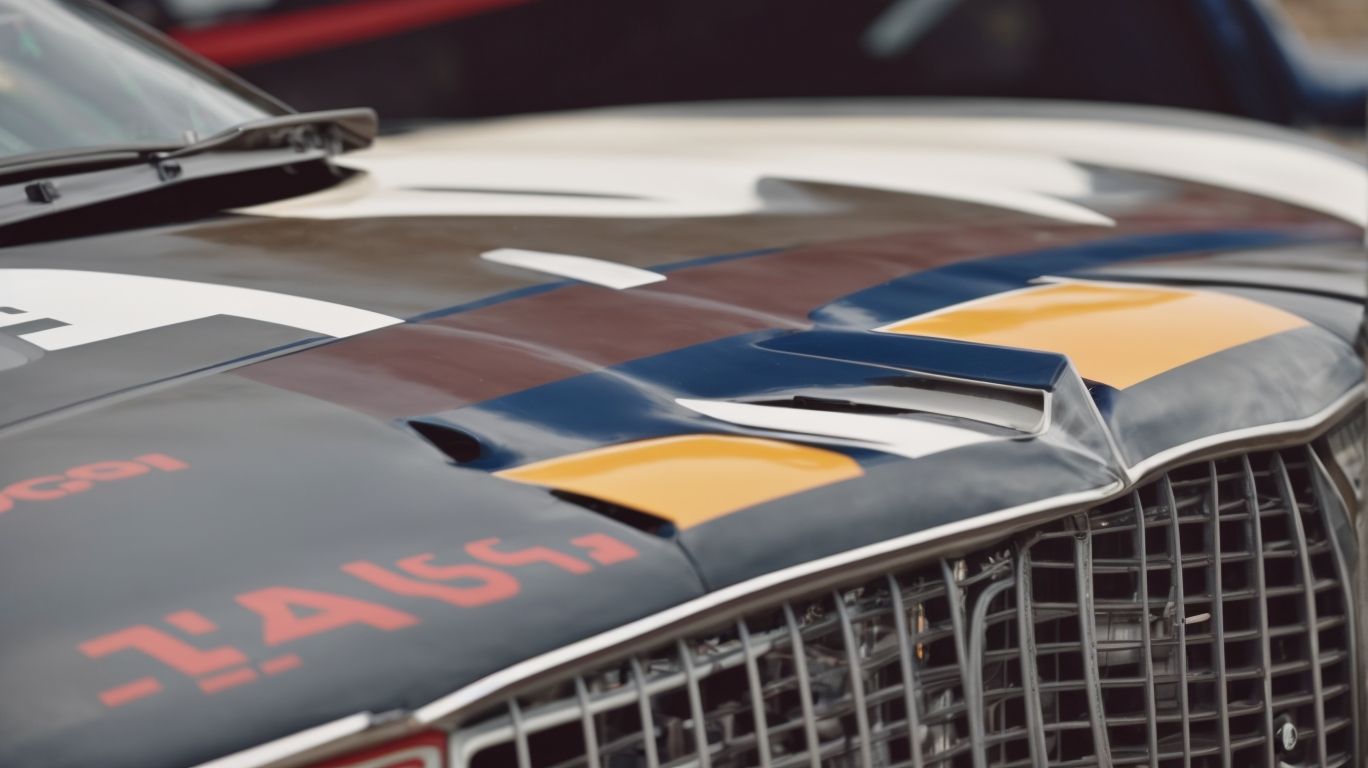
Grill tape, also known as ‘speed tape,’ is strategically applied by race teams to manipulate airflow over and around the vehicle. By adjusting the amount of tape on the grill, teams can fine-tune the balance between speed and downforce. The proper deployment of grill tape optimizes the car’s handling through turns and straightaways, aiding in maintaining stability at high speeds. This aerodynamic modification plays a pivotal role in achieving the necessary balance for NASCAR vehicles to navigate tracks efficiently.
What Is the Function of the Grill in a Nascar Car?
The grill in a NASCAR car plays a pivotal role in managing aerodynamics by influencing downforce and enhancing key aerodynamic features.
Grills in NASCAR cars are strategically designed to not only cool the engine by allowing air intake but also to optimize airflow around the vehicle. By controlling the airflow through the grill, teams can adjust the amount of air that enters the engine compartment, which impacts both engine performance and overall aerodynamics.
This delicate balance is crucial in achieving the desired downforce levels necessary for high-speed cornering and stability on the track. The grill often works in conjunction with other aerodynamic elements such as spoilers, splitters, and side skirts to fine-tune the overall aerodynamic efficiency of the vehicle.
How Does the Tape on the Grill Affect the Performance of the Car?
The application of tape on the grill in NASCAR directly influences the car’s performance by optimizing speed, enhancing downforce, and improving aerodynamic grip on the track.
Grill tape plays a crucial role in streamlining airflow over the car’s body, reducing drag and allowing the vehicle to cut through the air more efficiently. This aerodynamic advantage translates into higher speeds on the straights, as the reduced drag minimizes resistance. By adjusting the amount and placement of tape on the grill, teams can fine-tune the balance between downforce and speed, helping drivers maintain control through corners and challenging turns.
The strategic use of grill tape is a key element in achieving optimal performance in NASCAR races, where every split second counts in the pursuit of victory.
Does the Tape Help with Aerodynamics?
The tape applied to the grill in NASCAR cars contributes significantly to aerodynamics, working in conjunction with rear spoilers to optimize performance.
Grill tape serves a crucial role in managing the airflow around the vehicle, reducing drag and increasing downforce. By carefully applying tape to specific areas on the grill, NASCAR teams can fine-tune the aerodynamic balance of the car, enhancing its stability and cornering abilities. This meticulous adjustment is vital in achieving top speeds and maintaining control over the vehicle during high-speed maneuvers.
Does the Tape Help with Engine Temperature?
Grill tape in NASCAR not only influences aerodynamics but also plays a crucial role in regulating engine temperature by managing airflow through the car’s openings.
When drivers apply grill tape strategically on their cars, they are essentially controlling how much air reaches the radiator and engine components. By restricting airflow through the front grille, teams can fine-tune the balance between aerodynamic efficiency and effective engine cooling. The decision on how much grill tape to use becomes a critical factor during races, as excessive tape can lead to overheating, while too little can compromise aerodynamic performance.
What Are the Different Types of Tape Used in Nascar?
NASCAR teams utilize various types of tapes, such as duct tape, electrical tape, and clear tape, to optimize performance and adhere to regulations in the Next Gen era.
- Duct tape is commonly used for minor repairs on body panels and can also be employed for temporary fixes on hoses or wiring within the car’s system.
- Electrical tape is essential for securing and insulating electrical connections to prevent any potential short circuits during a race.
- Clear tape, often made of high-strength materials, is utilized for aerodynamic adjustments and modifications that require a smooth surface on the exterior of the vehicle.
These tapes play a crucial role in maintaining the structural integrity of the vehicle while ensuring compliance with NASCAR regulations, especially with the stricter guidelines introduced in the Next Gen era.
It’s worth noting that any misuse or improper application of tape can result in penalties, affecting the performance and overall handling of the vehicle on the track.
Duct Tape
Duct tape is a versatile material extensively utilized in NASCAR for its durability and flexibility, serving multiple purposes in car maintenance and aerodynamic adjustments.
The use of duct tape in NASCAR extends beyond mere quick fixes; it plays a crucial role in ensuring the structural integrity of the vehicle during high-speed races. When a race car sustains damage on the track, pit crews rely on duct tape to rapidly repair body panels, secure loose components, and address any unexpected issues that may arise.
Duct tape is instrumental in aerodynamic modifications, where even small adjustments can have a significant impact on a car’s performance. By strategically applying duct tape to smooth out airflow over the car’s body, teams can reduce drag and enhance downforce, ultimately improving handling and speed on the racetrack.
Electrical Tape
Electrical tape is a common choice in NASCAR for its insulating properties and secure adhesion, often used in electrical repairs and cosmetic adjustments on the car.
Aside from its primary function of insulating electrical components, electrical tape in NASCAR also plays a crucial role in sealing seams and fastening loose bodywork, providing structural integrity to the vehicle. NASCAR teams often utilize specialized tapes, designed to withstand high temperatures, vibrations, and extreme weather conditions, ensuring durability and longevity. Furthermore, electrical tape is frequently employed for aesthetic purposes as well, covering small scratches, disguising imperfections, or creating decorative designs to enhance the appearance of the race cars.
Clear Tape
Clear tape finds extensive use in NASCAR due to its transparent nature and strong adhesive properties, facilitating temporary fixes and seamless modifications on the car.
When a car encounters minor damages or imperfections during a race, the pit crew often relies on clear tape to quickly address the issue without compromising the vehicle’s performance. This versatile tool offers a swift solution for securing loose parts, reinforcing damaged bodywork, and even improving the aerodynamics of the car on the spot. Plus its practical application in repairs, clear tape is also used for cosmetic purposes, such as concealing sponsor decals or enhancing the overall aesthetics of the vehicle.
What Are the Risks of Using Tape on the Grill in Nascar?
While applying tape on the grill in NASCAR offers aerodynamic benefits, it also poses risks such as engine overheating, reduced air flow, and potential damage to the tape.
Engine overheating is a significant concern when grill tape is used excessively, as it can obstruct the cooling system’s effectiveness, leading to elevated temperatures that may harm vital components. The reduced air flow due to tape application can disrupt the balance needed for optimal engine performance and cooling.
The possibility of damage related to grill tape includes the risk of it peeling off mid-race, which can cause distractions to the driver and even lead to debris on the track, potentially endangering other racers. If the tape is not applied correctly, it may create aerodynamic imbalances that affect the overall handling of the car.
Overheating of the Engine
One of the primary risks associated with using tape on the grill in NASCAR is the potential for engine overheating due to restricted airflow and inadequate heat dissipation.
Grill tape, often strategically applied to optimize aerodynamics, inadvertently interferes with the critical cooling process of the engine, leading to a higher operating temperature.
As the engine revs up on the track, the lack of efficient airflow caused by excessive tape can result in heat build-up, risking internal components and overall performance.
The consequences of overheating range from reduced power output to catastrophic engine failure, disrupting the driver’s race strategy and potentially ending their bid for victory.
Reduced Air Flow
The use of grill tape in NASCAR can lead to reduced air flow through the engine compartment, affecting cooling efficiency and potentially compromising performance.
Grill tape is strategically placed on the front grille of a NASCAR vehicle to manipulate the aerodynamics and enhance overall performance. By narrowing the openings on the grill, the tape disrupts the airflow pattern, increasing downforce, which can improve cornering stability but also restrict the amount of air that reaches the engine for cooling purposes.
This reduction in airflow may lead to higher operating temperatures within the engine compartment, which could result in decreased engine efficiency and potentially even engine failure. NASCAR teams carefully balance the use of grill tape to optimize both aerodynamic gains and cooling requirements, constantly navigating the fine line between performance enhancement and mechanical reliability.
Potential Damage to the Tape
Another risk of using tape on the grill in NASCAR is the potential for damage to the tape itself, leading to penalties and performance implications during races.
When tape gets damaged during a high-speed race, it can pose a serious problem. Not only can it affect the aerodynamics of the car, causing handling issues and reducing overall performance, but it can also lead to penalties from racing officials.
The regulations in NASCAR are strict when it comes to maintaining the integrity of the race car, including the condition of the tape used on the grill. Any visible signs of tape damage or tampering can result in fines, grid penalties, or even disqualification, emphasizing the critical role of tape integrity in ensuring race legality and fair competition.
How Do Nascar Teams Decide How Much Tape to Use?
NASCAR teams, led by experienced drivers like Kyle Busch, determine the optimal amount of grill tape to use based on factors such as track conditions and aerodynamic requirements.
Drivers play a crucial role in the decision-making process regarding grill tape application in NASCAR. Their experience and understanding of aerodynamics and track dynamics guide them in finding the right balance. For example, drivers like Kyle Busch rely on their instincts and feedback from the team to fine-tune the tape usage for each race. This personalized approach ensures that the car’s performance is optimized for the specific challenges posed by each track.
What Other Strategies Do Nascar Teams Use to Control Engine Temperature?
Apart from grill tape, NASCAR teams employ various strategies such as adjusting the radiator, utilizing fans, and optimizing brake ducts during pit stops to regulate engine temperature.
Adjusting the radiator is a crucial technique to manage engine temperature effectively. Teams often tweak the settings to control the flow of coolant and maintain optimal operating conditions. Using fans strategically can help enhance airflow and dissipate heat more efficiently. By optimizing brake ducts, teams can redirect airflow to cool specific components, preventing overheating and ensuring consistent performance on the track.
Adjusting the Radiator
Adjusting the radiator settings is a key strategy employed by NASCAR teams to regulate engine temperature and ensure optimal cooling efficiency during races.
In NASCAR racing, where engines operate at extremely high temperatures, effective management of heat is crucial to maintain performance and prevent engine failures. By adjusting the radiator settings, teams can fine-tune the balance between cooling and performance.
Optimal radiator adjustments help in controlling the engine temperature within the desired range, ensuring that the engine operates efficiently without overheating. This not only enhances the car’s performance on the track but also prolongs the engine’s lifespan by preventing damage caused by excessive heat. Incorporating efficient cooling mechanisms, such as advanced cooling systems and aerodynamic designs, is essential for NASCAR teams to achieve consistent performance levels throughout a race.
Using Fans
The utilization of fans is a common practice in NASCAR to enhance airflow and aid in engine cooling, contributing to improved performance and temperature regulation.
In the realm of NASCAR racing, where every fraction of a second counts, maximizing the efficiency of the cooling system is crucial. Ensuring optimal engine temperature can make all the difference between victory and defeat, making fans an essential component of the race car setup. These fans are strategically positioned to draw in cool air and expel hot air, effectively aiding in the dissipation of heat generated during high-speed races.
Changing the Air Intake
Modifying the air intake configuration is a strategic maneuver employed by NASCAR teams to adjust engine temperature, enhance performance, and optimize aerodynamic efficiency.
By refining the airflow entering the engine, teams can manage heat dissipation more effectively, thus preventing overheating issues that can hamper performance during races. Moreover, air intake modifications play a crucial role in increasing horsepower output, torque delivery, and fuel efficiency, ultimately giving the car a competitive edge on the track.
In addition, these modifications can impact the aerodynamics of the vehicle by influencing how air flows over and around the car, affecting downforce levels and overall stability. NASCAR engineers meticulously analyze the air intake system to strike a balance between cooling requirements, engine power, and aerodynamic performance.
Frequently Asked Questions
Why Do They Put Tape on the Grill in Nascar?
1. Why do Nascar drivers put tape on their car’s grill?
Nascar drivers put tape on their car’s grill to improve aerodynamics and increase speed.
How does tape on the grill affect a Nascar car’s performance?
2. How does tape on the grill affect a Nascar car’s performance?
The tape on the grill helps reduce drag and increase downforce, allowing the car to go faster and handle better on the track.
When do Nascar drivers decide to put tape on the grill?
3. When do Nascar drivers decide to put tape on the grill?
Nascar drivers usually put tape on the grill during races at tracks with high speeds and long straightaways, such as Daytona and Talladega.
Is there a specific type of tape used for Nascar grills?
4. Is there a specific type of tape used for Nascar grills?
Yes, Nascar teams typically use a specialized, high-temperature tape that can withstand the intense heat and speeds of the race.
What happens if the tape on the grill begins to come off during a race?
5. What happens if the tape on the grill begins to come off during a race?
If the tape on the grill starts to come off, it can disrupt the air flow and affect the car’s handling, causing the driver to lose speed and potentially lose the race.
Do all Nascar teams use tape on their grills?
6. Do all Nascar teams use tape on their grills?
Not all Nascar teams use tape on their grills, as some may have different strategies or setups for their cars. It ultimately depends on the team’s preference and the specific track they are racing on.