How Do They Wrap a Nascar?
Have you ever wondered how NASCAR vehicles get their iconic and eye-catching designs?
We will explore the process of wrapping a NASCAR, including the materials used and the steps involved in the application.
From customization and protection to advertising opportunities, wrapping a NASCAR offers a range of benefits.
Learn more about the cost, durability, maintenance, and removal process of NASCAR wraps. Get ready to dive into the exciting world of NASCAR vehicle wraps!
Key Takeaways:
What is NASCAR?
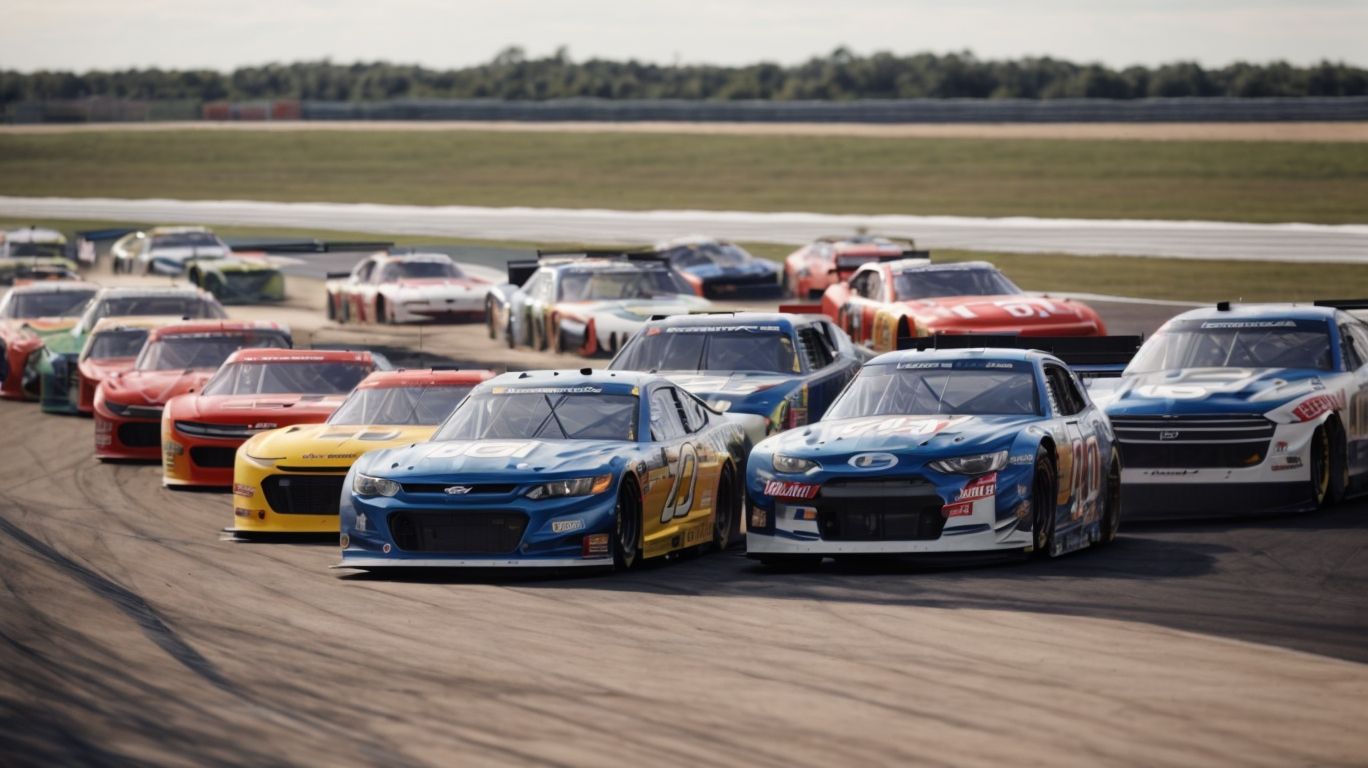
NASCAR, short for the National Association for Stock Car Auto Racing, is a prominent motorsport organization known for its high-speed car races featuring modified vehicles on oval tracks.
Founded in 1948 by Bill France Sr., NASCAR has grown to become one of the most popular and lucrative racing series in the United States, captivating millions of fans worldwide. The sport’s roots can be traced back to the Prohibition era when moonshine runners transformed their cars to outrun the law, giving birth to stock car racing. Over the years, NASCAR has evolved, attracting top-tier drivers like Ryan Newman who have left a lasting impact on the sport through their skills and achievements. Whether it’s the Daytona 500, Bristol Motor Speedway, or Talladega Superspeedway, NASCAR events offer heart-stopping moments and adrenaline-fueled action that keep fans on the edge of their seats.
What is the Purpose of Wrapping a NASCAR?
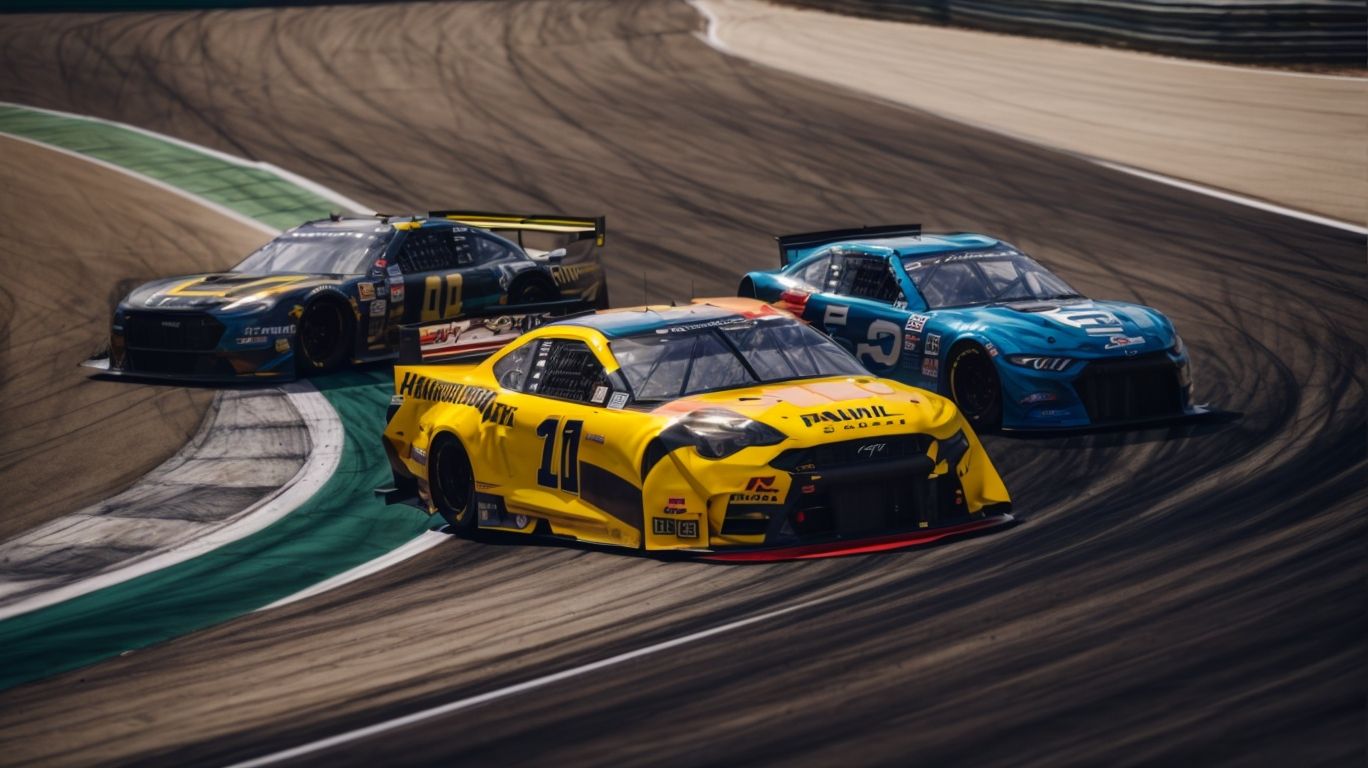
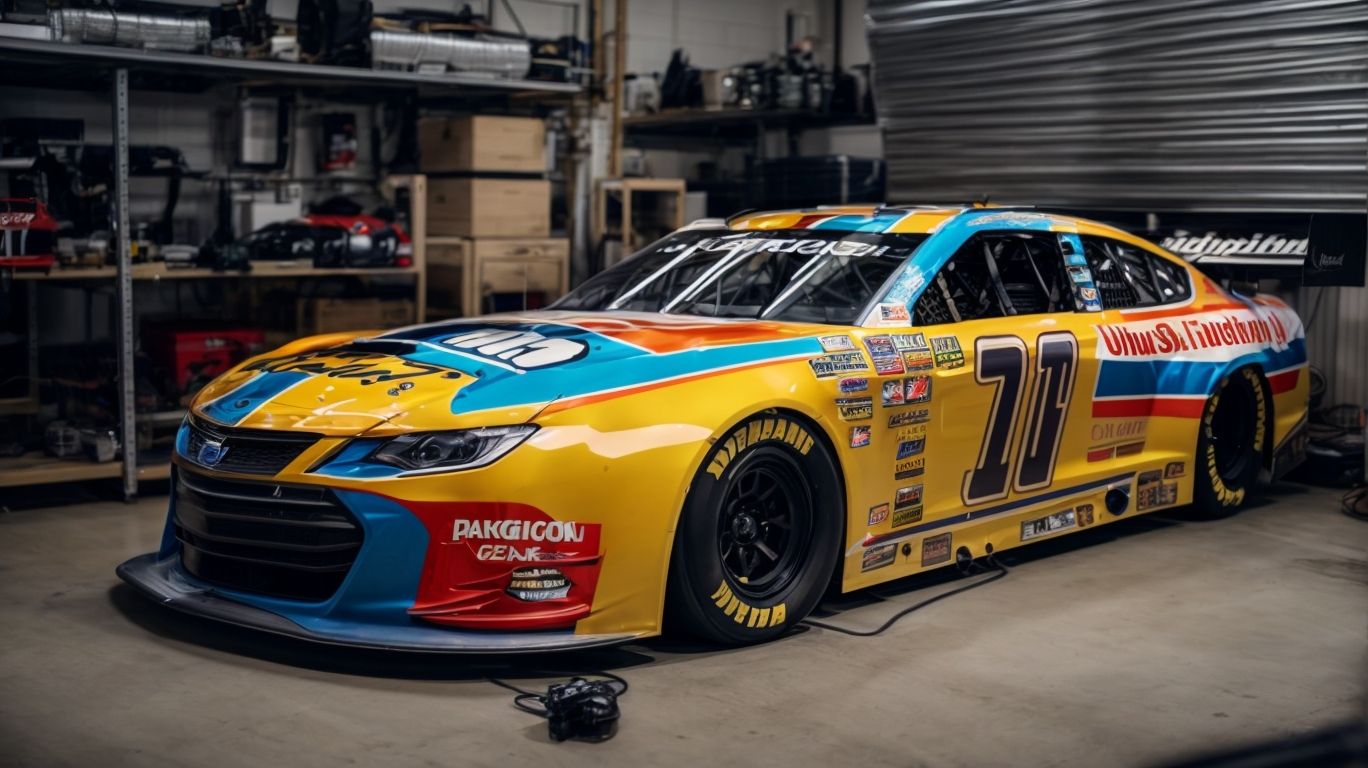
The primary purpose of wrapping a NASCAR car is to provide a versatile canvas for sponsors to display their branding and logos, creating a visually striking livery that promotes partnerships and enhances the car’s aesthetic appeal.
In NASCAR racing, the vinyl wraps serve as a cost-effective yet impactful method for sponsors to gain visibility on the track. This form of branding ensures that sponsors’ logos are prominently featured, making a lasting impression on viewers and fans alike. Through the clever use of color schemes, typography, and design elements, the livery of a NASCAR car can convey the persona and values of the sponsoring brands.
The livery design plays a crucial role in distinguishing one car from another during high-speed races, aiding both fans and commentators in identifying vehicles swiftly. The strategic placement of sponsor logos and graphics on the car’s body generates exposure not only during races but also in media coverage, further amplifying the sponsor’s reach and impact.
What Materials are Used to Wrap a NASCAR?
Wrapping a NASCAR involves the use of various materials such as vinyl wrap, adhesive promoter, a heat gun, and a squeegee to ensure a smooth and durable application on the car’s body.
Vinyl wrap is the primary material that gives the NASCAR its customized look while also providing protection to the original paint.
Adhesive promoter plays a crucial role in enhancing the bond between the vinyl and the car’s surface, ensuring longevity and preventing peeling.
The heat gun is used to manipulate the vinyl smoothly around curves and edges, enabling a seamless finish.
A squeegee helps in removing air bubbles and creases, ensuring a professional appearance with clean lines and no imperfections.
Vinyl Wrap
Vinyl wrap is a versatile material commonly used to cover and protect car bodies, offering a wide range of colors and finishes to customize the vehicle’s appearance.
This material is known for its durability, UV resistance, and ease of maintenance compared to traditional paint jobs. In terms of NASCAR wrapping, vinyl wrap stands out for its ability to withstand the high speeds, harsh weather conditions, and constant exposure on the tracks.
The application process involves meticulously wrapping every curve and contour of the car body, ensuring a seamless finish that enhances the aerodynamics and aesthetics of the vehicle.
Adhesive Promoter
Adhesive promoter is a crucial component in NASCAR wrapping, enhancing the bond between the vinyl wrap and the car surface to ensure long-lasting adhesion and resistance to peeling or lifting.
When applying vinyl wraps to NASCAR vehicles, the adhesive promoter acts as a primer that prepares the surface, making it more receptive to the adhesive properties of the vinyl wrap. This promoter is typically applied after thorough surface cleaning and preparation, ensuring that the wrap adheres smoothly without any air bubbles or wrinkles. By promoting a stronger bond, the adhesive promoter helps in achieving a seamless finish, critical for maintaining the aesthetics and branding on the high-speed racing cars.
Heat Gun
A heat gun is an essential tool used in NASCAR wrapping to heat and activate the adhesive properties of the vinyl wrap, allowing for proper molding and shaping around complex curves and contours of the car body.
Heat guns play a crucial role in the wrapping process by providing the necessary heat to make the adhesive bond effectively with the vehicle’s surface, ensuring a long-lasting and durable wrap. Temperature control is key when using heat guns, as different vinyl wraps require specific heat levels for optimal adhesion without causing damage.
Techniques such as feathering the heat gun across the vinyl evenly and using a heat gun at an appropriate distance from the surface help prevent overheating and bubbling, resulting in a smooth and professional finish.
Squeegee
A squeegee is a handheld tool used to smooth out the vinyl wrap, eliminate air bubbles, and ensure proper adhesion to the car’s surface during the wrapping process, contributing to a flawless and professional finish.
In the realm of NASCAR wrapping, squeegees play a crucial role in achieving a seamless application of vinyl wraps on racing cars. These tools are not just aids in smoothing the wrap but are instrumental in the meticulous removal of pesky air bubbles that can mar the final appearance of the vehicle’s surface. Utilizing the correct squeegee technique is paramount in safeguarding against imperfections and irregularities, thereby ensuring a meticulously wrapped finish that exudes a sense of precision and expertise.
How is a NASCAR Wrapped?
Wrapping a NASCAR involves a meticulous process that includes preparation, the precise application of vinyl wrap, heating and stretching the material for a seamless fit, and final trimming for a polished look.
The first step in preparing to wrap a NASCAR is thoroughly cleaning the car’s surface to ensure optimal adhesion.
Next, measurements are taken to cut the vinyl wrap into precise sections that match the car’s dimensions.
Once the vinyl is cut and ready, the application process begins, starting from one side and working methodically to eliminate air bubbles as the material is carefully wrapped around the car.
Using a heat gun, the vinyl is then warmed to increase flexibility and aid in smoothing out any wrinkles. This step requires skill and patience to avoid overstretching and damaging the wrap.
After the wrap is securely in place, the final trimming stage involves precision cutting to remove excess material and create clean edges for a professional finish.
Preparation
Preparation is a critical stage in NASCAR wrapping, involving thorough cleaning of the car surface, removal of existing decals or paint, and surface inspection to ensure a smooth and uniform substrate for vinyl wrap application.
In terms of cleaning the car surface before wrapping, it’s essential to use isopropyl alcohol or a similar solvent to remove any grease, wax, or dirt that could hinder the adhesion of the vinyl. This meticulous cleaning process ensures that the wrap adheres properly and lasts longer.
After cleaning, conducting a detailed surface inspection is crucial to identify any imperfections that may affect the adhesion, such as dents, scratches, or rust spots. Addressing these issues with appropriate surface treatment techniques like sanding or priming is vital for a successful wrap installation.
Application of Vinyl Wrap
The application of vinyl wrap on a NASCAR involves precise positioning, careful smoothing, and gradual adherence to the car body, ensuring minimal creases and a uniform appearance throughout the wrapping process.
One key technique in vinyl wrapping is ensuring that the material is accurately aligned before application, starting from a specific reference point such as the center of the vehicle. Applying the vinyl wrap with controlled pressure is crucial to prevent air bubbles or wrinkles, requiring a combination of firm strokes and gentle manipulation to achieve a flawless finish. Maintaining a consistent level of tension on the material while wrapping helps to avoid distortions and misalignments, contributing to a professionally wrapped appearance.
Heating and Stretching the Vinyl Wrap
Heating and stretching the vinyl wrap on a NASCAR is a crucial step to ensure the material conforms to the car’s curves and edges, allowing for a seamless and wrinkle-free finish that enhances the vehicle’s aesthetics.
This process typically involves using specialized heat guns to carefully warm the vinyl to the optimal temperature where it becomes pliable but not overheated, ensuring flexibility without compromise to the material’s integrity. Temperature control is key here, as excessive heat can damage the vinyl or lead to uneven stretching.
In terms of stretching techniques, professionals employ methods such as post-heating, which involves reheating the vinyl after initial placement to eliminate any creases or air bubbles for a flawless appearance. They also utilize stretching tools like squeegees and heat-resistant gloves to manipulate the material precisely.
The effectiveness of the heating and stretching process directly impacts the durability of the wrap, as properly stretched vinyl adheres better to the car’s surfaces, reducing the risk of peeling or lifting. A well-executed wrap installation enhances the overall aesthetics of the vehicle, giving it a sleek and professional look on the track.
Trimming and Finishing Touches
Trimming and finishing touches in NASCAR wrapping involve the precise cutting of excess material, edge sealing, and final detailing to achieve a professional and polished look that enhances the overall design and durability of the vinyl wrap.
In terms of trimming techniques, skilled professionals utilize specialized tools like precision cutting blades and heat guns to ensure clean and accurate cuts without damaging the vehicle’s surface. Edge sealing is a critical step in the process, where a high-quality sealant is applied to prevent peeling and protect the wrap from elements like moisture and UV rays. This step not only enhances the longevity of the wrap but also contributes to its overall aesthetic appeal.
What are the Benefits of Wrapping a NASCAR?
Wrapping a NASCAR offers several benefits, including the ability to customize the car’s appearance, provide protection to the underlying paint, and serve as a valuable platform for advertising sponsors and showcasing partnerships.
In terms of customization, wrapping a NASCAR allows teams to express their unique branding, colors, and designs, creating a visually striking presence on the track. The vinyl wrap acts as a protective shield, safeguarding the car’s original paint job from debris, scratches, and weather elements, preserving its pristine look. The wrapped car becomes a moving billboard, amplifying sponsor visibility as the vehicle speeds around the track, offering excellent exposure to both local and global audiences.
Customization
Customization plays a key role in NASCAR wrapping, allowing teams to design unique livery schemes, incorporate team colors and logos, and personalize the car’s appearance to reflect their identity and brand image.
In terms of NASCAR wrapping, the options for customization are vast. Teams can choose from a range of design elements such as intricate patterns, eye-catching graphics, and bold typography to create a visually striking wrap. The color choices are crucial, as they not only add aesthetic appeal but also help in brand recognition during races. Branding elements like sponsor logos, social media handles, and team mottos can be strategically placed to enhance visibility on the track and create a lasting impression on fans and sponsors alike.
Protection
Wrapping a NASCAR provides a protective layer for the underlying paint, shielding it from debris, scratches, and UV exposure, which helps preserve the car’s exterior finish and the integrity of composite parts.
The NASCAR wrap not only safeguards the paint from rock chips and bug splatters, but it also adds a layer of impact resistance, reducing the risk of dents and dings during intense races. The specialized materials used in these wraps are designed to withstand high-speed winds and turbulent conditions, ensuring that the car’s aerodynamics remain optimal for performance. This careful balance of protection and performance is crucial in the demanding world of professional racing.
Advertising and Sponsorship Opportunities
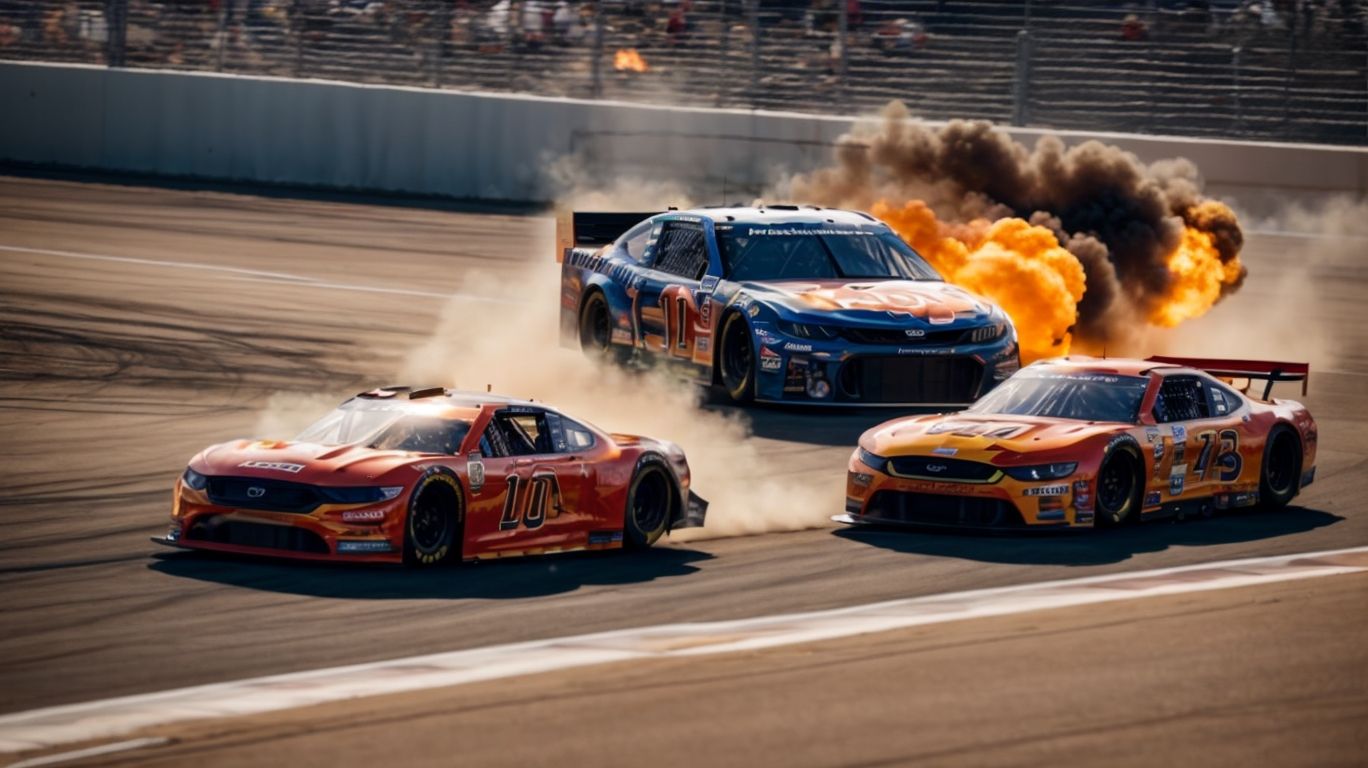
NASCAR wrapping presents lucrative advertising and sponsorship opportunities for businesses, allowing sponsors to showcase their brands on a high-profile platform, gain visibility during races, and maximize exposure through eye-catching livery designs.
One of the primary advantages of NASCAR wrapping is the extensive reach it offers sponsors. With races drawing in large audiences both in-person and through broadcast, sponsors have the opportunity to connect with a diverse demographic of fans.
The visibility that sponsors receive during NASCAR events is unparalleled. Logos and branding plastered on race cars and team uniforms ensure that sponsors’ names are front and center throughout the entire race, providing continuous exposure.
The creative livery designs on the cars serve as moving billboards, capturing the attention of not only spectators at the races but also viewers watching on TV. This dynamic exposure enhances brand recall and can lead to increased consumer engagement with sponsors’ products and services.
How Long Does a NASCAR Wrap Last?
The durability of a NASCAR wrap depends on various factors such as the quality of materials used, environmental conditions, and maintenance practices, with wraps typically lasting through a racing season before requiring replacement or maintenance.
High-quality materials, such as vinyl, are commonly utilized in NASCAR wraps to ensure longevity and withstand the demands of high-speed racing. These materials are designed to resist fading from UV exposure, withstand impacts from debris on the track, and maintain vibrant colors throughout the season.
Environmental factors like extreme heat, moisture, and exposure to chemicals can impact the lifespan of a wrap, making proper care and maintenance crucial for longevity. Regular cleaning, avoiding abrasive materials during washing, and storing the vehicle in a climate-controlled environment can significantly extend the life of the wrap.
The lifespan of NASCAR wraps can vary based on the racing conditions. Wraps used in dirt track racing, for instance, may require more frequent replacement due to the abrasive nature of the terrain and the increased likelihood of damage. On the other hand, wraps used in asphalt racing may last longer with proper care and maintenance.
How Much Does it Cost to Wrap a NASCAR?
The cost of wrapping a NASCAR varies based on factors such as the size of the car, complexity of the design, quality of materials, and labor, with prices ranging from several thousand to tens of thousands of dollars for a full wrap installation.
When considering the pricing for NASCAR wraps, it’s important to understand the cost determinants that go into the overall expense. Factors such as the type of vinyl used, customization levels, and additional services like design consultation and installation play a significant role in determining the final cost. Quality is a crucial factor in pricing, as premium materials and expert labor can drive up the expenses. Industry standards often set a benchmark for pricing, reflecting the competitive landscape of the wrap market. Investing in high-quality wrapping services not only ensures a durable and visually appealing finish but also elevates the overall branding impact of the vehicle.
Can a NASCAR Wrap be Removed?
Yes, a NASCAR wrap can be removed by applying heat to soften the adhesive and carefully peeling off the vinyl material, allowing teams to change designs, update sponsor logos, or return the car to its original paint scheme.
When removing a NASCAR wrap, it is crucial to use a heat gun or a heat source to warm the wrap evenly, ensuring the adhesive loosens without damaging the underlying paint. This process requires patience and precision to avoid causing any harm to the car’s surface.
Once the wrap is heated sufficiently, it can be gently peeled starting from the edges, gradually working towards the center. Taking care during removal helps in minimizing any leftover adhesive residues on the car’s body, making the subsequent cleaning process less challenging.
How is a NASCAR Wrap Maintained?
Maintaining a NASCAR wrap involves regular cleaning with mild soapy water, avoiding harsh chemicals or abrasive tools that may damage the wrap, and addressing minor damages promptly to ensure the longevity and visual appeal of the design.
Proper care of the NASCAR wrap also involves avoiding exposure to extreme temperatures and direct sunlight, as these can cause the wrap to fade and deteriorate prematurely. Storing the vehicle in a covered area or using a car cover can protect the wrap from environmental elements. It is essential to periodically inspect the wrap for any signs of wear or lifting edges, which can be fixed with professional assistance to maintain the integrity of the wrap. By following these maintenance practices, drivers can keep their NASCAR wraps looking vibrant and attractive for longer periods of time.
Frequently Asked Questions
How Do They Wrap a Nascar?
What materials are used to wrap a Nascar?
Nascar wraps are typically made of vinyl, which is a durable and weather-resistant material that can withstand the wear and tear of racing.
How long does it take to wrap a Nascar?
The time it takes to wrap a Nascar can vary depending on the complexity of the design and the skill of the installer, but it usually takes a few days to complete.
Can a Nascar wrap be removed?
Yes, Nascar wraps can be easily removed without damaging the underlying paint. This is one of the reasons why teams use wraps instead of traditional paint jobs.
What is the process for wrapping a Nascar?
How do they prepare the Nascar before wrapping?
Before wrapping, the Nascar is thoroughly cleaned and any existing graphics or decals are removed. This ensures that the wrap will adhere properly and look seamless.
Are there any special techniques used to wrap a Nascar?
Yes, professional installers use heat guns and squeegees to ensure that the wrap is applied smoothly and without any air bubbles or wrinkles. They also use precision cutting tools to create intricate designs.
Can a Nascar wrap be customized?
Absolutely! Nascar wraps can be fully customized with any design, colors, and logos. This allows teams to showcase their sponsors and create a unique look for their car on the track.