What is Nascar Wall Riding?
Have you ever wondered what Nascar wall riding is all about?
In this article, we will explore the ins and outs of this exciting racing technique.
From how it’s done to the benefits and risks involved, we’ll cover everything you need to know.
Discover how Nascar wall riding can be used strategically to gain an advantage in a race, make a pass on a competitor, or recover from a mistake.
Get ready to dive into the world of high-speed racing and learn what makes Nascar wall riding so thrilling.
Key Takeaways:
What Is Nascar Wall Riding?
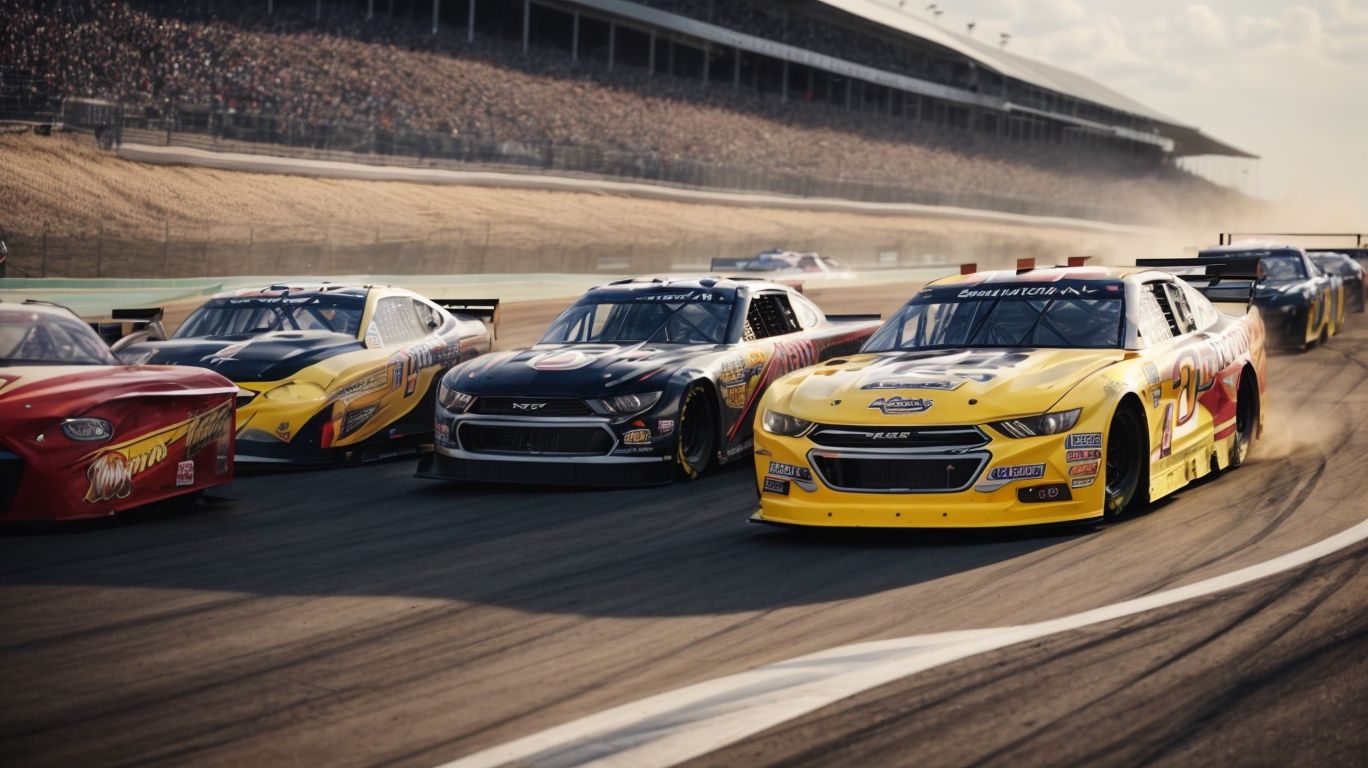
NASCAR Wall Riding refers to a high-risk driving technique where drivers intentionally drive their vehicles close to the track’s outer wall during a race.
Drivers use this technique to gain speed and maintain momentum through corners, especially on tracks with high banking angles such as Bristol Motor Speedway or Talladega Superspeedway.
The purpose of NASCAR Wall Riding is to take advantage of the aerodynamic effects created by the close proximity to the wall, allowing the driver to carry more speed through the turns.
This maneuver comes with significant challenges, as one slight miscalculation can result in scraping the wall or even causing a crash, leading to potential race-ending damage.
Notable drivers like Kyle Larson and Kyle Busch are known for their skill in utilizing NASCAR Wall Riding effectively to gain an edge over their competitors.
How Is Nascar Wall Riding Done?
Executing NASCAR Wall Riding involves a series of strategic maneuvers and precise driving techniques aimed at maximizing speed and maintaining control while racing close to the track’s outer wall.
One crucial skill necessary for successful NASCAR Wall Riding is the ability to judge distances accurately, as drivers need to position their car mere inches away from the outer wall without making contact. This requires exceptional spatial awareness and hand-eye coordination. In addition, drivers must possess a deep understanding of aerodynamics and vehicle dynamics to adjust their car’s setup accordingly for maximum performance.
Professional NASCAR drivers, such as Ross Chastain, emphasize the importance of maintaining momentum and flow through the corners when executing NASCAR Wall Riding. They highlight the need to smoothly transition from the entry to the middle and exit of the corner while balancing the car’s weight transfer.
During races at the challenging Martinsville Speedway, drivers often utilize NASCAR Wall Riding as a strategic move to gain an advantage over their competitors. The tight corners and short straightaways at Martinsville require precise timing and execution of wall riding to carry speed and maintain position in the pack.
As drivers approach the outer wall, they must not only trust their instincts and racing experience but also make split-second decisions to adjust their line and throttle input based on the racing conditions and competitors’ positions. Successful NASCAR Wall Riding is a testament to a driver’s skill, bravery, and ability to push the limits of both themselves and their race cars.
Approaching the Wall
Approaching the wall in NASCAR Wall Riding requires drivers to carefully position their vehicles towards the outer edge of the track, preparing for the upcoming maneuver.
By hugging the outside line, drivers harness centrifugal force to maintain speed while taking the turn smoothly. They delicately balance between traction and slip, using the wall as a guiding point.
Track familiarity plays a pivotal role, allowing drivers to anticipate the track’s nuances and make split-second decisions. Skilled drivers adjust their speed, feathering the throttle to maintain control without losing momentum. There are instances where drivers, like renowned veterans, showcased impeccable skills by narrowly skimming the wall, showcasing a masterful blend of precision and confidence.
Using the Side Draft
Utilizing the side draft is a crucial aspect of NASCAR Wall Riding, as drivers leverage aerodynamics and maneuvering techniques to gain an edge over competitors while racing close to the wall.
When a driver positions their car to the side of another, the airflow created by the lead car is disrupted, causing a “suction” effect, pulling the trailing car forward with greater speed. This strategic move not only provides a burst of acceleration but also affects the handling of the lead car. By mastering the subtleties of the side draft, drivers like Denny Hamlin and Joey Logano have showcased their ability to control the airflow dynamics, disrupting the competition’s momentum and seizing opportunities to surge ahead.
Maintaining Momentum
Maintaining momentum is key to successful NASCAR Wall Riding, as drivers need to balance speed and lap time optimization while navigating the track’s outer limits.
Consistency in speed and technique plays a crucial role in perfecting Wall Riding, allowing drivers to smoothly glide along the walls without losing pace or control. This skill not only affects individual lap times but also contributes significantly to the overall race performance. Drivers such as Kyle Larson and Carl Edwards have showcased exceptional mastery in sustaining momentum through corners and straightaways, maximizing the benefits of this high-risk, high-reward strategy.
What Are the Benefits of Nascar Wall Riding?
NASCAR Wall Riding offers drivers the potential to gain competitive advantages, secure better track positions, and increase their chances of winning races and even Championships.
By skillfully utilizing the walls of the track, drivers can achieve higher speeds, maintain better momentum through corners, and ultimately shave precious seconds off their lap times. This technique allows drivers to navigate corners more efficiently, enabling them to overtake opponents and gain strategic advantages in the race.
Wall Riding can also serve as a defensive tactic, creating a barrier between the driver and competitors, limiting the opportunity for others to pass. Successful implementation of Wall Riding has been observed in various NASCAR races, with drivers such as Brad Keselowski and Kyle Larson showcasing its effectiveness in securing crucial victories and enhancing their overall performance.
Increased Speed
One of the primary benefits of NASCAR Wall Riding is the ability to achieve increased speeds, outpacing competitors and gaining a competitive edge on straightaways and turns.
Drivers adept at utilizing Wall Riding technique have a finesse that allows them to hug the track’s outer boundary, reducing the distance traveled during a turn and maximizing velocity. This high-speed maneuver requires precision and timing, ensuring that drivers maintain control and execute smooth transitions.
- Wall Riding serves as a strategic advantage, particularly on oval tracks where maintaining momentum is crucial. Skilled drivers like Kyle Larson and Joey Logano have showcased their mastery of this technique, using it to swiftly overtake opponents and secure victories.
Better Cornering
Mastering NASCAR Wall Riding can lead to improved cornering capabilities, allowing drivers to navigate tight turns with precision and maintain higher speeds throughout the race.
Wall Riding technique, often associated with NASCAR racing, involves using the outer walls of the track to help smoothly navigate corners. By utilizing the wall as a reference point, drivers can adjust their positioning and trajectory, enabling them to carry more speed through the turn.
Historically, Wall Riding has roots in the early days of NASCAR when drivers discovered its benefits in terms of cornering efficiency and speed. Over time, it has evolved into a strategic element in racing, with drivers honing their skills to master this technique and gain a competitive edge on the track.
What Are the Risks of Nascar Wall Riding?
Despite its benefits, NASCAR Wall Riding comes with inherent risks, including potential damage to the vehicle and increased susceptibility to crashes on the track.
One of the primary risks associated with NASCAR Wall Riding is the high likelihood of sustaining damage to the vehicle. When the car rides close to the track wall at high speeds, even a slight miscalculation can result in scraping or impact, causing significant harm to the car’s body and components.
The strategy of riding the wall puts drivers at a greater risk of accidents. The narrow margin for error in maintaining control while hugging the wall exposes drivers to the danger of losing grip, getting clipped by another car, or hitting the wall unexpectedly. These factors greatly intensify the possibility of a crash.
Executing Wall Riding requires exceptional skill and precision, as drivers must navigate the fine line between speed and control. This maneuver demands unwavering focus and split-second decision-making, as even a minor misjudgment can have severe consequences on the track.
There have been instances where Wall Riding has led to unfavorable outcomes. For example, in a recent race, a driver attempting to ride the wall lost control, resulting in a multi-car pileup that caused extensive damage and raised safety concerns among participants and spectators alike.
Damage to the Car
One of the primary risks of NASCAR Wall Riding is the potential damage it can cause to the vehicle, compromising its structural integrity and mechanical components.
When a vehicle engages in Wall Riding during a race, it is subjected to immense stresses and forces that can lead to various types of damages. The constant friction against the wall can result in scratches, dents, and paint transfer on the vehicle’s body, affecting its aerodynamics and overall performance. There is a risk of damaging crucial mechanical components such as suspension systems, steering mechanisms, and tires, which are essential for maintaining control and stability on the track.
To mitigate these risks, NASCAR has implemented stringent safety measures to prevent accidents and ensure the well-being of drivers. Safety barriers, such as SAFER barriers and tire packs, are strategically placed along the walls of race tracks to absorb impact and minimize damage in case of Wall Riding incidents. Drivers are also equipped with advanced safety gear, including helmets, fire suits, and harness systems, to protect themselves in the event of a collision or mechanical failure.
Despite these precautions, vehicle malfunctions during races can have significant repercussions on the outcome of the competition. A malfunctioning vehicle due to Wall Riding damage can lead to loss of control, potential crashes, and even injuries to the driver and other competitors. As such, teams invest significant resources in maintaining the integrity of their vehicles and conducting thorough inspections to identify and address any potential issues that may arise from Wall Riding incidents.
Potential for Crashes
Engaging in NASCAR Wall Riding increases the risk of crashes and collisions on the track, posing safety concerns for drivers, officials, and spectators.
Wall Riding, a strategy often utilized to gain speed and maintain cornering stability, involves drivers hugging the outer wall of the racetrack at high speeds.
When executed improperly, this technique can lead to drivers losing control of their vehicles and causing dangerous incidents.
NASCAR strictly prohibits aggressive or reckless Wall Riding, and drivers engaging in such maneuvers risk facing penalties ranging from fines to race suspensions.
To enhance safety, NASCAR has implemented stringent safety protocols, including track monitoring, driver education programs, and advanced crash prevention technology to minimize the dangers posed by Wall Riding.
How Did Nascar Wall Riding Become Popular?
The popularity of NASCAR Wall Riding grew as drivers discovered its strategic advantages, leading to thrilling racing moments that captivated fans and showcased the skill and daring of competitors.
One of the pivotal races where Wall Riding gained significant attention was the 2001 Cheez-It 250 at the Papyrus Motorsports Park. It was here that veteran driver, known for his bold maneuvers, executed a flawless Wall Riding technique in the final laps, propelling him from fifth to first position in a breathtaking display of skill and precision.
This maneuver not only secured him the victory but also created a buzz within the NASCAR community, as fellow drivers and fans alike marveled at the audacity and effectiveness of Wall Riding.
What Are the Rules and Regulations for Nascar Wall Riding?
NASCAR has established specific rules and regulations governing Wall Riding to ensure fair competition, maintain safety standards, and uphold the integrity of the sport.
Wall Riding in NASCAR refers to the practice where drivers skillfully use the outer wall of the track to maintain speed and gain an edge over competitors during a race. This maneuver is strictly monitored by NASCAR officials to prevent any unfair advantages or safety hazards. Drivers are only permitted to use Wall Riding in designated areas of the track where it is explicitly allowed, such as on specific straightaways or corners marked by track officials.
Violation of these regulations can result in severe penalties, including fines, point deductions, or even disqualification from the race. The National Watermelon Association plays a crucial role in overseeing compliance with these rules, working closely with NASCAR to enforce fair play and sportsmanship among drivers.
Restrictions on Track Types
NASCAR imposes restrictions on the types of tracks where Wall Riding is permitted, outlining specific guidelines to ensure the legality and safety of this maneuver.
Wall Riding, also known as utilizing the outer wall of the track for added speed and strategic advantage, is typically allowed in high-banked oval tracks where the surface can accommodate such maneuvers without posing excessive danger. Drivers must be skilled at navigating close to the wall without making contact, as hitting it can lead to dangerous wrecks.
On flatter tracks or road courses with limited run-off areas, Wall Riding is strictly prohibited due to safety concerns and the increased risk of collisions or rollovers in case of miscalculations. Examples of tracks where Wall Riding is allowed include Bristol Motor Speedway, while road courses like Sonoma Raceway enforce strict bans on this practice.
Penalties for Unsafe Wall Riding
NASCAR enforces penalties for drivers engaging in unsafe Wall Riding practices, aiming to deter behaviors that compromise performance, jeopardize safety, or violate the established regulations.
Wall Riding, where drivers use the outer walls for extra speed or better positioning, can lead to accidents and disrupt the flow of the race. NASCAR closely evaluates driver behavior through video footage and race data to monitor compliance with rules. When violations occur, penalties range from point deductions to fines or even disqualification from the race. For instance, in a recent race, a driver was penalized for excessively using the wall to gain an unfair advantage, leading to a time penalty and loss of championship points.
What Are the Different Techniques for Nascar Wall Riding?
NASCAR Wall Riding encompasses a variety of techniques designed to optimize performance, enhance maneuverability, and outmaneuver competitors on the track.
One of the key strategies within NASCAR Wall Riding is bump drafting, where a driver positions their car to boost the speed of another driver by making brief contact with the rear bumper, capitalizing on aerodynamic effects to gain an advantage. Additionally, side drafting involves a driver closely aligning their car next to another, disrupting the airflow around the lead car and allowing for a slingshot move to pass. These tactics demand precision and strategic timing, as seen in instances where renowned drivers like Dale Earnhardt Jr. effectively used them to secure victories.
Bump Drafting
Bump Drafting is a strategic technique in NASCAR Wall Riding where drivers make contact with another car to gain a speed advantage and maintain momentum while racing close to the wall.
This daring maneuver requires exceptional skill and split-second decision-making, as the margin for error is razor-thin. By skillfully utilizing the slipstream created by the lead car, the trailing driver can achieve higher speeds and potentially overtake competitors in a calculated risk. In the high-stakes world of NASCAR, mistiming a bump draft can result in catastrophic consequences, leading to multi-car pile-ups and race-ending collisions. The art of Bump Drafting is not limited to real-life racing; enthusiasts of racing video games like Gamecube often employ similar tactics to gain an edge over virtual opponents, showcasing the influence of real-world racing strategies in gaming.
Side Drafting
Side Drafting plays a critical role in NASCAR Wall Riding, leveraging aerodynamics and the physics of airflow to manipulate the draft and gain an advantage over competitors during high-speed maneuvers.
By strategically positioning a car to the side and slightly behind another vehicle, the lead car creates a ‘draft shadow,’ increasing the air resistance on the trailing car and reducing its acceleration potential. This technique not only disrupts the airflow for the following car but also allows the side drafting car to experience reduced drag, enabling it to accelerate past the competitor with less resistance. The delicate balance of positioning and timing in executing side drafting can lead to record-breaking performances and unpredictable race outcomes.
Slingshotting
Slingshotting is a strategic move in NASCAR Wall Riding where drivers use drafting techniques and speed adjustments to propel past competitors, harnessing the principles of velocity and energy conservation.
By closely following the car in front, the trailing driver reduces air resistance, gaining a burst of speed as they suddenly pull out of the slipstream. This burst, known as the slingshot effect, allows the driver to surge ahead with a combination of momentum and reduced drag.
The physics behind slingshotting involves the transfer of kinetic energy from one vehicle to another. As the trailing car pulls alongside the lead car, the lead car blocks the air resistance, creating a pocket of decreased drag for the trailing car, propelling it forward.
Not only does slingshotting help drivers overtake competitors efficiently, but it also showcases the intricate dance of physics in motion, demonstrating real-world applications of scientific principles in high-pressure racing environments.
How Can Nascar Wall Riding Be Used Strategically?
Strategic implementation of NASCAR Wall Riding involves leveraging the technique to make calculated moves, control the pace of the race, and outmaneuver opponents in key racing situations.
In races where high-speed corners are prevalent, skilled drivers use NASCAR Wall Riding to maintain momentum through the turn by bracing against the outer wall. This strategy allows them to carry more speed, enabling them to accelerate out of the turn quicker than competitors who take traditional racing lines. By skillfully hugging the wall at precise angles, drivers can minimize the distance they have to cover, ultimately shaving off valuable seconds in the race. Elite drivers like Kyle Larson and Denny Hamlin are known for their adeptness at utilizing Wall Riding to perfection, showcasing the tactical advantage it provides in demanding racing environments.
Gaining an Advantage in a Race
Utilizing NASCAR Wall Riding strategically allows drivers to harness centrifugal force, enhance grip levels, and create opportunities to gain a competitive advantage over rivals during intense race moments.
When drivers adeptly navigate the high-speed bends of the track, they can utilize the centrifugal force generated to their advantage. This force enables them to maintain higher speeds through the corners by effectively pushing their vehicles against the wall, allowing for quicker exits and minimizing time lost in deceleration. Optimizing grip levels becomes crucial in sustaining control over the car while riding the wall, ensuring that the tires maintain sufficient traction to prevent sliding and maintain stability.
Making a Pass on a Competitor
In NASCAR Wall Riding, drivers can strategically position themselves to capitalize on a competitor’s vulnerabilities, create passing opportunities, and capitalize on favorable racing situations to gain track positions.
By skillfully hugging the outer wall of the track, drivers can maintain high speeds and take advantage of the aerodynamic benefits provided by the airflow around the car. This technique requires precision and finesse, as even the slightest miscalculation can result in disaster.
One renowned example of successful Wall Riding was when driver A utilized the strategy to slip past their rival on a tight corner, utilizing the increased momentum to surge ahead towards the finish line.
Recovering from a Mistake
NASCAR Wall Riding offers drivers a strategic lifeline to recover from mistakes, regain lost ground, and reposition themselves in the race by capitalizing on the unique advantages of this daring driving technique.
By skillfully maneuvering their car towards the track’s outer wall, drivers can exploit the aerodynamic benefits that come with running at higher speeds along the edge.
This allows them to not only make up for any time lost during previous errors but also gain an edge over competitors who might be sticking to traditional racing lines.
The technique demands precise control and unwavering focus, as the margin for error is minimal when flirting with the razor-thin line between success and disaster.