How Many People Watch Nascar?
Nascar, short for the National Association for Stock Car Auto Racing, is a popular motorsport in the United States known for its thrilling races and passionate fan base.
This article will explore the history of Nascar, viewership numbers, race attendance, and factors influencing viewership. We will also look at the demographics of Nascar viewers and compare the sport to other popular sports in viewership and revenue.
Dive into the world of Nascar to discover why it has captured the hearts of many fans.
Key Takeaways:
What is Nascar?
NASCAR, the National Association for Stock Car Auto Racing, is a premier motorsport series that organizes and sanctions multiple auto racing events.
Founded in 1948, NASCAR has a rich history deeply embedded in American culture and is well-known for its exciting races featuring high-speed stock cars. The top-tier series in NASCAR is the Cup Series, which attracts top drivers competing in iconic races like the Daytona 500. Alongside the Cup Series, NASCAR also hosts the Xfinity Series and the Camping World Truck Series, providing a platform for drivers to showcase their skills and compete in different racing categories. The Daytona 500, held annually at Daytona International Speedway, is one of NASCAR’s most prestigious events, drawing millions of fans worldwide.
History of Nascar
The history of NASCAR dates back to the mid-20th century, evolving into the popular Cup Series and Xfinity Series we know today, with iconic events like the Daytona 500.
What began as a regional sport in the Southeastern United States in the late 1940s has transformed into a multimillion-dollar industry with a global fanbase. The 1970s marked a significant era for NASCAR with the introduction of major corporate sponsorships, propelling the sport to new heights.
Daytona International Speedway became synonymous with NASCAR, hosting the prestigious Daytona 500, now considered the Super Bowl of stock car racing. The event’s allure and importance drew in top talent like Ryan Blaney, who carries forward the legacy of legendary drivers.
How Many People Watch Nascar?
NASCAR has seen significant viewership gains across various platforms, including NBC Sports, FOX, USA Network, and Peacock, as evidenced by Total Audience Delivery metrics.
These broadcasting networks play a crucial role in attracting a diverse audience to NASCAR events. NBC Sports offers in-depth coverage, capturing the excitement of the races while FOX provides a different perspective with its engaging commentary and analysis. USA Network and Peacock have also contributed to expanding NASCAR’s reach, offering streaming services for fans to watch races on-the-go.
- The TV ratings for NASCAR races have demonstrated a steady increase over the past few seasons, indicating a growing interest in the sport.
- Audience engagement has flourished with fans actively participating in social media discussions, sharing highlights, and interacting with drivers and teams.
What is the Viewership of Nascar?
The viewership of NASCAR is meticulously tracked by the Nielsen Company, providing valuable insights into television ratings and audience demographics.
These Nielsen ratings serve as a crucial tool for networks and advertisers to understand the reach and engagement levels of NASCAR broadcasts.
By analyzing the viewership data, broadcasters can tailor programming and advertising strategies to optimize their content for the target audience demographics. This data-driven approach not only benefits broadcasters in maximizing their viewership but also aids in nurturing long-lasting collaborations with sponsors and partners.
The accuracy and comprehensiveness of Nielsen ratings play a pivotal role in shaping the landscape of NASCAR broadcasting partnerships and the overall sustainability of the sport’s media presence.
How Many People Attend Nascar Races?
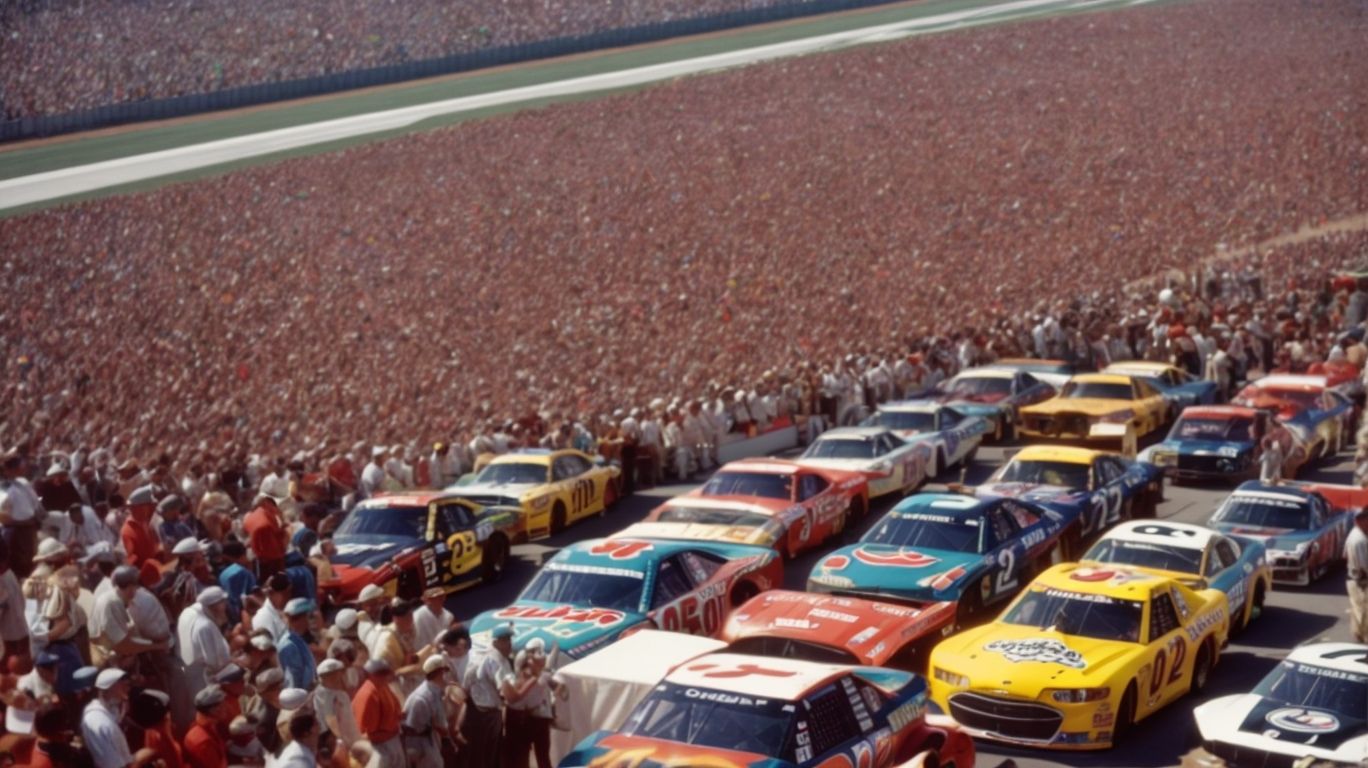
NASCAR races draw substantial crowds, with venues like Daytona, Charlotte, and Greensboro hosting thousands of enthusiastic fans.
Daytona International Speedway in Florida is a fan-favorite location, attracting around 100,000 spectators to its events. Charlotte Motor Speedway in North Carolina is another popular venue, known for its incredible atmosphere and averaging attendance of over 80,000 devoted fans. Greensboro, with its smaller capacity, still manages to draw in a loyal crowd of over 50,000 race enthusiasts eager to witness the thrill of NASCAR races.
The fan experience at these events is unparalleled, with attendees enjoying not just the high-speed races but also the lively pre-race festivities, thrilling car displays, and chances to meet their favorite drivers for autographs. Fans often camp out near the tracks, creating a vibrant and festive atmosphere that adds to the overall excitement of the race weekend.
Factors that Affect Nascar Viewership
Several factors influence NASCAR viewership, including the location and time of the race, the lineup of competitors, and the effectiveness of marketing strategies.
For NASCAR fans, location plays a vital role in their viewing experience. Races held in iconic venues like Daytona International Speedway or the Talladega Superspeedway often draw larger audiences due to their historical significance and challenging tracks. The timing of races can greatly impact viewership, with primetime events usually garnering higher ratings as they are more accessible to a wider audience.
The driver participation in a race also plays a significant role in attracting viewers. Fans tend to tune in more when their favorite drivers, such as Kyle Busch or Chase Elliott, are competing. The excitement and dynamics of the races are further enhanced by the skill and rivalry among the drivers.
The success of NASCAR’s promotional efforts can make a substantial difference in viewership numbers. Engaging social media campaigns, partnerships with popular brands, and interactive fan experiences all contribute to building anticipation and attracting a diverse audience to the sport. By continuously innovating its marketing strategies, NASCAR can not only retain its loyal fans but also attract new viewers to the sport.
Location of the Race
The location of the race, such as in Chicago, plays a crucial role in attracting local and regional audiences to NASCAR events.
With the appeal of iconic cities like Chicago, NASCAR races draw not only die-hard fans but also casual viewers intrigued by the combination of high-speed action and vibrant urban settings. The connection to the local community fosters a sense of pride and ownership among residents, driving up viewership numbers as people tune in to support their city. Regional fan bases intensify the significance of races in locations like Chicago, creating a strong sense of identity and loyalty that translates into increased engagement both online and in-person.
Time of the Race
The race time in NASCAR events is a critical factor that can affect viewership, as scheduling conflicts and time zones influence audience availability.
When determining the race timing for NASCAR events, organizers have to carefully consider various time slots that can cater to different demographic segments of viewers. Choosing the optimal time ensures maximum engagement and reach, as it affects the number of viewers tuning in to watch the race live. Time slots play a significant role in attracting sponsors and advertisers, as higher viewership during coveted time frames translates to greater exposure for brands.
Competitors in the Race
The participation of renowned drivers like Ryan Blaney adds excitement and star power to NASCAR races, attracting fans and enhancing viewership.
Ryan Blaney, with his dynamic driving style and impressive track record, has become a fan favorite, connecting with audiences on and off the race track. His presence not only elevates the competitive spirit of the events but also boosts overall engagement levels among viewers. The popularity of top drivers like Blaney plays a vital role in keeping NASCAR enthusiasts hooked throughout the season, as fans often develop a sense of loyalty and passion for specific drivers, which further drives their interest in following the races closely.
Marketing and Promotion
Effective marketing and promotion strategies are instrumental in raising awareness and generating interest in NASCAR events among audiences.
Through engaging advertisements and strategic promotional campaigns, NASCAR can reach a wider audience and attract new fans to the sport. By leveraging various platforms such as television, social media, and sponsor partnerships, the NASCAR brand can significantly increase its visibility and appeal.
The success of marketing initiatives directly impacts viewer engagement and event attendance. Enhanced marketing efforts not only create buzz around upcoming races but also drive excitement and anticipation among existing fans, leading to higher attendance numbers and viewership ratings.
Demographics of Nascar Viewers
Understanding the demographics of NASCAR viewers involves analyzing factors such as age, gender, location, income levels, and educational backgrounds to tailor content and programming.
By segmenting the NASCAR audience based on these demographic characteristics, content creators and advertisers can better understand who the viewers are, what drives their interest, and how to engage them effectively.
- Age plays a crucial role in shaping preferences, with younger viewers gravitating towards interactive and digital content, while older demographics may appreciate more traditional forms of media.
- Gender differences also impact content consumption behaviors, highlighting the need for diverse and inclusive messaging.
Moreover, income levels influence purchasing power and brand affinity, guiding marketing strategies to align with audience spending habits. Education levels provide insights into the types of messaging that resonate with viewers, enabling tailored content delivery that resonates with diverse educational backgrounds.
Age
Age demographics play a crucial role in shaping NASCAR viewership trends, with insights into generational preferences and engagement patterns guiding content strategies.
Understanding the impact of different age groups on NASCAR viewership is essential for effectively targeting and engaging audiences across various generations. For instance, younger viewers may be drawn to the fast-paced action and adrenaline rush of NASCAR races, while older generations might appreciate the history and traditions of the sport. By catering to these diverse preferences, NASCAR can create content strategies that resonate with a wide range of viewers, ultimately enhancing fan engagement and loyalty.
Gender
Gender diversity in NASCAR viewership provides valuable insights into audience composition, preferences, and engagement levels, influencing marketing and programming decisions.
Understanding the breakdown of male and female viewers in NASCAR not only helps in tailoring content and promotions to suit the diverse audience but also shapes the overall image of the sport.
Research suggests that female viewers tend to gravitate towards driver personalities and behind-the-scenes stories, while male viewers may focus more on technical aspects and race strategies.
Promoting gender inclusivity within motorsport content can be achieved by featuring female drivers prominently, showcasing their skills and achievements on and off the track, and providing platforms for discussions on gender-related issues within the sport.
Geographical Location
Geographical location plays a pivotal role in NASCAR viewership dynamics, with regions like Charlotte and Greensboro showcasing distinct fan bases and engagement patterns.
These regional fan demographics are heavily influenced by factors such as historical ties to the sport, the presence of NASCAR tracks in the area, and the overall cultural significance of motorsports within the community. For example, cities like Daytona Beach in Florida, home to the iconic Daytona International Speedway, have a deeply rooted connection to NASCAR, attracting a large and dedicated fan base.
Income and Education Level
Income and education level are key demographic factors that shape NASCAR viewership behavior, influencing consumer preferences and content consumption patterns.
Research indicates a clear relationship between income and NASCAR viewership, with higher-income individuals being more likely to engage with the sport due to factors like disposable income and lifestyle preferences. Similarly, individuals with higher levels of education often exhibit a greater interest in NASCAR, drawn to the strategic elements of the sport and the technical aspects of racing. This correlation highlights the diverse socio-economic backgrounds of NASCAR fans and underscores the need for brands and marketers to develop targeted strategies that cater to a wide range of viewers. By understanding the intersection of income, education, and NASCAR viewership, businesses can create tailored marketing campaigns that resonate with different audience segments.
How Does Nascar Compare to Other Sports?
Comparing NASCAR to other sports involves evaluating viewership trends, revenue generation models, and audience engagement metrics to assess its competitive position in the sports industry.
In terms of viewership, NASCAR boasts a dedicated fan base that tunes in regularly to witness high-speed adrenaline-fueled races. The unique aspect of NASCAR lies in its ability to draw audiences from various demographics, including both loyal fans and casual viewers intrigued by the high-octane action on the track.
In terms of revenue streams, NASCAR leverages sponsorships, merchandising, broadcasting rights, and ticket sales to drive its financial success. The NASCAR season comprises a series of races, each offering ample opportunities for branding and promotional activities, creating a thriving marketplace for companies to showcase their products and services to a vast audience.
One of NASCAR’s key strengths is its focus on fan engagement, with interactive experiences, driver interactions, and behind-the-scenes access adding a personal touch to the sport. By fostering a sense of community and connection with its audience, NASCAR enhances the overall spectator experience and builds long-lasting relationships with its fans.
Viewership Comparison
NASCAR’s viewership comparison with other sports provides insights into audience reach, engagement levels, and market positioning, offering valuable benchmarks for industry analysis.
When examining NASCAR’s viewership in contrast to other sports, one can observe the unique demographics that it attracts. NASCAR enthusiasts encompass a diverse range of individuals, with a notable emphasis on the working-class demographic, creating a bond rooted in blue-collar culture and family traditions. This distinctive audience composition sets NASCAR apart from many other sports and presents opportunities for targeted marketing and engagement strategies.
Exploring the engagement levels within NASCAR’s fan base reveals a strong sense of loyalty and passion. Fans often develop deep connections with specific drivers, teams, or even racing venues, leading to heightened emotional investment in the sport. The intense rivalries and close-knit community fostered within NASCAR contribute to its reputation for creating memorable and exciting experiences for viewers.
To enhance viewership and maintain competitiveness in today’s evolving sports entertainment landscape, NASCAR continuously implements innovative strategies. From embracing digital platforms to offer interactive fan experiences to incorporating dynamic storytelling and personal narratives into the race coverage, NASCAR aims to engage existing fans and attract new audiences. By staying attuned to shifting consumer preferences and embracing technological advancements, NASCAR remains a prominent player in the sports industry, poised for continued growth and success.
Revenue Comparison
Comparing NASCAR’s revenue streams with those of other sports reveals insights into business models, sponsorship opportunities, and financial stability within the sports industry.
One of the key revenue sources for NASCAR is sponsorship deals, which play a significant role in driving the financial success of the sport. Unlike some other sports that heavily rely on ticket sales or broadcasting deals, NASCAR has mastered the art of securing lucrative partnerships with various companies across different industries.
This diversification of revenue streams not only provides NASCAR with stability but also opens up avenues for innovation and growth in an ever-evolving sports market. By leveraging sponsorship opportunities effectively, NASCAR can continue to stay competitive and financially sustainable in the long run.
Conclusion
NASCAR’s 2023 season holds promise for continued growth, innovation, and audience engagement, reflecting the evolving landscape of motorsports entertainment.
The discussion surrounding NASCAR has revealed key insights that shed light on the anticipated developments for the 2023 season. Enhancing viewer experiences through interactive content, augmented reality, and virtual reality technologies is a focal point for NASCAR’s future strategies. Initiatives to attract a younger demographic and increase international viewership are shaping the direction of NASCAR’s marketing efforts.
The integration of sustainability practices, such as eco-friendly fuels and carbon footprint reduction, mirrors the broader societal shift towards environmental consciousness, positioning NASCAR as a forward-thinking entity in the realm of professional racing. The adaptation of digital platforms and social media engagement as paramount components of engaging with modern audiences underscores NASCAR’s commitment to staying relevant and captivating fans in an ever-evolving media landscape.
Frequently Asked Questions
How Many People Watch Nascar?
According to the latest research, an average of 9.8 million viewers tuned in to watch Nascar races in 2020.
What is the viewership trend for Nascar over the years?
The viewership for Nascar has seen a decline in recent years, with a decrease of about 5 million viewers since 2015.
Which demographic has the highest viewership for Nascar?
The majority of Nascar viewers are male, with the age group of 35-54 having the highest viewership.
How does Nascar’s viewership compare to other sports?
Nascar ranks as the fourth most-watched sport in the United States, behind football, basketball, and baseball.
Are there any factors that contribute to the decline in Nascar viewership?
Some factors that have been cited for the decline in Nascar viewership include competition from other sports, changes to race formats, and the retirement of popular drivers.
Is Nascar’s viewership impacted by the location of races?
Yes, the location of races does have an impact on Nascar’s viewership. Races held in the Southeastern United States tend to have higher viewership due to the sport’s popularity in that region.