What is Overtime in Nascar?
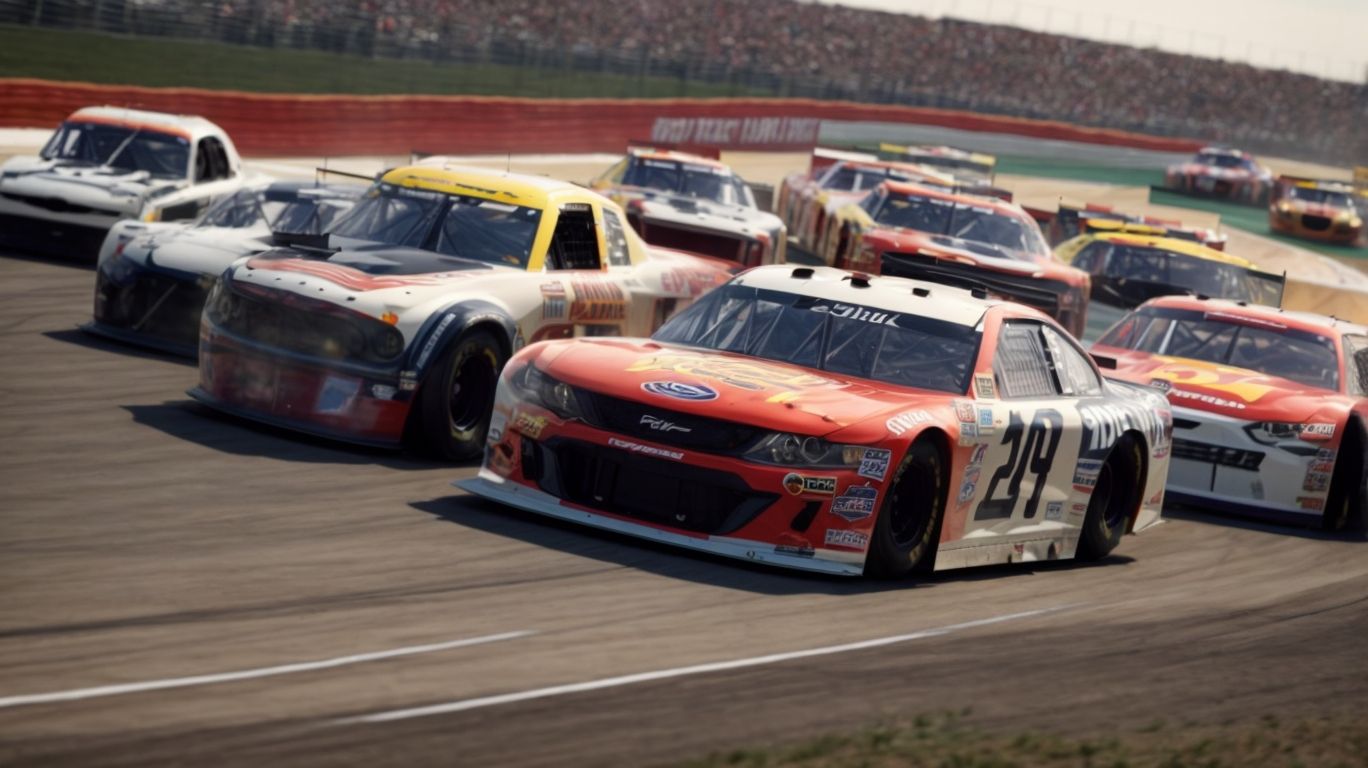
Nascar, known for its thrilling races and high-speed action, introduced the concept of overtime to add an extra element of excitement to its events.
Explore the ins and outs of overtime in Nascar, including its purpose, when it is used, and how it has changed the dynamics of races in the past.
Buckle up and get ready to dive into the world of Nascar overtime!
Key Takeaways:
What is Nascar?
NASCAR, short for National Association for Stock Car Auto Racing, is a prominent motorsport organization known for its thrilling races and dedicated fan base.
Established in 1948, NASCAR has a rich history deeply rooted in American auto racing culture.
- The organization gained popularity for its unique and challenging races, featuring heavily modified cars that push the limits of speed and endurance.
- NASCAR events, such as the Daytona 500 and the Coca-Cola 600, are watched by millions of fans worldwide, showcasing top-tier drivers competing on iconic tracks.
- Over the years, the NASCAR brand has become synonymous with excitement, teamwork, and innovation in the motorsport industry.
What is Overtime in Nascar?
Overtime in NASCAR refers to a set of rules and procedures designed to ensure a fair and exciting finish to races that may have been affected by caution periods or unexpected incidents.
NASCAR Overtime is activated when a race is nearing its scheduled end but encounters a caution flag. In such scenarios, the race is extended for a predefined number of NASCAR Overtime attempts, allowing for additional laps to be completed. During these attempts, the leader must cross the designated overtime line before a caution to secure the win. This innovative rule not only prevents races from concluding under caution but also intensifies the competition, creating nail-biting finishes that thrill fans and drive up the entertainment value of NASCAR events.
What is the Purpose of Overtime in Nascar?
The primary purpose of Overtime in NASCAR is to provide drivers with a fair opportunity to compete for victory and ensure that races conclude with an exciting finish under green flag conditions that include the white flag and ultimately the checkered flag.
In NASCAR, when a race is about to end, and an incident occurs, the safety car may be deployed leading to a caution period. If this happens in the final stage of a race, NASCAR Overtime comes into play. This rule allows for an extended period of racing, ensuring that the race does not finish under caution but rather provides a thrilling finish for both drivers and fans.
When is Overtime Used in Nascar?
Overtime in NASCAR is utilized when a race is about to end, but unforeseen circumstances like caution periods or incidents prevent a proper race finish, giving drivers an extended opportunity for a competitive ending.
This NASCAR Overtime rule was introduced to enhance the excitement and competitiveness of races. Typically occurring towards the final laps, it ensures that the outcome is determined through actual racing rather than under caution conditions. Drivers must navigate this additional period under precise conditions, including the green-white-checkered restart, which demands them to push their limits in a constrained timeframe. This extension also emphasizes the significance of safety protocols, as officials work diligently to manage the track and facilitate a fair competition.
What are the Different Types of Overtime in Nascar?
There are different types of Overtime in NASCAR, varying across series like the NASCAR Cup Series and regional series, with specific formats and regulations dictating the extension of races beyond their scheduled distance.
For instance, in the NASCAR Cup Series, NASCAR Overtime consists of a green-white-checkered finish, allowing for additional attempts to finish the race under green flag conditions after a caution period. On the other hand, NASCAR regional series may have variations in their overtime procedures, such as different limits on the number of attempts or laps during overtime. These formats aim to add an exciting element to the races while ensuring fairness and safety for all drivers involved. Understanding these distinctions is crucial for fans and participants alike to fully grasp the nuances of NASCAR’s overtime regulations.
How is Overtime Determined in Nascar?
NASCAR uses a system known as the green-white-checkered finish to determine Overtime, where drivers race for an additional segment after crossing the overtime line, allowing for a fair finish beyond the designated race distance.
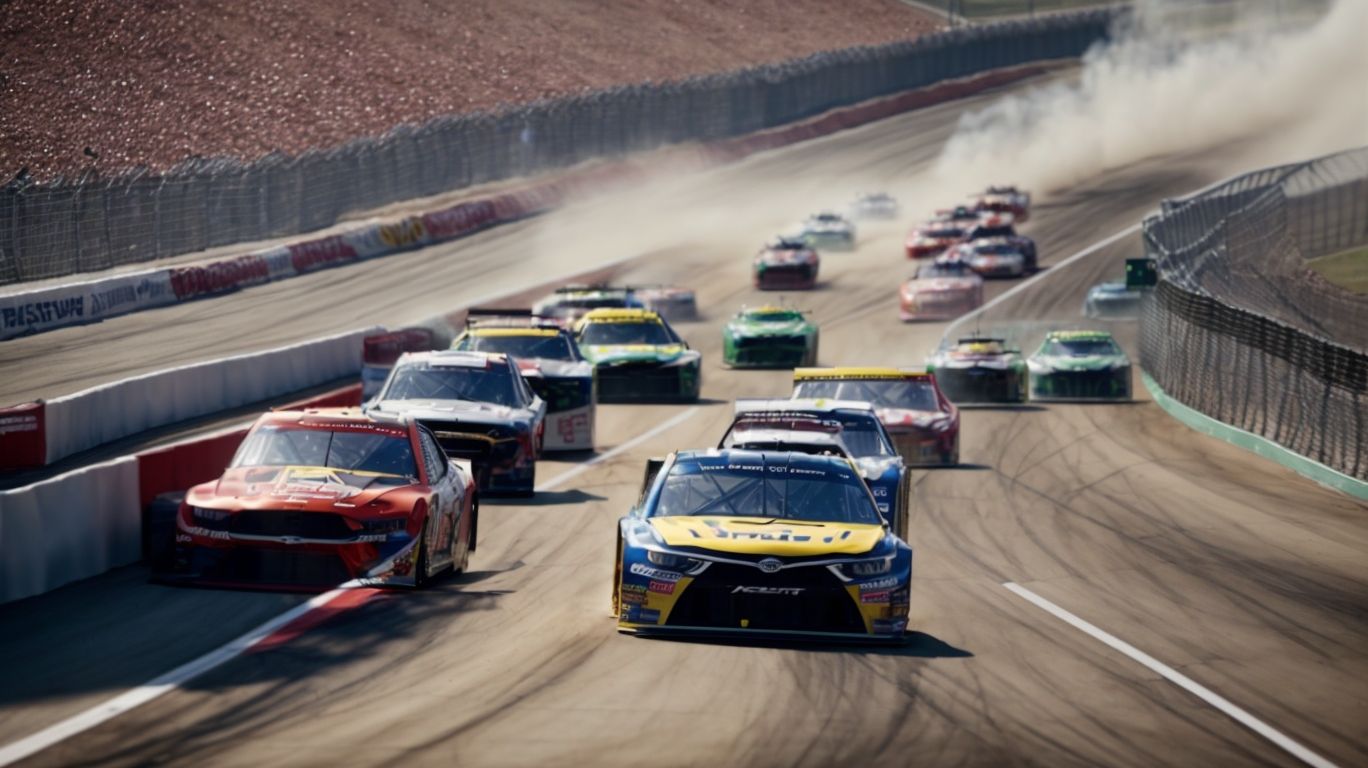
During a race, if an incident occurs towards the end that would typically trigger a caution, the green-white-checkered rule comes into play. The overtime line is set close to the finish line, and once the race leader passes this line, an overtime condition is activated, extending the race. This setup ensures that the race concludes with a competitive finish, as it gives those trailing an opportunity to overtake and secure victory. The additional laps provide an exciting finale for fans and drivers alike, making the conclusion unpredictable and thrilling.
What Happens During Overtime in Nascar?
During Overtime in NASCAR, drivers engage in a high-stakes competition to secure victory, leading to intense on-track battles, strategic maneuvers, and critical decisions that can impact race outcomes and statistical records.
This extended period adds an extra layer of excitement as competitors push themselves to the limit, endeavoring to cross the finish line first. The intensity rises as drivers jostle for position, calculating risks, and making split-second choices that determine their chances of success. Overtime in NASCAR is not only a test of speed but also of mental acuity and composure under pressure.
How Does Overtime Affect the Race?
Overtime in NASCAR introduces a thrilling dynamic to races, captivating NASCAR fans with unpredictable finishes, dramatic showdowns, and memorable moments that redefine the race finish and engage audiences worldwide.
With NASCAR Overtime rules allowing for a dramatic extension of racing action beyond the anticipated checkered flag, the potential for last-minute lead changes and intense battles at the front of the pack keeps spectators on the edge of their seats. Unexpected finishes in NASCAR Overtime often lead to heart-stopping excitement and elation as underdogs surge to the top or rivalries intensify in the closing moments of the race.
What are the Rules and Regulations of Overtime in Nascar?
The rules and regulations of Overtime in NASCAR are outlined by NASCAR officials to govern the fair conduct of races, ensuring that Overtime procedures are implemented correctly and consistently across different racing events.
These NASCAR Overtime rules are crucial in maintaining the integrity of the races, as they provide a standardized framework for handling the closing moments of a race. By following these established guidelines, drivers and teams can compete on a level playing field, knowing that the rules are being enforced transparently and fairly.
For a comprehensive understanding of NASCAR Overtime rules and protocols, racing enthusiasts can visit the NASCAR official website. Here, they will find detailed information on the specific regulations governing Overtime, the rationale behind these rules, and how they contribute to the overall excitement and safety of NASCAR events.
What Happens if a Driver Causes a Caution During Overtime?
If a driver triggers a caution period during Overtime in NASCAR, the race may undergo additional laps to compensate for the interrupted competitive flow, potentially reshuffling the race standings and intensifying the battle for victory.
When a caution period disrupts the final moments of a NASCAR race, it not only affects the drivers directly involved but also creates a ripple effect throughout the entire field. The decision-making process of teams on pit road becomes crucial as they strategize under the pressure of impending overtime.
Competitors have to recalibrate their plans, considering factors like fuel consumption, tire wear, and overall performance to maximize their chances of success. The extended laps introduce a new element of uncertainty, testing the endurance and skill of drivers in a high-stakes environment.
What Happens if the Leader Wrecks During Overtime?
When the race leader wrecks during Overtime in NASCAR, the race dynamics undergo a dramatic shift, potentially altering the final race finish, leading to statistical anomalies, and generating intense post-race discussions among fans and analysts.
When the race leader, who holds the key to victory in their hands, succumbs to the tumultuous nature of NASCAR Overtime, it not only impacts their own chances but also creates a ripple effect throughout the entire field.
As the front pack suddenly reshuffles, mid-tier drivers find themselves thrust into the spotlight, striving to capitalize on the chaos and propel themselves towards an unexpected podium finish.
This chain reaction causes a stir not just in the immediate aftermath of the wreck but reverberates through NASCAR stats and historical archives, questioning what could have been versus the reality presented by the tumultuous turn of events.
What Happens if the Race Cannot Finish in Overtime?
If a race cannot reach its conclusion during Overtime in NASCAR due to extenuating circumstances, NASCAR officials may declare a race winner based on pre-established criteria, ensuring that the race results are determined fairly and transparently despite the incomplete finish.
In such situations, NASCAR employs a set of rules to determine the winner, taking into account factors like the running order at the time of the caution period, laps completed, and official scoring data.
NASCAR races pride themselves on maintaining the integrity of the sport, ensuring that the results are reflective of the drivers’ performance and adherence to the rules and regulations set by the NASCAR series.
By meticulously following these protocols, NASCAR upholds the credibility of its races, fostering a competitive environment where victory is earned through skill and determination.
How Has Overtime Affected Nascar Races in the Past?
Over the years, Overtime in NASCAR has left an indelible mark on races, producing remarkable statistics, unforgettable finishes, and intense competition that have reshaped the narrative of NASCAR events and enthralled fans worldwide.
The introduction of NASCAR Overtime has added an element of unpredictability to the final moments of races, where drivers push themselves to the limit for a chance at victory. This rule, implemented in 2004, allows for a dramatic extension of the race when it would typically end under caution. The statistical analysis of NASCAR Overtime demonstrates a surge in lead changes and side-by-side battles, showcasing the thrilling nature of these extended endings. Memorable moments like photo-finishes and underdog triumphs have solidified the significance of NASCAR Overtime in the sport’s history.
What Do Fans Think About Overtime in Nascar?
NASCAR fans have expressed diverse opinions about Overtime in NASCAR, with some appreciating the added excitement and unpredictability it brings to races, while others debate its impact on the traditional race finish and the overall fan experience.
For many NASCAR enthusiasts, the concept of Overtime adds an extra layer of drama to an already intense sport, injecting a sense of last-minute suspense that keeps viewers on the edge of their seats. It’s viewed as a thrilling twist that magnifies the stakes and opens up opportunities for unexpected comebacks, transforming a decent race into a nail-biting spectacle.
On the flip side, purists argue that Overtime can distort the purity of the standard race conclusion, potentially overshadowing the essence of fair competition and strategic gameplay.
How Has Overtime Improved Nascar Races?
The introduction of Overtime in NASCAR has significantly enhanced the spectacle of races, injecting new energy, drama, and competitiveness into events, resulting in thrilling finishes, increased fan engagement, and heightened anticipation for each race’s outcome.
By allowing a race to extend past its designated length if a caution flag is raised near the end, NASCAR Overtime has revolutionized the way fans experience the conclusion of races. The unpredictability of the extended laps created by Overtime keeps spectators on the edge of their seats, knowing that anything can happen until the very last moment. This extra element of uncertainty has brought a fresh level of excitement to NASCAR finishes, often resulting in photo-finish conclusions that leave fans buzzing with adrenaline.
Frequently Asked Questions
What is Overtime in Nascar?
In Nascar, overtime refers to additional laps that are run when a race is close to the scheduled distance but cannot be completed due to a caution or other factors.
How is Overtime determined in Nascar?
Overtime is determined by the Nascar rulebook, which states that if a race is at or near its scheduled distance and cannot be completed, the race will enter overtime.
Why does Nascar have an Overtime rule?
The Overtime rule was implemented to ensure that races end under green flag conditions, providing a fair and exciting finish for both drivers and fans.
When is Overtime used in Nascar?
Overtime is used in Nascar when a race is close to its scheduled distance but is unable to be completed, usually due to a caution flag being waved.
How many laps are run in Overtime in Nascar?
The number of laps run in Overtime in Nascar depends on the length of the track, with most tracks having one or two laps added to the scheduled distance.
What happens if there is a caution during Overtime in Nascar?
If a caution occurs during Overtime in Nascar, the race will continue to run under caution until the track is cleared and the race can resume. If another caution occurs, an additional overtime attempt may be given.