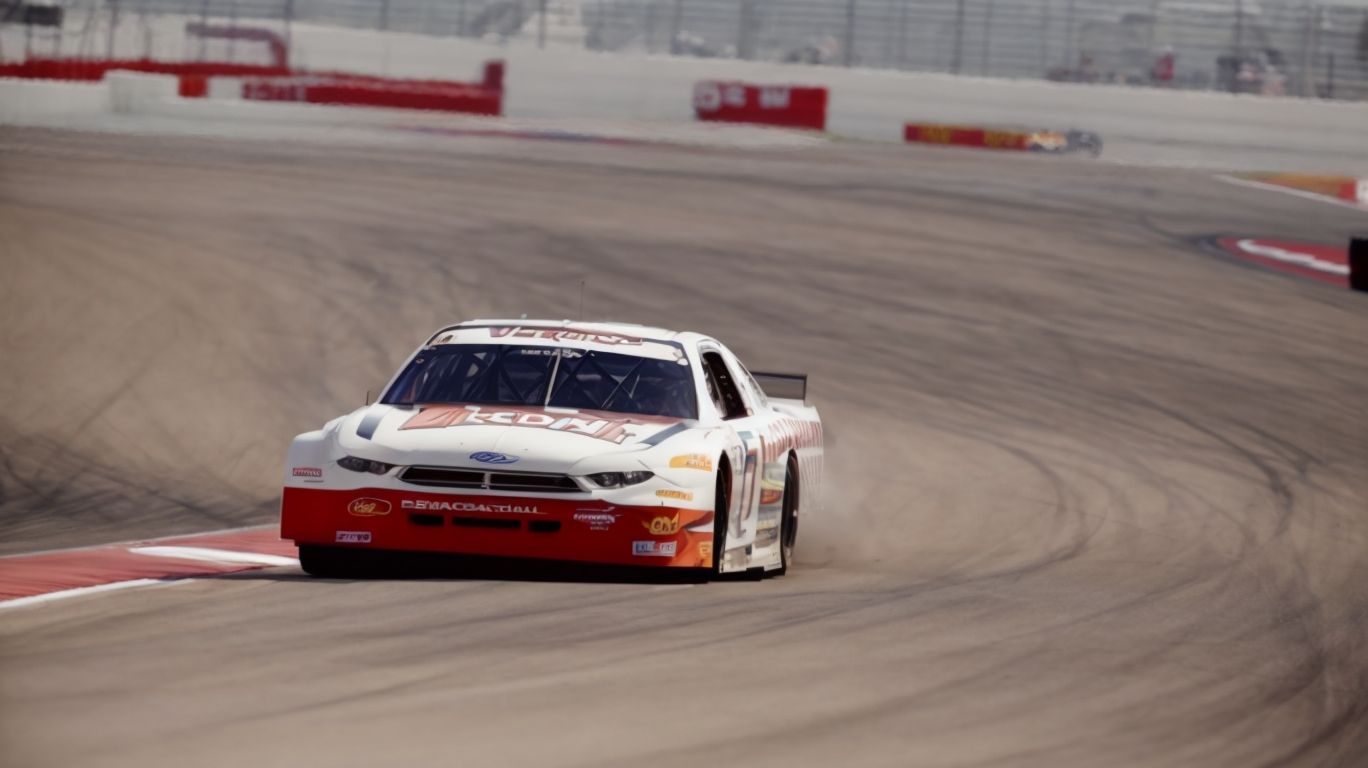
How Does Nascar Qualifying Work?
NASCAR qualifying is an essential aspect of the sport that determines the starting lineup for each race.
Various methods, from single car qualifying to group qualifying and knockout qualifying, are used to determine the fastest drivers on the track. Factors such as track conditions, weather, and car setup play a crucial role in the outcome of qualifying sessions.
This article will explore the different types of NASCAR qualifying, how the starting lineup is determined, what happens if a driver fails to qualify, and strategies for success on qualifying day.
Join us as we dive into the thrilling world of NASCAR qualifying.
Key Takeaways:
What is NASCAR Qualifying?
NASCAR Qualifying is the process through which drivers compete to determine their starting positions for a race on a particular track.
Qualifying is a crucial aspect of a race weekend in NASCAR, setting the stage for the main event. It is a high-stakes battle where every driver aims to secure the best possible starting position to gain an advantage in the race. The qualifying sessions not only showcase the individual skill of each driver but also highlight the performance of their cars on the given track. Various methods are used in NASCAR qualifying, including single-car runs, group sessions, and knockout rounds. These formats add an element of strategy and excitement to the proceedings.
How Does NASCAR Qualifying Work?
NASCAR Qualifying operates through different methods such as Single Car Qualifying, Group Qualifying, and Knockout Qualifying, each designed to determine the fastest drivers for the race.
Single Car Qualifying
In Single Car Qualifying, each driver takes to the track individually, aiming to set the fastest lap time and secure the pole position for the race.
It is a crucial part of the racing weekend where drivers have to deliver their best under pressure, with no one to rely on but themselves. The format not only demands speed but also precision, as any mistakes can compromise the whole session. Whether it’s a tight street circuit or a high-speed oval track, drivers must adapt their driving style to suit the unique characteristics of each layout.
Group Qualifying
Group Qualifying sees drivers divided into groups, with the top performers advancing to determine their starting positions based on series standings and owner’s points.
In Group Qualifying, drivers are typically split into multiple groups, each group taking to the track for a designated session. The grouping helps organizers manage the qualifying process efficiently. The format often involves timed sessions where drivers aim to set the fastest laps within a specific time window. Those with the quickest times from each group usually proceed to the next stage or are given better starting positions.
- The top 10 finishes during these sessions can significantly impact a driver’s overall performance in the series.
- Series distinctions play a crucial role in determining the competitiveness of the drivers within each group.
- Performance metrics such as lap times, consistency, and strategy also come into play during Group Qualifying.
Knockout Qualifying
Knockout Qualifying involves multiple rounds where the field is gradually narrowed down, leading to intense competition and determining the starting grid for the race.
The format typically consists of three rounds:
- Round 1: All cars compete to set their initial lap times, with a time limit to secure a fast lap.
- Round 2: The fastest drivers then advance to Round 2, while the rest face elimination.
- The final round: Further filters the field, with only the top performers moving on to the final round. This process creates a thrilling and competitive atmosphere, as each subsequent round poses a greater challenge to secure a higher starting position.
What Are the Different Types of NASCAR Qualifying?
NASCAR Qualifying encompasses Time Trials, Heat Races, and Provisional Starting Positions, each offering unique paths for drivers to secure their starting spots.
Time Trials
Time Trials involve drivers competing individually to clock the fastest laps around the track, showcasing their speed on both ovals and road courses.
This form of qualifying method places a significant emphasis on lap times, as each driver pushes their vehicle to the limit to achieve the quickest lap possible. Drivers must demonstrate not only raw speed but also precision and consistency to secure a competitive position on the starting grid. The versatility of drivers is truly tested in Time Trials, as they need to adapt their driving style to excel on various track configurations, whether it be the high-speed straights of an oval or the technical twists and turns of a road course.
Heat Races
Heat Races feature short qualifying races where drivers battle for starting spots with the challenge of unpredictable factors like rain or cancellations.
These high-intensity sprints often provide a glimpse into the competitors’ true potential, testing their skills in a condensed format where every move counts. The ultimate goal for drivers in Heat Races is to secure the best possible starting position for the main event, as a prime placement can significantly impact their chances of success during the race.
Strategic maneuvering becomes crucial amidst the limited laps, with drivers aiming to balance speed and preservation of their equipment. Adverse conditions such as rain or unexpected cancellations can add another layer of complexity, putting teams’ adaptability and quick decision-making skills to the test.
Provisional Starting Positions
Provisional Starting Positions are granted to drivers based on factors such as past Champion status, ensuring their participation and influence on the race lineup.
These positions hold great significance in the racing world, not only reflecting a driver’s past achievements but also setting the tone for the upcoming race. The presence of seasoned drivers in these positions adds a layer of experience and expertise, which can greatly impact the dynamics of the race.
On different track types, the allocation of Provisional Starting Positions becomes even more crucial, as each track demands a unique set of skills and strategies. For instance, on fast, high-speed tracks, having a seasoned driver in a top starting position can be a game-changer, whereas on technical, twisty tracks, their experience can help navigate the challenges more effectively.
What Factors Affect NASCAR Qualifying?
Several factors can impact NASCAR Qualifying, including Track Conditions, Weather, and Car Set-Up, which play pivotal roles in determining the outcome of the qualifying sessions.
Track Conditions
Track Conditions such as surface grip and temperature impact the qualifying procedure, presenting unique challenges for drivers across different track types in the NASCAR Cup Series.
During NASCAR Qualifying, drivers must carefully assess the surface grip levels, which can vary based on recent weather conditions and the type of track. Higher temperatures often lead to slicker surfaces, requiring drivers to adjust their driving style to maintain speed and control. Conversely, cooler temperatures can increase grip, allowing for faster lap times. These factors play a crucial role in determining the optimal setup for the car, as adjustments to tire pressure, suspension, and aerodynamics may be necessary to adapt to the track conditions.
Weather
Weather conditions such as rain or storms can lead to qualifying sessions being cancelled or modified, especially during the COVID-19 pandemic era where new formats may be introduced.
These unpredictable weather scenarios, which are synonymous with NASCAR events, pose a significant challenge to both drivers and teams. Rain showers can turn a typically fast practice session into a cautious affair, impacting track conditions and the overall performance of the cars.
The COVID-19 pandemic has added another layer of complexity to the mix. Safety measures and restrictions have necessitated adjustments in the standard qualifying procedures, leading to the implementation of innovative formats to adapt to the changing circumstances.
Car Set-Up
Car Set-Up involves configuring the vehicle to perform optimally in qualifying, with teams utilizing unique strategies and charters to set their cars apart from the competition.
In terms of NASCAR Qualifying, honing in on the ideal car set-up is paramount. Teams meticulously fine-tune aspects like tire pressures, suspension setups, and aerodynamics to gain those precious milliseconds on the track. This process is not just about speed; it’s a delicate balance of numerous factors that can make or break a qualifying run. Some teams may prioritize straight-line speed, while others focus on cornering capability.
The strategic use of charters further adds a layer of complexity to the mix. These specialized documents grant teams certain privileges, such as guaranteed entry into races, which can significantly impact their competitive edge. Leveraging advanced technologies like telemetry data and simulation software, teams meticulously analyze every detail to optimize car performance and outshine rivals during qualifying.
How is the Starting Lineup Determined?
The Starting Lineup in NASCAR is determined based on the Fastest Qualifier, Owner Points standings, and the composition of the field, ensuring a competitive mix of drivers for the race.
Fastest Qualifier
The Fastest Qualifier earns the pole position through their exceptional performance in the qualifying procedure, setting the pace for the upcoming NASCAR Cup Series race.
Securing the pole position not only puts the driver in the prime starting spot but also gives them a psychological advantage over their competitors. It showcases their skill, precision, and speed, highlighting their ability to push the limits of their race car in a short burst of intense competition. Starting at the front allows the driver to dictate the initial momentum of the race, often leading to an advantageous position throughout the event.
Owner Points
Owner Points influence the starting positions of drivers, reflecting their consistent performance across the series and contributing to the competitive field composition.
These points serve as a direct link between team accomplishments and their driver’s starting grid spot. The system considers a variety of factors such as race wins, top finishes, and overall team performance throughout the season. By rewarding successful teams with higher starting positions, NASCAR ensures that strong contenders have the chance to showcase their talents early in the race. The introduction of charters has added a layer of complexity, balancing out the field while still highlighting the differences in team capabilities.
Provisional Positions
Provisional Positions offer opportunities for drivers to secure a starting spot, especially in scenarios where the field size, Open team entries, or outcomes of Duel races necessitate adjustments.
Field size variations play a crucial role in determining how many provisional positions are available. If the field exceeds the predetermined number of starting spots, relying on provisionals becomes essential for certain competitors.
Open team entries can influence the provisional lineup, as these teams might not have the same level of guaranteed starting positions as their full-time counterparts.
The results from Duel races, which are preliminary events in NASCAR qualifying, can impact provisional positions, offering drivers an alternative route to secure a place on the starting grid.
What Happens if a Driver Fails to Qualify?
If a driver fails to qualify for a race in the NASCAR Cup Series, they may have opportunities through special circumstances or regulations to still earn a starting position.
One option for a driver who fails to qualify is the ‘Owner Points Provisional’, which allows the use of car owner points to secure a starting spot in the race based on the team’s performance over the season. This can be helpful for drivers racing for competitive teams with strong points standings.
Another avenue for eligibility is the ‘Past Champion’s Provisional’, where former series champions who do not qualify may receive a spot in the race. This rule recognizes the accomplishments of past champions, providing them an opportunity to participate even if they face challenges in qualification.
What are the Strategies for Qualifying?
Drivers employ various strategies during NASCAR Qualifying, including Timing Your Run, Drafting, and Pit Strategy, to maximize their performance and secure optimal starting positions.
Timing Your Run
Timing Your Run involves drivers strategically planning their laps to secure optimal positions in the qualifying algorithm, aiming for improved starting spots in the race.
During NASCAR Qualifying sessions, drivers meticulously analyze the track conditions, weather forecasts, and their competitors’ strategies to determine the perfect moment to hit the track. By timing their runs precisely, they aim to avoid traffic congestion, benefit from track evolution, and capitalize on the best tire grip. This strategic approach allows them to maximize their speed and performance, ultimately increasing their chances of securing a favorable starting position. As drivers push the limits, understanding the nuances of timing can make a significant difference in their quest for pole position and race success.
Drafting
Drafting involves drivers using aerodynamic maneuvers with other cars to enhance their speeds and gain advantages, particularly on oval tracks during NASCAR Qualifying.
Drivers in NASCAR utilize drafting as a strategic technique to reduce air resistance and increase acceleration on the high-speed ovals. By tucking closely behind another car, a driver can benefit from reduced drag, which aids in better speed, fuel efficiency, and overall performance. This tactic requires precise control and coordination to maneuver within the pack effectively.
Pit Strategy
Pit Strategy involves teams planning strategic pit stops to adjust car setups, optimize performance, and gain advantages, especially on road courses during NASCAR Qualifying.
During NASCAR Qualifying, teams meticulously calculate when to bring their cars into the pits for intricate adjustments, such as tire pressure alterations, chassis tweaks, and fuel load modifications.
This choreographed routine can make a significant impact on a car’s handling, speed, and overall competitiveness on the track.
By utilizing sophisticated data analytics and quick decision-making, teams can exploit every opportunity to fine-tune their vehicles for optimal performance, ultimately aiming to outmaneuver their rivals and secure pole position.
Frequently Asked Questions
How Does Nascar Qualifying Work?
Nascar qualifying is the process by which drivers determine their starting positions for a race. In this FAQ, we will explain how it works.
What are the Different Types of Nascar Qualifying?
There are two main types of Nascar qualifying: single-car qualifying and group qualifying. Single-car qualifying involves each driver taking turns completing a timed lap on the track. Group qualifying involves multiple cars on the track at the same time, with the fastest lap times determining starting positions.
How is the Starting Lineup Determined for a Nascar Race?
The starting lineup for a Nascar race is determined by the results of the qualifying session. The fastest driver will start in the first position, followed by the second fastest, and so on.
What Happens if a Driver Fails to Qualify for a Nascar Race?
If a driver fails to qualify for a Nascar race, they may still have a chance to compete in the race. The remaining positions in the starting lineup are filled by the highest-ranking drivers in the owner points standings who did not qualify on speed.
Is There a Time Limit for Nascar Qualifying?
Yes, there is a time limit for Nascar qualifying sessions. The length of the session varies depending on the track, but is usually around 10-15 minutes for single-car qualifying and 20-30 minutes for group qualifying.
Can a Driver Qualify in a Different Car Than They Will Race in?
No, a driver must qualify in the same car they will race in. If they are unable to do so due to an issue with their primary car, they may use a backup car, but they will have to start at the back of the field.