What Nascar Drivers Are Good at Martinsville?
Martinsville Speedway is a unique and challenging track that tests the skills of even the most experienced NASCAR drivers.
Drivers must master braking, cornering, navigating tight turns, and traffic, requiring a combination of speed and strategy to succeed at this short-track race.
Discover the key skills needed for success at Martinsville, the top NASCAR drivers who excel at this track, their strategies, and the challenges they face.
Buckle up and get ready to dive into the world of racing at Martinsville Speedway.
Key Takeaways:
What Is Martinsville Speedway?
Martinsville Speedway, a famed racetrack in the NASCAR Cup Series circuit, is known for its tight turns and short-track racing challenges.
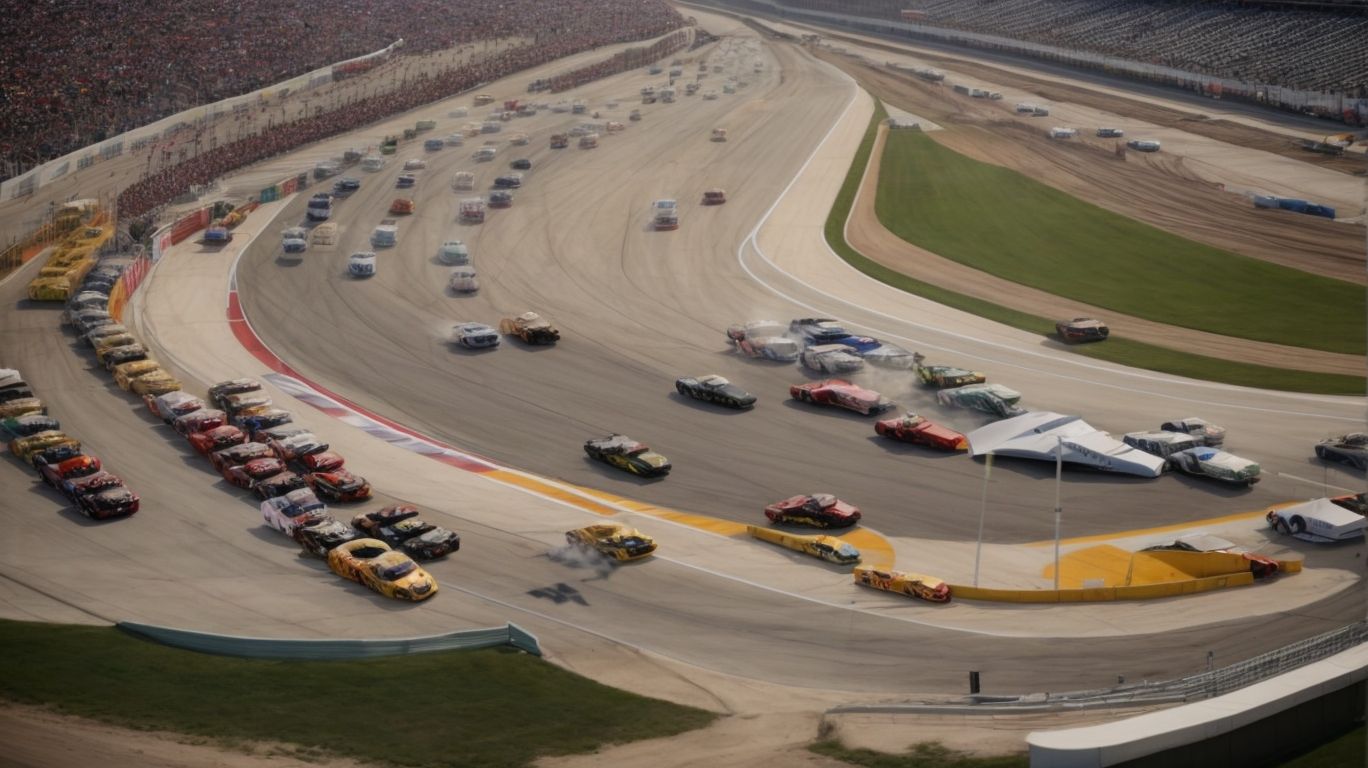
This historic track, located in Virginia, is one of the oldest in NASCAR and boasts a rich tradition dating back to the sport’s early days. The distinctive paperclip shape of Martinsville Speedway sets it apart from other tracks, with turns that require finesse and skill from drivers to navigate efficiently.
The half-mile length of the track makes for intense competition, close encounters, and exciting moments for fans, adding to the drama and unpredictability that make short-track racing so thrilling.
What Makes Martinsville Speedway Unique?
Martinsville Speedway stands out for its rich history in the NASCAR Cup Series and its demanding short-track racing experience that tests driver skills.
Martinsville Speedway, located in Virginia, has been a staple in NASCAR since opening in 1947. Known for its tight turns and short straightaways, this half-mile track presents a unique challenge to drivers, requiring precise handling and strategic maneuvering. The famous grandfather clock trophy awarded to race winners adds to the allure of this iconic venue. Many legendary drivers have left their mark on Martinsville, further solidifying its place in NASCAR history. Fans flock to the track to witness the intense battles that unfold on the tight corners, making every race at Martinsville a thrilling spectacle.
What Are The Key Skills Required For Success At Martinsville?
Success at Martinsville Speedway in the NASCAR Cup Series demands exceptional braking, precise cornering abilities, and extensive experience in short-track racing.
Braking efficiently at Martinsville is a crucial skill due to the track’s tight turns and short straightaways. Drivers must modulate their braking to prevent wheel lock-ups and maintain control as they navigate the paperclip-shaped layout.
Mastering cornering precision is essential for maintaining speed through the sharp corners and tight transitions of the Virginia track. Drivers must find the optimal racing line to carry momentum out of each turn and onto the following straight.
Familiarity with short-track racing nuances, such as bump-and-run tactics and managing traffic congestion, is key to excelling at Martinsville Speedway. A combination of top-tier braking technique, precise cornering skills, and experience in close-quarters racing is a winning formula for success at this iconic NASCAR venue.
Braking
Braking skill is paramount at Martinsville Speedway, requiring drivers to modulate their brakes effectively to navigate the tight turns and short straights.
Given the unique layout of Martinsville Speedway, mastering braking technique is crucial for drivers to maintain control and position themselves optimally on the track.
With the sharp corners and narrow stretches, drivers have to strike a delicate balance between slowing down enough to maneuver the turns smoothly, while also accelerating quickly on the short straights to gain an advantage over their competitors.
This constant switching between braking and acceleration calls for precision and finesse in controlling the braking mechanism, as even a slight misstep can lead to losing valuable time or worse, causing a collision.
Cornering
Precise cornering is key at Martinsville Speedway, where drivers must master the art of navigating the sharp turns and maintaining optimal speed through the corners.
These tight turns, known as ‘paperclip’ due to their shape, demand exceptional car control to execute successful corner exits. Skillfully tackling these corners can provide drivers with crucial opportunities to overtake their opponents. Every inch gained or lost in the corners can significantly impact a driver’s race position, making each turn a critical moment. The ability to blend acceleration and braking harmoniously while cornering is a hallmark of top-tier drivers, showcasing their mastery of both racing craft and vehicle finesse.
Short-Track Racing Experience
Experience in short-track racing is invaluable at Martinsville Speedway, as drivers need to adapt to the close-quarters racing and strategic nuances of short tracks.
Drivers who excel on short tracks possess a keen understanding of the delicate balance between aggression and patience required to navigate the tight corners and narrow straightaways of Martinsville Speedway. The ability to anticipate competitors’ moves and react swiftly is paramount on these tracks given the limited margin for error. Mastering the art of managing tire wear and maximizing grip becomes a critical factor in achieving success at Martinsville. With the race unfolding rapidly, drivers must make split-second decisions blending skill and intuition to seize opportunities and avoid potential hazards.
Who Are The Top Nascar Drivers At Martinsville?
Martinsville Speedway has seen stellar performances by top NASCAR drivers such as Denny Hamlin and Kyle Busch, showcasing their mastery of the track’s challenges.
Known for its short track and tight corners, Martinsville Speedway demands precision, strategy, and skill from the drivers navigating its unique layout. Denny Hamlin, a Virginia native, has a special connection with this track, winning multiple races and consistently being a front-runner. Kyle Busch, with his aggressive driving style, has also left his mark at Martinsville, thrilling fans with his daring moves and competitive spirit on the track.
Denny Hamlin
Denny Hamlin, a NASCAR stalwart, has demonstrated exceptional skill at Martinsville Speedway, often contending for victory with his strategic racecraft.
His impressive track record at Martinsville includes multiple wins and consistent top finishes, highlighting his undeniable mastery of the short track. Hamlin’s ability to navigate the tight turns and challenging layout of Martinsville has made him a formidable force on the circuit. His strategic approach to races often sees him saving tires and positioning himself for crucial late-race moves, earning him the nickname ‘Mr. Martinsville’ among fans and fellow competitors alike.
Jimmie Johnson
Jimmie Johnson, a legendary NASCAR driver, has left his mark at Martinsville Speedway with memorable races and remarkable displays of skill.
His strategic maneuvers around the tight turns of the paperclip-shaped track have earned him multiple victories and solidified his status as a dominant force at Martinsville. Johnson’s ability to navigate traffic and manage tire wear on the abrasive surface has been a key factor in his success at this challenging circuit.
His rivalry with other top drivers, such as Jeff Gordon and Tony Stewart, has produced intense and thrilling battles that have captivated fans over the years. Johnson’s contributions to the track’s legacy extend beyond just his on-track performance, as he has also been actively involved in charitable initiatives and community events in the Martinsville area.
Kyle Busch
Kyle Busch, known for his aggressive driving style, has shown versatility and competitiveness at Martinsville Speedway, carving his place among the track’s top contenders.
His relentless pursuit of victory and unwavering determination make him a formidable force to reckon with on the challenging turns and short straights of Martinsville. Busch’s adeptness at navigating tight corners with precision and calculated aggression sets him apart from his competitors, earning him respect and admiration among fans and fellow drivers alike.
Not only does he excel in individual performance, but Busch also exhibits exceptional teamwork and strategic prowess when racing at Martinsville, a track where strategy and skill play crucial roles in securing a win.
Brad Keselowski
Brad Keselowski, a skilled NASCAR driver, has displayed tactical acumen and racecraft at Martinsville Speedway, competing fiercely against top contenders.
Known for his calculated and strategic moves on the track, Keselowski often navigates the tight corners and short straightaways of Martinsville Speedway with precision and skill.
His competitive spirit shines through as he deftly maneuvers through traffic, capitalizing on opportunities to pass rivals and position himself for victory.
During heated battles with the likes of Kyle Busch and Denny Hamlin, Keselowski’s ability to maintain focus and make split-second decisions sets him apart as a formidable force in NASCAR.
Clint Bowyer
Clint Bowyer’s tenacity and skill have been on full display at Martinsville Speedway, where he has engaged in thrilling battles and showcased his racing expertise.
One of the key attributes that define Bowyer’s racing style at Martinsville Speedway is his ability to navigate the tight corners and manage his car’s performance with precision.
His strategic racecraft and adaptability on the track have often positioned him as a formidable contender, challenging his opponents and pushing the limits of his driving skills.
Bowyer’s competitive edge becomes evident in the intense duels he engages in, utilizing his experience and instincts to outmaneuver his rivals and secure advantageous positions during crucial moments in the race.
What Are The Strategies Used By Successful Nascar Drivers At Martinsville?
Successful NASCAR drivers at Martinsville employ strategic pit stops, meticulous tire management, and strategic track positioning to gain an edge in the race.
In terms of pit stops at Martinsville Speedway, timing is crucial, as races can often be won or lost in the pits. Teams need to execute lightning-fast pit stops to minimize time off the track.
Tire management is another key aspect at Martinsville, with drivers constantly balancing the need for grip with tire wear. Finding the sweet spot can make a significant difference in performance over long runs.
Track positioning is highly valued at Martinsville, given its tight turns and short straightaways. Maintaining a favorable position can mean the difference between being caught in traffic or having a clear path to overtake competitors.
Pit Strategy
Pit strategy plays a crucial role at Martinsville Speedway, as drivers and teams must make strategic decisions for timely pit stops and optimal race performance.
During a race at Martinsville Speedway, every pit stop becomes a critical moment that can either propel a driver forward or set them back. The intricate dance of planning when to pit, changing tires, refueling, and making necessary adjustments to the car is a delicate balance between speed and precision. Navigating the crowded pit lane, coordinating with the pit crew, and syncing decisions with the team manager are all pivotal aspects of executing a successful pit strategy.
At Martinsville Speedway, known for its tight turns and short track, pit strategy can make or break a race. A well-timed pit stop can help a driver gain positions on the track, while a poorly executed one can lead to losing valuable track position. Teamwork is essential, as the pit crew must work seamlessly to ensure quick and efficient service, making split-second decisions that can influence the outcome of the race. The ability to strategize effectively, adapt to changing race conditions, and make smart pit calls are key elements in achieving success at this iconic track.
Tire Management
Effective tire management is essential at Martinsville Speedway, where drivers must balance tire wear, grip levels, and performance throughout the race.
Controlling tire wear is crucial to ensure that drivers maintain optimal performance on the short track layout of Martinsville Speedway. With sharp turns and short straightaways, the demands placed on tires are intense, requiring drivers to strategically manage their tire usage.
Grip levels play a significant role in a driver’s ability to navigate the tight corners and make crucial overtaking maneuvers. The balance between preserving tire grip and pushing the limits for faster lap times is a delicate dance that can make or break a driver’s chances of success at Martinsville.
Track Position
Securing advantageous track position is a key strategy at Martinsville Speedway, as drivers aim to position themselves strategically for overtaking opportunities and race control.
Drivers at Martinsville Speedway use their skill and experience to anticipate the best locations to pass opponents while, at the same time, defending their positions from behind. This delicate balancing act is crucial in determining the outcome of the race.
By strategically choosing where to place their cars on the track, drivers can control the pace of the race and capitalize on any potential openings to advance in the standings. This tactic requires immense concentration and split-second decision-making to seize every possible advantage on the challenging oval.
Consistency
Consistent performance is key for success at Martinsville Speedway, where drivers must maintain focus, precision, and race pace throughout the demanding race laps.
Staying consistent is crucial on the tight, flat turns of Martinsville Speedway, as the smallest mistake can result in losing positions. By adhering to a set rhythm and executing each corner with finesse, drivers can build momentum and create opportunities to overtake opponents. The ability to sustain a constant level of performance is what separates the best drivers from the rest, leading to podium finishes and championship aspirations. In a sport where margins are razor-thin, maintaining consistency in driver performance becomes a defining factor in achieving enduring success.
What Are The Challenges Of Racing At Martinsville?
Racing at Martinsville presents drivers with challenges such as navigating tight turns, managing traffic, coping with physical demands, and adapting to unpredictable weather conditions.
Drivers competing at Martinsville Speedway must skillfully maneuver their vehicles through the tight corners of the track, where the slightest miscalculation can lead to costly mistakes. The close proximity of other cars adds an extra layer of difficulty, testing drivers’ ability to handle traffic while maintaining speed and control.
The physical demands of racing at Martinsville are considerable, with drivers enduring high G-forces and constantly changing forces acting on their bodies. This can result in fatigue and muscle strain, requiring drivers to maintain peak physical fitness to sustain their performance throughout the race.
Martinsville’s unpredictable weather patterns can pose a significant challenge, as drivers must quickly adjust their strategies to account for sudden changes in track conditions. Rain showers or temperature fluctuations can drastically alter the handling characteristics of the cars, forcing drivers to make rapid adjustments to avoid costly errors.
Tight Turns
The tight turns at Martinsville Speedway demand precision and control from drivers, requiring them to master braking and acceleration techniques to navigate the corners effectively.
One of the key challenges presented by these tight turns is the limited space available for maneuvering, making it crucial for drivers to maintain a delicate balance between speed and control. Each turn demands a unique approach, with drivers needing to adjust their lines and braking points accordingly to optimize their trajectory. The slightest mistake can result in losing positioning and momentum, affecting their overall performance in the race.
Traffic
Managing race traffic is a significant challenge at Martinsville Speedway, where drivers must navigate dense packs of cars while seeking overtaking opportunities and defending their positions.
Given the unique layout of Martinsville Speedway, with its tight turns and short straightaways, drivers face a constant battle with traffic congestion. The short track, just over half a mile in length, amplifies the intensity of racing as cars bunch up quickly, making passing a test of skill and patience. Overtaking chances are rare and highly coveted, often requiring strategic maneuvering and a keen eye for openings in the traffic. Drivers have to anticipate the moves of competitors ahead, react swiftly to changing situations, and protect their positions from aggressive challengers.
Physical Demands
The physical demands of racing at Martinsville Speedway test drivers’ endurance, strength, and mental acuity, requiring peak physical fitness to withstand the rigors of the race.
One of the key challenges faced by drivers at Martinsville Speedway is the constant braking and acceleration needed on the tight, flat track. The G-forces encountered in the corners put immense strain on the drivers’ bodies, especially their neck muscles, as they fight against the centrifugal forces pulling them outward. This demanding track demands not only quick reflexes but also incredible core strength to control the car through the turns.
The mental focus required at Martinsville is unparalleled. The close quarters racing, with little room for error, means that drivers need to stay laser-focused for the entire race, anticipating the next move of their competitors while managing their own strategy.
Unpredictable Weather
The unpredictable weather conditions at Martinsville Speedway add an element of uncertainty to races, requiring drivers and teams to adapt to changing track conditions and make strategic decisions based on weather forecasts.
As drivers navigate the tight turns and short straightaways of Martinsville Speedway, the impact of unexpected rain or temperature changes can be significant. A sudden downpour can turn the track into a slick, treacherous surface, challenging drivers to maintain control of their cars and find the right line for optimal speed. In response, tire choices become crucial – teams must decide between slicks, intermediates, or wets, each offering different levels of grip and performance.
Frequently Asked Questions
What Nascar Drivers Are Good at Martinsville?
Who are some of the top Nascar drivers known for their skills at Martinsville Speedway?
Nascar drivers like Jimmie Johnson, Dale Earnhardt Jr., and Denny Hamlin have all had success at Martinsville Speedway.
What Nascar Drivers Are Good at Martinsville?
What makes Martinsville Speedway a challenging track for Nascar drivers?
Martinsville Speedway is known for its tight turns, short straightaways, and concrete surface, making it a physically demanding track for drivers.
What Nascar Drivers Are Good at Martinsville?
How many times has Jimmie Johnson won at Martinsville Speedway?
Jimmie Johnson has won a record-breaking nine times at Martinsville Speedway, making him the most successful driver at this track.
What Nascar Drivers Are Good at Martinsville?
What is the average speed for Nascar drivers at Martinsville Speedway?
The average speed for Nascar drivers at Martinsville Speedway is around 95 mph, making it one of the slowest tracks on the Nascar circuit.
What Nascar Drivers Are Good at Martinsville?
What is the most challenging aspect of racing at Martinsville Speedway for Nascar drivers?
Many Nascar drivers cite the difficulty of passing and the high potential for collisions as the most challenging aspects of racing at Martinsville Speedway.
What Nascar Drivers Are Good at Martinsville?
How do Nascar drivers adjust their driving style for Martinsville Speedway?
Nascar drivers must use a combination of finesse and aggression at Martinsville Speedway, carefully navigating the tight turns while also being prepared to make bold moves to gain positions.