How Can I Become a Motogp Racer?
Have you ever dreamed of becoming a MotoGP racer, speeding around the track on a powerful motorcycle?
Find out what it takes to pursue a career in MotoGP, from the requirements to the steps to join the prestigious racing league.
We also discuss the challenges that aspiring racers may face, as well as the potential earnings and safety measures in place to protect these adrenaline-fueled athletes.
Gear up and get ready to dive into the thrilling world of MotoGP!
Key Takeaways:
What is MotoGP?
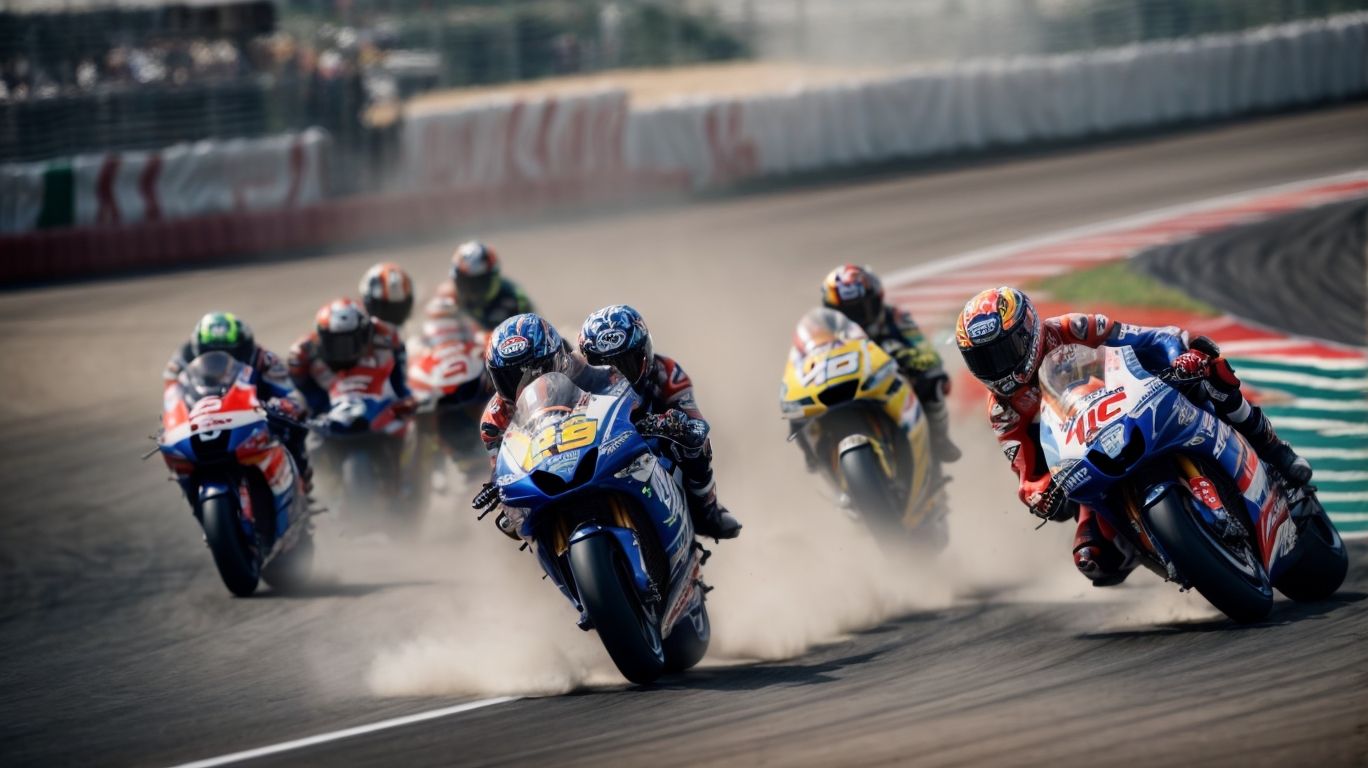
MotoGP, known as the pinnacle of motorcycle road racing, is a premier class championship that showcases the most skilled riders and advanced motorcycles in thrilling competitions.
Established in 1949, MotoGP has a rich history of over seven decades, evolving into one of the most prestigious racing events globally. This championship attracts top talents worldwide, testing their limits on iconic circuits like Mugello, Catalunya, and the sensational but challenging circuit of Phillip Island. Riders face immense physical and mental challenges, battling high speeds, intense cornering, and varying track conditions. The high-performance motorcycles employed in MotoGP are cutting-edge machines, pushing the boundaries of engineering and technology to achieve unmatched speed and agility on the racing track.
What are the Requirements to Become a MotoGP Racer?
Becoming a MotoGP racer requires a combination of factors including age and physical fitness, riding experience and honed skills, and crucial financial support to navigate through the competitive world of motorcycle racing.
Aspiring MotoGP riders often start their journey at a young age, with most professional racers beginning their careers in their early teens. The age restriction to enter the Moto3 category, considered the first step towards MotoGP, is usually around 16 years. This means that riders need to have significant experience and skill even before reaching this age. Physical fitness is equally important as the demands of MotoGP racing are intense, requiring stamina, strength, and agility to handle the powerful machines at high speeds.
Along with age and fitness, riding experience is a crucial aspect of becoming a successful MotoGP racer. Many riders participate in junior competitions and lower-tier racing series to hone their skills and gain exposure to competitive environments. This hands-on experience not only improves their riding abilities but also helps them understand the nuances of racecraft, bike setup, and track tactics.
Developing the necessary skills to excel in MotoGP involves continuous practice, training, and guidance from experienced coaches and mentors. Riders often spend countless hours perfecting their technique, studying race data, and analyzing their performance to identify areas for improvement. This relentless pursuit of excellence is what sets top riders apart from the competition and contributes to their success on the racetrack.
Alongside talent and dedication, financial considerations play a significant role in a rider’s journey to MotoGP. The costs associated with equipment, travel, entry fees, and team support can be substantial, making it challenging for aspiring racers without adequate financial backing. Securing sponsorships, endorsements, and partnerships becomes crucial for riders to fund their racing endeavors and access the resources needed to compete at the highest level.
Age and Physical Fitness
In MotoGP, age plays a crucial role as younger riders often start their careers early to hone their skills and physical fitness, which are essential for enduring the demanding challenges of motorcycle racing.
Starting young in MotoGP not only provides riders with ample time to develop their racing techniques but also allows them to build the stamina and endurance required to sustain the intense physical demands of the sport.
Physical fitness is a key component, as riders need to possess exceptional strength, agility, and reflexes to navigate the high-speed maneuvers and G-forces experienced during races. As riders age, maintaining peak physical condition becomes more challenging, impacting their performance on the track and potentially influencing their competitive edge against younger, fitter opponents.
Riding Experience and Skills
To excel in MotoGP, riders must accumulate significant riding experience through competitions and training while continuously refining their skills to meet the rigorous demands of high-speed motorcycle racing.
Riding experience plays a crucial role in the world of MotoGP as it not only hones a rider’s capabilities but also provides them with the necessary insights to navigate the complexities of the race track. Engaging in various competitions allows riders to test their skills in different settings, enhancing their adaptability and strategic thinking. Training programs tailored to MotoGP standards are essential for riders to develop the physical and mental toughness required to handle the intense pressures of competitive racing.
Financial Support
Financial support is paramount for aspiring MotoGP racers as securing sponsors, managing budgets, and being part of a competitive team can significantly impact the journey towards success in the world of motorcycle racing.
Securing sponsors is a vital aspect of a MotoGP racer’s career, as these partnerships provide the necessary financial backing to cover the high costs involved in racing. Building strong relationships with sponsors can not only fund the participation in races but also enhance visibility and credibility in the industry.
Effective budget management is another crucial skill for riders, ensuring that resources are utilized efficiently to maximize performance on the track. From travel expenses to equipment upgrades, every aspect of the budget plays a role in shaping the racer’s competitiveness.
Being part of a well-equipped and supportive racing team can offer numerous advantages, such as access to top-tier technology, experienced mechanics, and valuable guidance from seasoned professionals. The collaborative environment within a competitive team fosters growth, skill development, and a sense of unity, ultimately propelling the racer towards achieving their full potential.
How to Start Preparing for a MotoGP Career?
Initiating a path towards a MotoGP career involves obtaining a motorcycle license, starting young to develop skills early, and considering entry into lower classes like Moto3 to kickstart the journey towards professional racing.
One of the crucial initial steps for aspiring racers is to acquire a motorcycle license, as it is the basic requirement to legally ride and compete in motorcycle races.
Starting young offers a significant advantage in honing racing skills from an early age, allowing for greater experience and learning opportunities.
Venturing into categories like Moto3 is beneficial, as these lower classes serve as a training ground for young talents to showcase their potential before advancing to higher levels of competition.
Get a Motorcycle License
Obtaining a motorcycle license is the first step towards a MotoGP career, enabling young enthusiasts to legally ride and train, laying the foundation for their future endeavors in professional motorcycle racing.
Having a motorcycle license is not just a legal requirement but a crucial starting point for aspiring MotoGP racers. By obtaining their license at a young age, riders can enter the world of competitive racing with a solid foundation of skills and knowledge.
Having a license not only allows young riders to participate in official races but also unlocks a plethora of opportunities for specialized training, mentorship, and skill development. This early exposure and experience can significantly accelerate their growth and lead to a successful career in the high-speed world of professional motorcycle racing.
Join a Racing School or Club
Enrolling in a reputable racing school or club offers aspiring riders access to specialized training, mentorship, and resources to enhance their skills and knowledge, preparing them for the competitive world of MotoGP and intermediate classes like Moto2.
One of the main advantages of joining such academies is the structured curriculum designed by seasoned professionals with years of experience in MotoGP and Moto2 racing. These programs not only focus on honing riding techniques but also cover crucial aspects like race strategy, bike setup, and physical conditioning.
Students also benefit from personalized feedback and coaching from instructors who have competed at the highest levels, offering invaluable insights to help them improve their performance on the track.
Participate in Amateur Races
Engaging in amateur races at the national level serves as a stepping stone for young riders to showcase their talents, gain experience, and lay the groundwork for future success in MotoGP and international competitions.
Participating in these amateur races not only provides aspiring riders with the opportunity to test their skills in a competitive environment but also allows them to network with industry professionals and learn from seasoned veterans.
These races act as a platform for talent scouts and teams to spot potential stars, opening doors for invitations to higher-level competitions and ultimately paving the way towards a professional career in the world of MotoGP.
What are the Steps to Join MotoGP?
The journey to join MotoGP begins with starting in the lower classes like Moto3, gradually gaining experience, recognition, and ultimately securing a sponsorship to support the transition to the premier class of motorcycle racing.
Competing in Moto3 serves as the perfect breeding ground for burgeoning talents in the world of motorcycle racing. Riders in this class learn invaluable skills, hone their racing techniques, and build a foundation for their future careers. It is a competitive arena where young racers showcase their abilities, attracting attention from fans, teams, and sponsors alike.
Standing out in Moto3 elevates a rider’s profile and increases the likelihood of catching the eye of potential sponsors who can provide the necessary financial backing for advancing to MotoGP. The support of a sponsor isn’t just about funding; it signifies trust in the rider’s potential and a belief in their capabilities.
Start in the Lower Classes
Commencing in the lower classes like Moto3 allows young talents to gain exposure, refine their skills, and set the foundation for success in higher tiers of motorcycle racing, paving the way for a potential MotoGP career.
Competing in Moto3 offers riders the chance to learn crucial racing tactics, develop bike handling abilities, and understand the dynamics of competitive racing. The intense competition at this level pushes young racers to hone their craft, fine-tune their strategies, and master the art of overtaking on challenging tracks.
Participating in Moto3 gives aspiring riders a platform to showcase their talent, catch the eye of scouts, and secure potential sponsorships, essential for progressing through the ranks in the highly competitive world of motorcycle racing.
Gain Experience and Recognition
Accumulating experience through competitions and continuous training is essential for aspiring MotoGP racers to gain recognition, showcase their capabilities, and establish themselves as competitive riders in the world of motorcycle racing.
Competitions play a crucial role in providing riders with the platform to test their skills under pressure and gain exposure to different racing scenarios. By engaging in various competitions, riders can hone their racing techniques, learn from their mistakes, and adapt to different track conditions, ultimately improving their overall performance. The experience gained from competing against other talented riders helps aspirants develop a competitive edge and build their confidence on the track, enhancing their visibility within the MotoGP community.
Get a Sponsorship
Securing a sponsorship is a pivotal step for MotoGP hopefuls as it provides the necessary financial backing, resources, and support from a professional team to navigate the competitive landscape and elevate their racing careers.
Without the backing of a sponsor, competitors risk being held back due to budget constraints that can limit their access to top-notch equipment, training facilities, and essential travel expenses needed to compete at a high level in events around the world. By aligning with a sponsor, riders not only gain financial stability but also benefit from the technical guidance, mentorship, and network opportunities provided by an experienced racing team, setting them up for success in a sport where every detail counts.
What are the Challenges of Becoming a MotoGP Racer?
Embarking on the journey to become a MotoGP racer presents formidable challenges including intense competition on the track, demanding physical and mental requirements, and significant financial burdens that test the resilience and determination of riders.
-
The competitive landscape in MotoGP is intense, with riders constantly pushing their limits on high-powered machines, battling it out for that coveted spot on the podium. Competitions are fierce, demanding split-second decision-making, lightning-fast reflexes, and a deep understanding of the nuances of each circuit. Beyond the physical aspect, the mental fortitude required is immense, with riders needing to stay focused amidst the roaring engines and adrenaline-filled moments.
-
These challenges aren’t just limited to the track. Financial pressures loom large, with the costs of training, equipment, and travel adding up quickly. Sponsors play a crucial role, providing much-needed support to help riders pursue their dreams. Balancing these financial demands alongside the pursuit of excellence on the track is a delicate dance that only the most resilient and determined riders can navigate.
Intense Competition
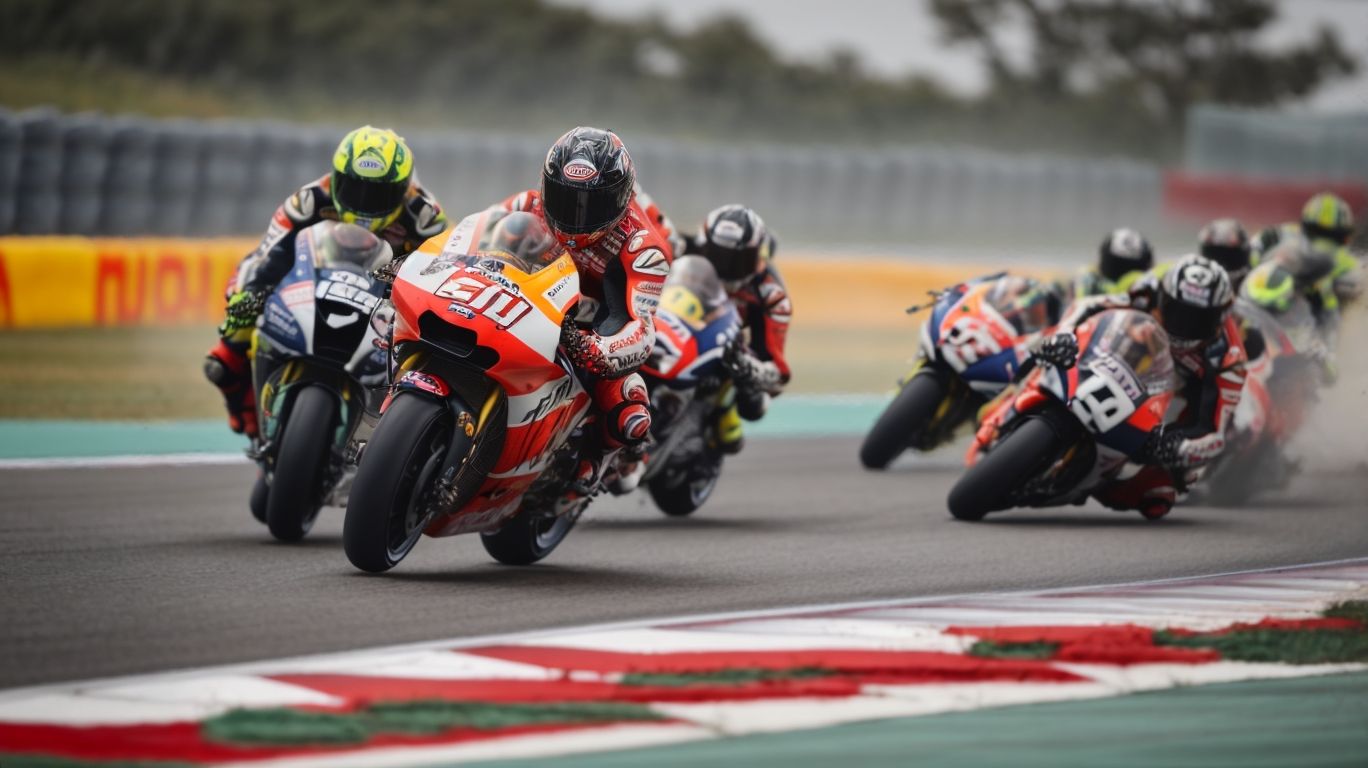
MotoGP is renowned for its intense competition where riders constantly push their limits to achieve success, navigating through rivalries, close battles, and strategic maneuvers on the track.
The competitive nature of MotoGP fosters an environment where every rider strives to outperform their opponents, leading to breathtaking showdowns that keep fans on the edge of their seats. The fierce battles on the circuit demand exceptional skill and precision, with riders executing daring overtakes and defending their positions with unwavering determination. In MotoGP, success is not just about speed; it’s about strategy, adaptability, and mental fortitude, making each race a test of both physical and mental capabilities.
Physical and Mental Demands
The physical and mental demands of MotoGP racing test the endurance, focus, and agility of riders, requiring exceptional skills to navigate high-speed corners, react swiftly, and maintain peak performance throughout demanding races.
Physically, riders experience intense G-forces, rapid acceleration, and prolonged periods of high concentration, which can lead to fatigue and muscle strain. Mentally, the constant need to make split-second decisions while pushing the limits of their abilities creates immense pressure and mental exhaustion. Adaptability is crucial as they have to quickly adjust to changing track conditions, weather, and competitors’ strategies. These challenges demand a combination of physical strength, mental resilience, and technical mastery to excel in the fast-paced world of MotoGP racing.
Financial Burden
The financial burden of MotoGP racing encompasses substantial costs for equipment, travel, team support, and operational expenses, underscoring the importance of effective budget management and securing sponsorships to sustain a competitive career.
High-performance motorcycles, specialized gear, travel to various global circuits, skilled mechanics and engineers, and day-to-day operational costs all contribute to the substantial financial investment required to compete in MotoGP.
Budget planning is crucial to handle these expenses efficiently and allocate resources effectively to ensure a racer can stay competitive throughout the season.
Without proper financial management, racers may face hurdles in affording top-notch equipment, funding their teams, or even traveling to events, jeopardizing their chances of success.
How Much Can a MotoGP Racer Earn?
The earnings of MotoGP racers can vary significantly based on factors such as performance bonuses, sponsorships, team contracts, and prize money from competitions, with successful riders often achieving substantial income and endorsements.
In MotoGP careers, these financial aspects play a pivotal role in shaping the overall income of riders. Bonuses can be a major source of revenue, especially for top-performing racers, where winning races or achieving podium finishes can lead to considerable financial rewards.
Sponsorships are another crucial component, with companies eager to invest in successful riders to gain exposure and brand visibility in the high-speed, adrenaline-fueled world of MotoGP.
Lucrative contracts with top teams can provide racers with stable income streams and access to top-notch equipment, enhancing their performance on the track.
What are the Safety Measures in MotoGP?
Safety is a top priority in MotoGP, with stringent measures in place including the use of protective gear, adherence to safety regulations, and access to specialized medical support and training to ensure the well-being of riders during high-speed races.
Protective gear plays a crucial role in safeguarding riders from the risks associated with high-speed racing. Helmets, suits, gloves, and boots are meticulously designed to provide maximum protection while allowing flexibility for performance.
Compliance with safety regulations is strictly enforced to maintain fair competition and reduce the chances of accidents. MotoGP’s governing body sets standards for track design, barriers, and emergency response measures to mitigate potential hazards.
Riders also receive specialized medical training and have access to on-site medical teams equipped to handle emergencies instantly. Regular health screenings and fitness programs ensure that riders are in optimal condition for demanding races.
Protective Gear
Protective gear in MotoGP is essential to safeguard riders from potential injuries, with specialized helmets, suits, gloves, and boots designed to provide maximum protection during high-speed collisions and race incidents.
The helmets worn by MotoGP riders are not your average headgear; they are constructed using advanced materials like carbon fiber and Kevlar to absorb impacts and protect against head trauma. These helmets also feature aerodynamic designs to reduce drag and improve performance on the track.
Racing suits are another crucial element of the safety gear, made from abrasion-resistant leather and equipped with armored padding on key impact zones to minimize injuries in the event of a crash. The suits are tailored to each rider’s body for a snug fit that allows for maximum flexibility and protection.
Regarding gloves, MotoGP riders rely on specialized models that offer a balance of durability, grip, and protection. Reinforced with carbon fiber knuckle guards and palm sliders, these gloves provide essential hand safety without compromising dexterity.
The boots worn by MotoGP riders are reinforced with ankle support, toe sliders, and anti-twist systems to protect the feet and lower legs from fractures and sprains during high-speed maneuvers and impacts on the track. Safety is paramount in MotoGP, and the innovative design of protective gear continues to evolve to enhance rider protection and performance.
Safety Regulations and Rules
MotoGP enforces strict safety regulations and rules overseen by race control officials to maintain fair competition, track integrity, and the well-being of riders, with penalties and measures in place to ensure compliance with safety standards.
Race control officials play a crucial role in ensuring the smooth operation of MotoGP events. They are responsible for monitoring and enforcing safety regulations, such as speed limits in pit lanes, proper helmet usage, and flag signaling protocols. These officials are trained to react swiftly to any safety concerns that may arise during a race, deciding on appropriate actions to maintain the integrity of the competition.
Race control officials work closely with track officials to assess track conditions, such as grip levels and potential hazards, to safeguard the riders’ well-being. This collaborative effort between race control and track personnel helps in creating a safe and competitive racing environment. In case of any violations or incidents, race control officials have the authority to impose penalties, ranging from time penalties to disqualifications, to uphold the regulations and ensure a level playing field for all participants.
Medical Support and Training
MotoGP provides comprehensive medical support and training for riders to address injuries, emergencies, and ensure quick response times for medical interventions, with medical teams and facilities strategically positioned across race circuits for immediate assistance.
Medical coordinators oversee a network of medical professionals during each MotoGP event, ensuring that the medical team is well-equipped and trained to handle a wide range of injuries. Highly skilled trauma specialists, paramedics, and medical staff are ready to respond rapidly to any incident that may occur on the track. There are designated medical evacuation procedures in place to swiftly transport injured riders to nearby hospitals if necessary for further treatment. The safety measures extend beyond the track, with medical staff available around the clock to provide support and care to riders throughout the duration of the event.
Frequently Asked Questions
How Can I Become a Motogp Racer?
Becoming a Motogp racer requires a lot of hard work, dedication, and skill. Here are six frequently asked questions about how to become a Motogp racer.
What is the minimum age requirement to become a Motogp racer?
The minimum age requirement to become a Motogp racer is 16 years old. However, most professional racers start training at a much younger age to develop their skills.
Do I need to have previous racing experience to become a Motogp racer?
While having previous racing experience can be beneficial, it is not a requirement to become a Motogp racer. Many successful racers come from various backgrounds and start training at a later age.
What are the physical requirements to become a Motogp racer?
Motogp racing requires a high level of physical fitness. Racers must have excellent hand-eye coordination, balance, and stamina to handle the high speeds and G-forces on the track.
What kind of training is necessary to become a Motogp racer?
Training to become a Motogp racer involves a combination of physical fitness training, motorcycle riding practice, and mental preparation. Racers must also have a thorough understanding of racing strategies, bike mechanics, and track conditions.
Do I need to have my own motorcycle to become a Motogp racer?
While having your own motorcycle can be helpful, it is not a requirement to become a Motogp racer. Many racing teams provide their racers with top-of-the-line bikes to compete in the Motogp championship.
Is it possible to become a Motogp racer without a professional team or sponsor?
It is very difficult to become a Motogp racer without the support of a professional team or sponsor. These teams provide the necessary resources and financial support to compete in the championship. However, there are some independent racers who have made it to the top, but it is rare.