Are Nascar Drivers Better Than F1?
Nascar and Formula 1 (F1) are two of the most popular motorsports in the world, each with its own unique characteristics and fan base. In this article, we will explore the key differences between Nascar and F1, including the type of racing, track types, car design, and race format. We will also discuss the similarities between the two sports, as well as the popularity and challenges of each. We will delve into the skills required to be a successful driver in each discipline, and the training regimes of Nascar and F1 drivers. We will compare the salaries of Nascar and F1 drivers, and ultimately, attempt to answer the age-old question: who is better – Nascar or F1 drivers? So, are Nascar drivers truly better than F1 drivers? Let’s find out.
Key Takeaways:
What Is Nascar?
NASCAR, the National Association for Stock Car Auto Racing, is a premier motorsport series known for its thrilling races, rich history, and iconic championship events founded by Bill France Sr.
Bill France Sr., widely regarded as the father of NASCAR, established the organization in 1948, setting up its headquarters in Daytona Beach, Florida. With a vision to bring together stock car racing enthusiasts, France envisioned a unified governing body that could organize and regulate the sport effectively. Drawing inspiration from the popularity of bootlegging and moonshine running in the Southern United States, NASCAR’s roots can be traced back to the Prohibition era when drivers modified their cars to outrun the law. France’s influence was pivotal in transforming this underground activity into a professional racing sport on a national scale.
As NASCAR gained traction throughout the 1950s and 1960s, it became synonymous with American automotive culture. The introduction of Daytona 500 in 1959, held at the newly built Daytona International Speedway, marked a significant milestone in NASCAR’s journey towards mainstream recognition. The growth of NASCAR was further propelled by the emergence of charismatic drivers such as Richard Petty, Dale Earnhardt, and Jeff Gordon, who transcended the sport and captured the imagination of fans across the country.
What Is F1?
F1, or Formula 1, represents the pinnacle of motorsport racing, featuring elite drivers, cutting-edge technology, and iconic race tracks that test the limits of speed and skill.
In the heart-pounding world of Formula 1, drivers don’t just compete; they push themselves to the edge of human capability, navigating challenging corners and reaching mind-boggling speeds on straights. The competition is fierce, with every driver vying for that split-second advantage that can make all the difference between victory and defeat. The adrenaline rush that comes with every race is matched only by the meticulous engineering that goes into crafting these high-performance machines.
What Are The Differences Between Nascar And F1?
NASCAR and F1 exhibit distinct differences in their cars, drivers, technology integration, race formats, and track characteristics, reflecting the unique ethos and challenges of each motorsport series.
One of the primary discrepancies lies in the car design, as NASCAR vehicles are known for their heavy, powerful machines built for oval tracks, emphasizing speed and close-contact racing, while F1 cars are sleek, lightweight, and meticulously engineered for road courses, demanding precision and aerodynamic efficiency.
The skills required from drivers vary significantly; NASCAR drivers focus on drafting, bump-drafting, and managing tire wear, whereas F1 pilots need to master high-speed cornering, intricate braking techniques, and tire management strategies.
In terms of technological advancements, F1 pushes the boundaries with hybrid power units, energy recovery systems, and advanced aerodynamics, setting an industry standard, whereas NASCAR maintains a more traditional approach with naturally aspirated engines and limited technological complexity.
Type Of Racing
The type of racing in NASCAR and F1 differs significantly, with NASCAR emphasizing close-contact, high-speed oval track battles, while F1 focuses on precision, aerodynamic efficiency, and intricate road course strategies.
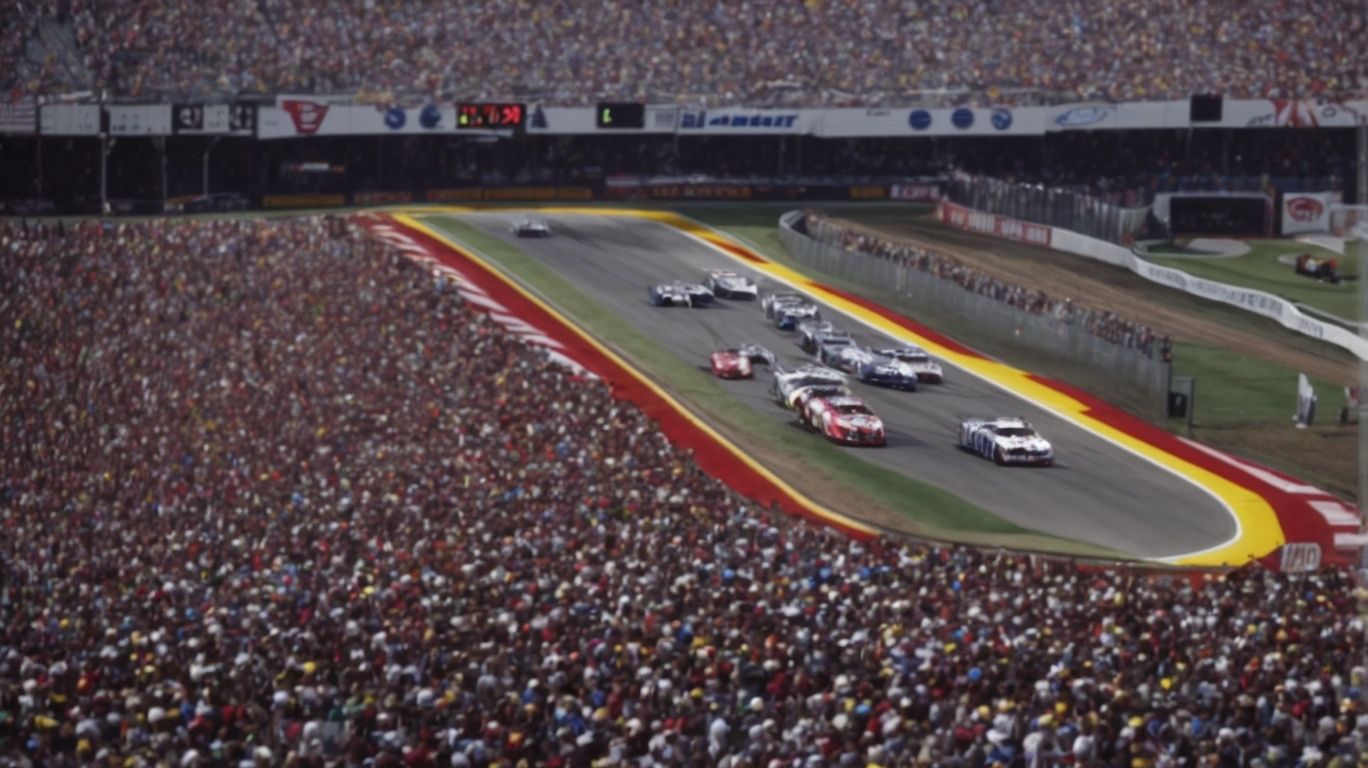
In NASCAR, the races are intense, with drivers often inches apart at speeds exceeding 200 mph, showcasing thrilling battles fought wheel-to-wheel for position. The oval tracks demand constant vigilance and teamwork, as drivers navigate tight packs of cars while drafting to gain speed advantages.
On the other hand, F1 circuits present a different challenge, requiring drivers to master complex corners, undulations, and varying track surfaces. Precision is paramount in F1, as the margin for error is minimal, and a single mistake can cost valuable time. The aerodynamic design of F1 cars also plays a crucial role, with engineers constantly seeking ways to maximize downforce and reduce drag for optimal performance.
Track Types
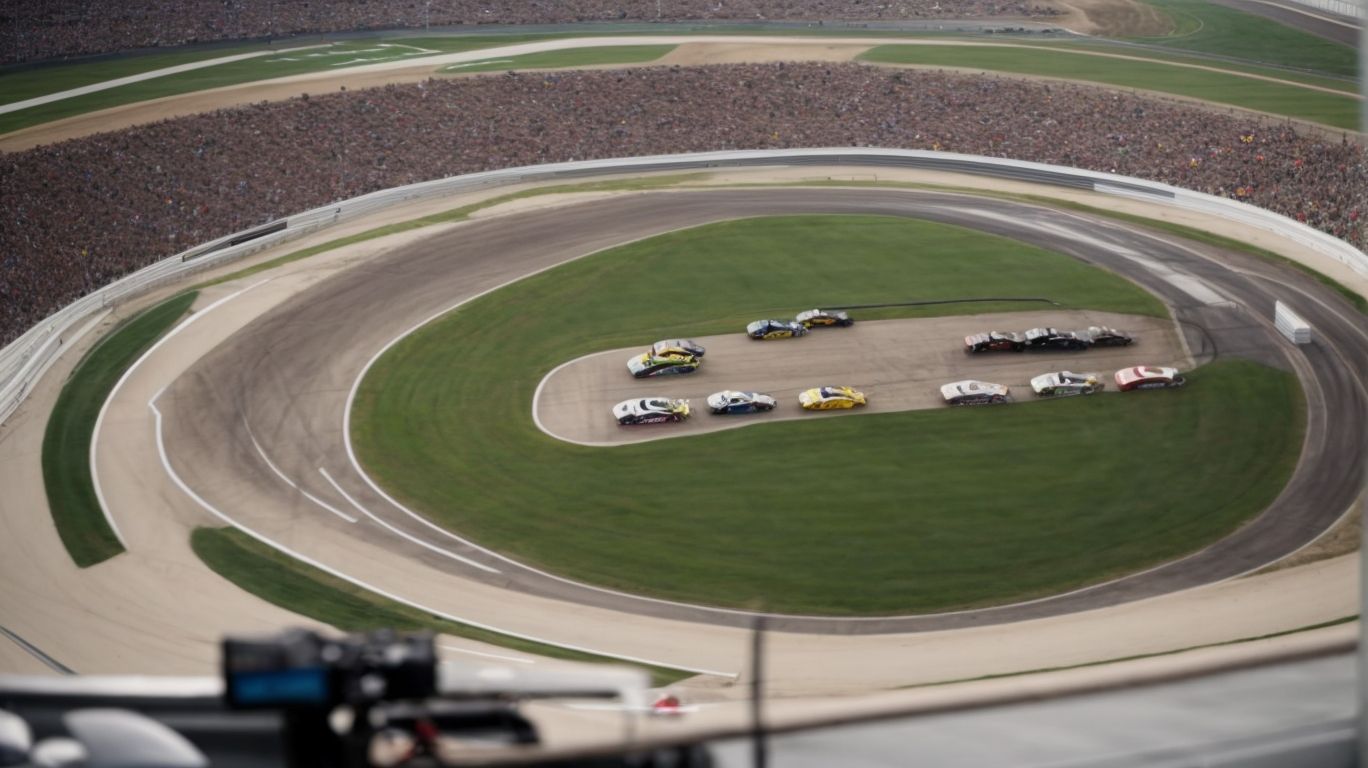
NASCAR predominantly races on oval tracks, known for their high-speed banked turns and short track challenges, while F1 circuits feature diverse layouts, including street circuits, permanent tracks, and historic venues that demand technical precision and adaptability.
In NASCAR, oval tracks play a pivotal role in shaping the racing dynamics. These tracks, with their fast banked curves, put a premium on driver skill and car handling, as vehicles need to navigate the course at high speeds and maintain control through the tight corners.
On the other hand, F1 tracks present a varied landscape of circuits, from tight street layouts that require agility and precision to spacious permanent tracks where straight-line speed and aerodynamic efficiency are crucial.
Car Design And Technology
Car design and technology in NASCAR and F1 showcase contrasting approaches, with NASCAR cars focusing on robust, stock car builds suitable for close racing, while F1 cars prioritize aerodynamic efficiency, lightweight materials, and advanced engineering to enhance speed and agility for top-tier drivers.
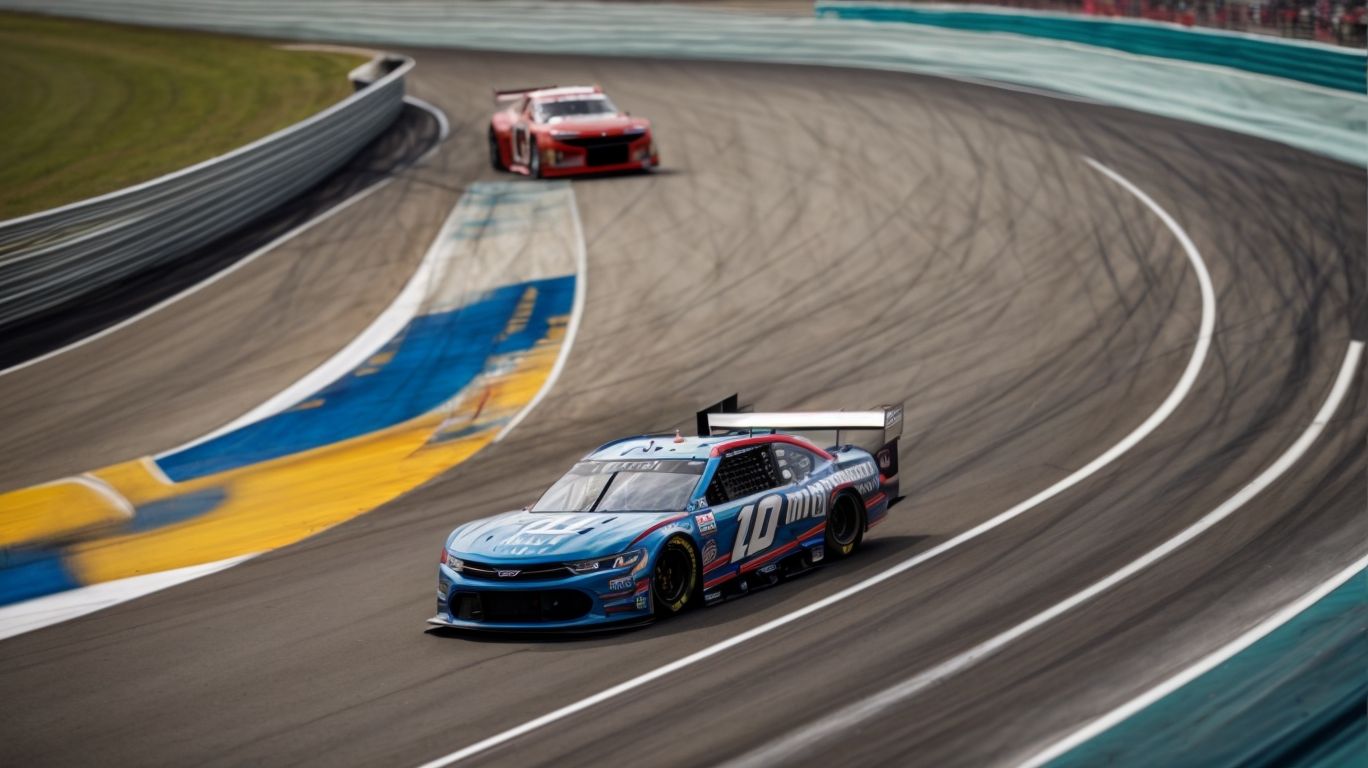
Stock cars in NASCAR are characterized by their heavy build and powerful engines, which are essential for oval track competition, emphasizing side-by-side racing.
On the other hand, F1 vehicles are meticulously crafted to slice through the air with minimal resistance, featuring intricate aerodynamic elements like front and rear wings to generate downforce for improved cornering speeds.
This divergence in design influences how drivers interact with their respective vehicles. NASCAR drivers rely on drafting and strategic positioning due to the close racing facilitated by the sturdy nature of their cars. Meanwhile, F1 drivers harness the advanced technology and lightweight construction of their vehicles to navigate intricate circuits with precision and speed.
Race Format And Rules
The race format and rules in NASCAR and F1 vary significantly, with NASCAR featuring multi-stage races, playoff systems, and complex points structures, while F1 follows a more traditional single-race format at prestigious events like Grand Prix, adhering to stringent regulations and technical specifications.
One of the primary distinctions between NASCAR and F1 lies in the structure of their race series. In NASCAR, races are conducted as part of series such as the Cup Series, Xfinity Series, and Truck Series, each with its own set of races and a champion title at stake. On the other hand, F1 Grand Prix events stand on their own as highly anticipated global showcases, with races held in various countries around the world.
The points system varies between NASCAR and F1. NASCAR awards points throughout the race, with bonus points available for leading laps and stage wins, contributing to the playoff standings. In contrast, F1 awards points to the top ten finishers, with additional points for the fastest lap, all accumulating towards determining the season’s champion.
While both NASCAR and F1 have strict regulations governing their respective competitions, F1 tends to place more emphasis on technological innovation and aerodynamic designs, leading to continuous developments in car performance. On the other hand, NASCAR focuses on close competition and entertainment value, with an emphasis on drafting, teamwork, and strategy on the track.
What Are The Similarities Between Nascar And F1?
While NASCAR and F1 showcase distinct differences, they share commonalities in their emphasis on driver skill, technological advancements in racing vehicles, the intensity of high-speed races, and the passion of fans for both series.
Both NASCAR and F1 require drivers with exceptional talents, reflexes, and strategic thinking to navigate complex tracks amidst fierce competition. Driver capabilities play a pivotal role in determining race outcomes in both leagues, showcasing the importance of honing skills and experience.
- The integration of cutting-edge technology in race cars is a fundamental aspect of both NASCAR and F1, with teams constantly innovating to gain a competitive edge. From aerodynamics to engine performance, technological advancements significantly impact race results in both series.
- The adrenaline-fueled nature of NASCAR and F1 races draws millions of viewers worldwide, captivating audiences with high-speed duels, daring overtakes, and nail-biting finishes. The thrill of witnessing drivers pushing the limits of speed and skill adds to the allure of both motorsport disciplines.
- The dedicated fan base supporting NASCAR and F1 creates a vibrant community that transcends borders and cultures. Whether at the track or following races from afar, fans play an integral role in the success and popularity of both racing series.
Which One Is More Popular: Nascar Or F1?
The popularity contest between NASCAR and F1 continues to captivate motorsport enthusiasts worldwide, with both series boasting dedicated fan bases, passionate followers, and unique charms that resonate within the broader motorsport community.
When comparing the fan demographics, NASCAR traditionally attracts a large American audience, particularly from the southern states, with a strong emphasis on oval track racing and close wheel-to-wheel competition. On the other hand, F1 enjoys a more global following, with a strong foothold in Europe, Asia, and the Middle East, drawing fans who appreciate the technological advancements, intricate road circuits, and the international allure of the sport.
Viewership statistics reveal that while NASCAR commands a significant television audience in the United States, F1’s global reach extends to millions of viewers across various continents, especially during iconic races like the Monaco Grand Prix or the Italian Grand Prix at Monza. The social media engagement of both series reflects their distinct identities, with NASCAR excelling in connecting with fans through driver-centric narratives, behind-the-scenes content, and interactive fan experiences, while F1 leverages its glamour, innovation, and historic legacy to engage a more diverse, tech-savvy digital audience.
In terms of overall impact on the global motorsport landscape, NASCAR’s grassroots origins and blue-collar appeal have shaped stock car racing into a quintessentially American phenomenon, influencing not just motorsport but also popular culture, entertainment, and marketing strategies. Conversely, F1’s reputation as the pinnacle of motorsport, with its high-profile teams, elite drivers, and cutting-edge technology, has elevated the sport to a prestigious status that transcends boundaries, attracting sponsors, investors, and stakeholders from around the world.
Which One Is More Challenging: Nascar Or F1?
The debate over the greater challenge between NASCAR and F1 revolves around the unique demands placed on drivers, the complexity of race strategies, the technological innovations in vehicle design, and the diverse driving techniques required to excel in each competitive arena.
Both NASCAR and F1 demand an intricate blend of skills from drivers, albeit in different ways. In NASCAR, drivers require exceptional control and precision to navigate ovals at high speeds, often in close proximity to other cars, while F1 drivers must master the art of quick decision-making on complex road courses that demand utmost concentration. Adaptability becomes crucial as NASCAR drivers need to adapt to changing track conditions, whereas F1 drivers must adjust to various aerodynamic setups and tire strategies.
What Are The Skills Required To Be A Nascar Driver?
Becoming a successful NASCAR driver demands a unique blend of skills encompassing precision driving, adaptability to varied track conditions, technical understanding of car setups, strategic racecraft, and the resilience to thrive in the high-pressure environment of competitive racing.
One of the fundamental skills crucial for aspiring NASCAR drivers is precision driving, where split-second decisions can be the difference between victory and defeat. Mastering the art of hitting the perfect racing line, braking at the right moments, and maximizing speed through corners is a continuous process that requires dedication and practice.
Additionally, adaptability plays a significant role as drivers must swiftly adjust to changing track conditions, weather patterns, and competitor strategies.
What Are The Skills Required To Be An F1 Driver?
To excel as an F1 driver, one must possess a comprehensive skill set encompassing exceptional speed, precise control of high-performance cars, adept knowledge of aerodynamics and vehicle dynamics, strategic race planning, and the mental resilience to withstand the physical and mental demands of top-tier Formula 1 competition.
Driving an F1 car at its limits demands split-second decision-making, lightning-fast reflexes, and the ability to adapt swiftly to ever-changing race conditions. Understanding the complexities of modern racing technologies, such as hybrid power units and cutting-edge aerodynamic designs, is crucial for optimizing performance on the track.
F1 drivers need to have a deep understanding of tire management strategies, fuel consumption optimization, and effective pit-stop planning to gain a competitive edge over their opponents.
The mental fortitude required to handle intense pressure, constant media scrutiny, and the risks involved in pushing the boundaries of speed and performance is paramount for success in the highly competitive world of Formula 1.
How Do Nascar Drivers Train?
NASCAR drivers undertake rigorous training regimes encompassing physical conditioning, mental preparation, simulator sessions for honing driving skills, track familiarization, team collaboration, and technological immersion to stay competitive and enhance their performance on race days.
Physical fitness is a crucial aspect of a NASCAR driver’s training routine, involving intense workouts to enhance strength, endurance, and flexibility.
Mental preparation techniques often include mindfulness exercises, visualization, and focus drills to maintain peak performance under high-pressure race conditions.
Utilizing simulators allows drivers to simulate race scenarios, practice technical skills, and familiarize themselves with different track layouts without physically being on the circuit.
Track-specific preparations involve studying turn angles, elevation changes, and surface characteristics to optimize driving strategies for each race venue.
How Do F1 Drivers Train?
Training regimens for F1 drivers encompass a blend of physical endurance conditioning, high-tech simulator sessions for refining driving techniques, strategic race simulations, psychological resilience training, continuous data analysis, and collaborative efforts with engineering teams to push the boundaries of performance excellence in Formula 1 competition.
Physical fitness is a cornerstone of an F1 driver’s training routine, incorporating rigorous cardio, strength, and flexibility exercises to withstand the demanding conditions of the race track. In the realm of simulator-based skill development, drivers spend hours honing their craft in virtual environments that mimic real-world racing scenarios, allowing them to fine-tune their reactions and decision-making abilities.
Race strategy simulations play a crucial role in preparing drivers to adapt swiftly to dynamic on-track situations, strategizing overtakes, pit stops, and tire management for optimal performance during races. Building mental resilience is another key aspect, involving techniques such as mindfulness practice, visualization, and handling pressure to enhance focus and consistency on race day.
What Are The Salary Differences Between Nascar And F1 Drivers?
The salary gaps between NASCAR and F1 drivers reflect the contrasting financial structures of each series, with NASCAR drivers earning substantial incomes primarily from sponsorships, while F1 drivers command higher salaries often supplemented by significant endorsements, bonuses, and team contracts due to the global reach and prestige of Formula 1.
Formula 1 (F1) drivers are not only compensated through their base salaries but also through various other revenue streams that broaden their financial portfolio. Endorsements play a pivotal role in boosting their income, as popular F1 drivers often secure lucrative deals with renowned brands looking to capitalize on their fame and global fan base. Bonuses tied to performance milestones and championship victories further incentivize F1 drivers to excel on the track, amplifying their earnings potential in this competitive motorsport arena. The complex contractual agreements between F1 drivers and their respective teams encompass a spectrum of clauses ranging from performance incentives to image rights, ensuring a comprehensive and diversified compensation package that mirrors the high-stakes nature of Formula 1.
Conclusion: Who Is Better – Nascar Or F1 Drivers?
The debate over who reigns supreme between NASCAR and F1 drivers remains subjective, as both series showcase exceptional talent, technological innovation, thrilling races, and unique challenges that define the diverse allure of motorsport, leaving fans to appreciate the distinct merits of each racing discipline.
Regarding NASCAR, drivers are known for their remarkable car control and strategic prowess on oval tracks, where inches matter and split-second decisions can make or break a race. In contrast, F1 drivers exhibit a finesse in handling complex aerodynamics and advanced hybrid power units on intricate road courses, demonstrating a blend of precision and speed that sets them apart.
On the technological front, NASCAR relies more on mechanical grip and drafting techniques, while F1 pushes the boundaries of engineering with extensive aerodynamic features and hybrid powertrains, showcasing cutting-edge advancements in motorsport technology.
While NASCAR races offer high-speed pack racing with frequent lead changes and intense battles throughout the field, F1 delivers a mix of sprint-like qualifying sessions and endurance on demanding circuits worldwide, creating a dynamic spectacle that captivates audiences with its global appeal.
In essence, NASCAR celebrates the American spirit of grit and close competition, while Formula 1 embodies the pinnacle of international motorsport with a blend of glamour, prestige, and technical excellence that attracts a global fanbase, ultimately cementing each series’ unique place in the pantheon of motorsport.
Frequently Asked Questions
Are Nascar Drivers Better Than F1?
The debate between Nascar and F1 drivers has been ongoing for years. Here are some common questions and answers to help you understand the differences between the two racing styles.
1. What is the main difference between Nascar and F1 drivers?
The main difference between Nascar and F1 drivers is the type of racing they participate in. Nascar is primarily an oval track racing series, while F1 races on a variety of different track types including road courses, street circuits, and permanent circuits.
2. Do Nascar drivers have more experience than F1 drivers?
It’s difficult to compare the experience of Nascar and F1 drivers as they both require different skill sets. Nascar drivers have more experience with oval track racing, while F1 drivers have more experience with a variety of different track styles.
3. Which drivers have higher average speeds?
On average, F1 drivers have higher speeds due to the nature of their races. F1 cars are lighter and more aerodynamic, allowing them to reach higher speeds, whereas Nascar cars are heavier and designed for tighter racing on oval tracks.
4. Are Nascar drivers more skilled than F1 drivers?
Both Nascar and F1 drivers possess different skill sets that are required for their respective racing styles. Nascar drivers must have excellent car control and be skilled in close, bumper-to-bumper racing, while F1 drivers need to be precise and strategic on a variety of tracks.
5. Do Nascar drivers have more physical demands?
Nascar races are typically longer in distance and duration compared to F1 races, so Nascar drivers may experience more physical demands. However, F1 races require more intense focus and concentration due to the higher speeds and technical courses.
6. Can Nascar drivers transition to F1 and vice versa?
It is rare for drivers to transition between Nascar and F1 due to the major differences in racing style and car design. However, some drivers have successfully made the switch, such as Juan Pablo Montoya who competed in both Nascar and F1 during his career.