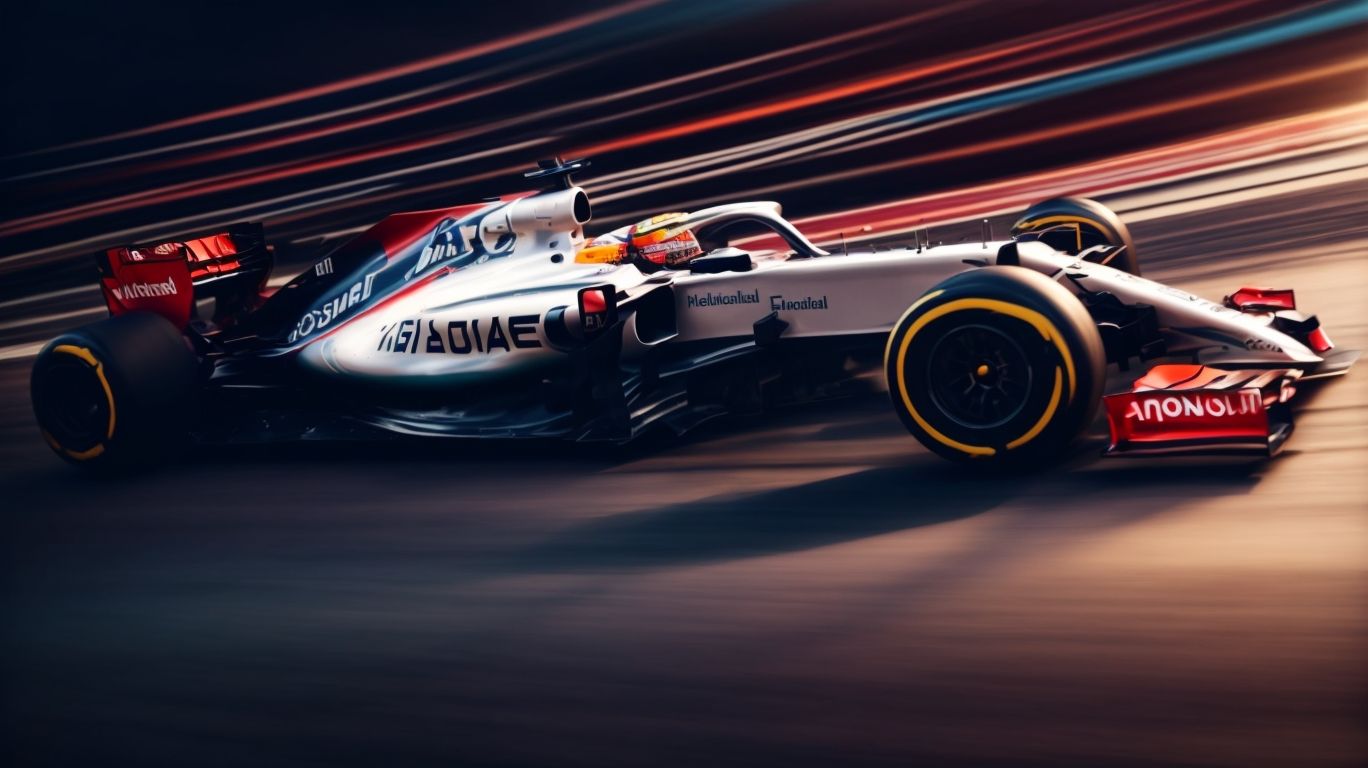
How Much Downforce Does an F1 Car Produce?
Ever wondered how Formula 1 cars stick to the track at high speeds? The answer lies in downforce.
We will explore what downforce is, how it affects an F1 car, and how it is generated. We will also discuss the various factors that influence the amount of downforce produced, how it is measured, and the benefits and limitations of downforce in F1 racing.
Buckle up and get ready to dive into the world of aerodynamics in Formula 1.
Key Takeaways:
What Is Downforce?
Downforce in the context of Formula 1 racing refers to the aerodynamic force that pushes the car towards the track, enhancing grip and stability at high speeds.
This critical aspect of aerodynamic design plays a crucial role in influencing a car’s performance on the track. By generating downward pressure, downforce helps reduce the air pressure underneath the car, effectively creating a suction effect that keeps the vehicle grounded. This increased grip allows the car to navigate corners with higher speed, improving overall handling and control. Different track layouts and varying speeds necessitate adjustments in downforce levels to optimize performance, achieving an ideal balance between stability and speed.
How Does Downforce Affect an F1 Car?
Downforce plays a crucial role in influencing the performance of an F1 car by increasing grip levels, allowing drivers to maintain control and stability at high speeds on the track.
When an F1 car travels at high speeds, it creates a significant amount of airflow over and under the car. This airflow interacts with various aerodynamic components, such as wings and diffusers, to generate downforce. The downward force pushes the car onto the track, enhancing tire grip and traction. This increased grip level translates to better cornering capabilities, as the tires can maintain contact with the road surface, enabling the driver to take corners at higher speeds while still being in control.
How Is Downforce Generated on an F1 Car?
Downforce on an F1 car is primarily generated through the intricate aerodynamic design of the vehicle, focusing on optimizing airflow over the body, wings, and floor.
This process involves the careful manipulation of airflow to create regions of high and low pressure, ultimately pressing the car down onto the track surface to improve grip.
The front and rear wings play a vital role by managing the airflow around the car, creating a balance that enhances stability and cornering speed.
The bodywork is sculpted to minimize drag and turbulence, maximizing the overall aerodynamic efficiency of the vehicle. By coordinating these elements, F1 teams can fine-tune their cars to extract every ounce of performance on the circuit.
Aerodynamic Design
Aerodynamic design is a critical aspect of downforce generation in F1 cars, with the bodywork and airflow management playing key roles in enhancing performance on varying track conditions.
In Formula 1 racing, aerodynamic design is meticulously crafted to maximize downforce, which is crucial for achieving high speeds and maintaining control through corners. By manipulating airflow around the vehicle and shaping the bodywork with precision, engineers strive to reduce drag and increase the downward force acting on the car.
One example of how design changes impact downforce levels is the addition of front and rear wings. These components are carefully designed to create high-pressure zones above the car and low-pressure zones below, effectively pushing the car down onto the track for improved grip and stability.
Wing Elements
Wing elements, including the front and rear wings, are crucial components for generating downforce on an F1 car, contributing significantly to grip and stability during high-speed maneuvers.
Front wings are located at the front of the car and are responsible for directing air over and around the car efficiently to enhance grip by creating high-pressure zones. At the rear, rear wings play a crucial role in managing airflow to generate additional downforce, aiding in stability and traction.
The adjustability of wing elements allows teams to fine-tune the car’s aerodynamic balance based on driving styles and circuit requirements. By altering elements such as angle of attack or wing height, drivers can optimize handling characteristics to suit different track conditions and race strategies.
Underbody Design
The underbody design of an F1 car plays a crucial role in generating downforce by managing airflow over the floor, utilizing diffusers and intricate shapes to enhance aerodynamic performance.
One critical component that aids in this process is the diffuser, which is located at the rear of the car’s underbody. The diffuser accelerates the airflow underneath the car, creating a low-pressure zone that helps ‘suck’ the car onto the track. This phenomenon effectively increases downforce, providing better grip and stability through corners.
Along with diffusers, the intricate shaping of the floor also contributes significantly to optimizing downforce levels. The floor is carefully contoured and shaped to control the airflow passing under the car, ensuring a smooth and efficient flow that minimizes drag and maximizes downforce.
These combined elements work together harmoniously to enhance the overall aerodynamic performance of the F1 car.
Active Systems
Active systems in F1 cars are utilized to dynamically adjust downforce levels, enhancing traction and stability based on driving conditions and cornering speeds.
These technological marvels play a crucial role in the intricate dance of aerodynamics and physics that governs the performance of a Formula 1 car on the track. By actively modifying the amount of downward force exerted on the car, these systems allow drivers to fine-tune their handling characteristics to suit specific corners and conditions.
Through swift adjustments in response to real-time data and driver inputs, the downforce generated by these systems not only improves grip and stability but also aids in optimizing the car’s overall performance, making it more predictable and responsive during high-speed maneuvers.
What Factors Affect the Amount of Downforce Produced?
Several factors influence the amount of downforce produced by an F1 car, including speed, angle of attack, track surface conditions, and air density.
Regarding speed, the faster an F1 car travels, the more important downforce becomes. At higher speeds, the aerodynamic forces acting on the car increase significantly, requiring greater downforce to maintain stability and control. Aerodynamic angles play a crucial role as well – adjusting the wings and other aerodynamic elements can fine-tune the level of downforce produced. Track characteristics, such as the number and types of corners, also influence downforce needs, with some tracks favoring higher downforce setups to maximize grip. Environmental conditions like temperature and humidity affect air density, directly impacting downforce levels on the car.
Speed
Speed plays a significant role in determining the amount of downforce experienced by an F1 car, with higher speeds leading to increased aerodynamic forces for enhanced grip.
At higher velocities, the flow of air over the car’s body intensifies, resulting in higher pressures that push the car down towards the track surface, increasing downforce. This phenomenon is crucial in F1 racing as it enhances stability, cornering ability, and overall performance.
Generating downforce at high speeds poses challenges as well. The intricate aerodynamic designs required to produce optimal downforce can also lead to increased drag, which can slow the car down on long straights, affecting straight-line speed.
Angle of Attack
The angle of attack of aerodynamic elements on an F1 car directly impacts the generation of downforce by influencing the airflow over the vehicle’s body.
When the angle of attack is increased, the airflow’s direction changes, leading to an increase in downforce. There is a critical point where further increases in the angle can cause airflow separation, resulting in decreased efficiency. Engineers meticulously analyze and adjust these angles to strike a balance between maximizing downforce and minimizing drag. Optimal angles vary depending on the design of the car and the track conditions, with sharper angles favored on high-speed circuits for greater grip and cornering stability.
Air Density
Air density variations can affect the downforce levels experienced by F1 cars, particularly at high speeds where aerodynamic forces are crucial for maintaining grip and stability.
When the air density changes, it alters the amount of air molecules present in the given volume. This variation directly impacts the aerodynamic efficiency of the F1 cars, as downforce is influenced by the air molecules interacting with the car’s surfaces.
- Denser air provides more molecules for the car to interact with, increasing downforce.
- Conversely, lower air density results in reduced downforce levels.
This shift in downforce affects the car’s handling, braking, and overall performance on the track.
Track Surface
The characteristics of the track surface play a vital role in determining the effectiveness of downforce for F1 cars, affecting handling and grip levels during racing.
Track surfaces in Formula 1 racing range from smooth asphalt to gritty tarmac, each with distinct properties that directly influence how aerodynamic forces interact with the car. Downforce relies on the track’s grip levels to generate maximum performance, which means that a bumpy or low-grip surface can significantly reduce its effectiveness.
Teams constantly analyze data to optimize their aerodynamic setups based on the specific demands of each circuit. High-speed tracks with smooth surfaces necessitate higher levels of downforce for cornering stability, while tracks with rough or low-grip surfaces may require adjustments to minimize drag and maintain speed.
How Is Downforce Measured?
Downforce in F1 cars is measured through a combination of wind tunnel testing, computational fluid dynamics simulations, and on-track evaluations to assess the aerodynamic performance of the vehicle.
Wind tunnel testing involves placing a scale model of the car in a controlled air flow environment to study the effects of aerodynamics. CFD simulations use computer algorithms to predict airflow around the vehicle, providing detailed information on the aerodynamic forces acting on it. On-track evaluations further validate the data gathered from wind tunnel and CFD studies, allowing engineers to fine-tune the car’s design for optimal performance on race day.
Wind Tunnel Testing
Wind tunnel testing is a crucial practice in assessing the downforce characteristics of F1 cars, allowing teams to analyze the aerodynamic features and optimize performance.
By subjecting scale models or full-size car replicas to controlled airflow conditions, engineers can simulate real-world racing scenarios and gather data on lift, drag, and overall vehicle stability. This method enables them to identify areas of improvement in the car’s design, such as reducing drag to increase speed or enhancing cornering capabilities through optimized downforce distribution.
Wind tunnel testing provides teams with valuable insights into the complex interactions between air and car surfaces, helping them fine-tune every aspect of the vehicle for maximum performance on the track.
Computational Fluid Dynamics (CFD)
Computational Fluid Dynamics (CFD) simulations are employed to analyze the airflow characteristics over F1 cars and assess the downforce mechanisms for enhanced performance.
By utilizing complex mathematical models and algorithms, CFD simulations provide a detailed analysis of how the air flows around the intricate aerodynamic surfaces of an F1 car. Engineers can visualize the airflow patterns, pressure distribution, and turbulence effects, allowing them to make informed design decisions to maximize aerodynamic efficiency. These simulations enable the evaluation of different design configurations quickly and cost-effectively, saving time compared to traditional wind tunnel testing.
On-track Testing
On-track testing serves as a practical method for validating the downforce capabilities of F1 cars, providing insights into real-world handling, balance, and performance metrics.
This validation process is vital for teams to ensure that the aerodynamic theory, meticulously crafted in the wind tunnels and simulations, translates effectively to the dynamic racing environment. By correlating data from wind tunnel tests with on-track performance, teams can fine-tune their designs and optimize the intricate balance between aerodynamic efficiency and mechanical grip.
The feedback gathered from on-track evaluations directly influences the setup adjustments made by engineers, enabling them to tailor the car’s characteristics in response to varying track conditions, driver preferences, and competitive strategies. This iterative approach is essential for extracting every ounce of performance potential from the car.
What Are the Benefits of Downforce in F1 Racing?
The benefits of downforce in F1 racing include improved traction, stability, and cornering speeds, allowing drivers to navigate high-speed corners with enhanced control and confidence.
Increased downforce generated by the aerodynamics of the car presses it firmly onto the track, creating a suction effect that improves tire grip and prevents sliding during acceleration and braking, enabling drivers to push their cars to the limits. This extra grip enhances the overall handling of the car, making it more responsive to steering inputs and providing better feedback to the driver during challenging maneuvers. The aerodynamic balance achieved through downforce aids in reducing understeer and oversteer tendencies, leading to smoother and faster cornering capabilities.
What Are the Limitations of Downforce in F1 Racing?
Despite its benefits, downforce in F1 racing also poses limitations such as the need to adjust setups for different track conditions, the impact of added weight, and challenges in managing changing aerodynamic forces.
In the high-tech world of Formula 1, the application of downforce plays a crucial role in enhancing performance by increasing cornering speeds and overall stability of the car. The complexities arise when teams try to balance the trade-off between generating optimal downforce levels and minimizing drag. This delicate equilibrium requires meticulous setup adjustments to cater to varying circuit layouts, weather conditions, and even tire choices.
The additional weight that comes with downforce-producing components can affect the overall handling and agility of the car. The engineering marvel of F1 cars demands a strategic approach to redistribute weight effectively, ensuring optimal balance and responsiveness on the track.
How Much Downforce Does an F1 Car Produce?
An F1 car generates varying levels of downforce across different scenarios, with qualifying setups prioritizing maximum aerodynamic performance while race configurations balance downforce for speed and control.
In qualifying sessions, teams typically opt for aggressive aerodynamic configurations that enhance downforce levels on the car. This increased downforce allows the cars to generate higher levels of grip, enabling them to tackle corners at much higher speeds. The emphasis in qualifying is on extracting the maximum performance from the car for a single quick lap.
During races, the focus shifts to striking a delicate balance between downforce and drag. Too much downforce can result in increased drag, reducing straight-line speed. Therefore, teams must optimize the car’s setup to maintain high speeds on straights while still ensuring sufficient grip through corners.
Qualifying Downforce
Qualifying downforce configurations are tailored to maximize aerodynamic performance for short bursts of speed, emphasizing grip and stability to achieve optimal lap times.
Teams strategically adjust various elements of the car’s aerodynamics during qualifying sessions to balance the need for maximum downforce with minimizing drag. This involves tweaking the angle of the front and rear wings, setting the ride height, and optimizing the suspension stiffness to enhance cornering speeds. Engineers utilize wind tunnel data and computational fluid dynamics simulations to fine-tune the aerodynamic package for each track’s unique characteristics.
Race Downforce
Race downforce configurations strike a balance between grip and speed to ensure stable handling and control over longer distances, enhancing driver confidence and performance during competitive racing.
Regarding setting up an F1 car for race downforce, teams meticulously adjust various elements such as the front and rear wings, diffuser, and suspension settings to create an optimal aerodynamic package. The primary objective is to generate enough downforce to improve cornering grip and stability without compromising straight-line speed. This delicate equilibrium not only enhances the car’s performance but also plays a vital role in ensuring driver comfort and reducing fatigue over the course of a demanding race.
Maximum Downforce
Maximum downforce configurations aim to optimize aerodynamic efficiency for enhanced handling and stability, providing superior grip levels to drivers in demanding track conditions.
In Formula 1 racing, teams meticulously design their cars to generate maximum downforce to increase traction levels, ensuring faster cornering speeds and improved braking capabilities. This is achieved through intricate aerodynamic components such as front and rear wings, diffusers, and bargeboards. These elements work together harmoniously to manipulate airflow around the car, creating high-pressure areas that press the vehicle onto the track.
Enhanced downforce not only aids in cornering performance but also helps stabilize the car at high speeds, allowing drivers to push the limits of their machines with confidence. Teams spend countless hours researching, testing, and refining their setups to find the ideal balance between downforce and drag, seeking the perfect compromise for optimal performance.
Frequently Asked Questions
How Much Downforce Does an F1 Car Produce?
An F1 car can produce up to 3,000 pounds of downforce, depending on the track and conditions.
What is downforce and how does it affect an F1 car?
Downforce is the downward force created by the aerodynamic components of an F1 car. It helps keep the car glued to the road, providing better traction and stability at high speeds.
How is downforce measured on an F1 car?
Downforce is measured in units of force, typically pounds or kilograms, using strain gauges and load cells on the suspension components of the car.
Does the amount of downforce vary between different F1 teams?
Yes, the amount of downforce produced by an F1 car can vary between teams depending on their design philosophy and aerodynamic package.
What factors contribute to the amount of downforce an F1 car can produce?
The shape and design of the car’s body and wings, as well as the speed and angle at which air flows over these components, all affect the amount of downforce an F1 car can produce.
Is there a limit to how much downforce an F1 car can produce?
Yes, there are regulations in place to limit the amount of downforce an F1 car can produce. These regulations are in place to maintain safety and prevent teams from gaining an unfair advantage.