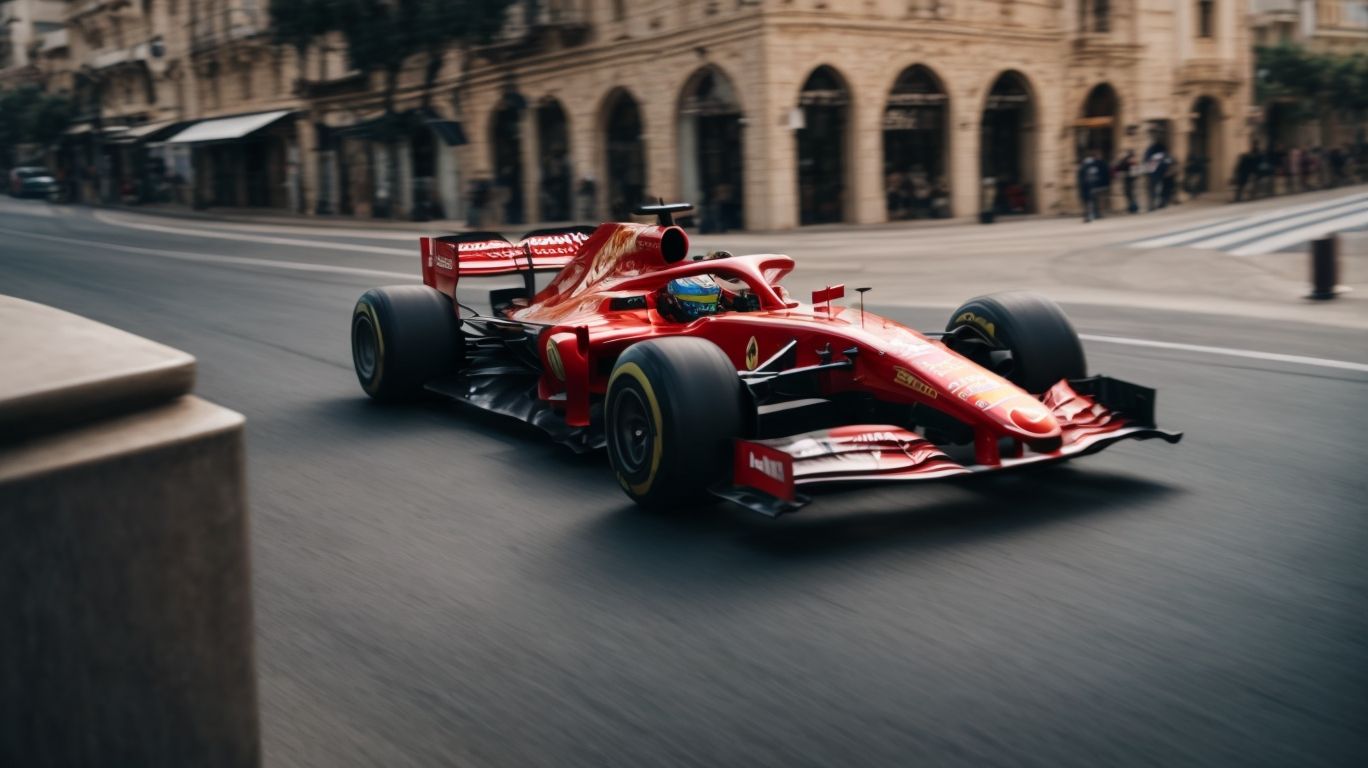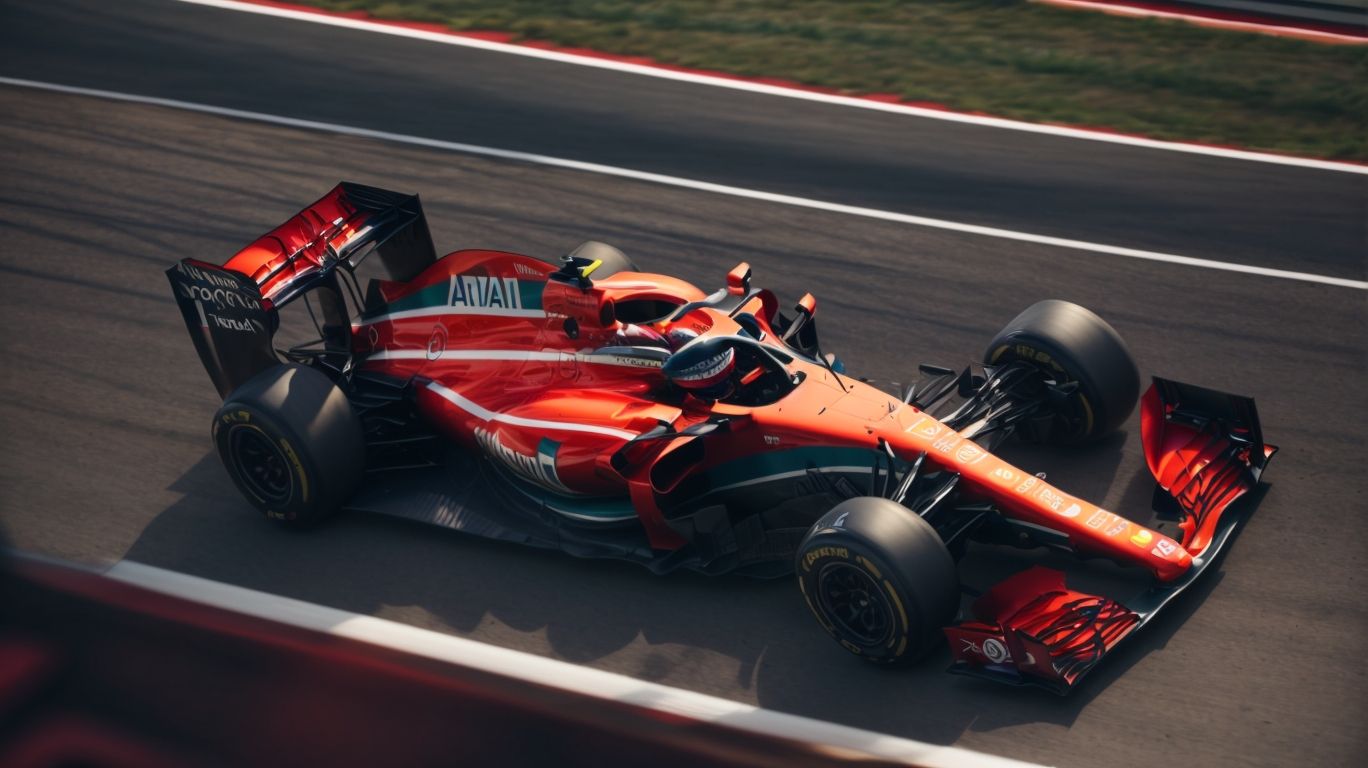
What Fuel Do F1 Cars Use?
Ever wondered what type of fuel powers F1 cars as they race around the track at incredible speeds?
In this article, we will explore the regulations for F1 fuel, the composition of the fuel used, and the octane rating required.
We will delve into how much fuel F1 cars carry, how it is measured for efficiency, and what happens if a car runs out of fuel during a race.
Join us as we uncover the secrets behind the fuel that keeps F1 cars running at peak performance.
Key Takeaways:
1.
2.
3.
4.
5.
6.
7.
8.
What Fuel Do F1 Cars Use?
F1 cars use specialized fuel that adheres to strict regulations set by the FIA to ensure performance and safety.
Various types of fuels are allowed in Formula 1 racing, including gasoline, which is commonly used in most races, and biofuels, which are gaining traction due to their environmental benefits. The FIA regulates the composition of these fuels to prevent teams from gaining a performance advantage through chemically enhancing the fuel. Biofuels, made from renewable sources like plant materials, are being increasingly integrated into F1 fuel blends to reduce the sport’s carbon footprint.
What are the Regulations for F1 Fuel?
F1 fuel regulations are meticulously defined by the FIA to control aspects such as composition, energy content, and emissions.
The FIA ensures that the fuel used in Formula 1 racing meets specific criteria to optimize performance and environmental impact. This organization mandates strict guidelines on the type and proportion of components, ensuring a balanced mix that enhances the efficiency of the power unit.
Energy content regulations aim to maintain fair competition by limiting the potential advantages of using high-energy fuels. Synthetic fuels have emerged as a promising solution, offering a more sustainable alternative that aligns with the ongoing commitment to reduce the sport’s carbon footprint.
What is the Composition of F1 Fuel?
The composition of F1 fuel includes a blend of traditional hydrocarbons, bio-components, and in some cases, synthetic fuels to optimize performance and efficiency.
Traditional hydrocarbons like gasoline and diesel are crucial components in F1 fuel due to their high energy density and power output. The incorporation of bio-components such as ethanol or bio-butanol not only helps reduce overall carbon footprint but also enhances combustion efficiency. In addition, synthetic fuels, produced through advanced chemical processes, play a vital role in boosting the power unit’s performance while staying aligned with sustainability goals. This careful blend of ingredients ensures that F1 fuel delivers the optimal mix of power, efficiency, and eco-friendliness.
What is the Octane Rating of F1 Fuel?
The octane rating of F1 fuel, a key factor in combustion control, is carefully calibrated to ensure optimal engine performance and reliability.
Octane rating, which measures a fuel’s ability to resist knocking during combustion, plays a crucial role in the efficiency and longevity of high-performance engines. Engine knock, caused by premature ignition of fuel in the combustion chamber, can lead to decreased power output and potential damage to engine components.
By maintaining a consistent octane rating, F1 teams can fine-tune their engines to operate at peak efficiency, extracting maximum power while minimizing the risk of engine failure. This level of precision in fuel quality management is essential in a sport where the slightest performance advantage can make a significant difference on the track.
How Much Fuel Do F1 Cars Use?
F1 cars consume a precise amount of fuel during a race, carefully managed to optimize performance while considering weight distribution and race strategy.
During a typical F1 race, cars can burn around 100 kilograms of fuel, depending on factors such as track layout, weather conditions, and race pace. This fuel consumption directly impacts the car’s weight distribution, affecting handling and tire wear. To mitigate this, teams strategize fuel loads and pit stops. Some may start with a heavier fuel load for a longer first stint, while others opt for lighter loads for quicker laps early on. Balancing power output and fuel efficiency is crucial in achieving optimal performance.
How Many Liters of Fuel Do F1 Cars Carry?
F1 cars can carry a specific amount of race fuel, tailored to the circuit’s characteristics and the team’s strategic considerations.
The standard volume of fuel carried by F1 cars usually ranges between 100-140 kg, determined by regulations. During races, refuelling is prohibited, so teams must carefully calculate fuel load adjustments to optimize performance. The weight of fuel affects handling, tire wear, and overall pace.
Teams must strategize based on circuit demands; a high-speed track may require less fuel for lighter weight and increased speed, while a twisty course may need more fuel for longer stints. These calculations play a crucial role in race strategy, influencing pit stops, tire changes, and overtaking opportunities.
How Much Fuel is Used in a Race?
The amount of fuel used in an F1 race varies based on factors like circuit layout, weather conditions, and the team’s race strategy.
Circuit characteristics play a crucial role in determining fuel consumption as tracks with long straights and fewer corners tend to be less demanding on fuel compared to circuits with multiple tight corners that require frequent acceleration and deceleration, leading to higher fuel usage.
Moreover, weather variables such as temperature, humidity, and wind speed can significantly impact fuel efficiency. Hotter temperatures can increase fuel consumption due to engine cooling requirements, while rain can affect tire grip, leading to more frequent acceleration and braking, thus consuming more fuel.
Strategic decisions, such as when to pit for refueling or tires, also influence fuel usage. Teams must carefully calculate the optimal refueling windows to maintain competitive pace while managing fuel levels efficiently throughout the race.
How is F1 Fuel Efficiency Measured?
F1 fuel efficiency is a critical performance metric evaluated based on factors such as transmission efficiency and the use of seamless-shift transmissions.
Transmission technologies play a vital role in influencing the overall fuel efficiency of F1 cars. With advancements in engineering, modern F1 cars are equipped with cutting-edge gear shifting mechanisms that allow for quicker and smoother transitions between gears. These transmission technologies not only enhance the speed and performance of the car but also contribute significantly to its overall fuel economy.
Among the various transmission technologies, seamless-shift transmissions have emerged as a game-changer in the world of F1 racing. By enabling lightning-fast gear changes without interrupting power delivery, seamless-shift transmissions maximize the efficiency of the powertrain and optimize acceleration, ultimately leading to improved fuel efficiency and competitive advantage on the track.
What is the Fuel Consumption Rate of F1 Cars?
The fuel consumption rate of F1 cars is intricately linked to the power unit’s efficiency, combustion process, and aerodynamic performance.
Power unit efficiency plays a crucial role in determining how much fuel an F1 car consumes per race. The more efficient the power unit, the less fuel it will need to produce the same amount of power. Combustion dynamics also impact fuel consumption, with optimized combustion processes leading to better fuel efficiency. Aerodynamic enhancements such as streamlined body designs and advanced airflow management help reduce drag, allowing the car to move through the air more efficiently, ultimately conserving fuel.
What Factors Affect F1 Fuel Efficiency?
Numerous factors impact F1 fuel efficiency, ranging from aerodynamic design and engine configuration to downforce levels and race conditions.
Regarding aerodynamic design in Formula 1, teams use advanced wind tunnels and computational fluid dynamics to achieve maximum efficiency by reducing drag and enhancing stability.
Engine performance also plays a crucial role, with hybrid power units being a key focus for improving efficiency while maintaining high levels of power output.
Downforce levels need to be carefully balanced to ensure optimal grip through corners without compromising top speeds on straights.
The impact of varying race conditions, such as temperature fluctuations and track surfaces, can significantly affect fuel consumption and strategy during the race.
What Happens if an F1 Car Runs Out of Fuel?
If an F1 car runs out of fuel during a race, it results in an immediate loss of power, potentially leading to retirement or significant performance degradation.
One major consequence of fuel depletion in Formula 1 cars is the strain it puts on the engine. When the fuel level drops dangerously low, the engine’s components may not receive adequate lubrication, increasing the risk of wear and potential damage. The lack of fuel affects the car’s overall weight distribution, compromising handling and aerodynamics.
Performance limitations become evident as the engine lacks the necessary power to sustain competitive lap times. This not only hampers the driver’s ability to fight for track position but also impacts the team’s overall race strategy. Teams must carefully balance fuel consumption and performance to maximize their chances of success and avoid unexpected setbacks on the circuit.
What are the Alternatives to F1 Fuel?
Emerging alternatives to traditional F1 fuel include hybrid powertrains and the utilization of innovative synthetic fuels to enhance sustainability and performance.
Hybrid powertrains have become a focal point in F1’s quest for higher efficiency and reduced emissions. By combining internal combustion engines with electric motors, these systems recover energy during braking and store it for additional power bursts. This not only boosts acceleration but also helps in meeting stringent environmental regulations.
Synthetic fuels further push the boundaries of sustainability in F1. Formulated from renewable sources, such as bio-methanol or e-fuels produced from green electricity, these fuels offer a cleaner combustion process, reducing carbon footprint significantly.
How Do Hybrid F1 Cars Use Fuel?
Hybrid F1 cars combine traditional combustion engines with electric power units to achieve higher fuel efficiency and reduced emissions.
These hybrid systems work together seamlessly during races, with the electric components providing instant torque for quick acceleration, especially during braking and cornering.
The energy generated from braking is harvested and stored in the battery, which is then utilized to boost acceleration or power certain components. This integration not only enhances performance but also plays a crucial role in adhering to the latest engine formula regulations set forth by FIA.
The strategic use of electric power in hybrid F1 cars demonstrates the perfect fusion of cutting-edge technology with high-speed racing.
What is the Future of F1 Fuel?
The future of F1 fuel lies in the development of advanced synthetic fuels, bio-derived components, and sustainable combustion technologies to align with environmental goals.
As the Formula 1 landscape evolves, teams are increasingly turning towards cutting-edge synthetic fuel solutions that not only maximize performance but also reduce the carbon footprint of the sport. These next-generation fuels are engineered to deliver higher energy density, offering a more efficient power source for the high-performance engines. The integration of bio-components into fuel formulations serves to lower emissions and diminish the reliance on traditional fossil fuels. Complementing these efforts are innovations in combustion enhancement technologies, optimizing engine efficiency while minimizing environmental impact.
Frequently Asked Questions
What Fuel Do F1 Cars Use?
F1 cars primarily use a specialized fuel known as “High-Performance Racing Fuel”.
Why do F1 cars use High-Performance Racing Fuel?
High-Performance Racing Fuel is specifically designed to provide the best performance and efficiency for the high-tech engines used in F1 cars.
What is the composition of High-Performance Racing Fuel?
High-Performance Racing Fuel is a blend of highly refined gasoline and additives, including ethanol, to enhance performance and improve fuel efficiency.
Is High-Performance Racing Fuel available for regular cars?
No, High-Performance Racing Fuel is not available for regular cars. It is only used in F1 cars and other high-performance racing vehicles.
Do all teams use the same fuel in F1 races?
Yes, all teams are required to use the same type of High-Performance Racing Fuel in F1 races to ensure fair competition.
How much fuel do F1 cars use in a race?
F1 cars typically use around 100 kilograms of fuel during a race, with the fuel tank capacity limited to 105 kilograms.