How Do F1 Cars Shift?
Ever wondered how F1 cars shift gears at lightning speed during a race?
This article explores the components of an F1 car, including the engine, transmission, chassis, and aerodynamics.
We delve into the different shifting techniques used by F1 drivers, such as paddle shifters, sequential gearbox, and clutchless shifting.
Discussing the various types of gears used in F1 cars, like straight cut gears, helical gears, and dog box gears, we highlight the advantages and disadvantages of each shifting technique.
Buckle up and get ready to learn all about how F1 cars shift gears on the racetrack!
Key Takeaways:
What Is an F1 Car?
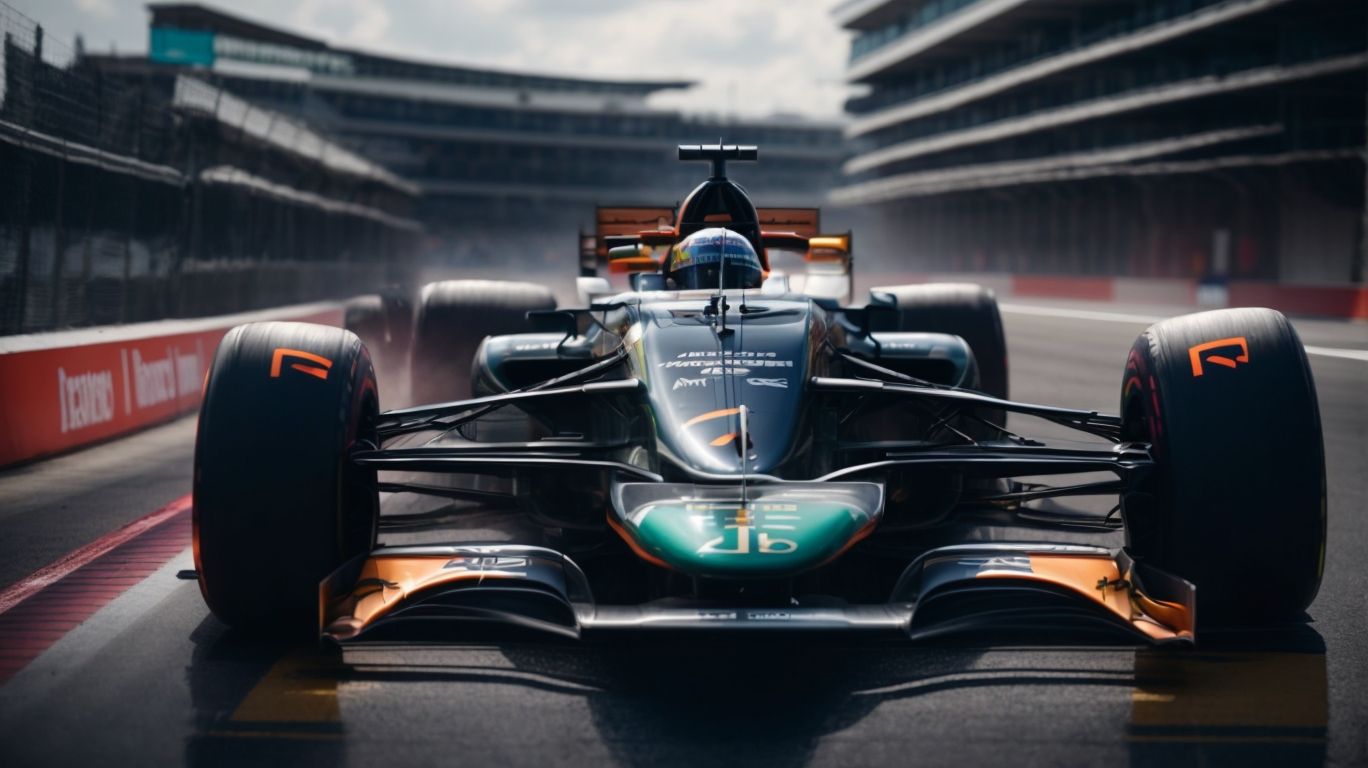
An F1 car, short for Formula One car, is a single-seater, open-wheel racing vehicle specifically designed for Formula One racing competitions.
These high-performance cars are meticulously engineered to achieve incredible speeds, reaching up to 370 km/h on certain circuits. The design of an F1 car focuses on aerodynamics, with sleek bodywork, advanced wings, and intricate diffusers to maximize downforce and grip. The power unit, consisting of a turbocharged V6 engine and hybrid system, generates over 1000 horsepower, propelling the car from 0 to 100 km/h in less than 2 seconds.
Advanced technologies like kinetic energy recovery systems (KERS) and Drag Reduction Systems (DRS) add an extra layer of complexity to these racing machines, allowing drivers to tweak performance during the race. Safety is paramount in F1 cars, with features such as the halo cockpit protection system and impact-absorbing materials ensuring driver protection in the event of a crash.
What Are the Components of an F1 Car?
The components of an F1 car encompass various elements such as advanced gearboxes, cutting-edge transmission systems, intricate aerodynamics, and high-performance power trains.
Advanced gearboxes in F1 cars are crucial for optimizing gear shifts, ensuring seamless power delivery, and enhancing overall performance. The transmission systems, comprising complex mechanisms and electronic controls, play a pivotal role in transferring power from the engine to the wheels efficiently.
Aerodynamics form the cornerstone of an F1 car’s design, with intricate structures and components meticulously designed to generate downforce, reduce drag, and enhance cornering stability. These aerodynamic elements, from front wings to diffusers, are finely tuned for maximum performance.
The power train configurations in an F1 car are meticulously engineered to deliver exceptional power output while maintaining reliability and efficiency. From hybrid systems to internal combustion engines, F1 power trains are at the forefront of automotive engineering, combining power and agility for ultimate racing prowess.
Engine
The engine of an F1 car is a finely-tuned powerhouse that operates at extraordinary RPM levels, generating immense power to propel the vehicle at incredible speeds.
These high-performance engines are marvels of engineering, designed to withstand extreme conditions on the track while delivering exceptional performance.
Power output is a critical measure of engine efficiency, with F1 engines producing over 1000 horsepower, equivalent to almost ten times that of a regular car. The RPM thresholds of these engines can reach mind-boggling levels, spinning at over 15,000 revolutions per minute, which is crucial for achieving the blistering speeds seen in Formula 1 races. The intricate combination of lightweight materials, advanced fuel systems, and aerodynamic design all contribute to the engine’s ability to push the car to its limits.
Transmission
The transmission system in an F1 car comprises a sophisticated gearbox, often a semi-automatic sequential unit, equipped with hydraulic actuators for rapid and precise gear changes, optimized gear ratios, and clutch control mechanisms.
These gearboxes are designed to handle the high-speed demands of Formula 1 racing, where split-second decisions and lightning-fast shifts can make or break a race. The clutch mechanisms play a crucial role in engaging and disengaging gears smoothly, ensuring seamless power delivery to the wheels.
Hydraulic actuators are employed to activate gear changes with precision and speed, reducing the time it takes to shift gears and minimizing the risk of mechanical failure. Gear ratios are meticulously calculated to suit each track layout and racing conditions, maximizing acceleration and top speed for optimal performance.
Chassis
The chassis of an F1 car is a structural marvel crafted from materials like carbon titanium, providing the vehicle with lightweight strength, aerodynamic efficiency, and structural rigidity to withstand the extreme forces encountered during races.
Carbon titanium, known for its exceptional strength-to-weight ratio, plays a pivotal role in the construction of F1 car chassis. This advanced material ensures that the chassis can endure the immense loads and vibrations experienced on the track without compromising performance.
Along with durability, the aerodynamic design of the chassis is crucial for optimizing airflow around the vehicle, enhancing downforce for better traction and cornering capabilities.
The safety aspect of the chassis cannot be overlooked. The structural rigidity provided by materials like carbon titanium enhances driver protection in the event of a crash, dissipating impact energy and minimizing potential injuries. By leveraging cutting-edge materials and design techniques, F1 teams continuously push the boundaries of chassis innovation to gain a competitive edge on the track.
Aerodynamics
Aerodynamics play a crucial role in shaping the performance of an F1 car, with advanced technologies and design principles optimizing airflow, reducing drag, and enhancing downforce to improve speed and cornering capabilities.
One of the key innovations in F1 aerodynamics is the implementation of DRS (Drag Reduction System), a mechanism that adjusts the angle of the rear wing to minimize drag on straights, thereby increasing top speeds.
Engineers also focus on creating complex diffusers at the rear of the car to accelerate airflow and generate more downforce, crucial for enhancing grip and stability in high-speed corners.
The design of the front wing is meticulously crafted to manage airflow efficiently, directing it around the tires and along the car’s body to minimize turbulence and improve overall aerodynamic efficiency.
How Do F1 Cars Shift?
F1 cars utilize advanced gearbox systems with paddle shifters for semi-automatic shifting, enabling drivers to change gears seamlessly at high RPM levels to maintain speed and performance on the track.
These paddle shifters, typically located behind the steering wheel, allow drivers to shift up or down with just a flick of a finger, providing lightning-fast gear changes without the need to manually engage a clutch.
The semi-automatic transmissions in F1 cars are equipped with intricate systems that optimize gear changes in milliseconds, synchronized perfectly with the engine’s rev range to prevent loss of acceleration.
At high speeds, the importance of smooth gear changes cannot be overstated, as any delay or rough shift can result in a drop in momentum, affecting lap times and overall race performance.
Paddle Shifters
Paddle shifters in F1 cars provide drivers with automated gear changes, allowing for precise control over shifting without the need for manual clutch operation, enhancing speed and efficiency during races.
These paddle shifters are mounted on the steering wheel, allowing drivers to change gears effortlessly with just the press of a button or flick of a paddle. This automation feature frees up the driver’s hands to focus on steering and other critical aspects of driving, especially in high-pressure racing situations. With precise control over gear changes, drivers can maintain optimal speed and acceleration, gaining a competitive edge on the track.
Sequential Gearbox
The sequential gearbox in F1 cars enables sequential gear shifting, allowing drivers to shift up or down gears in a predetermined sequence for optimized acceleration and speed control during races.
This sequential shifting method involves the use of paddle shifters mounted behind the steering wheel, making it efficient for drivers to change gears without taking their hands off the wheel. The design of sequential gearboxes also contributes to quicker gear changes compared to traditional manual transmissions, giving drivers a competitive edge on the track. By following a specific shifting pattern (usually pulling the paddle to shift up and pushing to shift down), drivers can make lightning-fast gear changes, crucial for maintaining momentum and achieving peak performance during F1 races.
Clutchless Shifting
Clutchless shifting technology in F1 cars allows for rapid and smooth gear changes without the need for manual clutch engagement, enhancing driver control and minimizing shift times for optimal race performance.
By eliminating the requirement for the driver to manually press the clutch pedal during gear changes, clutchless shifting systems use electronic sensors and actuators to synchronize engine speed and gearbox input to ensure seamless transitions. This advanced technology not only reduces the risk of human error but also enables more precise gear shifts, especially crucial in high-speed racing scenarios where split-second decisions can make all the difference. The benefits extend beyond just performance, as the driver can focus more on steering and strategy, leading to improved overall race outcomes.
What Are the Different Types of Gears Used in F1 Cars?
F1 cars utilize various types of gears, including specialized gear ratios, unique gearbox designs, and innovative dog box gears, each serving specific functions to optimize performance on the track.
Specialized gear ratios in F1 cars are meticulously calculated to provide an ideal balance between acceleration and top speed. These ratios are crucial in determining the efficiency of power transmission from the engine to the wheels, maximizing the car’s performance on different sections of the track. Gearbox variations in F1 cars encompass a wide range of designs, such as sequential and semi-automatic gearboxes, each offering distinct advantages in terms of speed, precision, and driver control.
Dog box gears, a standout feature in F1 transmissions, are known for their rapid gear changes and enhanced durability, making them essential for quick acceleration and seamless shifts during races. The unique design of dog box gears enables drivers to shift gears without needing to disengage the clutch fully, resulting in lightning-fast gear changes that are vital for gaining a competitive edge on the track.
Straight Cut Gears
Straight cut gears in F1 cars feature a design that enhances< b> gear meshing efficiency, reduces power loss, and provides robust durability for high-performance racing applications.
Unlike conventional helical gears, straight cut gears in F1 cars are known for their direct meshing engagement, resulting in higher mechanical efficiency and lower frictional losses during gear shifting.
The design of straight cut gears allows for greater torque capacity and improved power transmission, making them ideal for the high-stress environment of Formula 1 racing.
The reduced radial loads on the gear teeth help enhance the overall durability of the gearbox, ensuring consistent performance throughout extended racing sessions.
Helical Gears
Helical gears used in F1 cars offer smooth and quiet operation, precise gear engagement, and enhanced load-bearing capabilities, making them ideal for gearbox assemblies that require precision and reliability.
One of the key advantages of helical gears is their ability to reduce noise and vibrations due to their angled teeth design, which enables gradual tooth engagement. This feature is crucial in high-speed racing environments like Formula 1, where minimizing noise can enhance driver focus and overall vehicle performance.
Helical gears provide improved contact ratios compared to spur gears, resulting in better power transmission efficiency and reduced wear on gear teeth. This enhanced load-bearing capability is essential in high-performance gearbox applications to withstand the rigorous demands of fast-paced racing conditions.
Dog Box Gears
Dog box gears utilized in F1 cars feature robust gear engagement mechanisms, rapid gear changes, and high-strength materials, ensuring quick and reliable shifting for demanding race conditions.
These gear engagement mechanisms in dog box transmissions are designed to offer incredibly fast and precise shifts, crucial in the split-second decision-making required in Formula 1 racing. The material compositions of these gears, often constructed from specialized alloys like chromoly steel or titanium, provide the necessary durability and strength to withstand the immense torque and stress put on them during high-speed acceleration and deceleration.
The use of dog box transmissions allows for seamless power delivery, minimizing power loss during gear changes, thus enhancing overall performance on the track. This efficient shifting system helps drivers navigate through various corners and straights with optimal speed and stability, ultimately contributing to their competitive edge in the challenging world of F1 racing.
How Do F1 Drivers Shift During a Race?
F1 drivers execute precise gear shifts during races by adhering to gearbox laws, leveraging advanced shifting techniques, and maintaining optimal RPM levels to maximize acceleration and speed on the track.
One crucial aspect of gear shifting in Formula 1 is the impact of gearbox regulations on driver performance. These regulations dictate the number of gears a driver can use and limit the adjustments that can be made to the gearbox throughout the season. This means that drivers must strategically plan their gear shifts to ensure durability and efficiency.
Regarding executing precise shifting techniques, drivers rely on their skill and experience to seamlessly transition between gears. Smooth and accurate gear shifts are essential for maintaining momentum and maximizing the power delivery from the engine to the wheels.
In addition, managing RPM levels plays a significant role in achieving peak performance on the track. By monitoring and adjusting the engine’s RPM, drivers can optimize acceleration and ensure that they are operating within the engine’s optimal power band.
What Are the Advantages and Disadvantages of F1 Shifting Techniques?
The shifting techniques in F1 cars offer advantages such as speed, precision, and efficiency, but they also raise concerns about competition fairness and the impact of automation on driver skill and race outcomes.
Speed advantages of F1 shifting techniques lie in the lightning-fast gear changes that allow drivers to reach optimal speeds in split seconds, gaining crucial advantages on the track. Precision benefits are evident in the seamless control drivers have over the power delivery, maintaining traction and handling through sharp turns and straightaways. Critics argue that the increasing automation of these shifting processes may diminish the traditional reliance on driver skill, potentially compromising the level playing field in races.
These advancements bring into question whether race outcomes are solely determined by driver prowess or are significantly influenced by the technology under the hood. While modern F1 cars are marvels of engineering, the debate over the balance between human input and machine automation continues to shape the future of the sport.
Paddle Shifters
Paddle shifters in F1 cars provide drivers with rapid and precise gear changes, enhancing RPM management, acceleration control, and overall driving performance on the race track.
In the high-speed world of Formula 1 racing, where split-second decisions can make or break a race, the advantages of utilizing paddle shifters are unmistakable. The ability to shift gears seamlessly without having to take hands off the steering wheel grants drivers a critical edge in optimizing RPM levels and maintaining consistent acceleration.
This technology not only improves the efficiency of gear changes but also allows drivers to focus more on their driving lines and race strategies, enhancing their overall skillset and adaptability on the track.
By reducing the cognitive load of gear shifting, paddle shifters enable drivers to react quicker to changing race conditions, resulting in improved lap times and a more competitive edge in the unforgiving world of F1 racing.
Sequential Gearbox
The sequential gearbox in F1 cars offers precise gear engagement, optimized gear ratios, and enhanced speed control, providing drivers with efficient gear shifting capabilities for competitive race performance.
One of the key advantages of using a sequential gearbox in Formula 1 cars is the ability to optimize gear ratios according to different track layouts and race conditions. This allows drivers to have better control over their acceleration, top speed, and overall performance on the racetrack. The sequential transmission ensures quick and seamless gear changes, minimizing the loss of momentum during shifts, which is crucial in maintaining a competitive edge.
Clutchless Shifting
Clutchless shifting technology in F1 cars offers rapid gear changes but may incur gearbox penalties due to regulations, raising concerns about the balance between performance advantages and compliance with gearbox rules.
One of the key advantages of clutchless shifting in F1 cars lies in the lightning-fast gear change speeds it enables. By eliminating the need to declutch during gear changes, drivers can seamlessly shift through gears with minimal time loss, crucial in the high-speed world of Formula 1 racing.
The flip side of this technology is the potential penalties that can be imposed if teams are found to breach gearbox regulations. These penalties could range from grid position drops to outright disqualifications, impacting a team’s overall performance and standings in the championship.
The implications of clutchless shifting on fair competition come into play as teams strive to find the delicate balance between exploiting speed advantages and staying within the confines of the rules. Adherence to gearbox regulations is not only vital for ensuring a level playing field among competitors but also upholding the integrity of the sport.
Frequently Asked Questions
How do F1 cars shift?
F1 cars use sequential gearboxes with paddle shifters to change gears.
What is a sequential gearbox?
A sequential gearbox is a type of gearbox where the gears are selected in a specific order, typically using a lever or paddle shifter.
How do paddle shifters work?
Paddle shifters are small levers located behind the steering wheel that allow the driver to change gears by pulling or pushing the lever with their fingers.
Can F1 cars shift without clutch?
Yes, F1 cars use a clutchless system where the clutch is only used for starting the car and for pit stops. Shifting is done without the use of a clutch pedal.
How many gears do F1 cars have?
F1 cars typically have 8 gears, with 7 forward gears and 1 reverse gear. However, some older F1 cars may have had fewer gears.
What are the advantages of using paddle shifters in F1 cars?
Paddle shifters allow for faster and more precise gear changes, as the driver can shift without taking their hands off the steering wheel. This also allows for quicker reaction times during races.