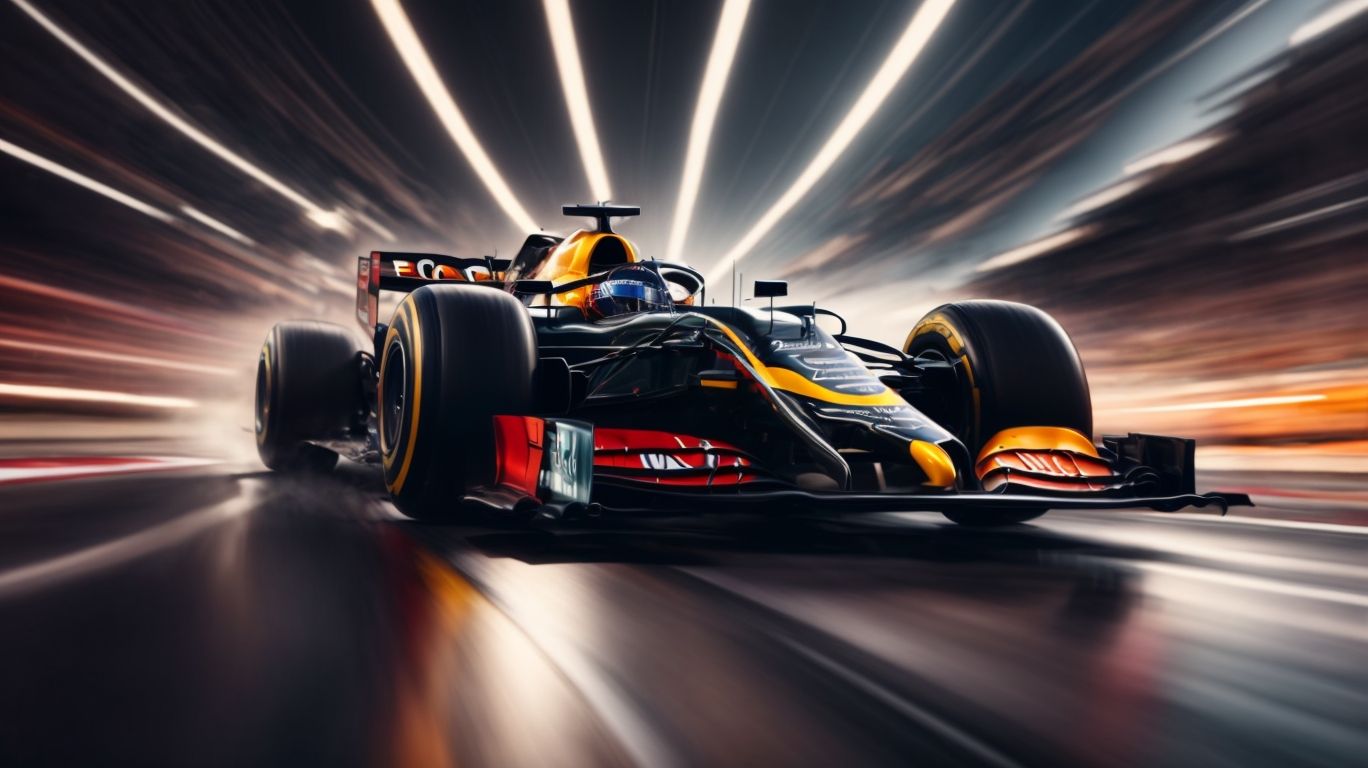
How Fast Can a F1 Car Go?
Formula One racing is a thrilling sport that captivates audiences around the world with its high-speed action and cutting-edge technology.
But just how fast can an F1 car go? From aerodynamics to engine power and lightweight materials, there are several factors that contribute to the incredible speed of these vehicles.
In this article, we’ll explore the top speed records, average speeds during races, and even compare the speed of F1 cars to other vehicles.
So buckle up and get ready to dive into the world of F1 racing!
Key Takeaways:
What is Formula One Racing?
Formula One Racing, commonly known as Formula 1, is the pinnacle of motorsport competition, featuring high-performance single-seater cars.
Since its inception in 1950, Formula One Racing has established itself as one of the most prestigious and globally recognized motorsport events. With a rich history spanning over seven decades, F1 has seen legends like Michael Schumacher, Ayrton Senna, and Lewis Hamilton pushing the boundaries of speed and skill in their F1 cars. The sport captivates millions of fans worldwide with its mix of cutting-edge technology, intense rivalries, and thrilling races held at iconic circuits such as Monaco, Silverstone, and Spa-Francorchamps. Formula One Racing isn’t just about speed; it’s about precision, strategy, and teamwork, making it a test of both man and machine.
How Did F1 Racing Begin?
Formula 1 Racing has its origins in the early 20th century, with the first Grand Prix race taking place in 1906 in Le Mans, France.
Since this groundbreaking event, Formula 1 has evolved into a global phenomenon captivating the hearts of motorsport enthusiasts worldwide. The sport’s early days were marked by daring drivers, minimal safety precautions, and races on public roads, leading to significant risks and occasional tragedies. As technology advanced and safety standards improved, Formula 1 transformed into a prestigious and highly competitive sport, attracting top engineering talent and large-scale investments.
What Makes F1 Cars So Fast?
F1 cars achieve incredible speeds due to a combination of advanced aerodynamics, powerful engines, and efficient downforce generation.
Aerodynamics
Aerodynamics play a crucial role in enhancing the performance of F1 cars by shaping airflow, reducing drag, and maximizing downforce for improved cornering speeds.
Downforce, a key component of F1 car aerodynamics, is the force that pushes the vehicle down onto the track, increasing traction and allowing drivers to take corners at higher speeds with better stability. The design of the car’s wings, diffuser, and bodywork all work together to generate optimal downforce levels while also minimizing drag to maximize straight-line speed. Engineers meticulously study and analyze airflow patterns to make precision adjustments that can make a significant difference in overall performance on the track.
Engine Power
The exceptional power output of F1 car engines, often hybrid-powered units, allows for rapid acceleration and high top speeds on the track.
Engine power serves as the heartbeat of Formula 1 racing, propelling these cutting-edge cars to unparalleled velocity. Through the strategic integration of hybrid technology, the engines combine internal combustion power with electrical energy, enhancing acceleration off the line and boosting top speeds on long straights. The hybrid system provides an extra injection of power, especially during critical moments like overtaking maneuvers or defending positions. This innovative blend of traditional and modern power sources sets F1 cars apart as marvels of engineering prowess, constantly pushing the boundaries of speed and performance.
Lightweight Materials
F1 cars utilize lightweight materials such as carbon fiber composites to enhance speed, agility, and overall performance on the race track.
Lightweight materials play a crucial role in enhancing the aerodynamics of F1 cars. By reducing the overall weight of the vehicle, they allow for greater acceleration and improved handling around corners. The use of carbon fiber composites specifically provides a high strength-to-weight ratio, ensuring structural integrity while keeping the car light. This directly translates to faster lap times and better fuel efficiency, as the engine doesn’t have to work as hard to propel a lighter vehicle. In the fast-paced world of Formula 1 racing, every gram matters, making lightweight materials critical for achieving peak performance.
How Fast Can an F1 Car Go?
The top speed of an F1 car can exceed 230 mph, reaching remarkable velocities captured by speed traps along the race track.
Top Speed Record
The current top speed record for an F1 car stands at over 230 mph, achieved during qualifying sessions or speed trap measurements on straight sections of the track.
When setting these impressive records, drivers rely on the perfect balance between speed and control, pushing their cars to the absolute limit. Aerodynamics play a crucial role in achieving such high speeds, with teams continually fine-tuning the design to reduce drag and maximize straight-line performance.
Factors like track conditions, weather, and tire grip also significantly impact top speeds. Drivers often need to strategize their approach to hit peak velocity during specific parts of the race where the track allows for such acceleration opportunities.
Average Speed During Races
F1 cars maintain impressive average speeds during races, often exceeding 150 mph on various sections of the race track while navigating corners and straights.
These speeds are a result of the powerful engines, advanced aerodynamics, and high-performance tires that F1 cars are equipped with. The dynamics of speed in Formula 1 racing are fascinating to observe, as drivers constantly adjust their pace to match the requirements of each track segment.
For example, in fast corners, the cars can reach speeds close to 200 mph, showcasing the incredible agility and downforce capabilities of these vehicles.
On the other hand, during tight and technical sections, such as chicanes or hairpins, the speed drops significantly as drivers focus on precision and control rather than pure velocity. This variability in speed highlights the strategic aspect of Formula 1 racing, where drivers must balance outright pace with tire management and fuel consumption to achieve optimal performance throughout the race.
Speed Comparison to Other Vehicles
Compared to road legal cars, F1 cars demonstrate unparalleled speed capabilities, showcasing their dominance in motorsport with unmatched acceleration and cornering speeds.
Formula 1 cars are constructed with cutting-edge technology, lightweight materials, and aerodynamic design to achieve incredible performance levels. The power-to-weight ratio of an F1 car far exceeds that of a standard road legal vehicle, allowing them to reach mind-boggling speeds in a matter of seconds. Their top speed can surpass 200 mph, which is beyond the reach of most road cars.
The cornering abilities of F1 cars are equally impressive. With precise handling, advanced suspension systems, and high-performance tires, they can navigate hairpin turns at extreme speeds, sticking to the track like glue.
What Factors Affect the Speed of an F1 Car?
Various factors influence the speed of an F1 car, including track conditions, weather variables, driver skill, and strategic decisions made during the race.
Track Conditions
Track conditions, such as temperature, asphalt quality, and elevation changes, significantly influence lap times and overall speed potential for F1 cars.
Temperature plays a critical role in determining tire grip and aerodynamic efficiency, affecting how a car handles corners and accelerates on straights. High temperatures can lead to overheating issues, reducing tire performance and making it harder to maintain optimal speeds. Conversely, cold temperatures can cause tires to lose grip, resulting in reduced cornering capabilities and slower lap times.
Surface grip is another vital factor that directly impacts an F1 car’s ability to generate traction and optimize cornering speeds. A track with good grip allows drivers to push their vehicles to the limit, achieving faster lap times and better overall performance. A slippery surface, whether due to rain or dirt, poses a significant challenge by compromising grip levels and increasing the risk of spins or crashes.
Weather Conditions
Weather conditions, especially rain and wet tracks, pose challenges for F1 drivers, affecting tire grip, visibility, and overall speed management during races.
The presence of rain on the track significantly alters the way drivers approach corners and braking zones. Wet surfaces introduce a layer of unpredictability, making it harder for drivers to find the optimum racing line. Driver visibility is hampered due to the spray generated by the cars in front, further complicating racing strategies.
Driver Skill and Strategy
The expertise of F1 drivers and their strategic maneuvers, aided by tools like DRS for overtaking, play a pivotal role in optimizing speed and race performance.
One of the key aspects that can significantly affect a driver’s speed on the track is their understanding of the car’s dynamics and their ability to make split-second decisions. These strategic maneuvers, such as choosing the ideal racing line or adjusting fuel and tire management, are crucial in securing faster lap times.
Employing overtaking aids like DRS (Drag Reduction System) strategically during races can provide valuable speed advantages in crucial moments. By tactically utilizing DRS zones to gain aerodynamic benefits, drivers can execute successful overtakes and maintain faster speeds throughout the race.
Safety Measures in Place for High Speeds
To mitigate risks associated with high speeds, F1 cars are equipped with advanced safety features, race tracks implement protective measures, and strict regulations govern driver conduct.
Safety Equipment in the Car
F1 cars feature essential safety equipment like helmets, HANS devices, and impact-absorbing structures to safeguard drivers from high-speed impacts and collisions.
Among these, helmets play a crucial role in protecting the driver’s head from severe injuries during crashes by providing a tough outer shell and a cushioning inner layer to absorb impact forces.
HANS devices, which are worn around the neck and connect to the helmet, help prevent excessive head movement in the event of a crash, reducing the risk of neck injuries.
Cockpit safety measures such as reinforced structures and impact-absorbing materials surrounding the driver add an extra layer of protection by creating a protective cocoon that dissipates crash energy away from the driver’s body.
Track Safety Features
Race tracks incorporate safety features like impact barriers, run-off areas, and advanced medical support systems to maintain driver safety and prevent severe accidents at high speeds.
One critical safety element of race track infrastructure is the implementation of impact-absorbing barriers strategically placed around hazardous corners to minimize the impact force in case of a collision. These barriers are designed to absorb energy upon impact, reducing the risk of injury to drivers and preventing vehicles from leaving the track.
Plus impact barriers, run-off areas play a crucial role in enhancing safety during F1 races. These designated zones provide drivers with extra space beyond the track’s limits, allowing them to safely decelerate and regain control in case of abrupt maneuvers or emergencies.
The presence of advanced medical support systems, including on-site EMTs, ambulance services, and a fully equipped medical center, ensures prompt and effective response to any accidents or medical emergencies that may occur on the track. This comprehensive approach to safety infrastructure is essential in safeguarding the well-being of drivers and maintaining the integrity of competitive racing events.
Regulations and Rules
Strict regulations govern aspects of F1 racing, including technical specifications, power unit usage, and driver conduct, ensuring fair competition and safety standards are upheld.
Within the FIA (Fédération Internationale de l’Automobile) regulatory framework, rules dictate the design of the cars, limiting teams in terms of aerodynamics, weight, and engine specifications.
The use of power units is closely monitored, with restrictions on the number of units each driver can use throughout the season to prevent excessive spending and maintain a level playing field.
Conclusion: The Thrill of Speed in F1 Racing
In conclusion, Formula 1 Racing encapsulates the adrenaline-fueled thrill of speed and technological excellence, making it a premier spectacle in the world of motorsport.
With cars capable of speeds exceeding 200 mph, Formula 1 Racing pushes the boundaries of what is physically possible, captivating audiences worldwide with its high-octane races.
The integration of state-of-the-art aerodynamics, advanced materials, and cutting-edge technology showcases the relentless pursuit of innovation within the sport, setting it apart from other racing disciplines.
Drivers in Formula 1 are revered for their exceptional skill and bravery, navigating tight corners and challenging tracks with precision and lightning-fast reflexes.
Frequently Asked Questions
How Fast Can a F1 Car Go?
How fast can a F1 car go on a straight track?
On average, F1 cars can reach speeds of over 220 mph on straight tracks.
How Fast Can a F1 Car Go?
What is the top speed of a F1 car?
The current record for the fastest F1 car speed was set in 2018 at 231.2 mph (372.6 km/h).
How Fast Can a F1 Car Go?
How do F1 cars achieve such high speeds?
F1 cars are designed with advanced aerodynamics, lightweight materials, and powerful engines to maximize speed and performance.
How Fast Can a F1 Car Go?
Can a F1 car go faster than a commercial airplane?
No, the fastest commercial airplanes have speeds of over 500 mph, which is still significantly faster than F1 cars.
How Fast Can a F1 Car Go?
What is the average speed of a F1 car during a race?
The average speed of a F1 car during a race can vary depending on the track, but it is typically around 150-180 mph.
How Fast Can a F1 Car Go?
Are there any speed limits for F1 cars?
No, there are no official speed limits for F1 cars, but there are safety regulations in place to ensure the safety of the drivers.