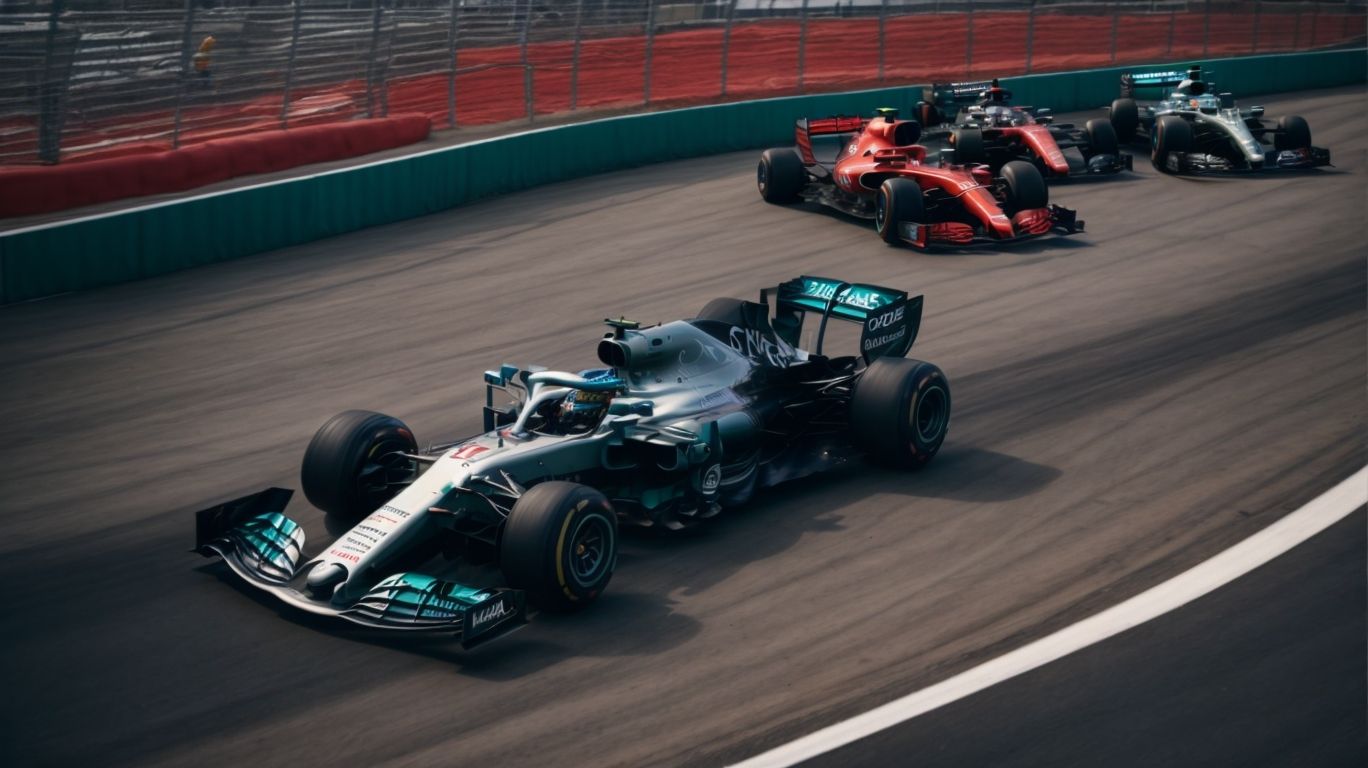
Are F1 Cars Manual?
Ever wondered about the inner workings of an F1 car? From the chassis to the engine, transmission, and suspension, these high-performance vehicles are a marvel of engineering.
But how exactly do they work on the track? Are F1 cars manual or automatic? And why do they have so many gears?
Join us as we explore the components, gear shifting techniques, and advantages of manual transmission in F1 cars, shedding light on the intricate world of Formula 1 racing.
Key Takeaways:
What Are the Components of an F1 Car?
An F1 car comprises various essential components that work together to deliver exceptional performance on the racetrack.
Among these components, the chassis serves as the structural backbone of the car, providing stability and safety to the driver. The aerodynamics of an F1 car are meticulously designed to maximize downforce, enhancing traction and cornering speeds. The heart of the car lies in its advanced engine, delivering immense power while maintaining reliability under extreme conditions. The transmission system, including the gearbox and differential, ensures seamless power delivery to the wheels.
Chassis
The chassis of an F1 car serves as the structural foundation, crafted from lightweight yet durable materials to optimize aerodynamic performance.
Carbon fiber composites are the preferred choice for constructing F1 car chassis due to their exceptional strength-to-weight ratio and rigidity.
These materials are meticulously bonded and layered to form a monocoque structure that ensures maximum safety for the driver in case of a crash.
The chassis design is crucial for enhancing aerodynamic efficiency, with intricate shaping and contours strategically placed to minimize drag and generate downforce to improve grip and cornering speeds.
Engine
The engine in an F1 car is a powerhouse that generates immense power and operates at high revolutions per minute (RPM) to propel the vehicle with incredible speed.
These engines are finely tuned to unleash astonishing power, often exceeding 1000 horsepower, which is necessary to achieve mind-blowing speeds on the track. The RPM limits of these engines can reach up to 15,000 revolutions per minute, showcasing their ability to deliver exceptional performance at extraordinary speeds.
Technological advancements in F1 engines have revolutionized the sport, with teams constantly pushing the boundaries of engineering to maximize power output while ensuring reliability. The development of hybrid power units, such as the MGU-K and MGU-H, has significantly increased efficiency and performance, showcasing the relentless pursuit of innovation in Formula 1.
Transmission
The transmission system in an F1 car facilitates seamless gear shifting, enabling drivers to achieve optimal performance through precise gear changes.
One of the key components of the transmission system in Formula 1 cars is the gearbox, which houses the gears and allows for various gear ratios to be selected by the driver.
Seamless shift transmission technology, commonly known as seamless gearbox, eliminates the need for lifting-off the throttle during gear changes, resulting in lightning-fast shifting without any loss of speed or power.
Suspension
The suspension system of an F1 car plays a crucial role in ensuring optimal handling, providing drivers with precise control over the vehicle’s dynamics and performance.
In a high-speed racing environment like Formula 1, every aspect of the car’s design is meticulously engineered for maximum performance. The suspension components, including springs, dampers, and anti-roll bars, are finely tuned to absorb road irregularities and maintain tire contact with the track surface.
This crucial system not only impacts the car’s ability to corner and brake efficiently but also influences its stability, balance, and overall responsiveness. Engineers constantly strive to find the perfect balance between stiffness for cornering speed and compliance for traction and ride comfort.
How Do F1 Cars Work?
F1 cars operate through a sophisticated interplay of aerodynamics, tire technology, and advanced engineering to maximize performance on the track.
At the core of an F1 car’s performance is its aerodynamic design, which is meticulously crafted to manage airflow efficiently. The intricate shapes and components of the car, such as the front and rear wings, diffuser, and bargeboards, are all optimized to generate maximum downforce while minimizing drag.
The tire specifications play a crucial role in determining how the car grips the track. F1 cars use specialized tires that are tailored to provide optimal traction and durability under high-speed racing conditions.
The overall construction of an F1 car involves cutting-edge engineering techniques and materials, including lightweight carbon fiber composites that offer strength and rigidity without adding unnecessary weight.
Aerodynamics
Aerodynamics are a cornerstone of F1 car design, driving continuous innovation to enhance performance through optimized air flow and downforce.
In the world of Formula 1 racing, aerodynamics play a pivotal role in determining the success of a team. The intricate design of F1 cars, with their sleek lines and carefully crafted wings, is all aimed at one thing: maximizing speed and handling through the manipulation of airflow. Engineers and designers work tirelessly to refine every aspect of the car’s aerodynamic profile, from the front wing to the diffuser, seeking those incremental gains that can make all the difference on the track.
Tires
Tire technology in Formula 1 plays a critical role in providing grip, traction, and performance, utilizing advanced materials and construction techniques.
The text is already properly formatted with HTML tags for bold text and a paragraph. No further changes are needed.
Fuel and Oil
Fuel and oil management are essential aspects of F1 car operations, optimizing performance while adhering to regulatory requirements and efficiency standards.
Efficient fuel and oil management not only impacts the overall speed and endurance of the vehicle but also plays a crucial role in maintaining the engine’s health and longevity. Teams meticulously analyze fuel consumption rates, oil temperatures, and viscosity to ensure peak performance while preventing mechanical failures.
Along with performance gains, F1 regulations mandate strict guidelines for fuel usage and oil specifications for fair competition and environmental sustainability. Complying with these rules requires constant monitoring, precise calculations, and strategic planning to maximize efficiency without compromising power output.
Are F1 Cars Manual or Automatic?
The transmission systems in F1 cars can be either manual or semi-automatic, each offering unique advantages in gear shifting and performance.
Manual gearboxes require the driver to physically engage and disengage the gears using a clutch pedal, providing a more hands-on driving experience.
On the other hand, semi-automatic gearboxes utilize electronic sensors to automate the shifting process, allowing for lightning-fast gear changes without the need for manual clutch control.
This innovation has revolutionized the sport by drastically reducing gear shift times, enhancing acceleration, and overall driving efficiency. Semi-automatic transmissions offer seamless gear changes that contribute to improved lap times and performance on the track.
Manual Gearbox
A manual gearbox in an F1 car requires drivers to manually engage and disengage gears using a clutch pedal, offering precise control over gear changes and driving dynamics.
When a driver accelerates and needs to shift gears, they must use the clutch pedal to first disengage the current gear by momentarily interrupting the power flow from the engine to the gearbox. This allows the driver to smoothly shift to the next desired gear without causing jerks or disruptions in power delivery.
The skill of properly coordinating clutch usage with gear changes is paramount in maximizing acceleration and overall performance on the track. Each gear change needs to be executed swiftly and precisely to maintain the car’s momentum and rhythm through corners and straights.
Not only does the driver’s ability to efficiently operate the manual gearbox impact the car’s speed and handling, but it also plays a crucial role in tire management and fuel efficiency, especially in races where every fraction of a second counts.
Semi-Automatic Gearbox
A semi-automatic gearbox in an F1 car utilizes paddles to enable seamless gear changes without the need for manual clutch operation, enhancing speed and precision in shifting.
The paddleshifters are located behind the steering wheel, allowing the driver to change gears with lightning-fast response times, crucial in maintaining momentum on the track. This technology is integrated with seamless shift transmission, ensuring minimal power loss during gear changes.
The advantages of semi-automatic gearboxes in Formula 1 cars are evident in the improved acceleration and consistency of lap times they provide. Drivers can focus more on racing strategy and precision driving without the added complexity of manual gear operations.
Dual-Clutch Gearbox
The dual-clutch gearbox represents a technological innovation in F1 cars, combining the benefits of manual and automatic transmission systems to enhance gear shifting efficiency and performance.
One of the stand-out features of dual-clutch gearboxes is their ability to provide seamless and lightning-fast gear changes, significantly reducing shift times compared to traditional transmissions. This results in a smoother acceleration curve and improved overall performance on the track.
The dual-clutch system allows for quicker response times and better control over gear selection, enabling drivers to make split-second decisions and optimize their driving strategy during races. This level of precision and responsiveness is crucial in Formula 1, where every millisecond counts towards securing victory.
How Do Drivers Shift Gears in an F1 Car?
Drivers in Formula 1 cars utilize advanced gear shifting mechanisms, such as paddles or manual controls, to execute precise gear changes and optimize performance on the track.
These gear shifting mechanisms are strategically placed on the steering wheel, allowing drivers to change gears with minimal movement, ensuring they keep both hands on the wheel for maximum control and safety.
The precision required in gear changes is of utmost importance, as even the slightest delay or error can result in lost time and potentially impact the outcome of the race.
The speed at which drivers transition between gears is crucial, with seamless shifts contributing significantly to the overall performance and efficiency of the car on the demanding race circuits.
Why Do F1 Cars Have So Many Gears?
The multiple gear ratios in F1 cars allow drivers to optimize engine performance across varying speeds, enhancing acceleration, top speed, and overall racing performance.
Each gear ratio is meticulously selected to correspond to different speed ranges during a race. By employing a specific gear at a certain point on the track, drivers can extract the maximum power and torque from the engine, propelling the car forward with optimal efficiency.
Adjusting these gear ratios in real-time is crucial for adapting to the ever-changing demands of the circuit, ensuring that the car responds promptly to the driver’s inputs and maintains peak performance throughout the race.
What Are the Advantages of Manual Transmission in F1 Cars?
Manual transmission systems in F1 cars offer advantages such as enhanced precision in gear changes, direct driver control, and the ability to fine-tune performance on the fly.
In the high-stakes world of Formula 1 racing, where every split-second decision can mean the difference between victory and defeat, the benefits of utilizing manual transmission systems cannot be overstated. The precise nature of manual gear changes allows drivers to adjust their speed and handling with unparalleled accuracy, giving them a critical edge on the track. This level of control not only enhances overall performance but also fosters a deeper connection between the driver and the machine, elevating the intensity and thrill of the racing experience.
Conclusion: F1 Cars and Manual Transmission
The choice between manual and automatic transmission systems in F1 cars reflects a blend of tradition, technological innovation, and driver preferences that shape the sport’s evolution.
On one hand, manual transmissions in Formula 1 represent the legacy of the sport, dating back to its roots where drivers had to physically shift gears to navigate the tracks. This historical aspect adds a layer of nostalgia and showcases the intricate skill set required to master the manual gearbox.
Conversely, advancements in technology have led to the rise of automatic transmissions, offering lightning-fast gear changes and precise control that can enhance overall performance on the track. The integration of innovative systems like dual-clutch transmissions has revolutionized driving dynamics, providing seamless shifts and improved acceleration.
Frequently Asked Questions
Are F1 Cars Manual?
Yes, F1 cars are manual. They are equipped with a manual gearbox and clutch that the driver must operate during the race.
How do F1 Cars Shift Gears?
F1 cars use a sequential gearbox, which means the gears are shifted in a sequential order instead of the traditional H-pattern found in manual cars.
Do F1 Drivers use a Clutch?
Yes, F1 drivers use a clutch to engage and disengage the gears. However, they only use it when starting from a standstill or when exiting the pit lane.
Can F1 Cars be Driven in Manual Mode?
Yes, F1 cars can be driven in manual mode. In fact, drivers have the option to choose between manual and automatic modes during the race.
Why are F1 Cars Manual Instead of Automatic?
F1 cars are manual because it gives the drivers more control over the car and allows for faster gear shifts, which is crucial in a high-speed racing environment.
Are F1 Cars Easier to Drive in Manual or Automatic Mode?
F1 cars are easier to drive in automatic mode as the gear shifts are done automatically. However, most F1 drivers prefer to drive in manual mode for the added control and speed advantages.