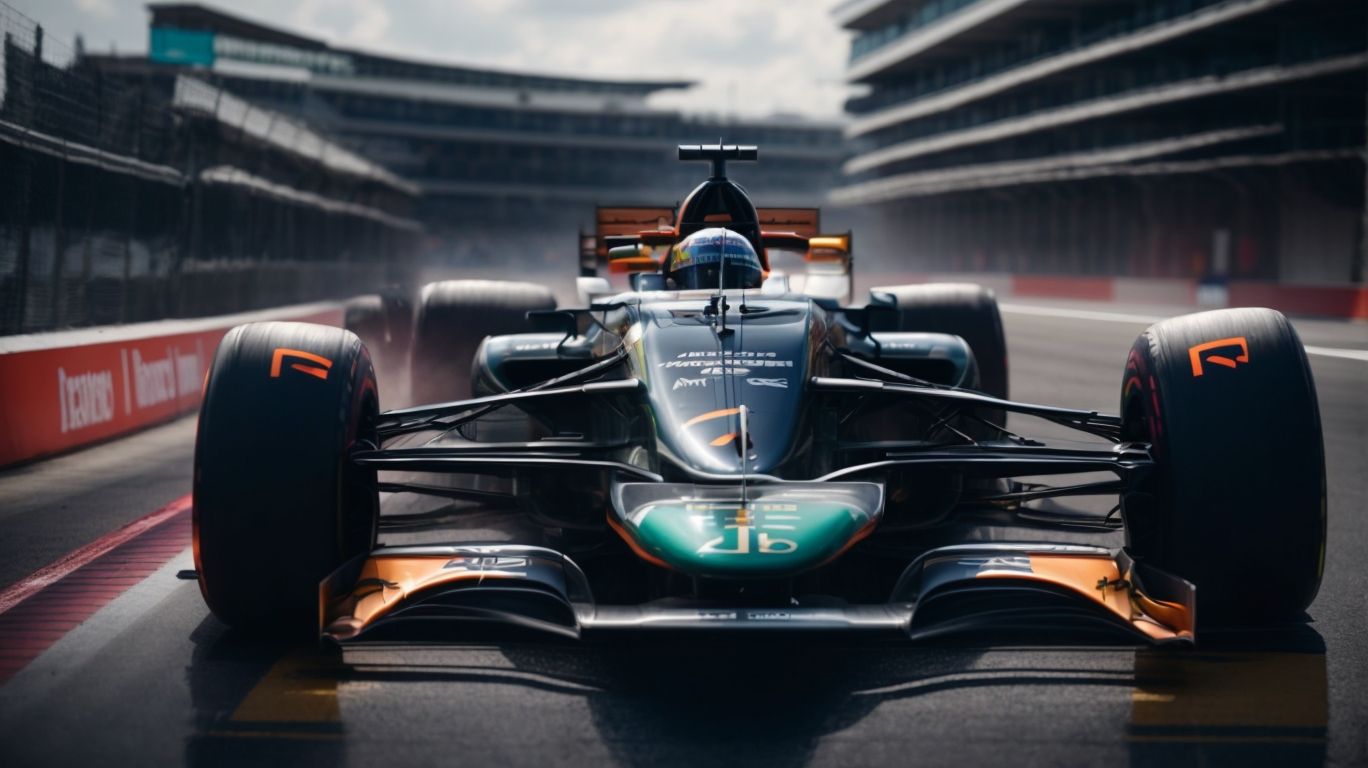
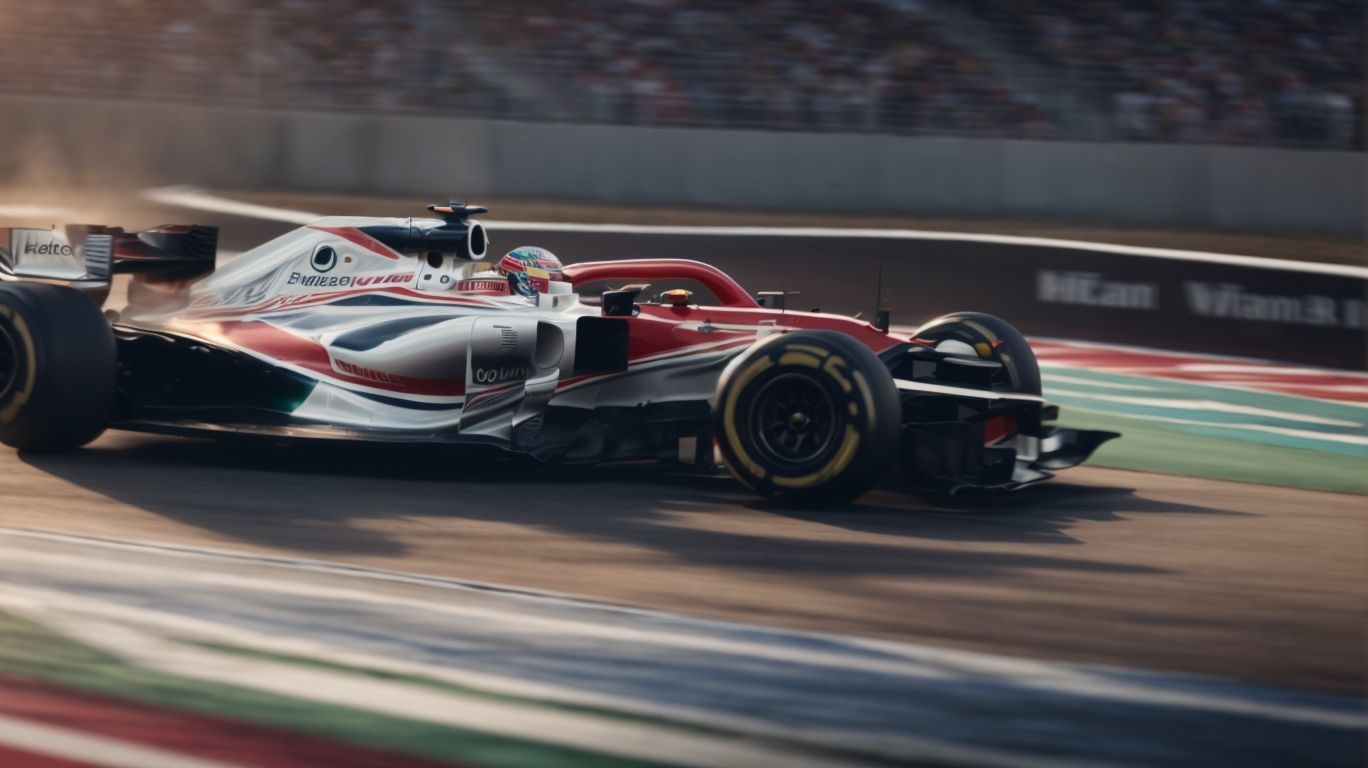
How Do F1 Drivers Take Corners?
Are you curious about the secrets behind how Formula 1 drivers navigate corners with precision and speed?
We explore the basics of cornering in F1 racing, from understanding the racing line to braking and acceleration techniques.
Delve into the factors that affect cornering, how F1 drivers prepare for corners, and the techniques they use to tackle them effectively.
Discover common mistakes to avoid and the importance of cornering in F1 racing.
Key Takeaways:
What are the Basics of Taking Corners in F1 Racing?
Understanding the basics of taking corners in F1 racing involves a complex interplay of speed, car dynamics, and driver skill to navigate corners efficiently.
One crucial aspect in cornering is identifying the apex, which is the point on the track where the car’s trajectory comes closest to the inside of the corner. This critical point determines the best line to take, optimizing the speed carried through the turn.
Effective braking before entering a corner shifts the weight of the car to the front, aiding in turning and enhancing grip levels on the tires. A driver’s ability to control weight transfer during cornering is essential for maintaining stability and maximizing traction.
Understanding the Racing Line
Mastering the racing line in F1 racing is crucial for optimizing cornering speeds and maintaining momentum throughout the track.
Understanding the ideal racing line involves navigating corners in the most efficient way possible. This means finding the perfect balance between getting as close to the inside of the corner (known as the apex point) without sacrificing speed. By taking this line, drivers minimize the distance traveled and maximize their speed out of the turn. This concept is deeply intertwined with the physics of track geometry and suspension dynamics, as the line chosen affects how forces like kinetic energy are distributed on the vehicle. Drivers must continuously adjust their trajectory based on factors like track conditions, tire grip, and weather to execute the optimal racing line on each lap.
Braking Techniques
Effective braking techniques in F1 racing involve precise control of braking points, understanding Newton’s laws, and managing weight transfer to maintain car balance.
Braking in Formula 1 is a fine art that drivers master through experience and practice. The braking points refer to specific markers on the track where drivers begin decelerating before entering a turn. These points are crucial as hitting them accurately can make a big difference in lap times.
The concept of Newton’s laws of motion comes into play as the car slows down; the force applied by the brakes must equal the force needed to decelerate the vehicle. Weight transfer is essential for achieving optimal car balance during braking. When a driver applies the brakes, the weight shifts forward, increasing grip on the front tires, allowing for more efficient turning. This transfer of weight impacts the overall stability of the car through the corner.
Acceleration Techniques
Utilizing acceleration techniques effectively in F1 racing involves maximizing throttle control, managing tire grip, and staying within the traction circle to optimize acceleration zones.
One key aspect of accelerating out of corners in F1 racing is the art of balancing throttle input to maintain traction without causing excessive wheel spin. By carefully modulating the throttle, drivers can transfer power to the wheels efficiently, exploiting the available grip for maximum acceleration.
Along with throttle control, understanding how to utilize tire grip is pivotal for achieving quick corner exits. Drivers must carefully manage the weight transfer during turns, ensuring that the tires maintain optimal contact with the track surface to generate the necessary traction for acceleration.
Staying within the traction circle, which represents the limit of available grip, is crucial. By operating within this boundary, drivers can push the limits of acceleration without exceeding the tire’s traction capabilities, hence unlocking the potential of acceleration zones for gaining precious time on the race track.
What Factors Affect Cornering in F1 Racing?
Numerous factors influence cornering performance in F1 racing, including speed, car dynamics, track conditions, and the intricacies of suspension setup.
One crucial element affecting cornering in Formula 1 is the track characteristics. Different tracks present diverse challenges, from tight hairpin bends to fast sweeping curves, demanding varying levels of grip and precision.
Suspension components such as springs and shock absorbers play a vital role in maintaining optimal contact between the tires and track surface, enhancing the car’s ability to navigate corners efficiently.
The phenomenon of oversteer and understeer significantly influences how the car responds during cornering, affecting the balance and stability of the vehicle.
Track Conditions
The track conditions play a pivotal role in cornering dynamics, affecting tire grip, suspension response, and the likelihood of experiencing oversteer or understeer.
Regarding the impact of track conditions on cornering performance in Formula 1 racing, variables such as temperature, track surface roughness, and weather conditions come into play. These factors directly influence the level of grip the tires can generate, how the suspension system behaves through the corners, and the balance of the car.
For instance, a hot track may result in softer tire compounds providing better grip, while a wet surface can significantly reduce traction, leading to more frequent instances of oversteer or understeer.
Car Set-up
The setup of an F1 car significantly affects cornering capabilities, with factors such as suspension tuning, shock absorber settings, and overall car balance playing crucial roles in performance.
Regarding optimizing cornering performance, the interaction between suspension components is paramount. The springs determine how the weight transfers during cornering, affecting the vehicle’s grip and stability, while the shock absorbers control the movement of the suspension, ensuring the tires maintain contact with the road.
Achieving the ideal car balance is essential for cornering prowess. A well-balanced car distributes weight evenly, allowing for better traction and control through corners, leading to faster lap times and improved overall performance on the track.
Driver Skill and Experience
The skill and experience of the driver are fundamental in executing precise cornering maneuvers, managing potential understeer and oversteer scenarios with expert control.
Driver expertise plays a crucial role in navigating the twists and turns of an F1 track. When facing understeer, where the front tires lose grip and the car tends to continue straight despite steering input, a skilled driver may adjust their technique by easing off the throttle and steering smoothly
to regain traction. On the other hand, when encountering oversteer, characterized by the rear end sliding out, a seasoned racer can counteract the slide by steering into it and modulating the throttle
with finesse. These maneuvers require racing proficiency and quick reflexes to make split-second decisions and maintain optimal control of the vehicle through challenging cornering situations.
How Do F1 Drivers Prepare for Corners?
F1 drivers employ a multifaceted approach to prepare for corners, involving detailed analysis of track data, simulated practice on advanced simulators, and rigorous physical and mental training regimes.
Before venturing onto the track, drivers meticulously study track data. This analysis includes understanding the layout, camber, and ideal racing lines of each corner. By dissecting this information, they can anticipate the best approach to take at varying speeds. Utilizing high-tech simulators, drivers have the opportunity to virtually tackle corners repeatedly until they have honed the perfect technique. This method allows them to experiment with different strategies, helping to adapt their driving style to each circuit’s nuances.
Being a successful driver goes beyond technical skills. Physical conditioning is paramount to withstand the extreme g-forces experienced while cornering. Drivers undergo intense training routines focusing on strength, endurance, and flexibility. Additionally, mental preparation is equally vital, as racing at high speeds demands sharp focus and quick decision-making abilities. Techniques such as visualization and reaction-time drills are commonly employed to enhance mental sharpness and keep drivers alert throughout the race.”
Analyzing Track Data
Analyzing track data is a crucial aspect of F1 drivers’ cornering preparation, as it enables them to identify optimal racing lines, apex points, and understand the physics of cornering dynamics.
By diving into the intricate details of track data analysis, drivers can fine-tune their approach to corners, adjusting their speed, trajectory, and braking points with precision. This granular level of analysis allows them to extract valuable insights on tire performance, suspension behavior, and overall car balance, ultimately enhancing their cornering efficiency. The ability to pinpoint deviations in data patterns helps drivers iteratively improve their techniques, ensuring that they adapt to changing track conditions and maintain a competitive edge over their rivals.
Practicing on Simulators
Simulator practice sessions offer F1 drivers a realistic environment to hone their cornering skills, focusing on mastering tire grip, weight transfer dynamics, and fine-tuning cornering techniques.
These high-tech simulators provide drivers with an immersive experience that replicates real track conditions, allowing them to experiment with various strategies without the risk of on-track accidents. Through simulated sessions, drivers can analyze their braking points, entry speeds, and exit trajectories for different corners, enabling them to adapt and optimize their racing lines for maximum efficiency. Simulators help drivers understand the impact of aerodynamics, vehicle settings, and driving styles on cornering performance, facilitating continuous improvement in their racing skills.
Physical and Mental Training
Physical and mental training are vital components of F1 drivers’ cornering preparations, focusing on enhancing grip strength, mental focus, and achieving optimal physical balance for cornering challenges.
Peak physical fitness is crucial in ensuring that drivers have the strength and endurance needed to handle the tremendous G-forces experienced during high-speed cornering maneuvers. Mental acuity plays a significant role in processing split-second decisions and maintaining concentration throughout the race. By honing their mental resilience, drivers can stay calm under pressure and execute precise corner entry and exit strategies. Achieving the perfect balance between physical and mental conditioning not only enhances a driver’s performance but also reduces the risk of fatigue-induced errors on the track.
What Techniques Do F1 Drivers Use to Take Corners?
F1 drivers employ a repertoire of advanced techniques to navigate corners efficiently, including trail braking, late apexing, and strategic corner cutting to optimize racing lines and minimize lap times.
Trail braking is a skillful method where the driver maintains braking force while turning into a corner, allowing them to carry more speed through the initial phase. Late apexing involves delaying the turn-in point to hit the apex later, enabling earlier acceleration out of the corner. Tactical corner cutting is a daring strategy used to reduce the distance traveled around a corner, effectively shortening lap times.
Trail Braking
Trail braking is a key technique employed by F1 drivers to maintain balance and control during corner entry, allowing for late braking while smoothly transferring weight to achieve optimal cornering speeds.
When executing trail braking, the driver extends the braking phase deeper into the corner, gradually releasing pressure on the brake pedal while simultaneously initiating the steering input. This method helps to preload the front tires, improving grip and responsiveness. By carefully managing brake pressure, throttle input, and steering angle, drivers can delicately balance the car’s weight distribution, ensuring stability and preventing understeer or oversteer.
Late Apexing
Late apexing is a strategic cornering technique where F1 drivers delay their turn-in point to maximize acceleration zones and exit speeds, allowing for optimal performance on corner exits.
This technique involves hugging the inside of the corner later than traditional apexing, which shifts the focus towards the latter part of the turn to carry more speed onto the straight. By delaying the apex, drivers benefit from a wider angle and a more direct line towards the exit, which lets them accelerate earlier and harder. This method not only assists in maintaining higher speeds but also aids in shortening the overall corner radius, allowing for precise trajectory control.
Corner Cutting
Corner cutting involves strategic deviations from traditional racing lines to maximize traction circle utilization and exploit acceleration zones for quicker lap times, requiring precise execution from the drivers.
By taking a corner cutting approach, F1 drivers are able to shave off valuable fractions of a second by carefully edging their cars closer to track edges while maintaining control and speed. This technique requires a deep understanding of both the track layout and the dynamics of the car, as drivers navigate the fine line between pushing the limits and risking losing control. By harnessing these corner cutting techniques effectively, drivers can find the optimal race line that offers the fastest route through each turn, ultimately leading to improved overall performance on the track.
What Are Some Common Mistakes F1 Drivers Make While Taking Corners?
F1 drivers encounter various pitfalls while cornering, with common mistakes including oversteering, understeering, and misjudging braking points by braking either too early or too late.
Oversteering occurs when a driver turns the steering wheel too much for a given speed, causing the rear wheels to lose traction, leading to the car’s rear sliding outwards.
On the other hand, understeering happens when the front wheels lose grip, making it challenging to steer the car through a corner as intended.
Misjudging braking points can be detrimental, as braking too early can result in losing crucial time, while braking too late can lead to running wide or lock-ups, affecting the overall speed and stability of the car.
Oversteering
Oversteering is a prevalent mistake among F1 drivers during cornering, leading to imbalanced handling, compromised grip levels, and potential loss of control in high-speed scenarios.
When a driver oversteers, the rear tires lose traction and slide towards the outside of the turn, causing the car to rotate more than intended. This shifts the weight balance towards the rear wheels, reducing the effectiveness of the front tires in steering the car. As a result, the driver may struggle to maintain the desired racing line, affecting the overall pace and efficiency of cornering.
Oversteering can destabilize the car’s aerodynamics, leading to a loss of grip and downforce, two critical components for maintaining control and speed through corners. Drivers need to delicately manage the throttle and steering inputs to prevent oversteer, as excessive or abrupt movements can exacerbate the situation, potentially resulting in a spin or crash.
Understeering
Understeering poses a significant challenge for F1 drivers, resulting in reduced grip, compromised weight transfer, and difficulties in cornering optimization, impacting overall lap performance.
When a car understeers, the front tires lose grip, making it harder to turn as sharply as needed in a corner. This not only affects the handling of the car but also disrupts the weight distribution, leading to an imbalance that hampers the driver’s ability to navigate smoothly around the track. Drivers have to delicately manage throttle and steering inputs to compensate for this lack of responsiveness, striking a balance between maintaining speed and preventing a loss of control.
Braking Too Early or Too Late
Misjudging braking points can lead F1 drivers to brake either too early or too late, disturbing the balance of the car, compromising corner entry speeds, and impacting overall racing performance.
Braking too early might result in losing valuable time on straights, as it forces the driver to carry less speed into the corner. This not only affects the lap time but also allows competitors to gain an advantage. On the other hand, braking too late can lead to locking up the wheels, causing the car to slide or run wide, further compromising the racing line and speed. This can prove costly in terms of track position and potentially invite collisions with other cars.
The balance of the car is crucial for optimal performance. A mistimed brake application can unsettle the car, making it harder to negotiate turns smoothly and efficiently. As a result, excessive corrections and adjustments may be needed to regain control, consuming valuable time and sacrificing speed. This can have a cascading effect on subsequent corners, disrupting the flow of the race and hindering the driver’s ability to maintain a consistent pace.
Conclusion: The Importance of Cornering in F1 Racing
Cornering stands as a critical aspect of F1 racing, where mastering the art of optimal cornering techniques, including precise apexing, balance maintenance, and strategic acceleration, can make a substantial difference in race outcomes.
Effective cornering allows drivers to navigate circuits swiftly and efficiently, ensuring that they not only maintain high speeds but also outmaneuver opponents on tight corners. By finding the perfect balance through corners, drivers can maximize their acceleration zones, gaining crucial time advantages over competitors. The mastery of cornering techniques involves a deep understanding of the car’s dynamics, tire grip, and aerodynamics, all of which contribute to achieving the fastest possible lap times. The ability to corner with precision and control is what can truly separate the best F1 drivers from the rest of the pack.
Frequently Asked Questions
How Do F1 Drivers Take Corners?
F1 drivers take corners at high speeds using specialized driving techniques and specific features of their race cars.
What is the key to successfully taking corners in F1?
The key to successfully taking corners in F1 is finding the perfect balance between speed and control.
Do different types of corners require different approaches?
Yes, different types of corners, such as hairpins, chicanes, and high-speed curves, require different approaches and techniques from F1 drivers.
What techniques do F1 drivers use to take corners?
F1 drivers use various techniques, including braking, throttle control, weight shifting, and tire management, to take corners at high speeds.
How important is the aerodynamics of an F1 car when taking corners?
The aerodynamics of an F1 car play a crucial role in taking corners. The downforce generated by the car’s aerodynamic design helps keep the car stable and allows for faster cornering speeds.
Can weather conditions affect how F1 drivers take corners?
Yes, weather conditions, such as rain, wind, and temperature, can greatly impact how F1 drivers approach and take corners, as it affects the grip and handling of their cars.