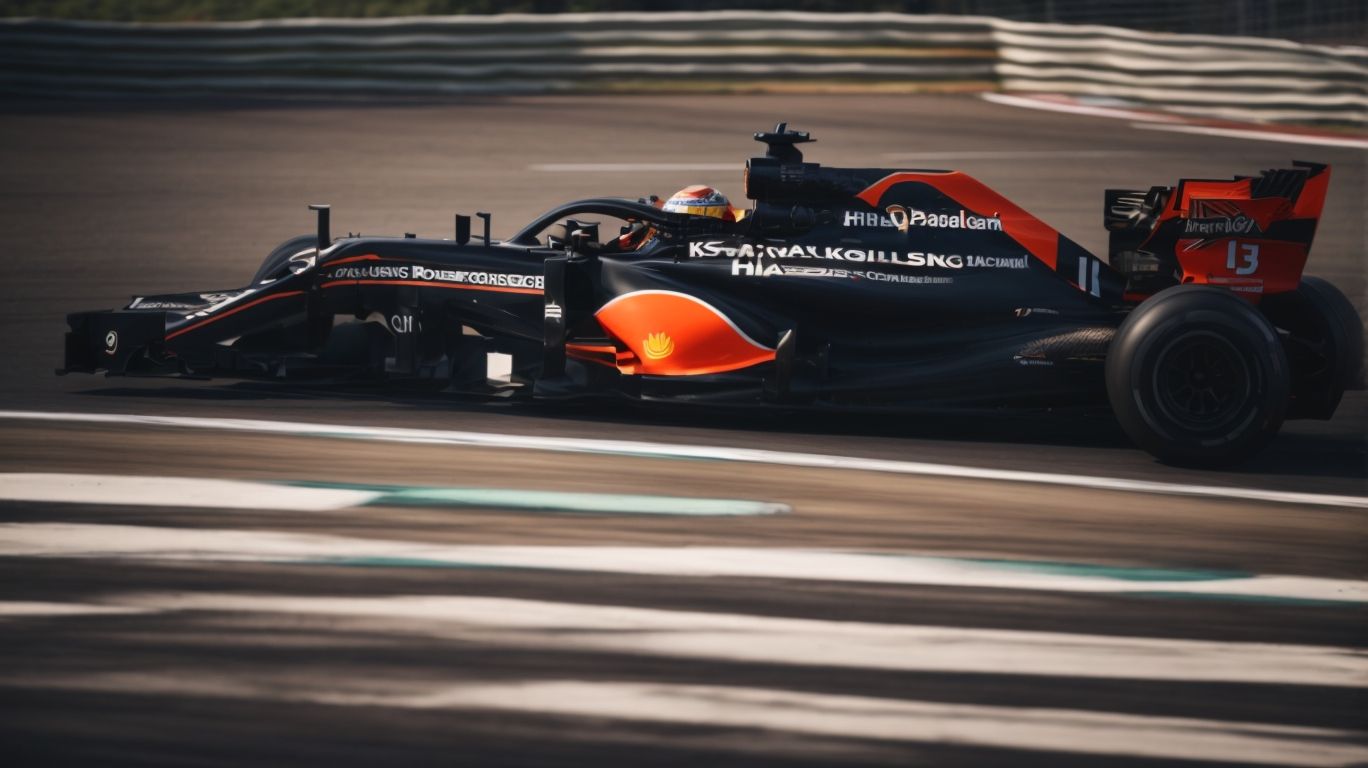

Do F1 Drivers Drink Energy Drinks?
Ever wondered how F1 racing drivers stay energized and hydrated during intense races?
We will explore the physical demands of F1 racing and how energy drinks play a role in keeping drivers at their peak performance.
From discussing the ingredients and effects of energy drinks to exploring alternative methods for hydration, we will uncover the benefits and risks of consuming energy drinks in the world of F1 racing.
Join us as we dive into the fascinating world of F1 driver nutrition and performance.
Key Takeaways:
What are the Physical Demands of F1 Racing?
Participating in Formula 1 Racing places immense physical demands on drivers, requiring peak fitness and mental acuity to navigate high-speed corners and withstand the G-forces experienced during races.
Formula 1 Racing drivers must undergo rigorous training regimens to build strength and endurance necessary to endure prolonged periods of intense concentration behind the wheel. From neck muscles to core stability, every aspect of their physical fitness is crucial to handling the aerodynamic forces and vibrations that accompany high-speed racing.
Maintaining mental focus is equally paramount, as drivers need to make split-second decisions while processing vast amounts of information transmitted through telemetry systems and race strategy discussions with their team. The mental resilience to cope with adrenaline spikes, fatigue, and the intense pressure of competition is a constant challenge in the demanding world of F1 Racing.
How Does F1 Racing Affect the Body?
The rigorous nature of F1 Racing exerts significant stress on the body, impacting drivers’ endurance, cardiovascular system, and musculoskeletal strength.
F1 Racing is often described as one of the most physically demanding sports, requiring drivers to endure intense G-forces and extreme acceleration and deceleration forces. These factors place immense strain on the body, especially the neck and core muscles which are constantly working to support the driver’s head and maintain stability during high-speed cornering.
The cardiovascular system is put to the test as drivers experience rapid changes in heart rate and blood pressure throughout a race, leading to increased demands on cardiovascular fitness and endurance. To withstand these demands, drivers often undergo specialized training programs focusing on aerobic conditioning and interval training to elevate their overall cardiovascular performance.
What are Energy Drinks?
Energy drinks are beverages containing stimulant compounds, such as caffeine and taurine, designed to provide a quick boost of energy and mental alertness.
These beverages often also contain other ingredients like B-vitamins, amino acids, and herbal extracts, aimed at enhancing performance and improving concentration. Caffeine, being a central nervous system stimulant, can increase alertness and reduce fatigue, while taurine, an amino acid, is believed to have a similar stimulating effect on the brain.
Consuming energy drinks can result in a temporary increase in energy levels and mental focus due to the combined effects of these ingredients. It’s crucial to moderate intake as excessive consumption may lead to negative side effects like restlessness, insomnia, and increased heart rate.
What are the Ingredients in Energy Drinks?
Energy drinks typically contain ingredients such as caffeine, taurine, B-vitamins, and sugar, which work together to provide a temporary increase in alertness and physical energy.
Caffeine is a central nervous system stimulant that helps in increasing alertness and reducing fatigue by blocking adenosine, a neurotransmitter responsible for promoting sleep.
Taurine, an amino acid, supports neurological development and regulates minerals in the body, contributing to overall energy levels.
B-vitamins play a crucial role in converting food into energy, with vitamin B12 being essential for red blood cell formation.
Sugar, while offering a quick energy boost, can also lead to a crash post-consumption due to fluctuating blood sugar levels.
How Do Energy Drinks Work?
Energy drinks function by leveraging stimulant compounds like caffeine and taurine to stimulate the central nervous system, increasing alertness, focus, and perceived energy levels.
When consumed, caffeine acts as an adenosine receptor antagonist, blocking the inhibitory neurotransmitter adenosine, thereby preventing drowsiness and promoting wakefulness. This results in heightened attention and improved cognitive performance.
On the other hand, taurine, an amino acid with antioxidant properties, works synergistically with caffeine to enhance muscular function and support overall physical endurance.
These two key ingredients trigger the release of neurotransmitters such as dopamine and norepinephrine in the brain, amplifying both mental acuity and physical stamina. The combination of these effects creates a temporary boost in energy levels, making energy drinks a popular choice for individuals seeking a quick pick-me-up during demanding tasks or workout sessions.
Do F1 Drivers Consume Energy Drinks?
Many F1 drivers incorporate energy drinks into their diet and race-day routine to help maintain focus, alertness, and energy levels during demanding races.
These high-performance athletes rely on energy drinks due to the stimulating properties of ingredients like caffeine and taurine, which can help sharpen reaction times and improve overall cognitive function.
In the fast-paced world of Formula 1 racing, where split-second decisions can determine the outcome of a race, staying mentally sharp is crucial.
The physical demands of maneuvering powerful cars at high speeds for extended periods necessitate sustained endurance and peak concentration levels, making energy drinks a popular choice among drivers.
What are the Benefits of Energy Drinks for F1 Drivers?
Energy drinks offer F1 drivers benefits such as improved focus, heightened alertness, and a temporary boost in energy levels, aiding performance during intense races.
These beverages provide a quick and convenient solution for drivers needing to maintain peak mental and physical sharpness on the track. The carefully crafted formulations of energy drinks often contain ingredients like caffeine, taurine, and B-vitamins, known to enhance cognitive function and combat fatigue effectively.
- This potent combination of stimulants can help drivers stay more alert throughout long races, ensuring they can react swiftly to sudden changes on the circuit.
- The energy spike from these drinks can give drivers the competitive edge they need to push their limits during crucial moments in a race.
What are the Risks of Consuming Energy Drinks for F1 Drivers?
Despite their benefits, consuming energy drinks can pose risks for F1 drivers, including potential health issues, overstimulation, and negative impacts on performance if consumed in excess.
Energy drinks often contain high levels of caffeine and sugar, which can lead to increased heart rate, elevated blood pressure, and disrupted sleep patterns – all crucial factors for F1 drivers who need sharp focus and quick reflexes on the track.
In addition, excessive consumption of energy drinks can also result in dehydration, which can impair cognitive function and physical performance, further jeopardizing the safety and precision required in Formula 1 races.
Are Energy Drinks Allowed in F1 Racing?
Energy drinks are permitted in F1 Racing, but their consumption is subject to regulations and guidelines to ensure fair competition and the safety of drivers.
In Formula 1, the governing body, FIA (Federation Internationale de l’Automobile), oversees the rules regarding energy drink usage. These regulations dictate the approved brands, maximum caffeine content, and even the timing of consumption during race weekends. Strict monitoring is in place to prevent any performance-enhancing effects from the drinks, aligning with the sport’s commitment to fairness. Drivers are required to declare their intake to the medical team to uphold safety standards and avoid potential health issues during high-stress races.
What are the Regulations for Energy Drink Consumption in F1 Racing?
The consumption of energy drinks in F1 Racing is governed by specific regulations that outline when and how drivers can use these beverages, ensuring adherence to fair play and safety standards.
“
Drivers are permitted to consume energy drinks during races, but within strict guidelines. The FIA, the governing body of F1 Racing, has set limits on the types of energy drinks allowed, ensuring they comply with safety regulations.
Driver must inform their teams of any energy drink consumption before races, and excessive consumption is strictly prohibited. These regulations aim to prevent any unfair advantages or health risks associated with energy drink consumption during high-speed racing situations.
- There are designated areas within the pit stops where drivers can access their energy drinks, ensuring no distractions or safety hazards during on-track racing.
- The amount of caffeine and other stimulants in the energy drinks is closely monitored to prevent any adverse effects on the drivers’ performance and health.
These measures are in place to maintain the integrity and safety of F1 Racing while still allowing drivers to benefit from the performance-enhancing effects of energy drinks.
Alternative Methods for F1 Drivers to Stay Hydrated and Energized
Apart from energy drinks, F1 drivers can utilize alternative methods to stay hydrated and energized, such as consuming water, sports drinks, and natural energy sources to maintain performance levels during races.
Water is essential for keeping the body properly hydrated, aiding in overall performance and focus. Sports drinks, on the other hand, provide a quick boost of electrolytes and carbohydrates to replenish energy levels during intense races. Natural sources like fruits, nuts, and seeds can offer sustainable energy and essential nutrients required by drivers for endurance and mental clarity on the track.
What are the Benefits of Water for F1 Drivers?
Water offers F1 drivers essential hydration, aiding in regulating body temperature, supporting cognitive function, and maintaining overall performance levels during demanding races.
Proper hydration through adequate water intake allows F1 drivers to combat the intense physical demands of racing, helping prevent dehydration and muscle cramps that can detract from their performance. Staying well-hydrated promotes mental clarity and focus, crucial for quick decision-making on the track. Hydration also plays a significant role in preventing overheating, particularly in the high-stress, high-temperature environments of Formula 1 circuits. By drinking enough water, drivers can optimize their physical and mental capabilities, giving them a competitive edge in the race.
What are the Benefits of Sports Drinks for F1 Drivers?
Sports drinks provide F1 drivers with benefits such as replenishing electrolytes, restoring energy levels, and optimizing hydration, contributing to improved performance and endurance during races.
Sports drinks are specifically formulated with a mix of carbohydrates, electrolytes, and fluids that are easily absorbed by the body, ensuring rapid replenishment of essential nutrients lost through sweat and exertion.
These drinks play a crucial role in maintaining fluid balance, preventing dehydration, and sustaining energy levels, which are vital for drivers to stay focused and perform at their peak throughout the intense and physically demanding races.
The convenience and fast absorption of sports drinks make them a practical choice for F1 drivers during races, allowing for quick hydration without causing digestive discomfort or interruptions to their performance on the track.
What are the Benefits of Natural Energy Sources for F1 Drivers?
Natural energy sources offer F1 drivers sustainable performance benefits through nutrient-rich options like fruits, nuts, and seeds, providing essential nutrients and sustained energy during races.
These natural energy sources serve as a powerhouse of vitamins, minerals, and antioxidants, contributing to improved focus, stamina, and overall well-being for drivers on the track. The combination of carbohydrates, healthy fats, and protein found in these foods ensures a balanced energy release, sustaining endurance throughout long races. The high fiber content helps in regulating digestion and absorption of nutrients, preventing energy spikes and crashes frequently associated with processed foods. Incorporating a variety of fruits, nuts, and seeds into their diets allows F1 drivers to optimize their performance, withstand physical demands, and enhance recovery post-race.
Frequently Asked Questions
Do F1 drivers drink energy drinks?
Yes, many F1 drivers do drink energy drinks for increased alertness and focus during races.
Are energy drinks allowed in F1?
Yes, energy drinks are not prohibited in F1 races as long as they comply with the FIA’s strict rules and regulations.
Do F1 drivers drink energy drinks during races?
It is not common for F1 drivers to drink energy drinks during races as they are not allowed to consume anything other than water or sports drinks.
Which energy drinks do F1 drivers prefer?
Each driver may have their own preference, but some popular energy drinks among F1 drivers include Red Bull, Monster, and Gatorade.
How do energy drinks affect F1 drivers’ performance?
Energy drinks can help F1 drivers stay alert and focused during long and physically demanding races, but excessive consumption may cause side effects such as dehydration or jitters.
Are energy drinks necessary for F1 drivers?
No, energy drinks are not a necessary part of an F1 driver’s diet. Proper nutrition and hydration play a more significant role in their performance on the track.