Do F1 Drivers Change Helmets Every Race?
Formula One racing is a thrilling and high-speed sport that captivates audiences around the world. One crucial aspect of F1 racing is the use of helmets to ensure the safety of drivers. But have you ever wondered why F1 drivers wear helmets and if they change them every race? In this article, we will explore the importance of helmets in F1 racing, the safety regulations surrounding them, and the reasons why some drivers opt to change their helmets frequently. Let’s dive into the world of F1 helmets and discover the intricate process of designing these essential pieces of equipment.
Key Takeaways:
What is Formula One Racing?
Formula One Racing, commonly known as F1, is the pinnacle of motorsport racing, featuring the world’s best drivers competing across a thrilling season of races.
With a colossal fan base spanning across all corners of the globe, Formula One Racing has become synonymous with high-octane excitement and precision engineering. The competitive nature of the sport pushes drivers to their limits, demanding exceptional skill, physical fitness, and mental agility. Each season, iconic tracks like Monaco, Spa-Francorchamps, and Silverstone host races that captivate audiences worldwide.
The sport not only showcases cutting-edge technology and innovation but also celebrates the charismatic and daring personalities of F1 drivers. These athletes possess a rare combination of speed, strategy, and fearlessness, making every race a spectacle of talent and determination. As the annual season unfolds, fans eagerly anticipate thrilling battles, unexpected twists, and championship glory.
How Many Races are in a Formula One Season?
A Formula One season typically consists of around 20 to 23 races, spread across different countries and continents, as per the annual F1 calendar.
Each race in the F1 calendar provides a unique challenge, as the tracks vary in layout, surface, and climate. From iconic street circuits like Monaco to fast-paced tracks like Monza, drivers face a range of obstacles throughout the season.
The diversity of race locations showcases the global appeal of Formula One, with events held in Europe, Asia, the Americas, and the Middle East. This variety not only tests the skills of the drivers in different conditions but also adds excitement for fans worldwide.
The extensive travel schedule can be taxing for both teams and drivers, with back-to-back races in different time zones requiring meticulous planning and adaptability. The sport’s demanding calendar necessitates efficient logistics to ensure smooth operations across continents.
Importance of Helmets in F1 Racing
The importance of helmets in Formula One racing cannot be overstated, with safety being a top priority for drivers like Sebastian Vettel, Michael Schumacher, and Ayrton Senna.
Why Do F1 Drivers Wear Helmets?
F1 drivers wear helmets to comply with strict safety regulations that aim to protect them from potential head injuries during races.
Helmet safety in Formula One racing is of paramount importance.
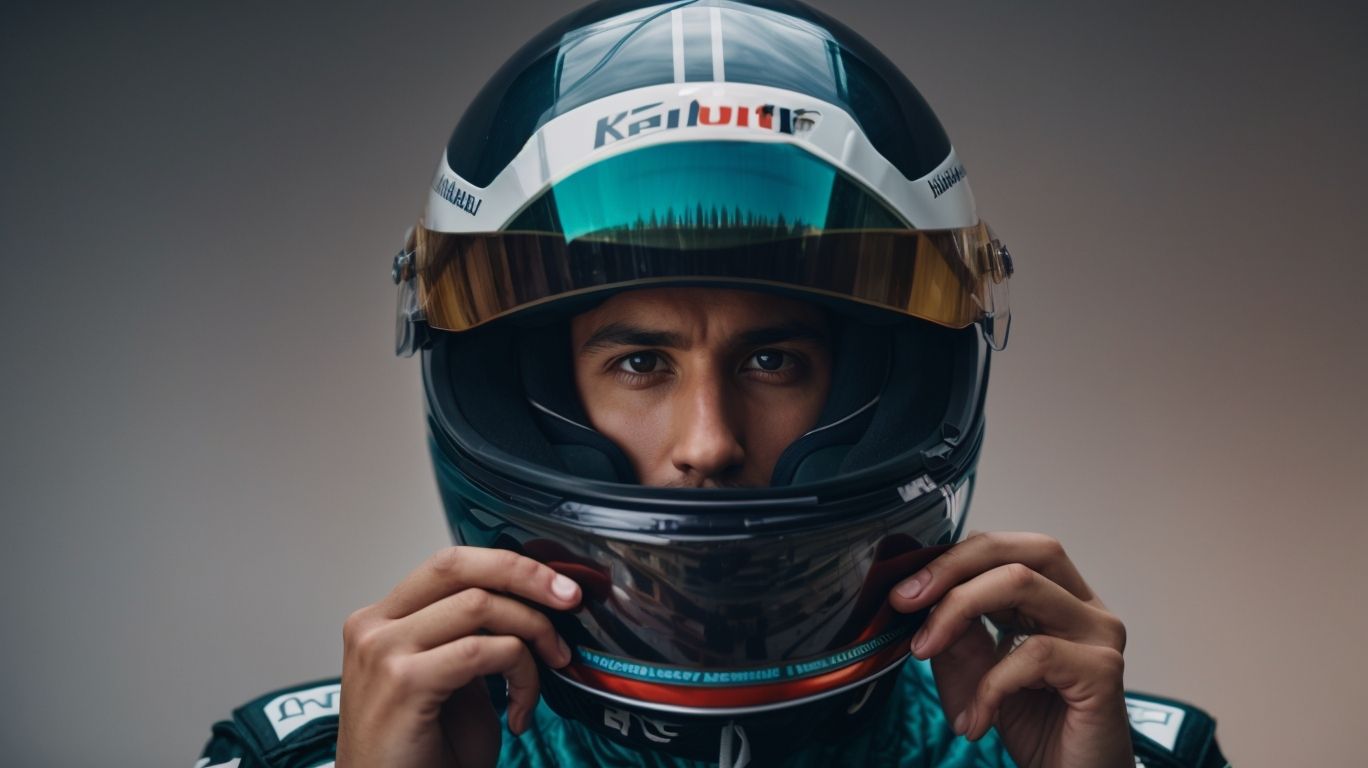
The helmets used in F1 are not ordinary headgear; they are sophisticated pieces of equipment designed to provide maximum protection while also ensuring optimal visibility and comfort for the driver.
The design and construction of F1 helmets must adhere to stringent safety standards set by the FIA (Fédération Internationale de l’Automobile), the governing body of Formula One racing. These standards dictate the materials, durability, and impact resistance requirements that helmets must meet to be approved for use.
What Are the Safety Regulations for F1 Helmets?
The safety regulations for F1 helmets are stringent, encompassing specific rules regarding helmet construction, materials, and mandatory testing procedures.
These regulations are defined by the FIA to ensure the highest level of safety for drivers in Formula 1 races. Helmets must meet standards set by organizations such as the Snell Foundation or the British Standards Institution (BSI). Testing protocols include impact testing, penetration resistance, shell construction integrity, and visor specifications.
Helmets are subjected to rigorous testing to ensure they can withstand the extreme forces and impacts experienced during high-speed crashes. The materials used must meet strict guidelines to provide optimal protection while also being lightweight and comfortable for the driver.
Do F1 Drivers Change Helmets Every Race?
In Formula One, drivers have the freedom to change their helmets for each race, allowing for unique designs and personal expressions on the track, as seen with George Russell and Antonio Giovinazzi.
Why Do Some F1 Drivers Change Helmets Every Race?
Some F1 drivers change helmets every race to showcase special designs, express creativity, and create eye-catching visuals that resonate with fans and the audience.
These unique helmet designs serve as a powerful branding tool for both the drivers and their sponsors, allowing them to stand out in a fiercely competitive field. Helmet designs often incorporate personal elements, such as national flags, family initials, or symbols that hold sentimental value. This personal touch helps drivers forge a deeper connection with their gear, instilling a sense of identity and pride during high-pressure races.
The act of changing helmets frequently not only keeps the audience engaged and excited for new unveilings but also reflects the dynamic and evolving nature of the sport.
Fans often eagerly anticipate the reveal of a driver’s latest helmet design, fostering a sense of anticipation and community within the F1 fanbase.
Drivers view their helmets not just as protective gear but as a canvas for self-expression, a way to communicate their personality, values, and stories to the world.
What Are the Reasons for Not Changing Helmets Every Race?
Some F1 drivers choose not to change helmets every race due to factors like cost considerations, logistical challenges, and the need to comply with certain sponsorship agreements or safety protocols.
For many drivers, their helmet design is not just a piece of gear; it’s a symbol of their identity and brand. By maintaining a consistent helmet design, drivers strive to establish recognition among fans and build a strong personal brand. Sticking to the same helmet design reinforces their association with sponsors, ensuring continued financial support. From a safety standpoint, familiarity with a specific helmet design can aid quick identification in case of emergencies during races, streamlining medical response protocols.
How Often Do F1 Drivers Change Helmets?
The frequency of helmet changes varies among F1 drivers, with some like Sebastian Vettel and Fernando Alonso opting for occasional updates to their helmet designs, while others prefer consistency.
What Factors Influence the Frequency of Helmet Changes?
The frequency of helmet changes in F1 is influenced by factors such as sponsorship agreements, safety advancements, personal preferences, and the level of protection the helmet provides to the driver.
When looking at safety considerations, stringent regulations set by the FIA play a significant role. These regulations ensure that the helmets worn by drivers meet high standards of protection, effectively minimizing the risks associated with high-speed crashes.
On the other hand, sponsorship deals often dictate the visual design of the helmet, with sponsors keen on maximizing exposure and brand visibility during races.
The evolution of helmet technologies constantly introduces new features and materials that enhance both safety and performance, prompting drivers to consider updating their helmets more frequently to stay at the cutting edge of protective innovation.
What is the Average Lifespan of an F1 Helmet?
The average lifespan of an F1 helmet depends on factors like wear and tear, compliance with safety standards, and the results of mandatory helmet testing conducted by regulatory bodies.
Formula 1 helmets are engineered to withstand extreme conditions and high-speed impacts, but their longevity is closely linked to how they are treated and maintained. Regular inspection and maintenance are vital to ensure that the helmet’s protective capabilities remain intact over time.
The materials used in the construction of F1 helmets play a crucial role in determining their durability. Advanced composite materials like carbon fiber are commonly employed due to their lightweight nature and high strength-to-weight ratio, enhancing both protection and comfort for drivers.
Rigorous testing protocols are implemented to evaluate the structural integrity and impact resistance of F1 helmets. These tests simulate various crash scenarios to assess how well the helmet can safeguard against potential injuries, providing critical data for manufacturers to improve helmet design and safety features.
The Process of Designing an F1 Helmet
The process of designing an F1 helmet involves meticulous planning, collaboration with designers, consideration of aerodynamics, and the integration of personal elements that reflect the driver’s identity and style on the track.
Who Designs F1 Helmets?
F1 helmets are often designed in collaboration with professional helmet artists and designers, with drivers like Charles Leclerc and Lando Norris working closely to create unique and striking helmet designs.
These talented designers play a crucial role in translating the driver’s personality and preferences into visually stunning masterpieces that not only protect but also showcase individuality on the track. The partnerships between drivers and designers are often deeply collaborative, with drivers providing insights into their personal stories, national flags, team colors, and symbols that resonate with them. This collaborative process ensures that the helmets not only meet safety standards but also stand out as works of art, making them instantly recognizable on the grid. Some noteworthy examples include Lewis Hamilton’s colorful and meaningful designs, Sebastian Vettel’s iconic and expressive patterns, and Daniel Ricciardo’s imaginative and vibrant creations.
What Are the Steps Involved in Designing an F1 Helmet?
The steps in designing an F1 helmet include initial concept sketches, 3D modeling, color selection, aerodynamic testing, and coordination with racing shoes and gloves to ensure a cohesive look for the driver.
Once the initial concept sketches are approved, the design moves into the intricate world of 3D modeling, where every curve and angle is meticulously crafted for optimal aerodynamics and safety. The color selection phase is not just about aesthetics; it also plays a crucial role in enhancing visibility on the track.
After the design is finalized, extensive aerodynamic testing is conducted to ensure that the helmet not only looks sleek but also minimizes drag and maximizes airflow. This stage is vital to enhancing the overall performance of the driver. The coordination with racing shoes and gloves is essential to create a unified visual impact that reflects the driver’s style and team branding.
How Long Does it Take to Design an F1 Helmet?
The time required to design an F1 helmet can vary depending on the complexity of the design, safety protocol adherence, and the collaboration process between the driver, designers, and regulatory bodies like FIA.
From conceptualization to the final product, the helmet creation journey encompasses meticulous stages. Initially, the driver’s input directs the design intent, followed by designers transforming ideas into digital models. These models undergo rigorous simulations and testing to ensure compliance with safety standards set by governing bodies like FIA. Materials like Nomex are chosen for their fire-resistant properties, enhancing driver safety. Crafting a balance between aerodynamics, visibility, and protection is crucial. The creative flair of each design is intertwined with the necessity for structural integrity and impact absorption capabilities, showcasing the harmonious fusion of creativity and functionality in F1 helmet design.
Frequently Asked Questions
Do F1 Drivers Change Helmets Every Race?
Yes, F1 drivers typically change their helmets every race to reflect the theme of the race or to showcase a new design.
Why do F1 drivers change their helmets every race?
Changing helmets every race allows drivers to showcase different designs and sponsors, as well as to keep their helmets fresh and clean for safety reasons.
How long does it take to design and create a new helmet for an F1 driver?
The process of designing and creating a new helmet for an F1 driver can take anywhere from a few weeks to a few months, depending on the complexity of the design and the availability of the helmet manufacturer.
Do F1 drivers have a say in the design of their helmets?
Yes, most F1 drivers work closely with their helmet designers to come up with a personalized design that reflects their personality and brand.
Are there any restrictions on helmet designs for F1 drivers?
Yes, F1 has strict rules and regulations regarding helmet designs, including size, materials, and placement of sponsors’ logos. Drivers must also ensure that their helmets meet safety standards set by the FIA.
Do F1 drivers keep their old helmets as souvenirs?
Yes, many F1 drivers keep their old helmets as mementos or donate them to charity auctions. However, they are not allowed to wear them during races as they must always use a current, approved helmet for safety purposes.