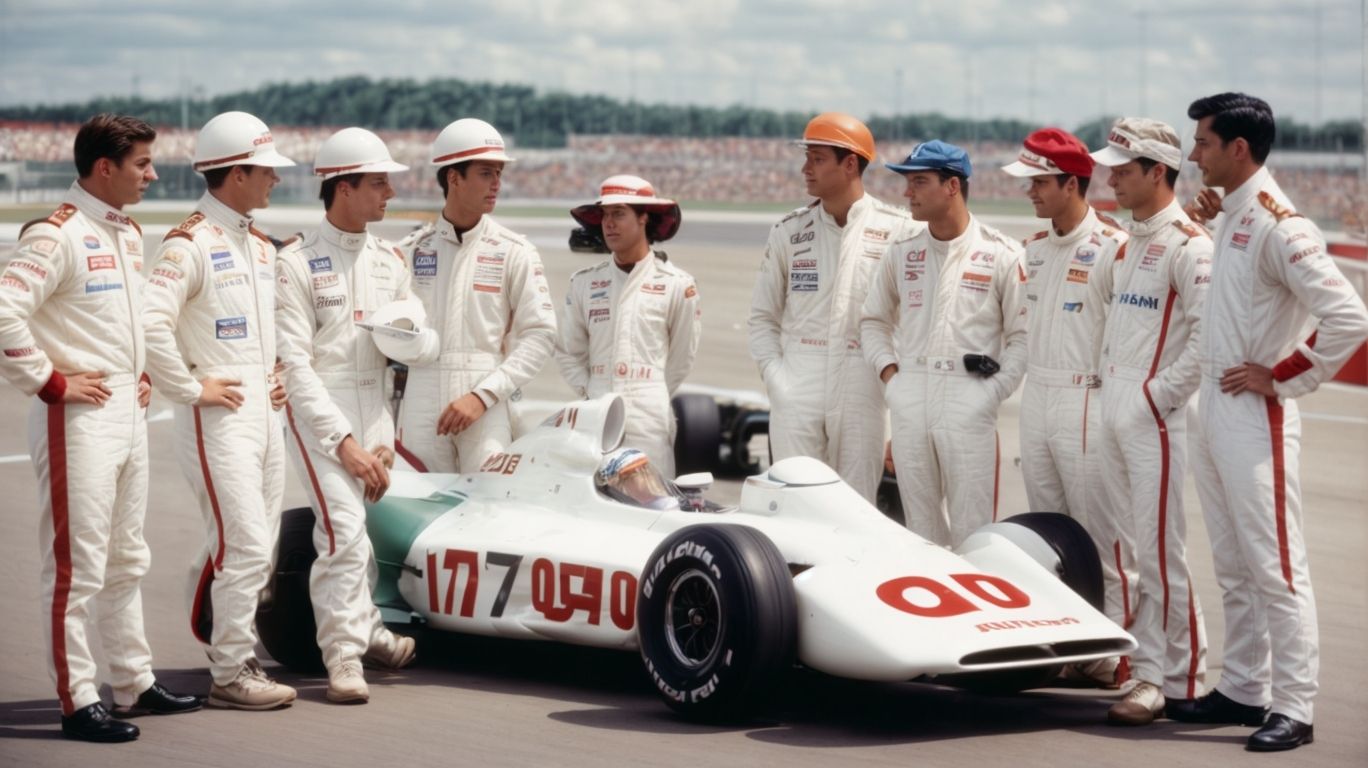
Do F1 Engineers Travel With the Team?
Are you curious about the world of Formula 1 Racing and the role of F1 Engineers?
Wondering about the travel schedule for an F1 team and how it impacts team dynamics?
In this article, we will explore the fascinating world of F1 Engineers, their role within the team, the challenges and benefits of traveling with the F1 team, and what happens when an engineer cannot travel.
Let’s dive into the fast-paced and high-stakes world of Formula 1 engineering!
Key Takeaways:
What is Formula 1 Racing?
Formula 1 Racing is a premier international auto racing competition featuring the world’s most advanced cars and talented drivers from renowned teams like Alpine, Williams, and McLaren.
Known for its elite status in the world of motorsport, Formula 1 attracts millions of fans globally due to the adrenaline-pumping races that unfold on iconic circuits. The F1 cars are marvels of engineering, with cutting-edge technology and aerodynamics that push the boundaries of speed and performance. Teams like Alpine, Williams, and McLaren have a rich history in the sport, each bringing its unique expertise and competitive spirit to the grid, making every race a thrilling spectacle for viewers worldwide.
Who are F1 Engineers?
F1 Engineers are crucial members of F1 teams responsible for ensuring the optimal performance of the cars both on and off the track through a blend of technical expertise and innovation.
These professionals play a pivotal role in the development of cutting-edge Formula 1 cars by conducting thorough research, design, and testing to maximize speed, aerodynamics, and efficiency. F1 Engineers collaborate closely with aerodynamicists, vehicle dynamics experts, and data analysts to fine-tune every aspect of the car’s performance.
These engineers provide vital trackside support during race weekends, monitoring car performance, analyzing data in real-time, and making crucial adjustments to optimize the car’s setup for each circuit. Their rapid problem-solving skills and in-depth technical knowledge are instrumental in enhancing the car’s performance.
What is the Role of an F1 Engineer?
The Role of an F1 Engineer encompasses a wide array of responsibilities, including vehicle design and development, race strategy formulation, and providing real-time technical support trackside for the team during races.
An F1 Engineer plays a crucial role in the initial stages of car design, collaborating closely with aerodynamicists and mechanical design teams to ensure optimal performance on the track. They are also involved in analyzing vast amounts of data collected during testing sessions to improve the car’s aerodynamics, suspension setup, and overall handling. During races, F1 Engineers are responsible for making split-second decisions based on live telemetry data to maximize the car’s performance and adjust strategies dynamically.
What is the Travel Schedule for an F1 Team?
The Travel Schedule for an F1 Team is meticulously planned to navigate a demanding 23-race season, encompassing travel across continents for races, with a focus on efficient logistics and sustainable transportation.
Transporting an entire F1 team, including support staff, equipment, and cars, involves a complex web of arrangements. Air freight is a common choice for long-distance races, but road transport becomes vital for races closer to the team’s home base. The coordination needed for sea freight during European circuits, where races are in relatively close proximity, adds another layer of complexity.
How Many Races are in a Formula 1 Season?
A Formula 1 Season typically consists of a demanding 23-race schedule sanctioned by the FIA, spanning various countries and continents to test the skills and endurance of the teams and drivers.
Each race weekend is a test not only of speed but also of strategy, teamwork, and adaptability as teams navigate different track conditions and climates. The FIA plays a crucial role in ensuring the safety and fairness of each event by setting regulations and overseeing compliance.
The extensive calendar, packed with iconic races such as the Monaco Grand Prix and the Italian Grand Prix, poses logistical challenges for teams who must travel around the globe, managing equipment, personnel, and resources efficiently.
How Far in Advance Do Teams Plan for Races?
F1 teams meticulously plan and prepare for races well in advance, often months before the actual event, focusing on logistics, transportation, and ensuring all equipment and personnel are ready for the demanding race weekend.
At the core of their meticulous planning process is the early preparation that involves strategizing every detail from race strategies to contingencies. Each team meticulously coordinates the transportation of cars, equipment, and staff to various race locations, considering factors like time zones, customs regulations, and travel logistics.
From booking flights and hotels to ensuring that the high-tech machinery reaches the destination safely, the logistical challenges are immense. The seamless synchronization of transport schedules, managing fleet movements, and dealing with uncertainties require precise planning and quick adaptation to unforeseen circumstances.
Do F1 Engineers Travel with the Team?
F1 Engineers often travel with the team to provide crucial technical support and expertise during races, especially during the European leg of the season where trackside assistance is paramount.
These highly skilled engineers play a vital role in ensuring that the racing cars perform at their optimal level, constantly monitoring and fine-tuning various technical aspects. Their physical presence at the circuit allows them to immediately address any issues or malfunctions that arise, thus minimizing downtime and maximizing the team’s competitive edge. Their on-site involvement fosters seamless communication and collaboration within the team, leading to quicker decision-making and more effective problem-solving strategies.
What is the Purpose of F1 Engineers Travelling with the Team?
The primary purpose of F1 Engineers traveling with the team is to provide immediate technical support, data analysis, and strategic insights trackside to enhance the car’s performance and optimize race strategies.
These engineers are crucial in troubleshooting any issues that may arise during practice sessions, qualifying rounds, or the race itself. They work diligently behind the scenes, fine-tuning the intricate components of the Formula 1 cars to ensure they perform at their peak.
Their expertise extends beyond just the mechanical aspects; they also play a vital role in interpreting real-time telemetry data, making split-second decisions that can impact the outcome of a race.
The valuable feedback provided by these engineers helps the drivers adapt their driving style and make necessary adjustments, ultimately leading to improved car performance and a better overall racing experience.
What are the Challenges of Travelling with the F1 Team?
Travelling with the F1 team presents challenges such as managing tight schedules, coordinating complex logistics, and ensuring the seamless transportation of equipment and personnel across global destinations.
One of the hurdles that F1 Engineers commonly face during travel is the time constraints imposed by the demanding race schedules. These professionals have to meticulously plan their movements to ensure they reach different circuits on time, often requiring them to navigate through different time zones and adapt swiftly. The intricacies of transporting specialized equipment such as car parts, tools, and technology across borders pose a significant challenge. Effective communication and coordination among team members are vital to overcoming these obstacles and ensuring that everything runs smoothly in the fast-paced world of Formula 1.
What are the Benefits of Travelling with the F1 Team?
Travelling with the F1 team offers F1 Engineers the opportunity to experience the thrill of race weekends firsthand, collaborate closely with the team members, and contribute directly to on-track performance.
Being part of the traveling team provides F1 Engineers with a unique chance to build strong bonds with colleagues, enhancing teamwork and camaraderie. Exploring new cultures and locations during race circuits broadens their perspectives, enriches their creativity, and fosters a global outlook. The exposure to diverse racing strategies and technologies employed by rival teams during international races helps engineers in adapting innovative approaches and staying ahead of the curve. Through firsthand experience, engineers gain insights into the complexities of race dynamics, enhancing their problem-solving skills and decision-making abilities.
How Does Travelling with the Team Impact Team Dynamics?
Travelling with the team enhances team dynamics by fostering collaboration, building trust among members, and creating a sense of unity that positively influences overall performance and efficiency.
Communication plays a pivotal role in ensuring smooth operations when traveling together. Regular updates, clear instructions, and open dialogue help in avoiding misunderstandings and conflicts, leading to a more synchronized team. Teamwork is crucial during travel as challenges often arise unexpectedly, requiring everyone to work cohesively towards a common goal. Through shared experiences, members learn to rely on each other’s strengths, develop problem-solving skills, and form bonds that go beyond the professional sphere.
How Does Travelling with the Team Affect Work-Life Balance for F1 Engineers?
Travelling with the team can impact the work-life balance of F1 Engineers due to demanding schedules, extended time away from home, and the need to manage professional commitments alongside personal well-being.
These highly skilled professionals often find themselves juggling intense on-track responsibilities, tight deadlines, and the constant pressure to deliver exceptional performance. The nature of Formula 1 racing necessitates long periods away from the familiar comforts of home, causing strain on relationships and personal well-being.
To strike a harmonious balance, F1 Engineers must employ effective stress management techniques such as mindfulness practices, physical exercise, and maintaining open communication with their loved ones.
What Happens if an F1 Engineer Cannot Travel with the Team?
In cases where an F1 Engineer cannot travel with the team, established protocols and contingency plans are in place to ensure seamless operations, manage technical requirements, and maintain performance standards during races.
When faced with the challenge of an F1 Engineer being unable to join the team for a race, clear lines of communication become pivotal. Team leaders immediately engage in discussions to redistribute responsibilities among existing personnel, ensuring that all technical aspects are covered efficiently. Resource management plays a crucial role in such scenarios, with spare parts, equipment, and data archives meticulously organized to prevent any delays or disruptions. Effective teamwork and adaptability are key as all members swiftly adjust to their new roles and collaborate seamlessly to uphold the team’s competitive edge on the track.
How Do Teams Handle Absences of F1 Engineers During Races?
Teams address the absences of F1 Engineers during races by redistributing responsibilities, leveraging internal expertise, and collaborating closely to ensure that technical support and operational functions are seamlessly maintained.
One crucial strategy employed by teams in managing the absence of Engineers is effective delegation, where different team members step in to fulfill specific roles and tasks to maintain the smooth running of operations.
The utilization of internal expertise ensures that knowledgeable individuals within the team are able to provide valuable insights and solutions in the absence of the primary Engineers.
Teamwork plays a vital role during these situations, with seamless communication and coordination between team members being essential
What is the Protocol for F1 Engineers Who Cannot Travel with the Team?
The protocol for F1 Engineers unable to travel with the team includes establishing remote communication channels, providing technical support from a distance, and coordinating closely with on-site staff to address any issues promptly.
When F1 Engineers are unable to physically accompany the team, the effectiveness of their remote support mechanisms becomes paramount in maintaining the integrity and performance of the racing vehicles. Leveraging cutting-edge communication tools ensures that real-time information is exchanged seamlessly between the off-site engineer and the team present at the track. This continuous collaboration guarantees that any unexpected technical glitches or performance concerns are swiftly identified and resolved, minimizing disruptions and maximizing the team’s competitive edge.
Frequently Asked Questions
Do F1 Engineers Travel With the Team?
Yes, F1 engineers typically travel with the team for all races and testing sessions.
Why do F1 engineers travel with the team?
F1 engineers are crucial members of the team and their expertise is needed at every race to ensure the car is performing at its best.
Do F1 engineers only travel for races?
No, F1 engineers also travel for pre-season testing, mid-season testing, and any other team events or promotional activities.
Are F1 engineers required to travel to every race?
Yes, F1 engineers are expected to be present at every race to help with car setup, data analysis, and making any necessary changes to the car.
Do F1 engineers have any specific responsibilities while traveling with the team?
Yes, F1 engineers are responsible for analyzing data from previous races, preparing the car for upcoming races, and making any necessary adjustments or improvements to the car.
What happens if an F1 engineer cannot travel with the team?
If an F1 engineer is unable to travel with the team due to unforeseen circumstances, a backup engineer may be brought in to fill their role and responsibilities.