How Much G Force in F1?
Have you ever wondered about the incredible forces that Formula 1 drivers experience during a race?
Explore the world of G Force in F1, from how it is measured to its importance in the sport. Delve into the effects of G Force on the human body, how F1 cars are designed to reduce these forces, and how drivers prepare for them.
Discuss the safety measures in place to protect drivers from the intense G Forces they face on the track. Get ready to learn all about the fascinating world of G Force in Formula 1.
Key Takeaways:
What is G Force?
G Force, also known as gravitational force, is a measurement of acceleration experienced by an object due to gravity or other forces.
In physics, G Force is crucial as it helps us understand the impact of acceleration on objects. The concept of G Force is particularly significant in describing the forces astronauts experience during space travel or fighter pilots in high-speed maneuvers. The term ‘G Force’ originates from the force of gravity acting on an object. It is a unit derived from acceleration, where 1 G equals the acceleration due to gravity on Earth (approximately 9.81 m/s²).
When an object experiences G Force, it feels as though its weight has significantly increased or decreased. For example, amusement park rides like roller coasters subject riders to G Forces that can make them feel heavier or lighter. Car accidents or airplane turbulence can also expose individuals to sudden changes in G Forces, leading to physical discomfort or injury.
How is G Force Measured?
G Force is typically measured using an accelerometer, a device that detects changes in velocity and acceleration relative to free fall.
Accelerometers come in various types ranging from piezoelectric to capacitive sensors. These devices capture the level and direction of G force applied to an object. The measurement is commonly expressed in multiples of gravitational acceleration (g), where 1g equals the force of gravity at the Earth’s surface. Industries such as aerospace, automotive, sports, and defense rely on accurate G force data for safety and performance analysis. For example, in aerospace, G force measurement is essential to determine the stress an aircraft experiences during maneuvers.
What is the Importance of G Force in F1?
In Formula 1 racing, G Force plays a critical role in determining the performance capabilities of cars and drivers on the track.
One of the key impacts of G Force on Formula 1 is its influence on speed and cornering abilities. Drivers experience immense forces acting on their bodies while navigating tight corners at high speeds, testing their physical endurance and mental focus. These forces play a crucial role in how drivers make split-second decisions during a race, requiring them to anticipate and react to changes in G forces quickly.
Car designers meticulously factor in G forces when designing aerodynamics, suspension systems, and overall vehicle dynamics. The ability of a car to generate downforce to counteract G forces greatly affects its performance on the track. Engineers continuously strive to optimize car designs to withstand high G forces while ensuring stability and control for drivers.
What are the Effects of G Force on the Human Body?
The effects of G Force on the human body can range from increased blood pressure and heart rate to potential loss of consciousness, especially in high-speed scenarios.
When exposed to high G-forces, the cardiovascular system is put under immense strain, causing blood to pool in the lower extremities due to gravitational forces. This can lead to a decrease in blood flow to the brain, increasing the risk of G-LOC, a momentary loss of consciousness.
Astronauts and race car drivers undergo rigorous training to build tolerance to G Forces. This includes specialized exercises to enhance cardiovascular fitness and muscle strength, as well as practicing breathing techniques to maintain blood flow to the brain during high-G situations.
How Much G Force is Experienced in F1?
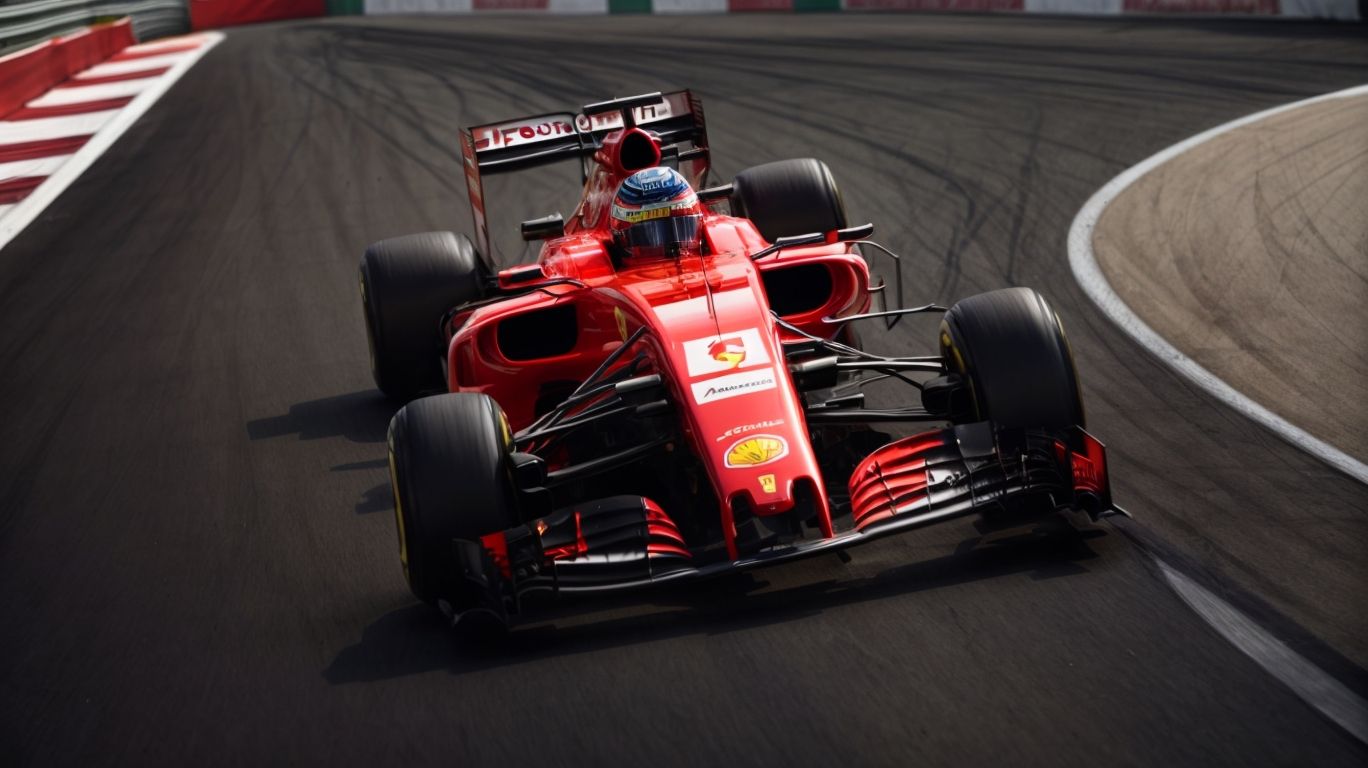
In Formula 1 races, drivers experience G Forces ranging from 3 to 6 g during acceleration, braking, and cornering maneuvers.
During acceleration, drivers are subjected to forces pushing them back into their seats. The intense speeds of over 300 km/h cause the body to resist this sudden momentum change, resulting in high G Forces. During braking, the deceleration force is immense, especially when cars go from top speeds to almost standstill in a matter of seconds. This extreme deceleration can lead to spikes in G Force levels as drivers navigate tight corners or sudden stops. G Forces impact a driver’s body, making it crucial for them to be physically fit and mentally sharp to endure these intense moments on the track.
What Factors Affect the G Force Experienced in F1?
Several factors influence the G Force experienced in Formula 1, including the speed of the car, the mass of the driver, and the efficiency of braking and cornering techniques.
In the world of Formula 1 racing, the interplay of these variables is crucial in determining the intensity of the G-forces encountered by drivers. When a driver accelerates or decelerates with immense speed, the inertia of their body mass reacts with the car’s movements, intensifying the G Force impact.
During high-speed cornering, the aerodynamics of the car plays a pivotal role in generating downforce, which helps counteract the lateral forces experienced by the driver, thereby enhancing stability and reducing the overall G-force load. By optimizing these factors, teams strive to achieve the perfect balance between performance and safety in the high-octane world of F1 racing.
How Does the Design of an F1 Car Help Reduce G Force?
The design of Formula 1 cars incorporates aerodynamic features, advanced suspension systems, and specialized seat designs to minimize G Forces during high-speed maneuvers.
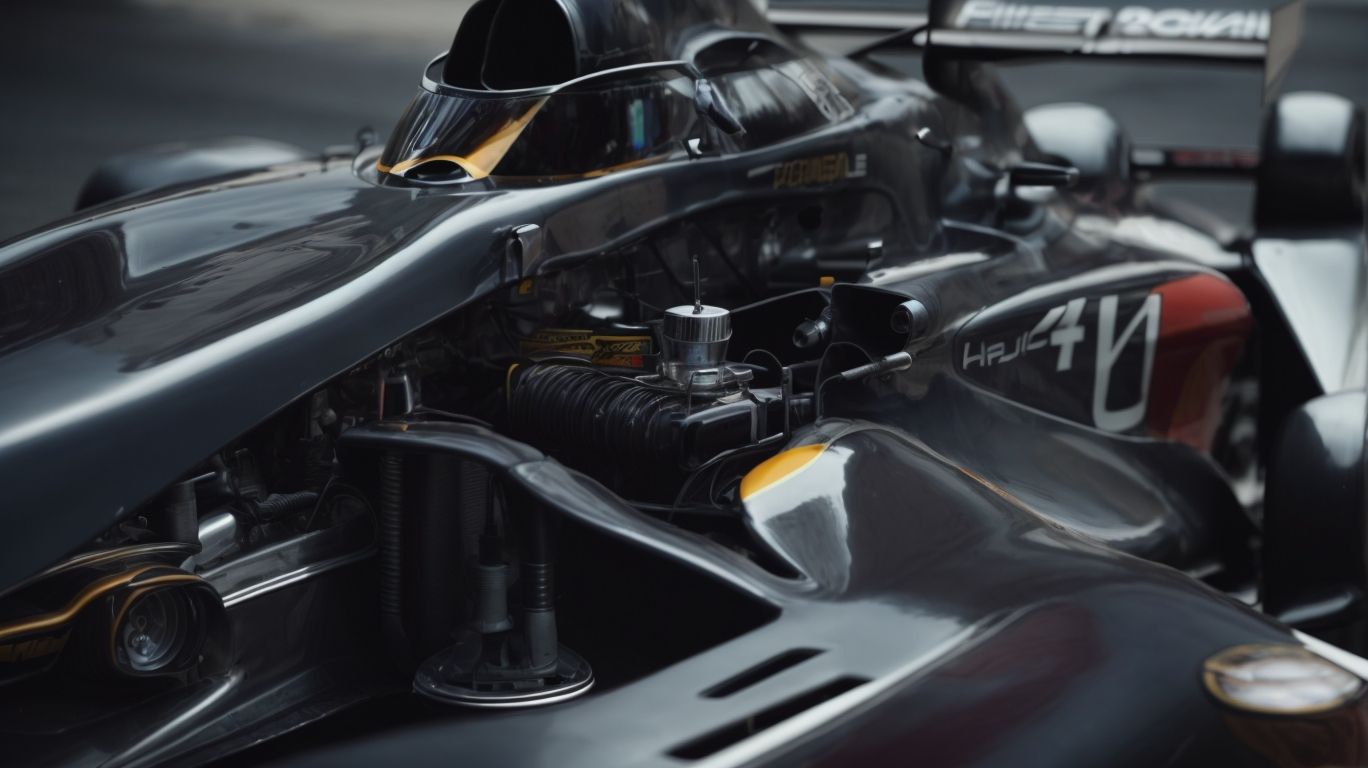
Aerodynamics play a crucial role in enhancing cornering stability by managing airflow around the vehicle, creating downforce for increased traction. These aerodynamic features like front and rear wings, diffusers, and bargeboards are meticulously designed to optimize airflow efficiency and generate necessary levels of downforce.
The intricate suspension systems of F1 cars are engineered to maintain optimal contact between the tires and the track, ensuring stability and grip through corners. Advanced technologies such as active suspension or adaptive dampers are utilized to fine-tune the car’s handling characteristics in real-time.
The ergonomic design of the driver’s seat aids in minimizing fatigue and potential injury by providing adequate support, padding, and harness systems. The seat is custom-made to fit the driver perfectly, ensuring maximum comfort and safety during grueling races.
Aerodynamics
Aerodynamics in Formula 1 car design focus on creating downforce to enhance grip and stability at high speeds, reducing the impact of G Forces on cornering and acceleration.
One of the key aerodynamic components that play a critical role in generating downforce is the wings. These structures are strategically placed on the front and rear of the car to manipulate the airflow and create the necessary pressure difference.
Diffusers are employed to accelerate the air passing underneath the car, creating a low-pressure zone that further enhances downforce. By maximizing downforce, F1 teams can achieve higher cornering speeds and improved traction, ultimately leading to faster lap times.
Suspension System
The suspension system of an F1 car is crucial for managing G Forces during cornering, providing stability and control over uneven track surfaces.
One of the key functions of the suspension system is to absorb impacts and maintain optimal tire contact with the track. This is essential for ensuring maximum grip and performance. The dampers and springs play a significant role in reducing the effects of G Forces experienced by the driver. By efficiently managing the weight transfer and maintaining tire contact, the suspension system contributes directly to the overall speed and handling of the car.
Seat Design
The seat design in an F1 car is tailored to support the driver’s body under high G Forces, ensuring comfort, safety, and optimal positioning during intense maneuvers.
Regarding padding, F1 seats are crafted with materials that offer both comfort and protection. The padding helps to absorb shocks and vibrations, reducing the impact on the driver’s body during rapid accelerations and decelerations.
Harnesses are another critical component of F1 seat design. These specially engineered straps secure the driver in place, preventing excessive movement in all directions. They play a crucial role in distributing the G Forces evenly across the driver’s body, minimizing the risk of injury.
How Do Drivers Prepare for High G Forces in F1?
Formula 1 drivers undergo rigorous physical training, mental preparation, and breathing exercises to build resilience and endurance against high G Forces experienced during races.
Physical training for F1 drivers typically includes a combination of cardio workouts to build stamina, strength training to withstand the forces acting on their bodies, and flexibility exercises to cope with the dynamic nature of driving. Along with physical workouts, mental conditioning plays a crucial role in their training regime. Drivers engage in activities such as visualization exercises, mindfulness practices, and reaction time drills to enhance focus and decision-making abilities on the track.
Mastering proper breathing techniques is essential to help drivers manage stress, stay calm under pressure, and maintain optimal oxygen levels during high-speed maneuvers. By improving their overall physical fitness, mental resilience, and breath control, F1 drivers can enhance their performance and endurance, ultimately pushing the limits of human capability in the world of motorsport.
Physical Training
Physical training for F1 drivers includes strength exercises, cardio workouts, and neck strengthening routines to withstand the physical impact of high G Forces during races.
F1 drivers follow a meticulous training regimen focusing on specific areas crucial for their performance on the track.
Core strength plays a pivotal role in helping drivers maintain stability and control over their vehicles during sharp turns and sudden accelerations.
The neck muscles are heavily emphasized as they need to support the weight of the helmet and head while enduring high-speed forces.
Overall fitness is vital for ensuring drivers have the endurance to withstand the rigorous demands of long races.
Mental Preparation
Mental preparation for F1 drivers involves focus training, visualization techniques, and stress management strategies to maintain clarity and composure under the intense G Forces experienced during races.
One crucial aspect of mental conditioning in Formula 1 racing is the incorporation of cutting-edge visualization exercises. These exercises help drivers mentally rehearse every turn, every braking point, and every overtaking opportunity on the track, enhancing their ability to anticipate and react swiftly in high-pressure situations.
By visualizing the race scenarios repeatedly, drivers can build a mental blueprint that guides their actions on the circuit, allowing for split-second decision-making and precise execution.
Breathing Techniques
Breathing techniques are crucial for F1 drivers to regulate oxygen intake, manage stress, and maintain focus amidst the physical and mental impact of G Forces during races.
In the high-pressure environment of Formula 1 racing, drivers need to employ specialized breathing exercises to stay at the top of their game. A key technique utilized is diaphragmatic breathing, which involves deep breaths that engage the diaphragm muscle. This type of breathing allows for increased oxygen intake and better control over respiration rate.
Drivers often practice breath control methods to synchronize their breathing with the demands of the race. By mastering when and how to breathe, they can optimize oxygen flow to the muscles and brain, enhancing their overall performance.
Relaxation techniques play a vital role in helping F1 drivers stay calm and focused during intense moments on the track. These methods, such as visualization exercises or mindfulness meditation, can reduce stress levels and improve mental clarity, ultimately aiding in the management of G Forces’ physiological effects.
What Are the Safety Measures in Place for G Forces in F1?
Formula 1 implements stringent safety measures such as advanced cockpit designs, neck and head restraints, safety harnesses, and the HANS Device to protect drivers from the impact of high G Forces.
One of the crucial safety innovations in Formula 1 is the advanced cockpit designs, which are crafted to provide maximum protection to drivers. The cockpit design features impact-absorbing materials and structural integrity to reduce the severity of injuries during high-speed crashes.
- The neck support systems used in Formula 1 cars play a vital role in safeguarding drivers from whiplash and neck injuries. These systems are designed to minimize the movements of the driver’s head in the event of a sudden deceleration
- The safety harnesses, commonly known as seat belts, are meticulously engineered to securely hold the driver in place, preventing excessive movement during crashes or sharp turns.
- The Head and Neck Support (HANS) Device, a mandatory safety feature in Formula 1, effectively reduces the risk of basilar skull fractures by limiting the movement of the head and neck in a crash, thus mitigating the impact of rapid deceleration forces on the head and neck regions.
Cockpit Design
The cockpit design in Formula 1 prioritizes driver safety by incorporating impact-absorbing materials, reinforced structures, and advanced crash avoidance systems to mitigate the effects of high G Forces during accidents.
Integrated into the design are energy-absorbing materials like carbon fiber and kevlar, which disperse impact forces across the structure. The roll structures, such as the Halo device introduced in 2018, provide additional protection from debris and rollover incidents.
Cockpit padding made from advanced materials like Zylon helps protect drivers from impacts and reduces the risk of injuries. These features have proven their effectiveness in incidents like Romain Grosjean’s crash at the 2020 Bahrain Grand Prix, where the robust design of the cockpit played a crucial role in ensuring his survival.
Neck and Head Restraints
Neck and head restraints in Formula 1 play a crucial role in reducing the risk of whiplash injuries and neck strain due to rapid deceleration forces experienced during crashes or high-speed impacts.
These safety devices are meticulously designed with cutting-edge materials to provide optimum protection for drivers in case of accidents. The headrests, for instance, are usually made of energy-absorbing foam, strategically positioned to cushion the head and minimize the risk of head and neck injuries.
Neck collars are often utilized to restrict excessive movement of the neck, reducing the impact of sudden jerks on this delicate body part. The helmet support systems, on the other hand, are engineered to stabilize the head during rapid changes in direction and speed, helping to mitigate the effects of G Forces on the head and neck regions.
Safety Harness
Safety harnesses in Formula 1 cars are engineered to secure drivers in place, distributing impact forces evenly across the body to prevent excessive G Force exposure during accidents or collisions.
Multi-point harness design entails a complex arrangement of straps that anchor the driver at various points, enhancing stability and reducing the risk of shifting positions under extreme conditions. The materials used in these harnesses are meticulously selected for their strength, durability, and ability to withstand tremendous forces. Quick-release mechanisms integrated into the harness system enable rapid extraction of the driver in emergency situations, ensuring swift medical attention if needed. The load-bearing capabilities of these harnesses are paramount, as they must withstand immense forces generated during high-speed impacts, keeping the driver secure within the cockpit.
HANS Device
The HANS (Head and Neck Support) Device is a critical safety component in Formula 1, preventing excessive head movements and neck injuries by limiting G Force transmission to the head and spine during sudden stops or impacts.
The HANS Device works by securing the driver’s helmet to their shoulders using a set of tethers, creating a system that moves with the head and neck as a single unit. This innovative design is pivotal in minimizing the risk of head and neck injuries, especially in high-speed crashes where the forces involved can be immense.
By controlling the distribution of G Forces, the HANS Device helps to reduce the rotational and lateral movements that can cause severe trauma to the head and neck. This not only improves driver safety but also aids in enhancing overall vehicle safety standards in the demanding world of Formula 1.
Frequently Asked Questions
What is G Force in F1?
G Force in F1 refers to the measure of acceleration or deceleration experienced by a driver, expressed in units of gravitational force (g). It is a crucial aspect of Formula 1 racing as it can greatly affect a driver’s performance and safety.
How Much G Force in F1 can a driver experience?
In Formula 1, drivers can experience up to 6G (six times the force of gravity) during braking and cornering, and up to 5G during acceleration. This means that a driver weighing 70kg would feel like they weigh 420kg during these high G-force moments.
What causes G Force in F1?
G Force in F1 is primarily caused by the rapid acceleration, braking, and cornering of the car. The force is then transferred to the driver and their body, as they are tightly strapped into their seat, and the car’s suspension and tires work to keep the car on track.
How does G Force in F1 affect a driver?
G Force in F1 can have both positive and negative effects on a driver. On one hand, it can enhance their focus and concentration, as well as push their bodies to perform at their peak. However, it can also cause physical strain and fatigue, resulting in a decrease in performance and possible health risks.
What are the dangers of high G Force in F1?
High G Force in F1 can be dangerous for drivers, as it can put a lot of strain on their bodies and increase the risk of injury. Extreme G-force can cause neck and spinal injuries, especially during high-speed crashes. That’s why F1 drivers undergo rigorous training and conditioning to withstand these forces.
How do F1 teams measure G Force during races?
F1 teams use various sensors and telemetry data to measure G Force during races. These include accelerometers, gyroscopes, and strain gauges on the car and the driver’s helmet. The data is then analyzed to understand the car’s performance and the driver’s physical state during the race.