
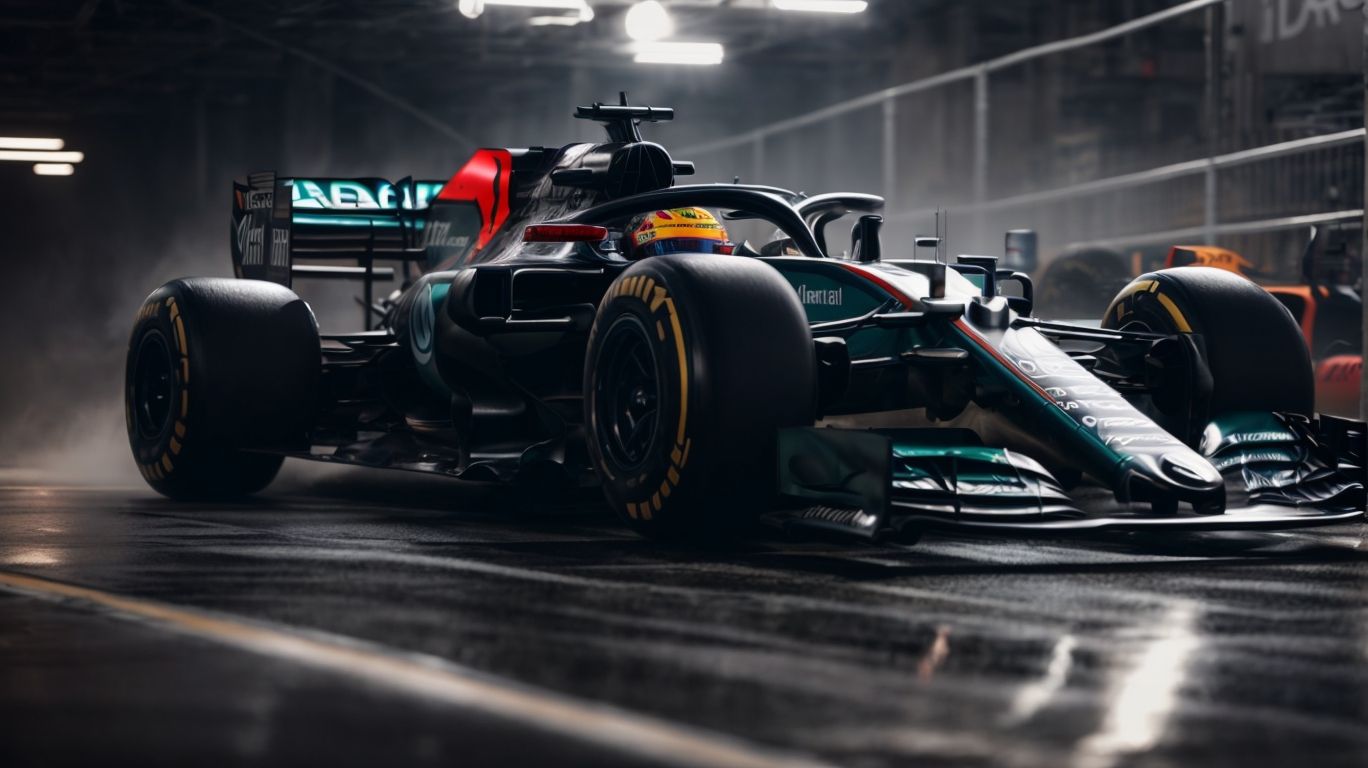
What is F1 Kers?
Have you ever wondered what makes Formula 1 cars so fast and powerful?
One of the key technologies behind their impressive performance is F1 Kers.
We explore what F1 Kers is, how it works, and the benefits it offers to F1 teams.
We also delve into the different components of F1 Kers, the various types available, and the rules and regulations governing its usage in F1 races.
Join us as we take a closer look at the evolution and future of F1 Kers in the world of motorsport.
Key Takeaways:
What Is F1 Kers?
F1 KERS, short for Kinetic Energy Recovery System, is a cutting-edge technology utilized in Formula One cars to harness and store energy.
It plays a crucial role in maximizing performance efficiency on the track. The main purpose of F1 KERS is to capture the kinetic energy generated during braking, typically lost as heat, and convert it into usable electrical energy. This stored energy can then be deployed to provide an extra power boost, offering a temporary acceleration advantage at strategic moments during a race.
How Does F1 Kers Work?
F1 KERS operates by converting kinetic energy generated during braking into usable power, which is then stored for subsequent acceleration boosts in Formula One cars.
Upon deceleration, the kinetic energy is transformed into electrical energy through regenerative braking systems integrated into the vehicle. This electrical energy is then directed to the energy storage unit, typically a battery or a flywheel, where it is stored until the driver needs an extra burst of power. The stored energy can be deployed at the push of a button, giving the driver a temporary power boost during critical moments in a race, enhancing the car’s overall performance and providing a competitive edge.
What Are the Benefits of F1 Kers?
F1 KERS offers a multitude of advantages, including increased power, enhanced acceleration, and improved overall performance for Formula One race teams utilizing this innovative technology.
The implementation of F1 KERS not only provides a significant boost in power to the car, giving drivers an edge during races, but it also plays a crucial role in enhancing acceleration capabilities. By harnessing the kinetic energy generated during braking and storing it for quick discharge later, F1 teams can achieve quicker starts and more efficient overtaking maneuvers. This technology stands as a testament to the constant pursuit of competitive advantages in the world of motorsport, where even the smallest improvements can make a substantial difference in race outcomes.
Increased Power and Acceleration
The implementation of F1 KERS results in a significant boost in power output and acceleration for Formula One cars, enhancing their torque delivery and overall performance on the track.
By harnessing the energy generated during braking, F1 KERS systems store and deploy this power strategically throughout the race. This stored energy is then utilized to provide an additional burst of power during acceleration phases, giving drivers a vital edge in overtaking maneuvers and straight-line speed. The seamless integration of the KERS technology not only increases the power potential of the car but also contributes to improved fuel efficiency, making the overall racing experience more dynamic and engaging for both drivers and spectators alike.
Improved Fuel Efficiency
The integration of F1 KERS promotes enhanced fuel efficiency by utilizing recovered energy to supplement engine power, reducing overall fuel consumption and environmental impact in Formula One racing.
Plus boosting performance, the Formula 1 Kinetic Energy Recovery System (KERS) plays a crucial role in energy conservation and sustainability by capturing and storing energy that would otherwise be wasted during braking.
This stored energy is then deployed to assist the engine during acceleration, thus reducing the workload on the engine and maximizing power output without relying solely on traditional fuel consumption.
Optimizing energy utilization in this manner not only enhances the car’s performance but also contributes to a more environmentally friendly approach to racing.
Better Traction and Handling
F1 KERS enhances traction and handling capabilities in Formula One cars, providing drivers with better control, improved cornering stability, and overall superior performance on the race track.
By efficiently recovering energy during braking, the Kinetic Energy Recovery System (KERS) in Formula One cars plays a crucial role in boosting traction control and handling precision. With this technology, drivers can deliver power more effectively, optimizing grip levels and accelerating out of corners with utmost precision. This translates to improved cornering stability, ensuring that the car remains planted on the track, enhancing driver confidence and pushing the limits of performance. The seamless integration of KERS into the vehicle’s dynamics showcases how technological advancements have revolutionized the sport, elevating driving experience and overall competitiveness in Formula One races.
What Are the Components of F1 Kers?
The components of F1 KERS include the Kinetic Energy Recovery System (KERS), Energy Storage Unit (ESU), and Control Electronics, collectively working to optimize energy utilization and enhance performance in Formula One cars.
Within the F1 KERS setup, the Kinetic Energy Recovery System serves as the core mechanism responsible for capturing and converting the kinetic energy generated during braking into electric power. This harvested energy is then transferred to the Energy Storage Unit, typically a high-performance battery or supercapacitor, for temporary storage. The role of the Control Electronics is vital in managing the flow of energy between the KERS components, ensuring seamless integration and optimal utilization of the stored energy during acceleration phases on the race track.
Kinetic Energy Recovery System (KERS)
The Kinetic Energy Recovery System (KERS) in Formula One technology functions by converting mechanical energy into electrical energy during braking, enabling energy storage for subsequent power deployment.
When a driver brakes in an F1 car equipped with KERS, the kinetic energy generated from the deceleration process is harnessed and converted into electrical energy through a motor-generator unit. This electric energy is then stored in high-performance batteries or flywheels for later use. The beauty of KERS lies in its ability to recuperate energy that would typically be lost as heat during braking, making the vehicle more energy-efficient and sustainable.
Energy Storage Unit (ESU)
The Energy Storage Unit (ESU) in Formula One KERS acts as a high-capacity battery system that stores and delivers electrical energy efficiently, supporting power needs for performance enhancements in racing cars.
Utilizing advanced Lithium-ion technology, the ESU plays a pivotal role in converting kinetic energy generated during braking into electrical energy which is then stored for rapid discharge during acceleration. This energy storage capability enables drivers to access additional power on demand, providing a significant boost in horsepower when required on the track.
Control Electronics
Control Electronics form a crucial component of F1 KERS, overseeing energy management, distribution, and optimal utilization within Formula One cars for enhanced performance and efficiency.
These specialized electronic systems play a vital role in regulating the flow of energy generated through the Kinetic Energy Recovery System (KERS) in Formula One vehicles. The main function of Control Electronics is to monitor and control the transfer of energy between the braking system and the energy storage unit. By precisely managing this energy flow, the Control Electronics ensure that the stored energy is efficiently utilized to provide additional power during acceleration phases.
What Are the Different Types of F1 Kers?
F1 KERS encompasses various types, including Mechanical KERS, Electric KERS, and Hybrid KERS, each employing distinct energy conversion and transfer mechanisms to enhance Formula One car performance.
Among these, Mechanical KERS relies on converting mechanical energy generated during braking into electrical energy, stored in a flywheel or rotating mass for later acceleration boost. Conversely, Electric KERS directly converts kinetic energy into electrical energy through regenerative braking, stored in a battery or supercapacitor for instantaneous power delivery.
Hybrid KERS integrates elements of both systems, combining the advantages of mechanical and electric technologies for optimized energy recovery and deployment across different driving conditions.
Mechanical Kers
Mechanical KERS relies on a flywheel mechanism to store and release energy in Formula One cars, utilizing rotational energy conversion for power augmentation and performance boost.
The key principle behind Mechanical KERS is the ability of the flywheel system to capture excess kinetic energy during braking, storing it as rotational energy for later use. As the car accelerates, the stored energy is then released back into the drivetrain, providing an instantaneous power boost to the engine.
This method not only enhances the overall performance of the vehicle by increasing acceleration and top speeds but also contributes to fuel efficiency by optimizing energy usage. By efficiently harnessing and utilizing energy that would otherwise be lost, Mechanical KERS offers a sustainable and effective solution for power enhancement in motorsport.
Electric Kers
Electric KERS employs battery systems to store and deliver electrical energy in Formula One cars, enhancing power output and acceleration capabilities through efficient energy conversion and deployment mechanisms.
An essential component of Electric KERS is the high-performance battery technology utilized for energy storage. These batteries are designed to withstand the rigorous demands of Formula One racing, providing instantaneous power when needed. The electrical energy stored in these advanced batteries is crucial for maximizing the car’s overall performance. This stored energy is then efficiently converted and delivered to the car’s powertrain system, allowing for quick acceleration and improved overall power output.
Hybrid Kers
Hybrid KERS combines mechanical and electrical energy conversion methods to optimize power generation and utilization in Formula One cars, blending efficiency and performance enhancements through hybrid technology.
One of the key advantages of Hybrid KERS lies in its ability to capture and store energy that would otherwise be dissipated as heat during braking.
This stored energy can then be utilized to provide an extra boost of power during acceleration, thereby increasing the overall performance of the vehicle.
By integrating both mechanical and electrical systems, Hybrid KERS offers a more comprehensive approach to energy transfer and management, leading to improved energy efficiency and reduced fuel consumption.
What Are the Rules and Regulations Surrounding F1 Kers?
The rules and regulations governing F1 KERS usage encompass limitations on KERS deployment, weight restrictions, and technical requirements to ensure fairness and safety in Formula One racing.
In Formula One racing, the Kinetic Energy Recovery System (KERS) plays a vital role in enhancing the performance of cars while also adhering to strict regulations set by the governing bodies to maintain a level playing field. These regulations dictate the maximum amount of energy that can be deployed through KERS, ensuring that all teams operate within defined limits to prevent unfair advantages.
Weight restrictions are another critical aspect of F1 regulations, with cars needing to meet specific weight limits to prevent excessive advantages based on the weight distribution and overall vehicle dynamics.
The technical requirements enforced by Formula One governing bodies not only focus on safety standards but also aim to promote innovation while maintaining competitive balance among teams. This includes specifications related to battery capacities, energy recovery systems, and overall performance constraints.
Kers Usage Limitations
The KERS usage limitations set by the FIA regulate the deployment and operational parameters of energy recovery systems in Formula One cars, ensuring compliance with technical standards and race fairness.
These restrictions dictate the maximum amount of energy that can be recovered and utilized by teams throughout a race, aiming to prevent any unfair advantages or excessive energy exploitation. Energy management plays a crucial role in determining the efficiency and effectiveness of these systems, with strict guidelines on how the recovered energy can be deployed strategically. Teams must adhere to these regulations to maintain a level playing field and uphold the integrity of the sport, ensuring that innovation is balanced with equality.
Weight Restrictions
Weight restrictions imposed on Formula One cars with KERS systems ensure a balance between energy recovery capabilities and overall vehicle performance, influencing design choices and racing dynamics.
These restrictions are pivotal in determining how teams optimize their vehicles to extract the maximum benefits from the Kinetic Energy Recovery System.
Adhering to stringent weight limits mandates meticulous planning to enhance energy recovery without compromising on essential performance aspects. Engineers must carefully weigh the impact of additional components to the overall weight of the car, as any excess weight can hinder acceleration, braking efficiency, and cornering abilities.
Technical Requirements
Technical requirements governing F1 KERS systems encompass energy conversion efficiency, system reliability, and compliance with safety standards to ensure seamless integration and performance in Formula One racing.
F1 KERS, or Kinetic Energy Recovery System, plays a crucial role in enhancing the performance of Formula One cars. An efficient KERS system is pivotal in maximizing energy conversion from the braking process into usable energy for acceleration. This process demands intricate engineering and precise electronic control systems to optimize the recovery and deployment of this energy seamlessly.
In terms of system reliability, ensuring the KERS unit can withstand the extreme conditions of Formula One races is paramount. Components must be durable, lightweight, and be able to operate within stringent temperature and vibration specifications without compromising performance.
Safety standards in F1 KERS are rigorous in their design and implementation. With high-voltage systems and rapid energy transfer, safety considerations are fundamental. Proper isolation mechanisms, fail-safe controls, and integration with the overall car safety systems are imperative to prevent any potential accidents or hazards on the track.
How Has F1 Kers Evolved Over the Years?
The evolution of F1 KERS has witnessed continuous advancements in technology, implementation strategies, and performance enhancement, shaping the landscape of Formula One racing with innovative energy recovery solutions.
Initially introduced in 2009, F1 Kinetic Energy Recovery System (KERS) marked a significant milestone by recovering energy dissipated during braking, storing it, and later deploying it for acceleration.
Over time, research and development efforts propelled the evolution of F1 KERS, leading to the integration of more efficient energy storage units, enhanced electronic control systems, and optimized deployment algorithms.
This technological progress not only enhanced the cars’ overall performance but also contributed to the sustainability initiatives within the racing industry, promoting greener practices and resource efficiency.
What Is the Future of F1 Kers?
The future of F1 KERS holds promise for further integration with hybrid technology, advancements in energy recovery systems, and potential applications in road cars to drive innovation and sustainability in the automotive industry.
With the rapid pace of technological advancements, F1 KERS can be expected to evolve towards more efficient energy recovery systems, utilizing cutting-edge materials and designs to maximize performance and sustainability.
Hybrid technology integration offers the potential for increased power output while reducing fuel consumption and emissions. This integration of electric components with traditional combustion engines signifies a significant leap towards more eco-friendly and efficient vehicles.
The transition from race cars to road cars highlights a growing trend in the automotive industry, where innovations in Formula 1 serve as a catalyst for introducing high-performance hybrid systems to mainstream vehicles.
This shift towards incorporating F1 KERS technology into road cars not only enhances the driving experience but also aligns with global efforts towards greener transportation solutions.
Sustainability becomes a key driving force behind these technological advancements, paving the way for a future where performance-oriented vehicles also prioritize environmental responsibility.
Frequently Asked Questions
What is F1 Kers?
F1 Kers stands for Formula One Kinetic Energy Recovery System. It is an energy storage and release system used in Formula One racing cars.
How does F1 Kers work?
F1 Kers works by capturing energy that is normally lost during braking and storing it in a battery. This energy can then be released by the driver with the push of a button, providing a temporary boost in speed.
Why was F1 Kers introduced?
F1 Kers was introduced to make Formula One races more exciting and environmentally friendly. By using the captured energy, cars can accelerate faster and reduce their fuel consumption.
When was F1 Kers first used?
F1 Kers was first used in the 2009 Formula One season. It was initially met with mixed reactions, but has since become a standard feature in F1 racing.
What are the benefits of F1 Kers?
The main benefit of F1 Kers is its ability to provide a temporary boost in speed, which can be crucial in overtaking other cars or defending a position. It also promotes the use of energy-efficient technology in motorsport.
Are there any restrictions on the use of F1 Kers during a race?
Yes, there are restrictions on the use of F1 Kers during a race. The system can only be used for a maximum of six seconds per lap and only a certain amount of energy can be used per race.


