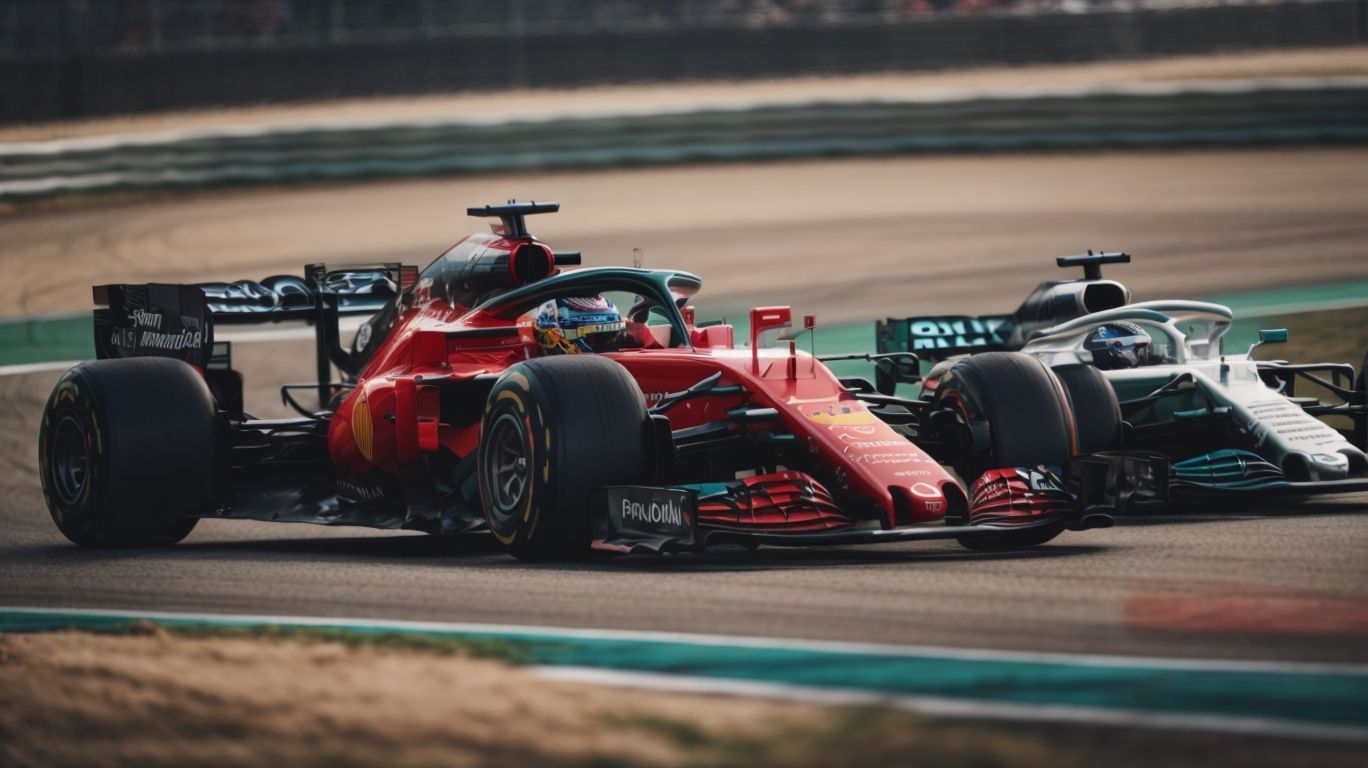
What is F1 Livery?
Formula 1 livery is more than just a coat of paint on a racing car – it’s a crucial component of a team’s identity, a powerful tool for securing sponsorship, and a key factor in engaging fans.
In this article, we will explore the history, importance, and elements of F1 livery, as well as how it is designed and implemented. We will also take a look at some famous and memorable F1 liveries, and how they have evolved over the years.
So, buckle up as we dive into the fascinating world of F1 livery!
Key Takeaways:
What is the Meaning of F1 Livery?
F1 Livery refers to the unique design and color scheme applied to a team’s racing car in Formula 1, showcasing the team’s visual identity and branding.
The F1 Livery plays a crucial role in not only differentiating one team from another on the track but also in connecting with fans and sponsors. The bold and distinctive liveries have become iconic over the years, with each team carefully selecting colors and patterns that reflect their history, values, and sponsors. It’s a blend of art and marketing, where intricate designs and striking colors are used strategically to stand out amidst the high-speed action on the race track.
History of F1 Livery
The History of F1 Livery dates back to the iconic designs of teams like Ferrari, Mercedes, and McLaren, reflecting the evolution of sponsorship integration and national racing colors in Formula 1.
Throughout the rich history of Formula 1, teams have utilized livery designs not only for branding but also for expressing national pride and culture. Teams like Ferrari have showcased their signature red livery, symbolizing Italy, while Mercedes’ silver color dates back to the famous ‘Silver Arrows’ era. McLaren’s distinctive papaya orange is instantly recognizable on the track. The rise of sponsorship deals in the sport has transformed livery designs into dynamic showcases of corporate partnerships, with intricate graphics and logos adorning the cars in vibrant colors.
Why is F1 Livery Important?
F1 Livery holds significant importance in Formula 1 as it serves as a crucial element in defining a team’s visual identity, attracting sponsors, and engaging fans through innovative design concepts.
The livery of a Formula 1 car is like its signature, making it instantly recognizable on the track amidst a sea of roaring machines. Companies view this prime advertising space on the cars as a huge opportunity to gain visibility among millions of viewers worldwide.
When a team unveils a stunning livery, it not only showcases their creativity but also establishes a strong brand presence. For example, the vibrant colors of Red Bull Racing’s livery have become synonymous with energy and excitement, reflecting the brand’s ethos.
Impact on Team Identity
The Impact of F1 Livery on Team Identity extends to the collaboration between the design team, driver preferences for helmet design, and the prominent display of manufacturer logos on the car.
Team identity in Formula 1 is not just a matter of colors and logos but a reflection of the collective spirit and vision that binds the members together. The collaboration between the design team and the drivers goes beyond mere aesthetics; it is a fusion of technical expertise and personal expression, all aiming to create a visual representation of the team’s ethos.
Driver involvement in helmet designs adds another layer of individuality within the broader team livery. Helmet designs often carry personal symbols or messages that resonate with the driver’s journey and aspirations, standing out as a unique element amidst the uniformity of the team’s overall branding.
The prominent display of manufacturer logos on the car serves as a testament to the strong partnerships and technical alliances that underpin the team’s competitive edge. These logos not only signify financial support but also symbolize a shared commitment to excellence and innovation.
Influence on Sponsorship
The Influence of F1 Livery on Sponsorship is evident through the strategic placement of sponsor logos on the car, maximizing marketing exposure and brand visibility during races.
A crucial aspect that companies consider when engaging in sponsorship deals with Formula 1 teams is the location of their logos on the car’s livery. The positioning of these logos is meticulously planned to ensure optimal visibility to a global audience, both on TV broadcasts and during live races. Sponsors strategically place their logos on prominent areas such as the car’s front wing, side pods, and rear wing, as these spots attract the most camera coverage.
Role in Fan Engagement
The Role of F1 Livery in Fan Engagement is crucial, with teams leveraging livery reveals to generate excitement among fans while adhering to F1 regulations regarding car designs.
Formula 1 teams recognize the significance of their cars’ liveries in creating connections with fans worldwide. The reveal events, where teams unveil their vibrant and eye-catching designs, serve as a major driver of anticipation and stir up enthusiasm among the fan base. These events not only showcase the sleek aesthetics but also give a glimpse into the team’s personality and sponsorships, strengthening the bond between supporters and the team across various digital platforms.
What are the Elements of F1 Livery?
The Elements of F1 Livery encompass the color scheme, logos, and intricate design graphics that collectively form the visual identity of a Formula 1 racing team.
Color scheme plays a pivotal role in differentiating one team from another on the track. Whether it’s the iconic red of Ferrari or the vibrant blue of Red Bull Racing, each team strategically chooses its palette to stand out. These colors not only represent the team’s identity but also evoke emotions and recognition among fans and viewers alike.
Logos, on the other hand, are like signatures that encapsulate the essence of the team. They are placed prominently on the cars and represent the team’s values and sponsors.
The design graphics, ranging from sleek lines to intricate patterns, are crucial in enhancing aerodynamics and creating a visually striking appearance. From bold stripes to intricate detailing, every element is carefully considered to maximize brand visibility and create a memorable visual impact. An innovative livery can capture the essence of a team and instantly make them recognizable, even at high speeds on the race track.
Color Scheme
The Color Scheme of F1 Livery plays a pivotal role in incorporating national colors and occasionally undergoing livery changes to reflect team evolution and sponsor requirements.
Each F1 team’s color scheme is a visual representation of the country it represents, embodying national pride and heritage on the global stage. For example, the red of Ferrari symbolizes Italy, while the silver of Mercedes pays homage to Germany.
Color psychology also plays a crucial role, with teams strategically selecting hues to evoke specific emotions like power, speed, or reliability. Changes in livery are carefully considered, balancing tradition with innovation to stay relevant in a rapidly evolving sport.
Logos and Branding
Logos and Branding in F1 Livery serve as key components that showcase sponsor affiliations and brand partnerships through prominent logo displays on the car’s bodywork.
These carefully crafted logos are strategically placed to maximize visibility and recognition, allowing viewers to easily identify the sponsors associated with each team.
Branding in F1 livery plays a crucial role in portraying the team’s identity and values, creating a distinct visual representation that resonates with fans and sponsors alike.
Design and Graphics
The Design and Graphics of F1 Livery involve intricate technical design elements that comply with strict technical regulations to ensure both aesthetic appeal and performance efficiency.
One crucial aspect of F1 livery design is the consideration of aerodynamic efficiency. The placement of sponsor logos and color schemes plays a pivotal role in creating a streamlined airflow over the car, minimizing drag and optimizing performance on the track. Contrast ratios and color visibility are carefully calculated to ensure clear branding while adhering to visibility standards set by the regulations. The use of materials that are lightweight yet durable is essential to maintain the livery’s integrity throughout the high-speed races.
How is F1 Livery Designed and Implemented?
F1 Livery is meticulously designed and implemented through collaborative efforts between the team, sponsors, and design experts, involving thorough testing before the grand car unveiling event.
When the design process kicks off, every detail from color combinations to sponsor placements is carefully considered. This phase requires close coordination between the team’s technical specifications and the visual storytelling aspect brought in by the design experts. Sponsors play a crucial role, often influencing the overall aesthetics of the livery. The rigorous testing phase is vital, ensuring that the livery not only looks stunning but also withstands the rigorous conditions of an F1 race. The much-anticipated car unveiling event serves as a grand stage where the livery’s design prowess is showcased to the world.
Collaboration between Team and Sponsor
The Collaboration between the Team and Sponsor in F1 Livery design is essential for integrating sponsor logos seamlessly into the overall visual concept while aligning with the team’s brand identity.
When F1 teams and sponsors work closely together on the livery design process, it ensures that the sponsor logos are tastefully incorporated into the car’s design, maintaining a cohesive and eye-catching look. This collaboration goes beyond just placement; it involves a deep understanding of the sponsor’s brand image, target audience, and marketing goals. Teamwork in this aspect is crucial for creating a livery that not only showcases the sponsors’ logos prominently but also enhances the overall aesthetics of the car, making it visually appealing on the race track.
Use of Computer-Aided Design (CAD) Software
The Use of Computer-Aided Design (CAD) Software in F1 Livery design facilitates precise technical detailing and advanced graphics creation, enhancing the collaborative efforts of the design team.
CAD software plays a pivotal role in translating the creative concepts of designers into intricate digital models that form the backbone of F1 livery. Its robust tools allow for meticulous adjustments to the smallest design elements, ensuring a seamless integration of aerodynamic features and branding aesthetics. CAD software enables real-time visualization and simulation, give the power toing designers to anticipate performance implications and make informed decisions. Through the seamless fusion of art and engineering, CAD technology revolutionizes the F1 livery design process, elevating the sport’s visual appeal and pushing the boundaries of innovation.
Application of Livery on Car and Team Gear
The Application of F1 Livery on the car and team gear involves meticulous precision during the design launch phase to ensure consistency across all visual elements representing the team.
When the design process kicks off, every detail, from the placement of sponsor logos to the color gradients, is carefully considered to create a visually striking and cohesive look. Each element must align harmoniously, conveying the team’s identity seamlessly. Designers work tirelessly to transfer the essence of the team’s brand onto the car and gear, ensuring that the livery reflects the team’s spirit on and off the track. This attention to detail adds value to the overall presentation and strengthens the team’s visual presence in the competitive world of Formula 1.
Famous and Memorable F1 Liveries
Several Famous and Memorable F1 Liveries have left a lasting impression, including the iconic red of Ferrari, the papaya orange of McLaren, the black and gold of Lotus, and the classic Martini Racing design of Williams.
These liveries have become synonymous with the respective teams, representing not just a color scheme but a brand identity on the F1 circuit. Red has always been synonymous with speed, passion, and success, making Ferrari instantly recognizable on the track. The vibrant papaya orange of McLaren brings a sense of energy and modernity, while the black and gold combination of Lotus exudes elegance and sophistication. Williams’ association with Martini Racing evokes a timeless and classy look, blending tradition with performance.
Ferrari’s Red Livery
Ferrari’s Red Livery, epitomized by the classic F2003 design, symbolizes the team’s heritage and passion for racing, enduring even after the era of tobacco sponsorship bans.
The iconic Red Livery of Ferrari not only serves as a recognizable symbol on the track but also reflects the team’s rich history of success and innovation in Formula 1. The F2003 design, known for its aerodynamic advancements and technological prowess, not only enhanced the team’s performance on the race track but also became a fan favorite.
Following the ban on tobacco advertising in motorsports, Ferrari showcased remarkable resilience by successfully transitioning their sponsorship strategy without compromising their identity rooted in their signature red color and bold livery designs.
McLaren’s Papaya Orange Livery
McLaren’s Papaya Orange Livery, synonymous with vibrant energy and innovation, gained prominence during sponsorships with Vodafone and AT&T, becoming a standout design in the F1 grid.
The iconic shade of Papaya Orange not only caught the attention of fans worldwide but also served as a symbol of McLaren’s commitment to creativity and pushing boundaries. Collaborations with global giants like Vodafone and AT&T elevated the livery to more than just a color scheme, reflecting a seamless blend of technology and sport. This bold design choice not only appealed visually but also opened new horizons for sponsor collaborations within the competitive realm of Formula 1 racing.
Lotus’ Black and Gold Livery
Lotus’ Black and Gold Livery, featuring the iconic colors and sponsorships like Komatsu, embodies a timeless elegance and a nod to the team’s historic achievements in Formula 1.
These colors have become synonymous with Lotus throughout its racing history, first introduced in the 1970s when the team captured multiple championship titles with legendary drivers like Mario Andretti and Emerson Fittipaldi. The striking contrast of black and gold not only made the cars instantly recognizable on the track but also reflected the prestige and sophistication associated with the brand.
The partnership with Komatsu further elevated the brand’s image, showcasing a harmonious blend of performance and style. This Livery has stood the test of time, inspiring fans and influencing design trends in the world of motorsport.
Williams’ Martini Racing Livery
Williams’ Martini Racing Livery, featuring the partnership with Shell, is renowned for its sleek design and timeless aesthetic, setting a benchmark for elegance in F1 liveries.
Its iconic combination of Martini Racing colors – the classic blue, red, and white stripes – not only pays homage to the brand’s rich history but also stands out vividly on the track, making it instantly recognizable to fans worldwide.
The meticulous attention to detail in the livery’s placement of sponsor logos, like the prominent Shell branding, seamlessly integrates the commercial aspect without compromising the overall visual appeal.
This collaboration with strategic partners not only enhances the team’s performance on the circuit but also elevates the overall glamour and prestige associated with the Williams F1 brand.
How Has F1 Livery Evolved Over the Years?
The Evolution of F1 Livery over the years has witnessed shifts from simple colors to intricate designs, influenced by changing technical regulations and evolving sponsor partnerships that necessitate occasional livery changes.
One of the notable factors driving the evolution of F1 liveries is the continuous refinement of technical regulations that impact car design. As the focus on aerodynamics and performance sharpened, teams began incorporating livery elements strategically to complement these advancements.
The role of sponsors in F1 cannot be overstated. Teams often collaborate closely with sponsors to create visually appealing designs that showcase sponsor logos prominently while maintaining the brand identity of both the team and the sponsor. This symbiotic relationship has led to a fusion of artistry and commercial interests in F1 liveries.
From Simple Colors to Intricate Designs
The Evolution of F1 Livery from Simple Colors to Intricate Designs showcases the advancements in design technology and sponsor integration that have transformed the visual landscape of Formula 1 cars.
Initially, Formula 1 cars sported basic color palettes, mainly for team identification purposes. As technology progressed, teams started incorporating intricate graphic designs and sophisticated aerodynamic details into their liveries, enhancing both aesthetics and performance. Technological innovations like advanced vinyl wraps and digital printing techniques allowed for more intricate and detailed designs to be applied to the cars, creating a visually stunning spectacle on the racetrack. The growing influence of sponsors led to their logos becoming prominent features on the cars, shaping the overall look of each team’s livery.
Incorporation of Sponsorship
The Incorporation of Sponsorship in F1 Livery has been a defining factor, with notable collaborations like Marlboro and Phillip Morris leaving lasting imprints on the liveries of iconic teams.
These partnerships not only provide crucial financial support to the teams but also shape the visual identity of their cars.
For instance, Marlboro’s association with Ferrari resulted in the iconic red and white livery that became synonymous with the team.
Such collaborations extend beyond mere branding, often influencing the overall design philosophy of the cars.
Team designers often cleverly integrate sponsor logos into the livery, balancing aesthetics with promotional interests.
The strategic placement of sponsor logos can significantly impact the overall look and feel of the car, ensuring maximum exposure for the brands involved.
Changes in Regulations
Changes in Regulations governing F1 Livery have spurred innovation and creativity, shaping design unveilings and technological advancements that comply with evolving standards in Formula 1.
The dynamic nature of F1 regulations means that teams are constantly adapting and evolving their liveries to meet the ever-changing requirements set by the governing body. These regulations not only influence the visual aspect of the cars but also drive technological advancements to ensure compliance with safety standards and performance metrics. The unveiling of each season’s designs has become a highly anticipated event, with fans and experts alike eagerly awaiting to see how teams have interpreted and implemented the latest rules and regulations.
Conclusion: The Importance and Impact of F1 Livery in the Sport
The Importance and Impact of F1 Livery in the Sport extend beyond visual aesthetics, influencing team performance, enhancing visual identity, and showcasing technological advancements in the competitive realm of Formula 1.
Team performance is greatly affected by the design and color schemes of F1 liveries. The visual coherence and distinctiveness of a team’s livery can impact aerodynamics, as well as driver psychology and focus during high-speed races. The livery serves as the team’s visual identity, making them instantly recognizable to fans worldwide.
Technological innovations are also prominently displayed through livery designs. From advanced paint technologies to incorporate sponsor logos seamlessly to implementing lightweight materials for better performance on the track, the evolution of F1 liveries represents the cutting-edge advancements in motor racing engineering.
Frequently Asked Questions
What is F1 Livery?
F1 Livery refers to the paint scheme or design that is used on the exterior of a Formula One racing car. It includes the colors, logos, and sponsors that are visible on the car’s body.
Why is F1 Livery important?
F1 Livery is an essential part of the identity and branding of a Formula One team. It helps to distinguish one team from another and also serves as a visual representation of their sponsors and partners.
How often do F1 Liveries change?
F1 Liveries can change from season to season, and sometimes even within a season. It depends on the team’s sponsorship deals, new partnerships, or if they want to introduce a new look for their car.
Are there any restrictions on F1 Livery designs?
Yes, there are regulations set by the FIA (Fédération Internationale de l’Automobile) governing the size and placement of logos and sponsors on F1 Liveries. This is to ensure fair representation and visibility for all teams and sponsors.
Who creates F1 Livery designs?
F1 Livery designs are typically created by the team’s own design department or through partnerships with external design agencies. Sometimes, the design may also be a collaboration between the team and their sponsors.
Do fans have any influence on F1 Livery designs?
While fans do not have a direct influence on F1 Livery designs, their feedback and reactions to new designs can impact the team’s decision to stick with or change their livery. Some teams also run fan design competitions to involve their fans in the process.