What Does F1 Mean?
Are you a fan of high-speed racing and adrenaline-fueled competition?
If so, Formula 1, commonly referred to as F1, might be the perfect sport for you.
In this article, we will explore the origins of F1, delve into the rules that govern this thrilling sport, and take a closer look at how F1 is organized.
From the different types of races to the evolution of F1 over the years, there is something for every racing enthusiast to enjoy.
So buckle up and get ready to dive into the exciting world of Formula 1!
Key Takeaways:
What Is F1?
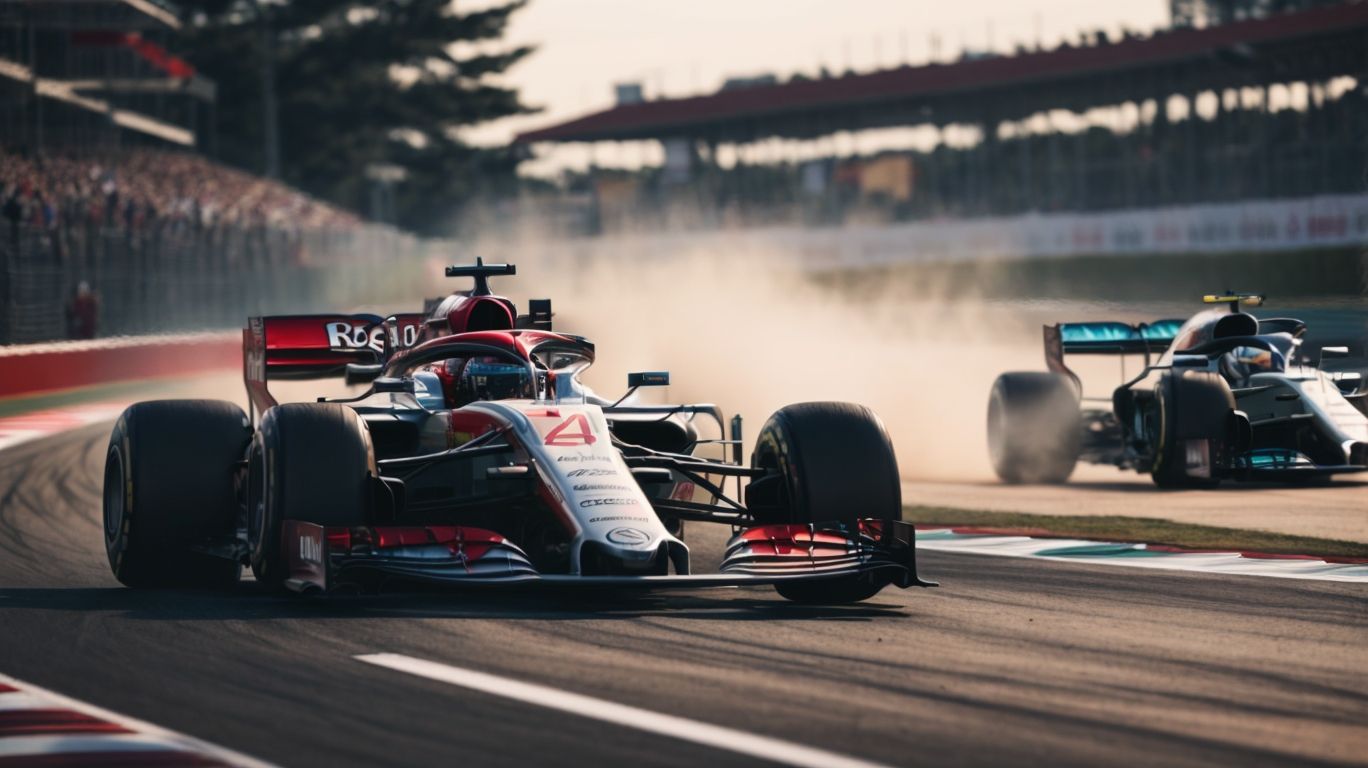
Formula 1, commonly abbreviated as F1, is the pinnacle of motorsport racing featuring the world’s most skilled drivers, cutting-edge technology, and high-speed races held on iconic circuits around the globe.
Founded in 1950, Formula 1 has a rich history that has evolved over decades, becoming one of the most prestigious racing series globally. With a global fanbase, F1 races are broadcasted in over 200 countries, attracting millions of viewers. Teams like Mercedes, Ferrari, and Red Bull Racing invest heavily in research and development to gain a competitive edge. The cars, with their advanced aerodynamics and hybrid power units, reach speeds of over 200 mph, showcasing the technological prowess of the sport. The pursuit of the Drivers’ and Constructors’ Championships fuels intense rivalries and drama season after season.
What Are The Origins Of F1?
The origins of Formula 1 can be traced back to the early 20th century, marked by the pioneering efforts of manufacturers and racing enthusiasts to establish a premier racing championship that would evolve into the globally renowned F1 we know today.
Over the years, Formula 1 has witnessed a remarkable evolution from its humble beginnings to becoming a pinnacle of motorsport excellence. The 1950s saw the inaugural season of Formula 1, with races held across iconic circuits such as Silverstone and Monza, laying the foundation for the competitive spirit that defines the sport.
Technological advancements in aerodynamics, engine performance, and safety have continually reshaped the sport, leading to faster cars and stricter regulations. Manufacturers like Ferrari, Mercedes, and McLaren have played pivotal roles in shaping the technical landscape of F1, introducing innovations that push the boundaries of engineering.
What Are The Rules Of F1?
The rules of Formula 1 encompass a comprehensive set of regulations governing aspects such as race procedures, safety standards, points allocation, qualifying criteria, and flag signals that play a crucial role in ensuring fair competition and driver safety.
Among the key technical regulations, car specifications dictate a series of requirements that teams must adhere to, including dimensions, weight limits, and power unit details. The points system, a fundamental aspect of the sport, awards drivers and teams based on their finishing positions in each race, with the ultimate goal of achieving the Drivers’ and Constructors’ Championships.
Regarding qualifying formats, the grid positions are determined through multiple stages of timed sessions, where drivers aim to set the fastest lap times to secure favorable starting positions for the race.
Stringent safety protocols are in place to safeguard drivers, with regulations on crash structures, driver equipment, and circuit specifications to minimize risks and ensure the well-being of competitors.
Technical Regulations
The technical regulations in Formula 1 govern the design and specifications of cars, encompassing aspects such as aerodynamics, engine performance, and technological innovations that push the boundaries of speed and performance.
One of the key aspects under the technical regulations is aerodynamics, where intricate designs of front and rear wings, sidepods, and diffusers are meticulously crafted to maximize downforce and reduce drag, enabling cars to corner at high speeds. Stringent engine requirements dictate the use of turbocharged V6 power units with hybrid systems, showcasing the marriage of power and efficiency. The relentless pursuit of technological advancements in materials and construction techniques results in F1 cars that are lightweight, agile, and capable of reaching incredible speeds on the track.
Sporting Regulations
The sporting regulations of Formula 1 govern the conduct of races, including procedures for championships, podium ceremonies, testing regulations, and penalties for rule infractions, ensuring fair competition and upholding the integrity of the sport.
Championship rules in Formula 1 outline the scoring system where points are awarded based on finishing position, with the driver and constructor amassing the most points becoming the World Champions. Podium protocols dictate the order in which drivers are honored on the podium after a race, with the winner at the center, joined by the second and third-place finishers. Testing guidelines regulate the limited pre-season and in-season testing allowed to teams to control costs and maintain competitive balance.
How Is F1 Organized?
Formula 1 is organized around teams comprising skilled drivers who compete in races held at various circuits worldwide, showcasing a blend of speed, strategy, and technical prowess in a high-stakes championship series.
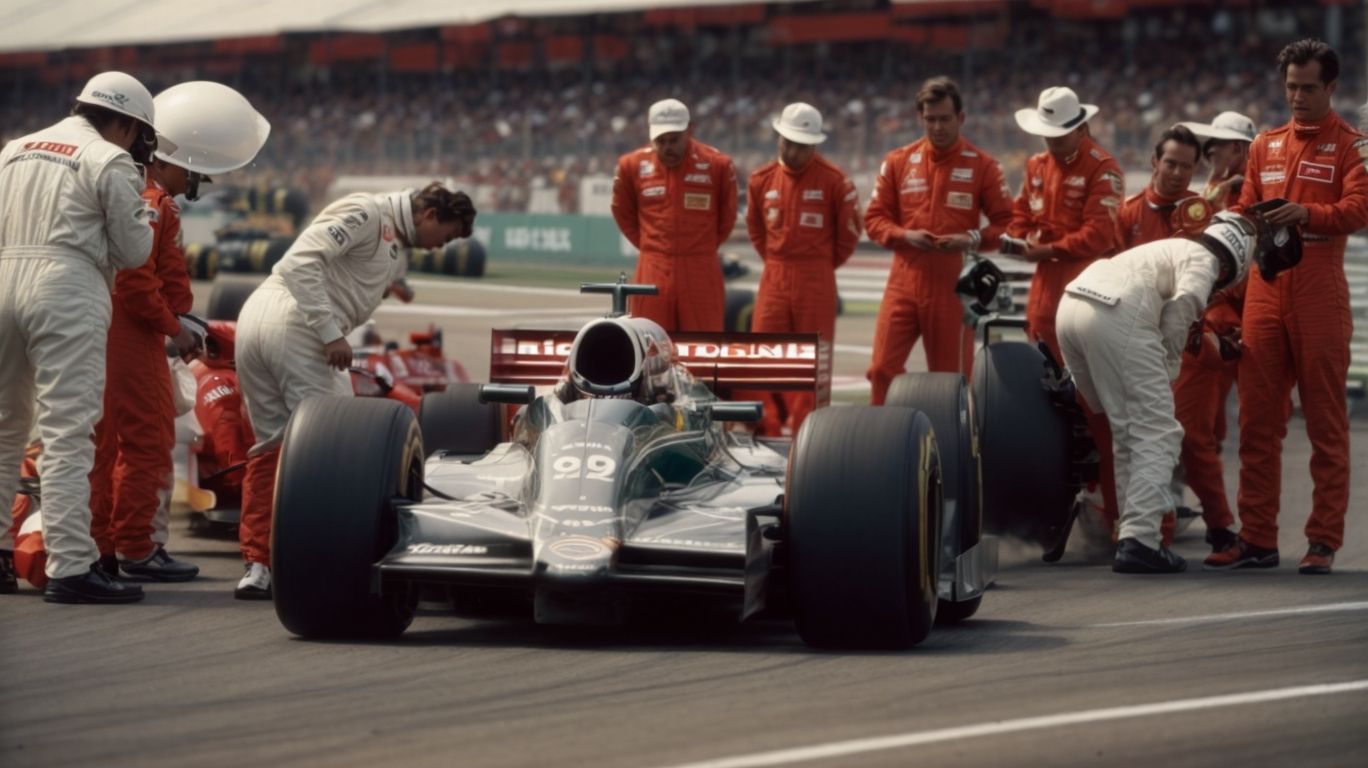
In Formula 1, teams play a vital role by designing and building high-performance cars, handling race strategies, and managing the logistics of each Grand Prix. The drivers, often considered the heroes of the sport, are the ones who push these machines to their limits on the track, demonstrating exceptional skill, bravery, and concentration under extreme pressure.
The race events, also known as Grand Prix, occur throughout the year at iconic circuits like Monaco, SPA-Francorchamps, Silverstone, and more. Each circuit presents unique challenges, from tight street tracks to high-speed venues, testing both the cars and drivers to deliver thrilling racing action.
Teams and Drivers
In Formula 1, teams consisting of constructors and drivers engage in intense competition, supported by rigorous testing and research & development efforts to enhance car performance and driver capabilities.
Constructors play a pivotal role in designing and manufacturing the Formula 1 cars. They are responsible for creating innovative and aerodynamic vehicles that can navigate the challenging circuits with precision and speed. Driver partnerships are crucial as they rely on clear communication and understanding to extract the maximum potential from the car. Testing protocols involve extensive track time to fine-tune setups and strategies, ensuring that drivers are comfortable and confident behind the wheel.
R&D initiatives focus on pushing the boundaries of technology and performance, leading to continuous evolution in both car engineering and driver skills. Teams invest significant resources in analyzing data, simulating scenarios, and implementing improvements to gain a competitive edge in the highly competitive world of Formula 1.
Races and Circuits
Formula 1 races are held at prestigious Grand Prix events hosted on diverse circuits worldwide, where drivers compete for pole position on the starting grid to gain a strategic advantage in the race.
Grand Prix races typically consist of a series of practice sessions, qualifying rounds, and the main race itself. The circuit layouts vary greatly, from iconic street circuits like Monaco to purpose-built tracks like Silverstone. Each racing weekend, drivers strive to secure the best starting position by setting the fastest lap times during qualifying. The pole position not only offers a clear track ahead but also allows the driver to dictate the pace from the front. It is a crucial element in the competitive quest for victory in the high-speed world of Formula 1.
What Are The Different Types Of F1 Races?
Formula 1 features a variety of race formats including Sprint Races, Endurance Races, and challenging encounters with backmarkers, each offering unique dynamics and strategic elements for drivers and teams.
Sprint Races in Formula 1 typically involve shorter distances, forcing drivers to push their cars to the limit in a fast-paced battle for the top positions.
Meanwhile, Endurance Races test the durability and stamina of both the drivers and their vehicles over extended periods, demanding meticulous planning and consistency.
Navigating backmarkers, slower cars, can significantly impact race strategies as drivers must carefully plan their overtaking maneuvers to avoid losing precious time. This adds an extra layer of complexity to races, requiring strong decision-making skills and adaptability from the drivers.
Grand Prix
Grand Prix events in Formula 1 culminate in thrilling podium finishes, signified by the iconic chequered flag, with teams adhering to curfew regulations that enhance safety and operational efficiency during race weekends.
Podium celebrations in Formula 1 are not just about drivers stepping on the podium; they represent the culmination of relentless teamwork, meticulous planning, and split-second decisions coming together. The podium ceremony, with the national anthems playing and champagne spraying, is the epitome of achievement and showcases the camaraderie within teams and the competitive spirit across the grid. The chequered flag , as it waves to signal the end of the race, marks not just the physical conclusion of a Grand Prix but also the emotional climax of weeks of preparation and dedication.
Sprint Race
Sprint Races in Formula 1 are high-intensity contests featuring dynamic overtaking maneuvers enabled by technologies like the Drag Reduction System (DRS), with teams utilizing practice sessions (FP1, FP2, FP3) to fine-tune race strategies.
DRS plays a pivotal role in enhancing the excitement of Sprint Races by reducing drag on straights, allowing drivers to gain speed and execute daring overtaking moves.
During practice sessions, teams not only focus on optimal setups and tire management but also gather crucial data on fuel loads, aerodynamics, and tire wear to determine the most effective race strategy.
The strategic elements in sprint-style competitions can make or break a team’s performance, as split-second decisions on tire changes, pit stops, and on-track duels can significantly impact the race outcome.
Endurance Race
Endurance Races in Formula 1 test the limits of driver endurance and car performance, requiring precise control to manage challenges like understeer while optimizing power unit efficiency to achieve the fastest laps over extended distances.
Driver endurance becomes crucial in endurance races, as they need to stay focused and physically fit for the entire race duration, enduring high G-forces and demanding track conditions. Vehicle handling nuances like understeer add another layer of complexity, requiring drivers to find the right balance between speed and control to navigate corners efficiently.
Strategic deployment of power units is key in endurance races, with teams carefully managing energy usage throughout the race to ensure peak performance when needed most. This includes judicious use of hybrid systems and fuel consumption to maintain a competitive edge.
What Are The Different Types Of F1 Cars?
Formula 1 cars are renowned for their single-seater configuration, open-wheel design, and aerodynamic precision that maximizes downforce and speed, showcasing the pinnacle of engineering excellence in motorsport.
The single-seater layout of F1 cars ensures that only the driver sits in the center, providing optimal weight distribution and control over the vehicle. The open-wheel construction not only reduces aerodynamic drag but also enhances the overall agility of the car on the track. These streamlined features, combined with cutting-edge aerodynamic innovations, such as front and rear wings and intricate diffusers, generate immense downforce, allowing the car to corner at incredibly high speeds without losing traction.
Single-seater
Single-seater F1 cars are precision-engineered machines designed for solo occupancy by drivers, with racing strategies often involving considerations of tire marbles, strategic undercuts, and the operational dynamics within the paddock area.
These incredible machines are not just high-speed vehicles; they are a blend of cutting-edge technology and aerodynamic design. In the fast-paced world of Formula 1 racing, managing tire marbles – the fragments of rubber that accumulate on the track’s racing line during a race – is crucial for maintaining grip and performance. Teams employ undercut strategies to gain an advantage by pitting before their rivals, using fresh tires and clear air to make up time, and perhaps even overtake. The paddock area functions as the nerve center where teams strategize, make critical decisions, and ensure that their cars are finely tuned for each race.”
Open-wheel
Open-wheel F1 cars feature exposed wheels that enhance aerodynamic performance and maneuverability, with exclusive areas like the Paddock Club and Parc Ferme serving as hubs for team activities and testing procedures.
These aerodynamic advantages of open-wheel F1 cars are crucial in maximizing speed and cornering capabilities on the track. The specialized zones such as the Paddock Club provide teams with a designated area for hospitality and networking during race weekends, fostering important partnerships and interactions within the F1 community.
Parc Ferme, on the other hand, is a restricted area where cars are inspected post-race to ensure compliance with regulations and fair competition. This strict protocol helps maintain the integrity of the sport and creates a level playing field for all teams involved.
Aerodynamic Design
Aerodynamic design plays a critical role in optimizing F1 car performance, focusing on generating downforce, incorporating advanced terminology, and achieving unparalleled speed and handling capabilities on the race track.
Downforce is a key element in aerodynamic design, pressing the car onto the track to enhance grip through corners and ensure stability at high speeds. Engineers use intricate air channels and complex geometries to manipulate airflow, creating suction forces that help the car stick to the tarmac with precision. This downforce not only improves cornering performance but also aids in reducing drag for higher straight-line speeds, elevating the overall efficiency of the vehicle. The intricate balance between downforce and drag defines the aerodynamic efficiency of an F1 car, influencing its lap times and competitiveness on the circuit.
What Are The Benefits Of Watching F1?
Watching Formula 1 offers fans a thrilling experience filled with high-speed action, technological marvels, and a glimpse into the future of sustainable racing practices, making it a captivating and educational spectacle for enthusiasts worldwide.
One of the key advantages of indulging in the world of Formula 1 is the sheer entertainment value it brings. The adrenaline-pumping races, with cars zooming around challenging tracks, are a visual treat for viewers, keeping them at the edge of their seats throughout. The intricate technological innovations showcased in every race provide a fascinating insight into the cutting-edge advancements in the world of motorsport, offering a preview of what the automotive industry has in store for the future. The sustainability initiatives undertaken by Formula 1 to reduce carbon emissions and promote eco-friendly practices not only make the sport environmentally conscious but also shed light on the evolving landscape of sustainable racing.
How Has F1 Evolved Over The Years?
Formula 1 has undergone a remarkable evolution marked by technological advancements, regulatory changes, and adaptations like budget restrictions and penalty systems that have shaped the sport’s competitiveness and sustainability over the years.
This evolution began with the inception of Formula 1 in 1950, transcending from its roots in European Grand Prix racing to a global phenomenon that now hosts races on every continent except Antarctica. The sport has seen a dramatic increase in safety standards, driven by tragic accidents like Ayrton Senna’s fatal crash in 1994, leading to the implementation of intensive safety protocols such as the introduction of the HANS device and improved circuit designs to protect drivers.
Frequently Asked Questions
What Does F1 Mean?
F1 stands for Formula One, which is the highest class of single-seater auto racing sanctioned by the Fédération Internationale de l’Automobile (FIA).
What is the significance of F1?
F1 is considered the pinnacle of motorsport due to its high speeds, advanced technology, and top-tier drivers.
How is F1 different from other forms of motorsport?
F1 cars are specifically designed for racing on closed circuit tracks, with strict regulations on technical specifications and aerodynamics. It also has a global reach and attracts millions of fans worldwide.
Who are the top teams in F1?
Currently, the top teams in F1 include Mercedes, Red Bull, and Ferrari, who have dominated the sport in recent years.
What role do drivers play in F1?
Drivers in F1 are highly skilled and talented athletes who play a crucial role in the success of a team. They require physical and mental stamina, as well as strategic decision-making abilities, to excel in this fast-paced sport.
How can I watch F1 races?
F1 races can be watched live on television, online through streaming services, or by attending races in person. Check your local listings for broadcast schedules and availability.