Why Does F1 Still Race at Monaco?
The Monaco Grand Prix holds a special place in the world of Formula 1 racing, known for its rich history, unique challenges, and undeniable glamour. From its beginnings to its current status as the jewel of the F1 calendar, Monaco has captivated fans and drivers alike.
But why does F1 continue to race at Monaco, despite the technical difficulties and high stakes involved?
In this article, we will explore the history, significance, and future of racing in Monaco, shedding light on what makes this iconic event so timeless and enduring.
Key Takeaways:
History of the Monaco Grand Prix
The Monaco Grand Prix has a rich history in Formula One racing, serving as a pinnacle event for drivers, constructors, and fans alike, with a legacy of prestigious victories in both the European and World Championships.
First held in 1929, the Monaco Grand Prix is one of the oldest and most iconic races on the Formula One calendar. Its unique street circuit, winding through the glamorous streets of Monte Carlo, presents a formidable challenge even to the most seasoned drivers, demanding exceptional skill, precision, and nerve. Over the years, legends such as Ayrton Senna, Graham Hill, and Stirling Moss have conquered the twists and turns of the Monaco track, etching their names in the annals of motorsport history.
How Did the Monaco Grand Prix Begin?
The Monaco Grand Prix traces its roots back to the vision of Antony Noghès, who, with the support of the Automobile Club de Monaco and Prince Louis II, established the race as a premier event that attracted legendary drivers like Louis Chiron and showcased iconic vehicles such as the Bugatti Type 35B and the achievements of William Grover-Williams and René Dreyfus.
The Monaco Grand Prix, first held in 1929, emerged as a unique event challenging the winding streets of Monte Carlo, encapsulating the glamour and thrill of Formula One racing.
Antony Noghès, a passionate motorsport enthusiast, was instrumental in persuading Prince Louis II to visualize a race course through Monaco’s streets, setting the stage for the race’s rich legacy.
Drivers like Louis Chiron, a local hero, left an indelible mark on the event’s history with his remarkable performances, elevating the race to international prominence.
The Bugatti Type 35B, with its distinctive design and speed prowess, became synonymous with the Monaco Grand Prix and continues to evoke nostalgia among racing enthusiasts.
What Makes the Monaco Grand Prix Unique?
The Monaco Grand Prix stands out as a unique race due to its challenging track layout, historical significance in both the European and World Championships, unpredictable elements like stormy weather and crashes, and past safety concerns that led to innovations like Armco barriers and advancements in driver protection, all against the backdrop of iconic battles between manufacturers like Mercedes-Benzes and Auto Union.
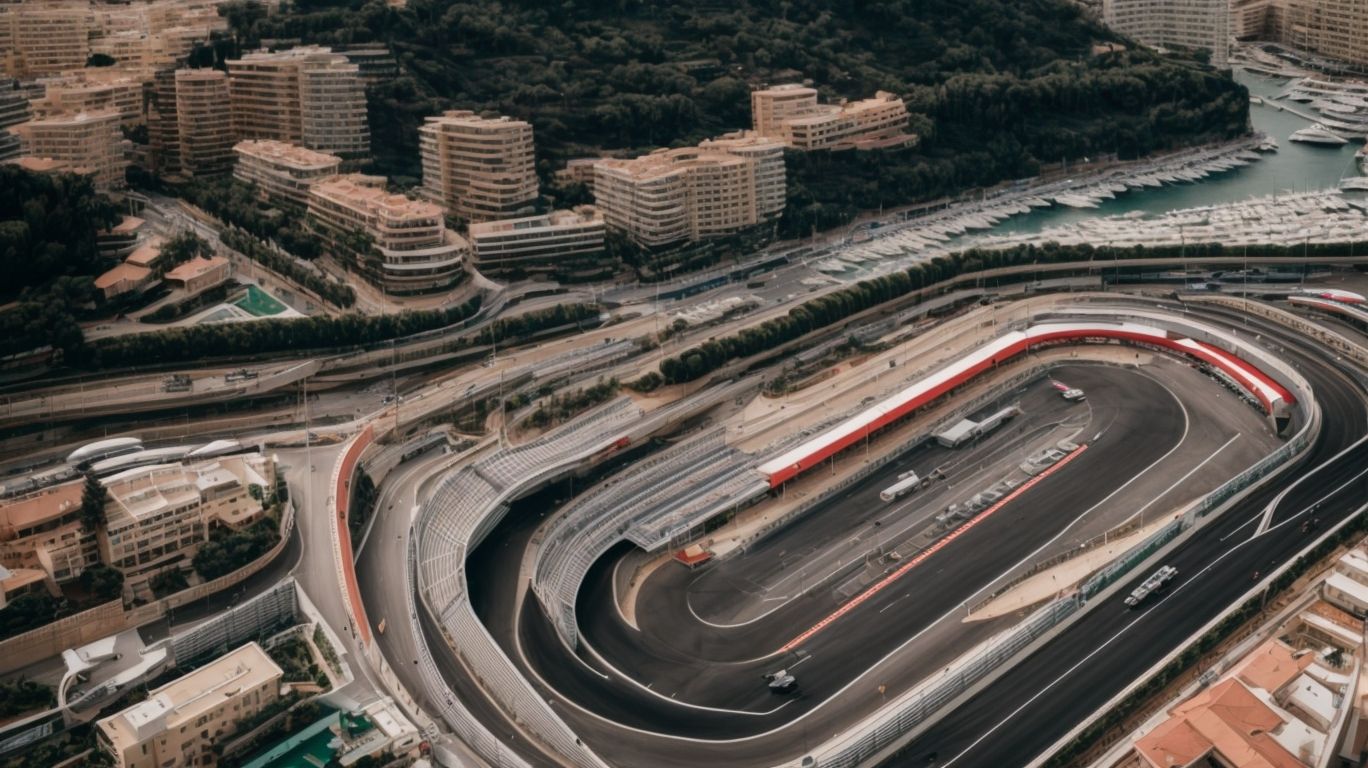
One of the most notable aspects of the Monaco Grand Prix is the tight and twisty street circuit that winds through the luxurious streets of Monte Carlo, creating an unparalleled thrill for drivers and spectators alike. The race’s prestige is further elevated by its inclusion in the Formula One World Championship calendar, attracting top teams and drivers vying for glory amidst the glamorous backdrop of casinos and yachts. The narrow confines of the circuit pose a daunting challenge, testing the skill and precision of the drivers at every turn.
Why is Monaco Considered the Jewel of the F1 Calendar?
Monaco holds a special place as the jewel of the F1 calendar due to its glamorous setting, prestigious history, demanding track layout characterized by elevation changes, tight corners on narrow streets, and its unrivaled importance as a showcase event for the sport.
The allure of Monaco lies not only in its luxurious backdrop but also in the adrenaline-pumping technical challenges it presents to drivers. The narrow streets lined with iconic buildings demand pinpoint accuracy, leaving no room for error. Drivers navigate the circuit with precision, battling the tight hairpin turns and steep inclines that provide a true test of skill and courage.
The atmosphere during the Monaco Grand Prix is electric, with celebrities, royals, and enthusiasts flocking to witness this high-profile event. The glamorous parties and exclusive events surrounding the race add to the prestige of the occasion, making it a must-attend affair for the elite in the world of motorsport.
The Significance of Tradition in F1 Racing
Tradition holds immense significance in F1 racing, with iconic races like the Monaco Grand Prix exemplifying the balance between preserving historical elements and adapting to modern demands through physical changes and track alterations that enhance competition while maintaining the challenge of overtaking on historic circuits.
One of the key aspects of tradition in Formula One is the rich history that races like the Monaco Grand Prix carry with them. This prestigious event, held on the narrow, winding streets of Monte Carlo, showcases the evolution of racing technology and techniques over the years. While the essence of the race remains rooted in its traditional setting, modifications to the circuit have been made to address safety concerns and improve overtaking opportunities.
What Role Does Tradition Play in F1 Racing?
Tradition serves as a guiding principle in F1 racing, influencing decisions on heritage races, contractual agreements, and the delicate balance between upholding tradition while making essential physical changes and track alterations to enhance overtaking opportunities and keep pace with evolving standards.
Heritage races in Formula One hold a special place in the hearts of fans and teams alike, embodying the rich history and prestige of the sport. These races often come with longstanding contractual obligations that bind teams and organizers to continue hosting them, preserving the legacy of iconic circuits such as Monza, Silverstone, and Monaco.
As the sport progresses, there is a careful dance between honoring these traditions and modernizing circuits to meet the demands of contemporary racing. Circuit upgrades must strike a delicate balance between maintaining the essence of the track’s character and improving safety standards and technical capabilities to cater to the evolving needs of drivers and teams.
How Does Monaco Embody F1’s Rich History?
Monaco epitomizes Formula One’s rich history and cultural significance, with its storied racetracks weaving a tapestry of heritage, commercial terms, and economic contributions that showcase the enduring legacy of the sport and its deep-rooted ties to the principality.
From the iconic twists and turns of the Monaco Grand Prix to the glamorous backdrop of the Mediterranean coastline, every aspect of this prestigious event reflects the opulence and allure of the principality.
Monaco’s streets, once filled with the roars of engines and cheers of spectators, now serve as a living museum of racing history, attracting enthusiasts and historians alike to trace the footsteps of legendary drivers.
The annual influx of tourists and elite influencers not only bolsters Monaco’s economy but also solidifies its position as a global hub for luxury, sophistication, and speed.
The Technical Challenges of Racing in Monaco
Racing in Monaco presents drivers with unparalleled technical challenges due to the circuit’s intricate layout featuring dramatic elevation changes, tight corners along narrow streets, and demanding conditions that require precision, skill, and adaptability to navigate the unforgiving track.
The Monaco Grand Prix stands out as a jewel in the F1 calendar, offering a unique blend of history and glamour intertwined with the sheer complexity of the on-track action. The tight, twisting nature of the circuit demands split-second decision-making as drivers thread their cars through the winding streets, brushing against barriers that leave no room for error. This high-pressure environment requires drivers to master the art of concentration and control, with every centimeter of the track posing a new challenge.
What Makes Monaco a Difficult Track to Race On?
Monaco stands out as a highly challenging track for F1 drivers, notorious for safety concerns, unexpected incidents, and past crashes that have shaped the implementation of safety car protocols and the advocacy for driver protection, as highlighted by legends like Jackie Stewart.
The circuit’s narrow streets and tight corners require absolute precision, with drivers navigating perilously close barriers and unforgiving run-off areas. Monaco’s unique setting presents a scenic yet treacherous backdrop, where any mistake can result in a catastrophic collision, as seen in iconic incidents like Gilles Villeneuve’s crash in 1980.
Despite its reputation for being an unforgiving track, Monaco has also been at the forefront of safety innovations, with improvements like enhanced barriers, run-off areas, and driver protection systems continually evolving to enhance safety standards. Drivers like Jackie Stewart, who suffered his share of accidents, have been instrumental in pushing for these advancements, leading to a greater focus on driver safety in Formula 1.
How Do Drivers Prepare for the Monaco Grand Prix?
Drivers meticulously prepare for the Monaco Grand Prix by honing overtaking skills, devising strategic tire strategies, and optimizing qualifying performances to secure advantageous grid positions, reflecting the meticulous planning and precision required to excel on the challenging Monte Carlo circuit.
One crucial aspect of the preparation involves practicing different overtaking maneuvers to navigate through tight corners and limited passing opportunities that characterize the narrow streets of Monaco. F1 drivers often focus on perfecting their braking points and acceleration out of corners, essential for overtaking rivals in the race.
In addition, tire management is paramount at the Monaco Grand Prix, given the abrasive nature of the street circuit that puts a premium on tire wear. Teams analyze data from practice sessions to determine the optimal tire compounds and strategies to maximize grip levels and minimize pit stops during the race.
The Glamour and Prestige of Racing in Monaco
Racing in Monaco exudes unparalleled glamour and prestige, attracting celebrities and high-profile figures to witness the blend of speed, skill, and sophistication that defines this important event on the Formula One calendar.
The Monaco Grand Prix is not just a race; it’s a cultural phenomenon, a dazzling display of opulence against the backdrop of the Mediterranean Sea. As the cars zip through the iconic streets lined with luxury yachts and designer boutiques, the air is filled with excitement and anticipation.
Celebrities like George Clooney and Beyoncé flock to the Principality, adding to the allure of the event. The glitz and glamour of Monaco perfectly complement the high-octane world of Formula One, creating a spectacle that transcends mere racing.
What Attracts Celebrities and High-Profile Figures to the Monaco Grand Prix?
The Monaco Grand Prix’s allure extends beyond racing excellence, captivating celebrities and high-profile individuals with its blend of glamour, prestige, corporate hospitality, and exclusive sponsorship opportunities that create a unique atmosphere of luxury and entertainment synonymous with Monte Carlo’s lifestyle.
Each year, the Monaco Grand Prix becomes a star-studded affair as A-list celebrities from the worlds of entertainment, sports, and business flock to the principality to witness the exhilarating races and partake in the high-society festivities. The allure of rubbing shoulders with fellow VIPs and enjoying premium views from luxury hospitality suites overlooking the iconic track adds to the event’s appeal.
The race serves as a platform for exclusive sponsorship engagements, offering brands the opportunity to align themselves with the sophistication and opulence associated with Monaco. From extravagant parties to bespoke experiences, participants can indulge in a world of luxury that epitomizes the essence of the Monaco Grand Prix.
How Does the Prestige of Monaco Impact the F1 World?
The prestige of the Monaco Grand Prix resonates throughout the F1 world, embodying a blend of heritage, tradition, and exclusive television rights overseen by organizations like the Fédération Internationale du Sport Automobile (FISA) that elevate the race to an iconic status within the global motorsport community.
Monaco’s rich history in motorsport dates back to 1929 when the first Grand Prix took place through the city streets, setting the stage for decades of glamour and excitement. This prestigious event not only attracts racing enthusiasts but also captivates a worldwide audience with its luxurious backdrop and challenging track layout that demands skill and precision from drivers. The collaboration between FISA and broadcasting networks ensures that the race is showcased to millions of viewers worldwide, further solidifying Monaco’s position as a jewel in the Formula One crown.
The Future of Racing in Monaco
The future of racing in Monaco holds promise under the leadership of key figures like Stefano Domenicali, who are adept at negotiating lucrative deals, securing sponsorships, and optimizing television rights to ensure the continued success and global appeal of the iconic Monaco Grand Prix.
One of the key areas of focus for enhancing the Monaco Grand Prix entails attracting top-tier sponsorships that not only bring financial backing but also elevate the prestige and reach of the event. Through strategic partnerships with leading brands, the Monaco Grand Prix can expand its global footprint and attract a broader audience.
The negotiations orchestrated by seasoned individuals like Stefano Domenicali play a pivotal role in securing advantageous deals that benefit all stakeholders involved, from teams and drivers to organizers and broadcasters.
Will Monaco Continue to be a Staple in the F1 Calendar?
The perennial question of Monaco’s place in the F1 calendar hinges on balancing tradition with necessary physical changes and track alterations to sustain its status as an important fixture in motorsport, prompting ongoing deliberations on how to preserve the essence of the legendary race while adapting to evolving demands and standards.
The Monaco Grand Prix holds a unique allure, epitomizing a bygone era of glamour and prestige in Formula One. As the oldest and one of the most prestigious races on the F1 circuit, Monaco’s history is intertwined with the very fabric of the sport. Critics argue that the tight and twisty street circuit poses challenges in terms of overtaking opportunities and overall safety standards, leading to calls for modernization and potential layout modifications while respecting its iconic features.
How Will the Evolution of F1 Cars Affect Racing in Monaco?
The evolution of F1 cars introduces new dynamics to racing in Monaco, stirring up heritage echoes, injecting drama into tire strategies, and reshaping the intensity of qualifying sessions, as the sport navigates the fine line between tradition and innovation on the iconic streets of Monte Carlo.
With the advancement of technology, F1 cars have become marvels of engineering, pushing the boundaries of speed and performance, which adds an extra layer of excitement to the Monaco races. The intricate dance between man and machine, heightened by the challenging twists and turns of the Monte Carlo circuit, creates a spectacle that captivates fans worldwide. Tire selection has become a strategic game of chess, where split-second decisions can make or break a driver’s performance, while the evolving designs of these racing machines continue to redefine the limits of what is achievable on the track.
Frequently Asked Questions
Why Does F1 Still Race at Monaco?
Formula One has been racing at Monaco for over 90 years, but why does it continue to be a staple on the racing calendar? Here are some frequently asked questions and answers about this iconic race.
What is the history behind F1 racing at Monaco?
The Monaco Grand Prix was first held in 1929 and quickly became known as one of the most prestigious races in the world. It has been a mainstay on the F1 calendar since the inaugural season in 1950.
Why is Monaco considered the crown jewel of F1?
Monaco is a unique street circuit that tests the skills of the drivers like no other track on the calendar. The narrow roads, tight turns, and high speeds make it a thrilling and challenging race for both spectators and drivers.
How does the location of Monaco contribute to its appeal?
The glamorous backdrop of Monaco, with its luxury yachts and iconic landmarks, adds to the allure of the race. It’s not just about the racing, but also the atmosphere and prestige of the event.
What challenges do drivers face at the Monaco Grand Prix?
The tight and twisty track makes it difficult for drivers to overtake, so qualifying is crucial for a good result. The close barriers also leave no room for error, making it a high-pressure and demanding race for the drivers.
Is there any significance to the date of the Monaco Grand Prix?
Traditionally, the Monaco Grand Prix takes place on the last weekend in May, coinciding with the Cannes Film Festival. This has led to many celebrities and high-profile guests attending the race, adding to its prestige and glamour.
Why has F1 continued to race at Monaco for so many years?
Despite its challenging layout and high costs, the Monaco Grand Prix remains a popular event for fans and teams alike. Its rich history, unique atmosphere, and glamour make it an irreplaceable fixture on the F1 calendar.