What Tyres Do F1 Use in Rain?
Curious about the different types of tyres used in F1 racing, especially in rainy conditions?
From slick tyres to wet and intermediate tyres, each plays a crucial role in determining grip, speed, and performance on the track.
Let’s explore the importance of tyres in F1 racing and the safety precautions drivers must consider when facing wet or intermediate track conditions.
Key Takeaways:
What are the Different Types of Tyres Used in F1 Racing?
In Formula One racing, various types of tyres are utilized to cater to different track conditions and car performance.
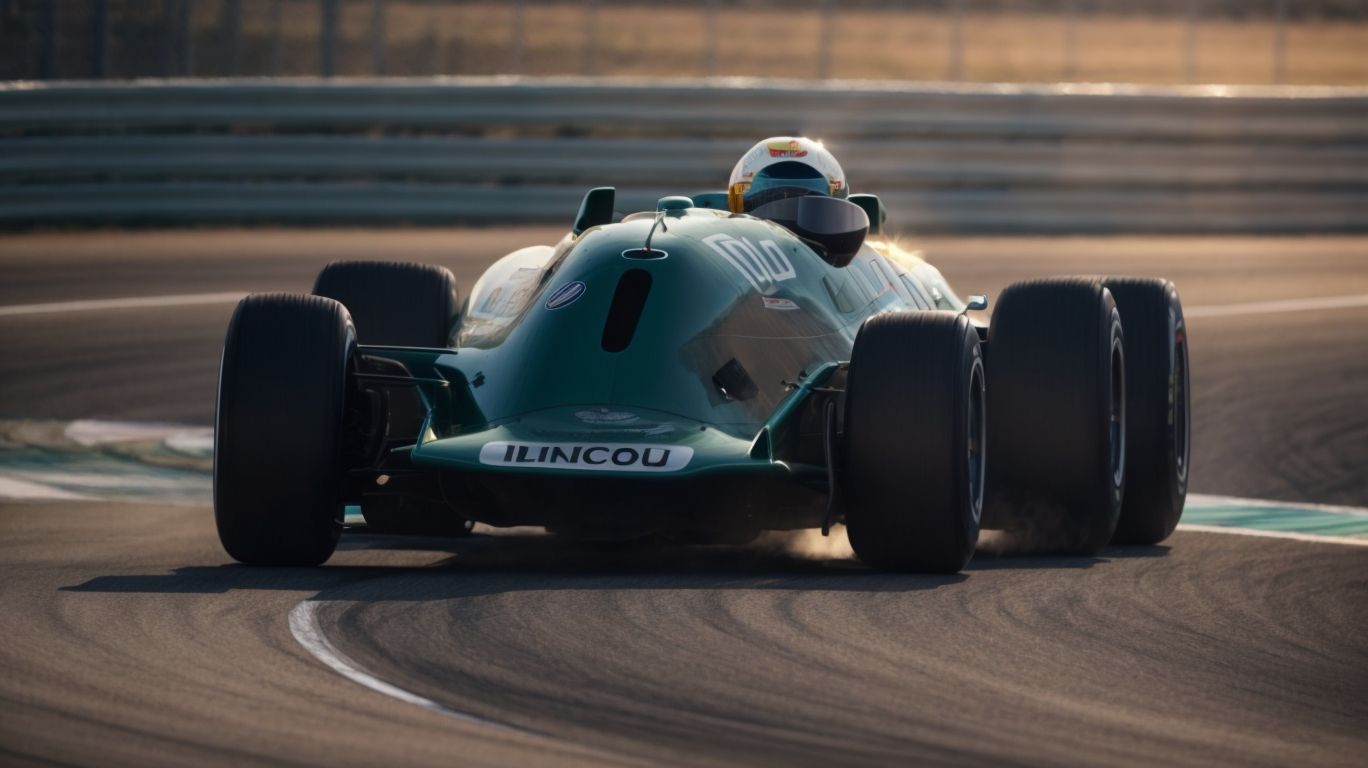
For dry weather racing, teams commonly use slick tyres due to their smooth surface without any tread pattern, providing maximum contact area with the track. These tyres are designed to offer optimal grip and minimize rolling resistance.
On the other hand, intermediate tyres feature a specific tread pattern to disperse water on damp tracks, enhancing traction and preventing aquaplaning.
Wet weather tyres, often referred to as full wets, have deep grooves to channel water away, ensuring safety and control in heavy rain conditions.
Slick Tyres
Slick tyres are a type of tyre used in racing that feature a smooth tread without any channels or patterns, maximizing contact with the track surface for optimal performance.
These tyres are constructed using specialized rubber compounds that prioritize high levels of grip and durability. The absence of grooves or siping allows the entire tyre surface to make direct contact with the track, enhancing traction and cornering capabilities. This design minimizes deformation during high-speed cornering, promoting stability and responsiveness in handling.
Wet Tyres
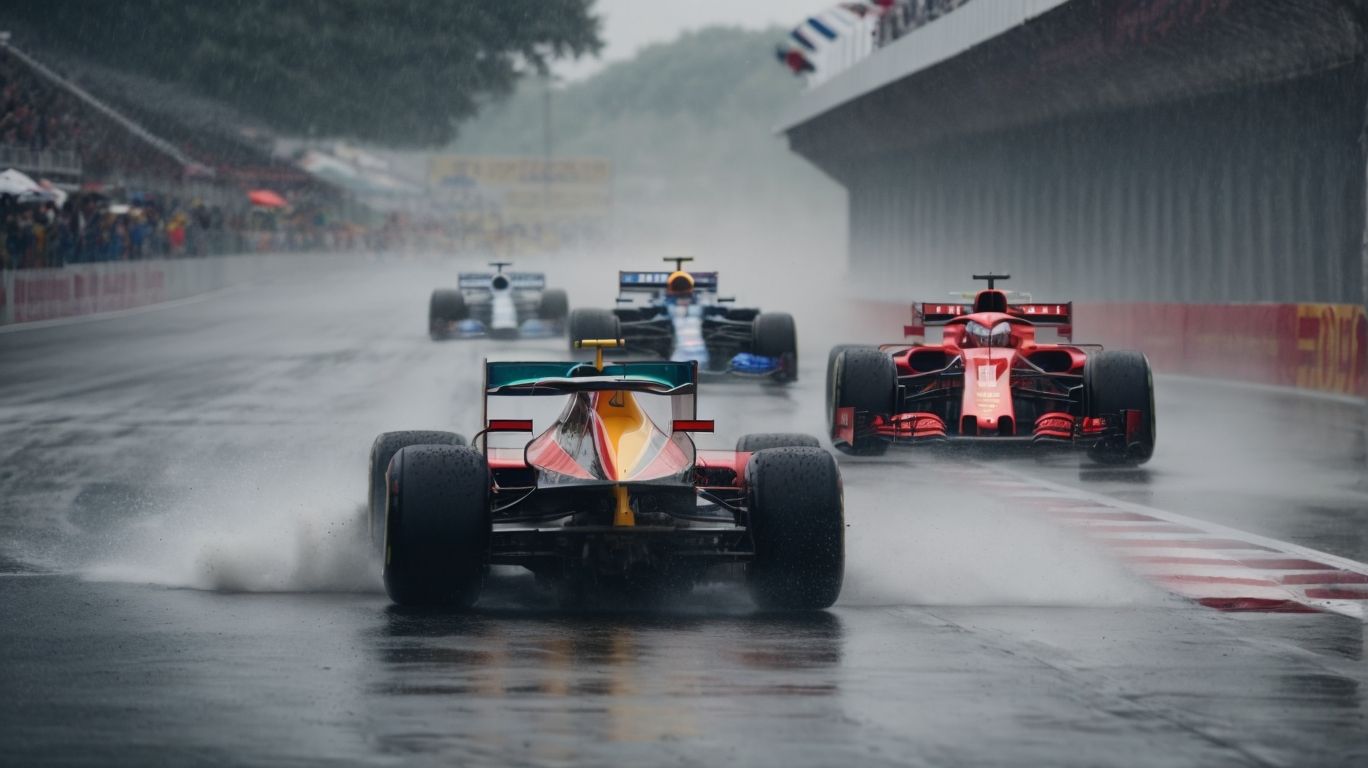
Wet tyres are specifically designed for use in rainy conditions, featuring deep grooves and a softer rubber compound to provide enhanced grip and water dispersion on wet tracks.
These specialized tyres play a crucial role in Formula 1 races when rain disrupts the track surface, ensuring drivers can maintain control and stability by tackling hydroplaning risks with their advanced design.
The deep grooves, also known as tread patterns, help to evacuate water from the tire’s contact patch, reducing the risk of aquaplaning and enhancing overall traction.
Driver safety is paramount in wet weather, and these high-performance wet tyres are a key factor in maintaining optimal safety standards on the track.
Intermediate Tyres
Intermediate tyres bridge the gap between wet and slick tyres, offering a balance of performance and durability on damp or drying track conditions.
These tyres are designed to provide adequate grip on tracks with mixed levels of moisture, allowing drivers to maintain decent speeds without compromising safety. The unique compound compositions of intermediate tyres enable them to sustain higher temperatures than wet tyres, ensuring consistent performance even as the track transitions from damp to dry. This versatility makes them a popular choice in racing events where weather conditions can change suddenly, requiring drivers to adapt quickly to the track surface.
Why are Tyres Important in F1 Racing?
Tyres play a crucial role in Formula One racing, directly impacting a car’s performance, handling, and overall speed on the track.
Optimal tyre selection and management can make the difference between winning and losing a race. The intricate design of modern F1 tyres involves advanced materials and construction techniques to achieve high levels of grip and durability. Teams invest significant resources in tire development, constantly fine-tuning compounds and tread patterns through extensive testing programs. These bespoke tyres are tailored to specific track conditions, temperature ranges, and even individual driver preferences, influencing aerodynamics and overall vehicle performance. Strategies around tyre choice and pit stops can be game-changers, determining race outcomes.
Grip and Traction
Grip and traction are essential factors influenced by tyres, dictating the car’s ability to maintain control, accelerate, and navigate corners effectively.
In terms of F1 racing, the grip provided by the tyres determines how well the car grips the track surface. The greater the traction, the more confidence the driver has to push the limits on each corner, leading to improved lap times. Feedback from the driver during races is crucial, as they can provide insights on the grip levels and make adjustments accordingly. Safety considerations play a significant role, as optimal grip and traction can prevent accidents by enhancing control and stability, especially in challenging racing conditions.
Speed and Performance
Tyres directly influence the speed and performance of an F1 car, with specific design requirements and testing limitations aimed at maximizing on-track competitiveness.
One crucial aspect of tyre specifications in Formula One is the balance between grip and durability. The tread design, compound composition, and overall structure greatly impact how well the tyres adhere to the track surface without wearing out too quickly. Engineers meticulously analyze data from wind tunnel testing and simulations to optimize aerodynamic forces and thermal management around the tyres. These advancements allow teams to fine-tune their setups for different track conditions, enabling drivers to extract maximum performance under varying circumstances.
What Tyres do F1 Drivers Use in Rain?
During rainy conditions, F1 drivers opt for specialized wet tyres designed to provide superior grip and control on wet tracks, ensuring safety and performance in challenging weather scenarios.
These wet tyres are specifically crafted to disperse water efficiently, preventing aquaplaning and maintaining traction even in the wettest of conditions. By channelling water away from the tyre surface, they allow for consistent contact with the track, enhancing responsiveness and reducing the risk of sliding.
Teams meticulously strategize their tyre choices during wet races, considering factors like track temperature, rainfall intensity, and the driver’s individual style and feedback. Some drivers may prefer a more aggressive wet tyre setup to extract maximum performance, while others opt for a more balanced approach seeking stability and durability.
Wet Tyres
Wet tyres in F1 are specifically designed to combat heavy rain and standing water on tracks, offering enhanced water dispersion and grip to maintain driver safety and performance.
These specialized rain tyres are crucial for drivers when facing challenging wet weather conditions on the circuit. The deeper grooves and unique tread patterns enable them to disperse water efficiently, preventing aquaplaning and providing increased traction. This improved grip allows drivers to navigate corners with more confidence and control, reducing the risk of sliding or losing control in slippery conditions.
Intermediate Tyres
Intermediate tyres serve as a middle-ground option for F1 drivers in changing weather conditions, offering sufficient grip, resistance to aquaplaning, and performance stability when faced with heavy rain.
One of the key advantages of intermediate tyres lies in their versatility in handling varying rain intensities. This flexibility allows drivers to push the limit in changing conditions without compromising their performance. Their specific tread patterns help to resist aquaplaning by effectively channeling water away from the tyre surface, thus maintaining crucial contact with the track.
Another notable benefit is the enhanced track grip provided by intermediate tyres. Their unique rubber compounds and designs maximize traction on wet surfaces, enabling drivers to maintain control and achieve faster lap times even in challenging weather conditions.
How are Wet Tyres Different from Slick Tyres?
Wet tyres differ from slick tyres through their specialized tread patterns, softer rubber compounds, and enhanced water dispersion capabilities, ensuring superior grip and control on wet asphalt surfaces with reduced spray.
One crucial aspect that sets wet tires apart is their deeper grooves and channels, which help evacuate water efficiently to prevent hydroplaning. This feature allows the tyre to maintain contact with the track, delivering maximum traction and stability. Performance-wise, wet tyres exhibit slower lap times compared to slick tyres on dry surfaces due to their softer compounds and the design features that prioritize water dispersal over outright grip.
How are Intermediate Tyres Different from Wet and Slick Tyres?
Intermediate tyres offer a blend of characteristics from wet and slick tyres, providing moderate grip levels, durability, and mechanical traction on partially wet or drying asphalt surfaces compared to their wet and slick counterparts.
One of the key features that set intermediate tyres apart is their ability to adapt to transitioning track conditions. As the track starts to dry up after rain or the conditions are not fully wet, these tyres come into their own, offering the driver a balance between grip and movement.
Variable grip is a crucial factor in the performance of intermediate tyres. They are designed to provide the driver with a consistent level of traction even as the track conditions change, allowing for more precise control and stability during races where the weather is unpredictable.
What Factors Determine the Use of Wet or Intermediate Tyres in Rainy Conditions?
The selection between wet and intermediate tyres in rainy conditions depends on factors such as rain intensity, track conditions, and ambient temperature, influencing driver strategy and tyre performance.
The given text is already enclosed within
tags, so no further formatting is needed.
Rain Intensity
Rain intensity serves as a critical determinant for tyre selection in F1 races, with varying levels of water accumulation influencing grip, performance, and FIA safety protocols.
When rain intensity increases during a race, the track surface becomes more challenging for drivers, as the water accumulation can drastically alter the behaviour of the tyres. In these conditions, tyre grip becomes a paramount concern for teams, affecting not only performance but also safety measures mandated by the FIA. Teams must adhere to strict regulations set by the governing body to ensure driver safety in these challenging conditions.
Technological advancements play a significant role in addressing the unique demands of changing weather conditions. Specialized wet-weather tyres designed to disperse water efficiently and maintain optimum grip are crucial in enhancing performance and keeping drivers safe. Teams invest heavily in research and development to create tyres that can handle varying rain intensities while meeting stringent performance standards set by FIA.
Track Conditions
The track conditions, including surface temperature, water accumulation, and grip levels, play a crucial role in determining the appropriate tyre choice between wet and intermediate options for optimal performance.
Surface temperature greatly affects the way tyres interact with the track, impacting their grip and durability. In Formula 1, drivers and teams meticulously analyze the asphalt’s warmth level to select compounds that offer the best balance of grip and consistency. Assessing the water accumulation on the surface is key in deciding whether wet or intermediate tyres are needed to maintain sufficient traction and prevent aquaplaning.
Temperature
Ambient temperature affects tyre performance and compound functionality, with temperature fluctuations influencing grip, compound responsiveness, and overall resistance to wear and degradation on the track.
The behavior of Formula 1 tyres is intricately linked to the ambient temperature surrounding the race track. As the mercury rises or falls, the tyre compounds undergo dynamic changes, altering their grip levels and how they respond to the track surface. High temperatures can lead to softer compounds becoming too sticky, affecting the responsiveness of the tyre and its ability to maintain optimal grip through corners. On the flip side, low temperatures can cause harder compounds to struggle for grip, leading to challenges in achieving the desired level of traction during acceleration and braking.
What are the Safety Precautions for Using Wet or Intermediate Tyres in Rainy Conditions?
Safety precautions while using wet or intermediate tyres in rainy conditions involve monitoring tyre wear, maintaining optimal grip levels, and adjusting driving techniques to ensure consistent performance and driver safety on wet tracks.
One critical aspect of handling wet or intermediate tyres in Formula 1 races is the continual assessment of grip levels. Drivers must adapt their driving style to optimize the tyre’s performance and maintain traction on rain-soaked circuits. Managing the tyre compound strategy plays a pivotal role in achieving a balance between grip and durability over the course of a race.
Safe handling of wet tyres necessitates regular communication between the team and the driver to make informed decisions regarding pit stops and tyre changes. Ensuring proper tread depth and tire pressure is essential for peak performance in challenging weather conditions.
Frequently Asked Questions
What Tyres Do F1 Use in Rain?
1. What type of tyres are used in F1 races when it rains?
F1 cars use special wet weather tyres, designed specifically for racing in wet conditions. These tyres have a different tread pattern and are made from a softer compound to provide better grip on a wet track.
2. How are wet weather tyres different from regular F1 tyres?
Wet weather tyres have a deeper tread pattern and are made from a softer compound to allow them to disperse water more effectively. This helps to prevent aquaplaning and provides better traction on a wet track.
3. Do all F1 teams use the same wet weather tyres?
Yes, all F1 teams are required to use the same wet weather tyres provided by the official tyre supplier for the season. This ensures fairness and consistency among all teams during wet races.
4. How do F1 teams decide when to switch to wet weather tyres during a race?
The decision to switch to wet weather tyres is made by the team’s strategists and race engineers, based on various factors such as track conditions, weather forecast, and the driver’s feedback. It is a critical decision that can greatly impact a team’s performance in the race.
5. Are wet weather tyres used in all F1 races?
No, wet weather tyres are only used when the track is wet or damp. If the track is fully dry, teams will use regular dry weather tyres for optimal performance. However, wet weather tyres must always be available during a race in case of unexpected rain.
6. How do wet weather tyres affect the speed and handling of an F1 car?
Wet weather tyres have a softer compound and different tread pattern, which provides more grip on a wet track. However, this can also result in slower lap times and reduced handling compared to dry weather tyres. It takes skill and experience for drivers to adapt to these changes during a wet race.