Will Refueling Return to F1?
Refueling in Formula 1 has always been a hot topic of debate among fans and experts alike.
We will explore the reasons why refueling was banned in F1, the potential pros and cons of bringing it back, and the possible impact it could have on race strategy.
We will also take a closer look at the arguments for and against refueling, as well as the changes that would need to be made for it to return.
Will refueling make a comeback in F1? Let’s find out.
Key Takeaways:
What is Refueling in F1?
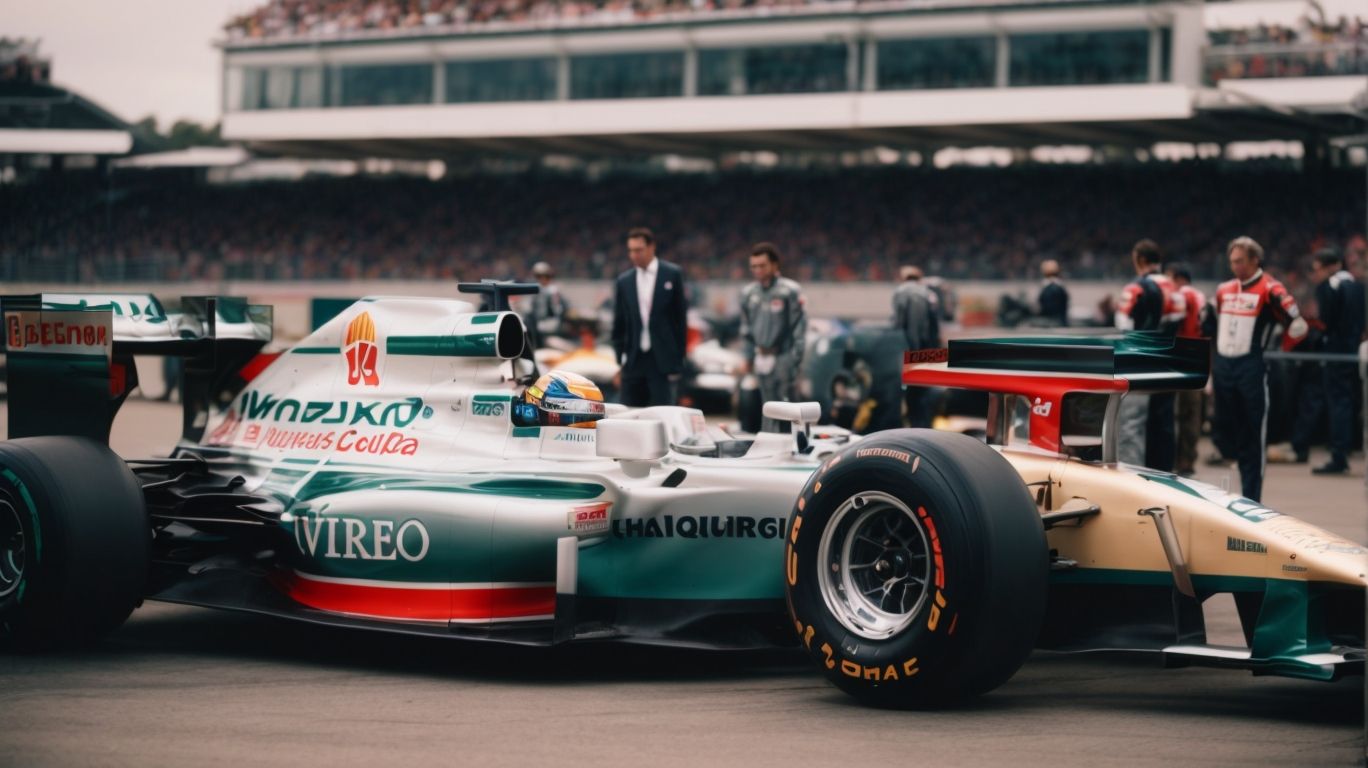
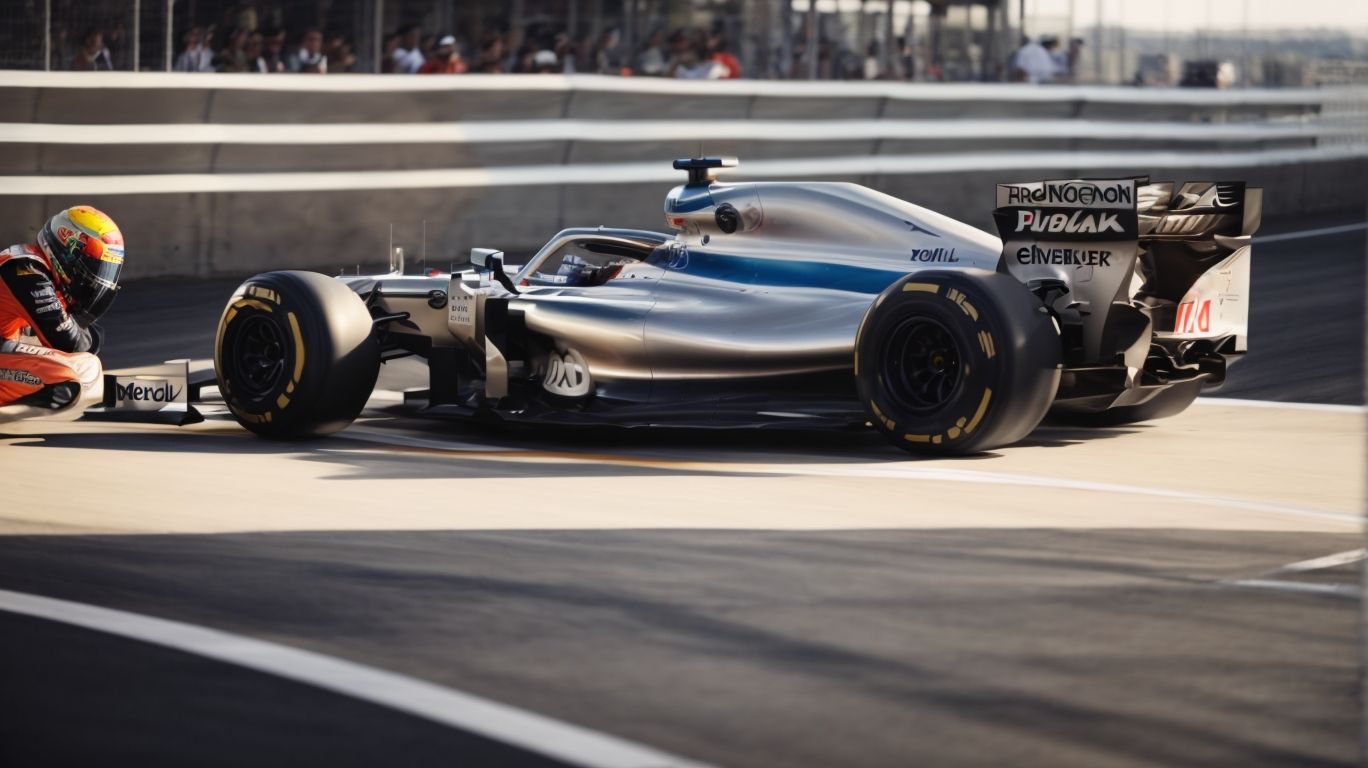
Refueling in Formula 1 refers to the process of adding fuel to an F1 car during a race, allowing teams to adjust the car’s weight and fuel burn rate to optimize performance.
This crucial aspect of race strategy plays a significant role in managing fuel burn and enhancing overall performance on the track. By refueling strategically, teams can fine-tune the car’s dynamics, ensuring it remains competitive throughout the race duration. The refueling process involves intricate calculations to determine the exact amount of fuel needed for each pit stop, considering factors such as track conditions, tire wear, and the car’s fuel efficiency.
Why Was Refueling Banned in F1?
Refueling was banned in Formula 1 to improve safety, reduce costs, and enhance the competitive nature of the sport through strategic pit stop and fuel management.
The decision to eliminate refueling from Formula 1 races was primarily driven by safety concerns, as the process posed significant risks of fires and accidents during pit stops. By removing refueling, the likelihood of such incidents decreased, ensuring a safer environment for drivers, pit crew members, and spectators.
Banning refueling led to cost savings for teams, as they no longer had to invest in specialized equipment and additional staff for this task. This shift also prompted teams to focus more on aerodynamics and engine efficiency rather than purely on fuel loads.
What Are the Pros and Cons of Refueling in F1?
The reintroduction of refueling in Formula 1 could bring benefits such as enhanced strategy, increased overtaking opportunities, but also drawbacks like safety risks and environmental concerns.
One significant advantage of refueling is the potential to introduce a new level of strategic complexity to the races. Teams would have to carefully plan their pit stops, fuel levels, and tire strategies to optimize performance and gain a competitive edge.
Refueling could lead to more dynamic racing scenarios by allowing teams to adopt varied strategies based on track conditions, weather forecasts, and competitors’ decisions. This could create thrilling moments on the track, as drivers strategize and adapt to changing circumstances to outwit their opponents.
On the other hand, one of the main concerns associated with refueling is the safety risks involved. The process of refueling involves handling flammable substances under time pressure, which increases the chances of accidents such as fires or fuel spills that could endanger drivers, pit crew members, and spectators.
In addition, refueling in Formula 1 could raise environmental concerns due to the increased carbon footprint associated with transporting and storing the additional fuel required for the races. This could contradict the sport’s efforts to promote sustainability and reduce its impact on the environment, leading to criticism from eco-conscious fans and stakeholders.
Pros of Refueling
The benefits of refueling in Formula 1 include strategic variability, increased overtaking chances, and the potential for dynamic race outcomes.
When teams have the option to refuel during races, it opens up a spectrum of strategic possibilities. Strategic variability becomes a key factor in determining the race’s progression, with teams having the flexibility to adjust their tactics based on real-time circumstances. This not only adds an element of unpredictability to the race but also tests the decision-making prowess of the drivers and their support crew. The ability to refuel means that drivers can push harder, knowing that they have the opportunity to top up their tanks, leading to increased overtaking chances.
Refueling injects an element of surprise into the proceedings, especially during pit stops. Teams can choose different strategies based on their understanding of the race dynamics, with some opting for aggressive refueling stints to gain a tactical advantage, while others may play the waiting game, banking on a late surge to secure victory. The evolution of race outcomes hinges significantly on the refueling decisions made by teams and drivers.
Cons of Refueling
The drawbacks of refueling in Formula 1 revolve around safety risks, environmental impact, and potential logistical challenges that teams may face.
One of the biggest safety concerns with refueling in F1 is the risk of fire due to the highly flammable nature of the fuel used. The process of refueling adds complexity to pit stops, increasing the chances of errors or accidents occurring during the race.
In terms of environmental impact, refueling involves the handling and transportation of large quantities of fuel, which contributes to carbon emissions and pollution. With the increasing focus on sustainability in motorsports, the practice of refueling goes against the efforts to reduce the carbon footprint of the sport.
From an operational standpoint, managing refueling adds another layer of complexity for teams during races. It requires precise coordination between the pit crew and the driver, leading to potential delays or mistakes that could impact the team’s performance on the track.
Will Refueling Return to F1?
The debate on whether refueling will make a comeback in Formula 1 continues, with discussions around its impact on racing dynamics, team strategies, and regulatory changes.
One of the key aspects under scrutiny is how reintroducing refueling could influence the spectacle of Formula 1 races. By allowing teams to employ diverse strategies, such as opting for a lighter car in the early stages of the race to gain an advantage, the potential for increased on-track battles and overall excitement rises significantly. This strategic element could add a layer of unpredictability and intrigue for both drivers and fans alike.
Arguments for Bringing Back Refueling
Advocates for reintroducing refueling in Formula 1 argue that it would enhance strategic depth, create more unpredictable races, and add a new dimension to team tactics.
By having refueling back in the mix, teams would have to carefully calculate their pit stop strategies, fuel loads, and race pace to maximize their performance. This added complexity would test the teams’ ability to adapt on the fly and make split-second decisions to gain a competitive edge. Refueling could bring back the element of surprise, as teams could opt for different fueling strategies, shuffling the race order dramatically and injecting excitement till the very end.
Arguments Against Bringing Back Refueling
Opponents of refueling reintroduction in Formula 1 cite safety concerns, environmental impact, and the potential cost escalation as reasons to maintain the ban on refueling.
They argue that reintroducing refueling poses significant safety risks, increasing the chance of fire incidents during pit stops and creating potential hazards for drivers and pit crew members. In the pursuit of sustainable racing practices, many believe that refueling contradicts the push towards environmental consciousness within the sport. From a financial perspective, the cost implications of reintroducing refueling equipment, logistics, and personnel training could strain already tight budgets for smaller teams, leading to increased financial disparities within the F1 ecosystem.
How Would Refueling Affect Race Strategy?
The reintroduction of refueling in Formula 1 would significantly impact race strategy, introducing strategic complexities around fuel management, pit stop timing, and track position optimization.
Teams in Formula 1 have to meticulously plan their refueling strategies to ensure a balance between optimizing fuel load for performance and minimizing pit stop time. This involves analyzing data such as fuel consumption rates, tire wear, and overall race goals.
Fuel management becomes crucial as teams calculate the optimum amount of fuel needed to finish the race efficiently without carrying excess weight. Pit stop planning is a delicate art, where teams must decide when to refuel based on factors like safety car periods, tire compounds, and competitor behavior.
What Changes Would Need to be Made for Refueling to Return?
Bringing back refueling in Formula 1 would require significant adjustments to car designs, safety protocols, and pit stop procedures to ensure safe and efficient refueling operations.
One of the key aspects that would need attention is the fuel tank design in the cars. With the reintroduction of refueling, teams would have to reconfigure their vehicles to accommodate the necessary refueling equipment while maintaining optimal balance and aerodynamics.
Enhanced safety measures would also be paramount to prevent any mishaps during pit stops. This would involve updated fire suppression systems, strict training for pit crew members, and possibly redesigned fuel nozzles to minimize risks.
Revisiting pit crew procedures is essential to streamline the refueling process. Teams would need to practice efficient fueling techniques, establish clear communication protocols, and implement rapid-response strategies in case of emergencies.
Changes to Car Design and Safety
Implementing refueling in Formula 1 would necessitate alterations in car design to accommodate refueling equipment and enhance safety features to mitigate potential risks.
To transition towards incorporating refueling in Formula 1, several crucial modifications need to be made to the existing car designs.
- Primarily, the chassis structure would need to be reinforced to withstand the additional weight and pressure exerted during the refueling process.
- The fuel system itself would require meticulous redesign to ensure seamless integration and efficient flow of fuel during pit stops.
- Strict adherence to safety regulations and protocols is paramount to minimize risks associated with high-speed refueling maneuvers.
Changes to Pit Stop Procedures
Reviving refueling in Formula 1 would lead to revisions in pit stop procedures, necessitating specialized training for pit crews, adjustments in equipment, and meticulous planning to execute efficient refueling strategies.
Training for pit crews would need to encompass not only the fast-paced nature of refueling but also the safety protocols essential for handling flammable fuel efficiently.
- The equipment used for refueling would require upgrades to meet modern safety standards while ensuring speed and precision.
- Strategic planning would involve analyzing fuel consumption rates, tire wear, and race strategies to determine the optimal windows for pit stops to maximize efficiency on the track.
What Would be the Impact of Refueling on the Sport?
The reintroduction of refueling in Formula 1 would have profound effects on the sport, influencing racing dynamics, team strategies, and raising environmental considerations related to fuel consumption.
Implementing refueling could alter the pace of races as drivers would be able to carry lighter loads, affecting tire wear and car handling. This shift may prompt teams to adjust their pit stop strategies, creating added complexity in determining the optimal time for refueling. With more frequent pit stops for refueling, the overall environmental impact of the sport could surge due to increased fuel consumption, potentially sparking discussions about sustainability measures within the F1 community.
Impact on Racing and Overtaking
Refueling reintroduction in Formula 1 could revolutionize racing by altering overtaking opportunities, track position strategies, and creating engaging on-track battles for drivers and fans alike.
The reintroduction of refueling in Formula 1 has the potential to shake up the traditional race dynamics in significant ways. By allowing teams to refuel during pit stops, it opens up new avenues for strategic gameplay, as teams can opt for different fuel loads based on their race strategies. This will influence how drivers approach overtaking maneuvers on the track, as lighter cars will have an advantage in terms of agility and speed.
Managing track position becomes a more intricate dance with refueling in the mix. Teams will need to strategize not only based on tire wear and pit stops but also on fuel levels, adding another layer of complexity to the race craft. As a result, viewers can expect to see more intense battles for track position, with drivers having to balance speed and fuel efficiency to gain an edge over their competitors.
Impact on Team Strategies and Pit Stop Strategies
The return of refueling in Formula 1 would reshape team strategies, pit stop planning, and performance optimization, introducing new variables for teams to consider in race tactics.
Refueling adds an additional layer of complexity to race strategies, as teams must carefully calculate the fuel load required for different race scenarios, taking into account factors such as track layout, tire wear, and competitors’ strategies.
During pit stops, the refueling process introduces new challenges in terms of speed and precision. Teams need to execute flawless pit stops to avoid losing crucial time on track, making every second count in the race for victory.
Optimizing race strategies under the refueling format involves strategic decisions on when to pit for fuel, balancing the trade-off between track position and fuel load, ultimately aiming to achieve the most efficient overall race time.
Impact on Environmental Concerns
The environmental impact of refueling reintroduction in Formula 1 would raise sustainability concerns around increased fuel consumption, carbon emissions, and the sport’s commitment to eco-friendly practices.
With the decision to reintroduce refueling in F1, the sport faces a challenge in balancing its quest for performance with the pressing need for environmental responsibility. The carbon footprint of each race is a critical aspect to consider, as every drop of fuel burned contributes to greenhouse gas emissions.
Implementing sustainable solutions is imperative to offset the environmental consequences of heightened fuel usage. It is crucial for Formula 1 to prioritize green initiatives, such as investing in biofuels, improving fuel efficiency, and adopting eco-conscious practices to mitigate the overall impact on the planet.
Frequently Asked Questions
Will Refueling Return to F1?
There has been much speculation and debate about whether or not refueling will make a comeback in Formula 1. Here are some frequently asked questions and answers about this topic.
What is refueling in Formula 1?
Refueling in Formula 1 refers to the process of adding fuel to a car during a pit stop. This was a common practice in F1 until it was banned in 2010.
Why was refueling banned in F1?
The decision to ban refueling in F1 was made in an effort to improve safety and reduce costs. There were also concerns about the potential for fires and accidents during refueling stops.
Is there a chance that refueling will return to F1?
Yes, there is a possibility that refueling could make a comeback in Formula 1. However, any decision to reintroduce it would require approval from the FIA and the teams.
What are the arguments for bringing back refueling in F1?
Some argue that refueling would add an extra strategic element to the races, as teams would have to decide when to pit for fuel. It could also potentially make races more exciting by shaking up the order of the cars.
What are the arguments against bringing back refueling in F1?
Opponents of refueling in F1 argue that it would increase costs for teams, as they would need to invest in refueling equipment and train personnel. There are also concerns about safety and the potential for accidents during refueling stops.
Has any decision been made about the return of refueling in F1?
As of now, there has been no official decision made regarding the return of refueling in Formula 1. It remains a topic of discussion and debate within the F1 community.