Does F1 Take Skill?
Have you ever wondered what it takes to be a Formula 1 driver?
In this article, we will explore the history, rules, and regulations of F1, as well as the physical, mental, and technical demands that make it one of the most challenging sports in the world.
We will also discuss the role of skill in F1, including the importance of natural talent, practice, teamwork, and strategy.
Join us as we uncover how F1 drivers develop their skills and why skill is crucial in this high-speed sport.
Key Takeaways:
What is F1?
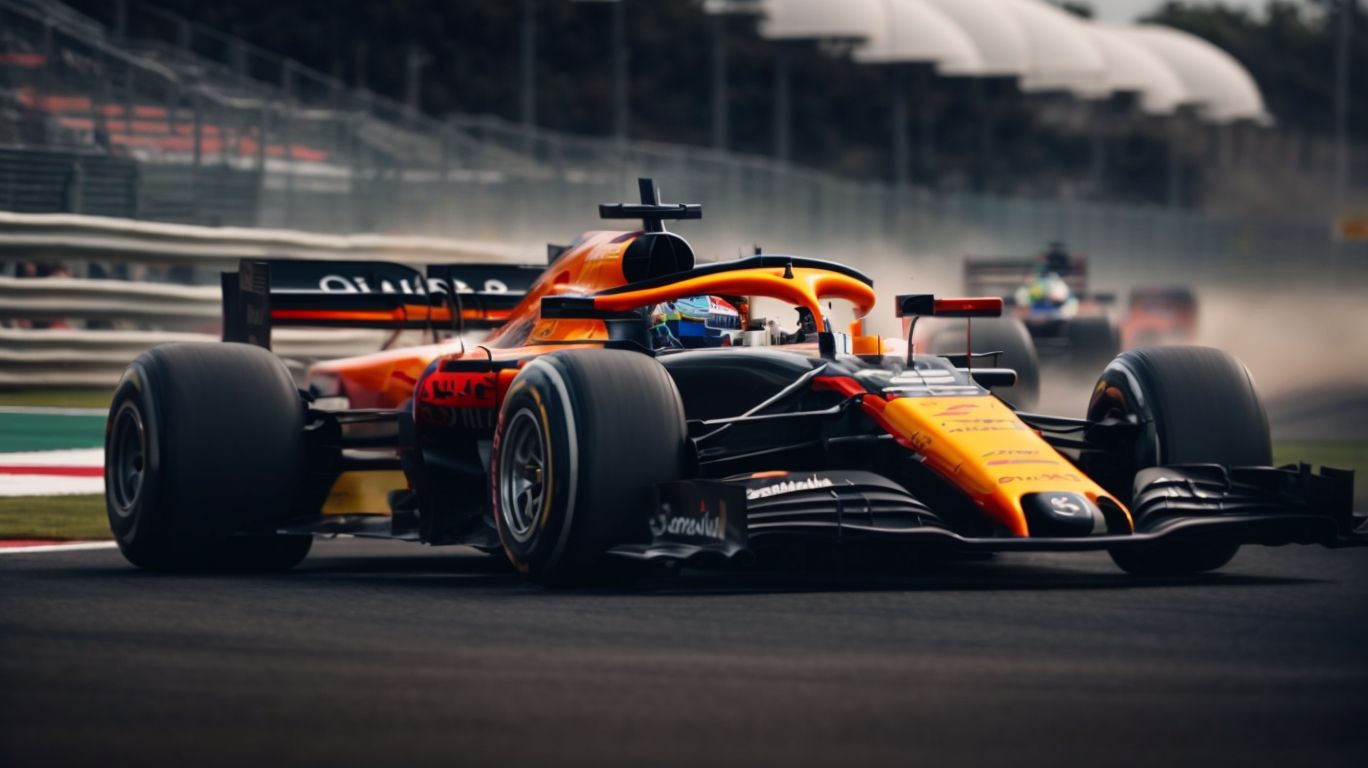
Formula 1, commonly known as F1, is the pinnacle of motorsport racing, featuring skilled drivers competing in high-speed races using advanced cars on renowned tracks worldwide.
Since its inception in 1950, Formula 1 has evolved into one of the most prestigious and popular racing series in the world.
The history of F1 is filled with legendary drivers such as Ayrton Senna, Michael Schumacher, and Lewis Hamilton, who have left an indelible mark on the sport with their remarkable skills and achievements.
The competition between iconic teams like Ferrari, Mercedes, and Red Bull Racing has added another layer of excitement to the races, with each team striving for the coveted Constructors’ Championship title.
History of F1
The History of F1 traces back to the early 20th century when the first Grand Prix races captivated audiences with thrilling displays of speed and skill.
These inaugural races held in France during the early 1900s laid the foundation for what would become the pinnacle of motorsport, attracting top drivers and pioneering engineering minds. Over the years, Formula 1 has evolved into a global phenomenon, with iconic teams like Ferrari, McLaren, and Mercedes-Benz dominating the sport. The introduction of turbocharged engines in the 1980s revolutionized car performance, while aerodynamic advancements in the 1990s pushed speeds to unprecedented levels.
Rules and Regulations of F1
The Rules and Regulations of F1 govern every aspect of the sport, ensuring fair competition, safety standards, and technical specifications for drivers and teams.
These rules are formulated by the FIA (Fédération Internationale de l’Automobile), the governing body that manages Formula 1 worldwide. They cover a wide array of topics, from qualifying formats and race procedures to car dimensions and engine specifications.
Driver conduct is also strictly regulated, with penalties in place for infractions such as dangerous driving or exceeding track limits. Teams have their own set of responsibilities, including adhering to strict testing protocols and ensuring compliance with aerodynamic regulations.
What Makes F1 a Challenging Sport?
Formula 1 presents a unique blend of physical, mental, and technical challenges that push drivers to their limits in each race.
On the physical front, drivers experience G-forces that can exceed what astronauts withstand during rocket launches, subjecting their bodies to immense strain and requiring peak physical fitness to endure. Endurance plays a crucial role as races can last up to two hours, demanding unwavering focus and stamina. Concurrently, the mental aspect involves split-second decision-making, strategic race planning, and the ability to stay calm under immense pressure. The technical acumen required to maneuver advanced racing cars with precision and adapt to various track conditions further intensifies the challenge for drivers.
Physical Demands of F1
The Physical Demands of F1 drivers are immense, with races conducted on challenging circuits featuring high-speed corners and intense G-forces.
Along with navigating these demanding circuits, drivers also face the constant battle of managing extreme heat inside the cockpit, with temperatures often soaring above 50°C.
The precision required to control these powerful cars while enduring these conditions is extraordinary, as one small mistake can lead to catastrophic consequences.
Endurance becomes a key factor, with races lasting well over an hour, pushing drivers to their physical limits in terms of concentration, stamina, and reflexes.
Mental Demands of F1
The Mental Demands of F1 extend beyond mere driving skills, encompassing strategic decision-making, split-second reactions, and intense focus throughout the race.
In the high-stakes world of Formula 1 racing, drivers not only need exceptional physical abilities but also a sharp and agile mind to navigate the challenges on the track. The strategic aspect of the sport involves constant analysis of race conditions, tire wear, fuel levels, and the actions of competitors to make critical decisions on pit stops and race tactics. Adapting to ever-changing situations demands quick thinking and the ability to anticipate the unpredictable nature of Grand Prix events.
Technical Demands of F1
The Technical Demands of F1 involve mastering cutting-edge technology in cars, optimizing aerodynamics, and utilizing data-driven strategies for peak performance.
Within the realm of F1 engineering, one key aspect that sets top teams apart is their adeptness at harnessing aerodynamics to generate maximum downforce while minimizing drag. This fine balance plays a critical role in enhancing a car’s cornering speeds and overall performance on the track. Engineers meticulously design intricate aerodynamic components, such as front and rear wings, diffusers, and bargeboards, to sculpt the airflow around the car in a way that boosts stability and grip.
In the era of data-driven racing, teams heavily rely on sophisticated data analysis tools to extract valuable insights from telemetry data collected during test sessions and races. By interpreting this data, engineers can make informed decisions regarding car setup, tire management, and fuel strategy, all geared towards achieving optimal race performance and efficiency. This emphasis on data analysis not only sharpens a team’s competitive edge but also guides continuous improvements in car design and setup for future races.
Is Skill Required in F1?
Skill is the cornerstone of success in Formula 1, as drivers must demonstrate exceptional talent, precision, and adaptability to navigate the challenges of each race.
Racing in Formula 1 demands a perfect blend of driver expertise, team coordination, and impeccable strategic decision-making. Drivers need to possess a deep understanding of engineering principles, aerodynamics, tire management, and mechanical grip to extract peak performance from their high-tech machines.
The ability to communicate effectively with their team, including race engineers and strategists, is crucial for executing pit stops, tire changes, and race strategies smoothly. The split-second decisions made by drivers during overtaking maneuvers or defending positions can determine the outcome of a race, showcasing the significance of quick thinking and precise execution.
The Role of Natural Talent
Natural Talent serves as a fundamental asset in Formula 1, complementing the skills honed through training and experience to drive exceptional performance on the racetrack.
In the intense world of Formula 1, where milliseconds can separate victory from defeat, the interplay between innate abilities and dedicated practice becomes a defining factor in a driver’s success. Natural Talent lays the groundwork for exceptional reflexes, spatial awareness, and the ability to read complex racing situations swiftly. When melded with rigorous training regimes and the experience gained from countless hours on the circuit, this potent combination results in drivers who can push the boundaries of human capability behind the wheel.
The Importance of Practice and Training
Practice and Training are essential components for F1 drivers, refining their skills, enhancing consistency, and preparing them for the demands of competitive racing.
Continuous practice not only hones driving techniques but also builds psychological resilience, allowing drivers to maintain focus during high-pressure situations on the race track. Training regimens are meticulously crafted to target areas of improvement, be it speed, cornering, or race strategy, ensuring that drivers are well-rounded and adaptable to various race conditions.
Through rigorous practice sessions, drivers develop muscle memory, enabling split-second decision-making and precise execution of maneuvers. This muscle memory proves invaluable in the split-second reactions required to navigate complex corners or overtake opponents.
The Role of Teamwork and Strategy
Teamwork and Strategy are integral to success in F1, with drivers collaborating closely with their teams to optimize performance, pit stops, and race strategies.
Effective communication plays a crucial role as drivers provide real-time feedback on car performance, allowing engineers and strategists to make informed decisions during the race.
The synergy between drivers and their teams extends beyond the track, with meticulous planning and coordination needed for pre-race preparations and post-race analysis.
This collaborative relationship is not only about individual talent but also about leveraging the collective expertise within the team to stay ahead of the competition.
How Do F1 Drivers Develop Their Skills?
F1 drivers hone their skills through rigorous training regimens, mental preparation techniques, and continuous refinement of technical abilities to excel on the racetrack.
Training routines play a crucial role in the daily lives of these drivers, encompassing intense physical workouts to enhance strength, endurance, and agility. Driving simulators are extensively used to simulate race scenarios and improve reaction time and decision-making on the track. Mental conditioning is also a key aspect, with drivers engaging in practices such as focus exercises, visualization, and mindfulness to stay sharp and resilient under high-pressure situations. The continuous pursuit of technical skill development involves analyzing data, working closely with engineers, and fine-tuning the aerodynamics and mechanics of the car for optimal performance.
Training and Fitness Regimens
Training and Fitness Regimens play a crucial role in F1 driver preparation, ensuring physical endurance, mental sharpness, and overall well-being for optimal performance during races.
Formula 1 drivers undergo rigorous physical training programs that focus on strength, cardiovascular fitness, and flexibility to cope with the extreme demands of high-speed racing. This includes tailored workout routines targeting specific muscle groups used for steering, braking, and withstanding G-forces. Mental conditioning is a key component, with drivers practicing focus, reaction times, and strategic decision-making under pressure. Many drivers also incorporate specialized diets and hydration plans to maintain peak performance throughout grueling race weekends.
Mental Preparation and Focus
Mental Preparation and Focus are critical components of F1 driver readiness, enabling drivers to maintain concentration, composure, and rapid decision-making under intense race conditions.
Before each race, drivers engage in various mental exercises and visualization techniques to enhance their focus and mental resilience. By mentally rehearsing each turn, anticipating opponent moves, and visualizing successful maneuvers, drivers prepare themselves for the unpredictable challenges on the track.
Incorporating mindfulness practices and breathing exercises helps drivers stay calm and centered amidst the chaos of high-speed racing, allowing them to adapt quickly to changing circumstances and make split-second decisions with clarity and precision.
Technical Skills and Techniques
Developing Technical Skills and Techniques is a continuous process for F1 drivers, involving mastery of car control, aerodynamic principles, and data interpretation to optimize performance.
These drivers must possess exceptional hand-eye coordination to handle the precise steering inputs required to navigate tight corners and fast straights at top speeds. They also rely heavily on their understanding of aerodynamics to maximize downforce, allowing them to corner faster while maintaining control.
The ability to interpret complex data streams during races is crucial. Drivers utilize telemetry data to make split-second decisions on tire management, fuel efficiency, and pit strategy. This data-driven approach gives them a competitive edge by ensuring they adapt their driving techniques in real time to gain an advantage over their rivals.
Conclusion: The Importance of Skill in F1
The success of F1 drivers hinges on their exceptional skills, teamwork dynamics, and strategic acumen, showcasing the critical role of expertise in achieving podium finishes and championship titles.
Drivers in Formula 1 must possess a unique blend of talents to navigate technical tracks, handle high-speed corners, and make split-second decisions under immense pressure. Their exceptional skills extend beyond just driving; they must understand the intricacies of aerodynamics, tire management, and race strategies to outperform competitors.
Successful racing in F1 is not solely about individual prowess but about effective collaboration with their teams. Communication between the driver, engineers, mechanics, and strategists is paramount for optimizing race performance and adapting to changing conditions.
Frequently Asked Questions
Does F1 take skill?
Yes, F1 requires a high level of skill in order to compete at a professional level.
What skills are needed for F1?
F1 drivers need a combination of physical, mental, and technical skills to succeed. These include endurance, reaction time, strategic thinking, and precise control of the car.
How long does it take to become a skilled F1 driver?
Becoming a skilled F1 driver takes years of training and practice. Many drivers start training at a young age and continue honing their skills throughout their career.
Can anyone learn how to drive an F1 car?
While anyone can learn how to drive an F1 car, it takes a special kind of skill to compete at a professional level. Most drivers have natural talent, but also undergo extensive training and practice.
Are there different levels of skill in F1?
Yes, there are different levels of skill in F1. The top drivers are considered the most skilled, while newer or less experienced drivers may still be developing their skills.
How do F1 drivers continue to improve their skills?
F1 drivers constantly work to improve their skills through physical training, mental preparation, and practicing on the track. They also analyze data and study their own performance to identify areas for improvement.