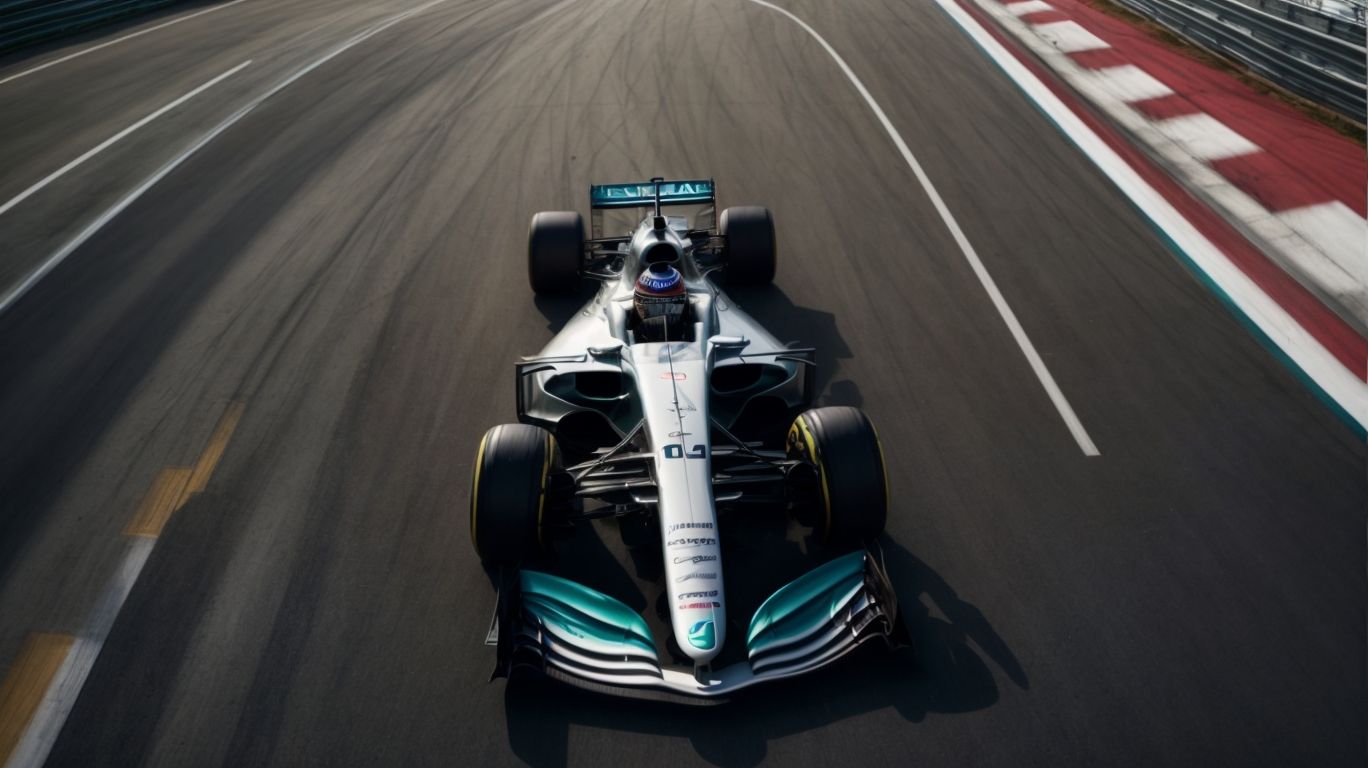
How Did F1 Solve Porpoising?
Have you ever heard of porpoising in F1 cars?
This phenomenon, characterized by a bouncing motion of the car, can be both dangerous and detrimental to performance on the track.
We will explore the causes of porpoising, the potential risks it poses to F1 drivers, and the previous solutions that were attempted.
Discover how F1 finally managed to solve the issue, along with other changes made to improve safety in the sport.
Join us as we uncover the world of F1 car technology and safety measures.
Key Takeaways:
What is Porpoising?
Porpoising in the context of F1 cars refers to a phenomenon where the vehicle oscillates vertically during high-speed runs, affecting aerodynamic performance.
This oscillation disturbs the airflow around the car, disrupting the ground effect generated by the underfloor aerodynamics. The balance of downforce is critical in F1 racing, and porpoising can lead to inconsistent grip levels, making it challenging for drivers to predict how the car will behave through corners.
Engineers constantly strive to minimize porpoising through design modifications and setup adjustments, aiming to maintain a stable and efficient aerodynamic platform. An excessive amount of porpoising not only affects the performance but also poses safety concerns, as it can lead to loss of control at high speeds.
What Causes Porpoising in F1 Cars?
Porpoising in F1 cars is primarily caused by a delicate balance of aerodynamic forces, especially in the presence of specific regulations governing vehicle design and performance.
When F1 cars reach high speeds, the aerodynamic elements play a crucial role in ensuring stability and performance. Factors like the front wing design, the angle of the rear wing, and the overall downforce levels contribute significantly to the car’s behavior on the track.
Technical regulations set by governing bodies like the FIA aim to strike a balance between innovation and safety. Teams such as Red Bull, Ferrari, and Mercedes constantly push the boundaries of these regulations to maximize their car’s potential while adhering to the rules.
How Dangerous is Porpoising for F1 Drivers?
Porpoising poses a significant safety risk for F1 drivers as the instability caused by the phenomenon can lead to loss of control and potentially severe accidents.
Porpoising, the vertical oscillation of an F1 car caused by cyclic changes in ride height, is a complex aerodynamic problem plaguing the motorsport world. The intense force variations experienced during high-speed porpoising can throw off the delicate balance of the car, making it challenging for drivers to maintain stability and control. The FIA has implemented strict regulations and measures to minimize this phenomenon due to its direct correlation with driver safety. Despite advancements in technology and design, porpoising remains a constant threat in the fast-paced world of Formula 1 racing.
What Were the Previous Solutions to Porpoising in F1?
Historically, F1 teams have employed various strategies to address the porpoising problem, aiming to enhance the performance and stability of their vehicles.
One key area of focus for teams has been floor designs, which play a crucial role in managing airflow and reducing the impact of porpoising. By optimizing the shape and contour of the underfloor tunnel, teams have been able to create a more efficient aerodynamic setup that minimizes disruptive airflow patterns. Adjustments to the diffuser design have been implemented to counteract the negative effects of porpoising, improving downforce and overall handling.
Changing the Suspension Geometry
One effective strategy to combat porpoising in F1 cars involved altering the suspension geometry and chassis setup to achieve a more stable ride.
Adjusting the suspension geometry plays a crucial role in fine-tuning the aerodynamic performance of the car. By making adjustments to the camber, caster, toe, and ride height, teams can optimize the contact patch of the tires with the road surface, enhancing grip levels and overall handling.
Plus suspension geometry, the chassis setup also impacts the vehicle’s behavior. Changes in the stiffness of the chassis, sway bars, and springs can influence how the car responds to different track conditions.
Adding More Downforce
Increasing downforce levels was another approach taken to counter porpoising in F1 cars, aiming to enhance aerodynamic grip and stability at high speeds.
By incorporating innovative design elements such as an advanced edge wing or tweaking the surface geometry, teams can manipulate the airflow over and under the vehicle to optimize flow conditions. These adjustments impact the distribution of pressure across the car’s body, creating more downward force on the tires. As a result, the vehicle gains better traction, allowing drivers to take corners with higher speeds and confidence. It’s crucial to strike a balance between maximizing downforce and minimizing drag to achieve optimal performance on the track.
Adjusting the Weight Distribution
Fine-tuning the weight distribution of F1 cars played a crucial role in mitigating porpoising issues, optimizing aerodynamic performance and stability.
When a car experiences porpoising, where it repeatedly alternates between pitching up and down during high-speed runs, it can severely disrupt the vehicle’s smooth movement through air. By adjusting weight distribution, particularly focusing on factors like the placement of the keel splitter and managing the aero profile, engineers can effectively counteract this phenomenon. This adjustment not only aids in maintaining continuous contact between the vehicle and the track surface but also improves the overall aerodynamic efficiency and enhances the stability of the car.
How Did F1 Finally Solve Porpoising?
The resolution of the porpoising problem in F1 cars came through the implementation of specific technical directives aimed at regulating vehicle design and performance.
These directives focused on adjusting the aerodynamics of the cars by modifying aspects of the chassis and suspension systems. This included refining the design of the venturis to optimize airflow and reduce the oscillations causing porpoising.
Engineers introduced changes in the placement and design of strakes to enhance stability and downforce, thereby improving overall control during high-speed driving.
To stay ahead in the technological race, F1 teams also incorporated cutting-edge technologies such as advanced sensors and data analytics to monitor and fine-tune their vehicles’ performance in real-time.
Introduction of the Drag Reduction System (DRS)
The introduction of the Drag Reduction System (DRS) marked a crucial step in mitigating porpoising by allowing drivers to adjust the rear wing for better aerodynamic performance.
By modifying the angle of the rear wing, the DRS system alters the blade profile to reduce drag, particularly on straightaways, enhancing the vehicle’s speed. Such adjustments achieve a delicate balance between downforce and aerodynamic efficiency, crucial in modern racing.
The blade design of the DRS ensures seamless integration with the overall aerodynamics of the car, preventing disruptions that could lead to porpoising. This dynamic system significantly contributes to improved stability, handling, and overall performance on the track.
Changes to the Chassis and Suspension
Significant modifications to the chassis and suspension systems were made to eliminate porpoising, focusing on enhancing structural rigidity and optimizing ride height.
These enhancements not only addressed the issue of porpoising but also had a profound impact on the overall vehicle performance. By improving the structural integrity of the chassis through reinforced welds and strategically placed metal clips, the car’s stability and handling were greatly enhanced.
Adjustments to the ride height played a crucial role in reducing aerodynamic drag, ultimately improving the vehicle’s efficiency and overall performance on the track. The suspension modifications, such as fine-tuning the blade shape of the control arms, further contributed to minimizing porpoising and enhancing cornering capabilities.
Use of Active Suspension Systems
F1 teams adopted active suspension systems to actively control vehicle dynamics and counter porpoising, enhancing overall performance and stability.
Active suspension systems in Formula 1 not only eliminate the unwanted oscillations caused by porpoising but also play a critical role in managing the vehicle’s dynamics with precision. The flow adjustment capabilities of these systems allow for real-time fine-tuning of suspension settings, ensuring optimal traction and handling on diverse track surfaces. The incorporation of blade features in the suspension design contributes to aerodynamic optimization by effectively managing airflow around the vehicle, reducing drag and enhancing overall speed and efficiency. This comprehensive approach to suspension technology has revolutionized how teams approach vehicle setup and performance optimization in competitive racing.
What Other Changes Have Been Made to F1 Cars to Improve Safety?
Plus addressing porpoising, significant safety measures have been implemented in F1 cars, encompassing improvements in structural integrity, crash safety, and driver protection.
These advancements are a result of rigorous testing and research, carried out in compliance with the standards set by the FIA (Fédération Internationale de l’Automobile).
For instance, F1 cars now incorporate advanced crash structures that can absorb a considerable amount of impact energy in the event of a collision, reducing the risk of serious injuries to the driver. Technologies such as the McLaren Electronic Systems have been crucial in enhancing driver safety by providing real-time data and intelligence to help prevent accidents and minimize their consequences.
Introduction of the Halo Cockpit Protection System
The introduction of the Halo Cockpit Protection System revolutionized safety in F1 cars, providing enhanced protection for drivers against potential head injuries and impacts.
The Halo, made of a titanium frame and carbon fiber, is designed to deflect large debris away from the driver’s head, significantly reducing the risk of serious injuries. Its implementation marked a significant shift in F1 safety standards, prompting other racing series to consider similar measures for driver protection.
The Halo not only acts as a barrier against external objects but also reinforces the overall chassis structure, enhancing the car’s ability to withstand impacts and rollovers. This structural reinforcement aligns with the strict safety regulations set by the FIA (Fédération Internationale de l’Automobile), ensuring that F1 cars meet the highest safety standards.
Improved Aerodynamics and Crash Structures
Enhancements in aerodynamics and crash structures have significantly improved the overall safety standards of F1 cars, reducing the risk of severe accidents and injuries.
These improvements are a result of stringent regulations set by the FIA, aimed at enhancing safety measures in Formula 1. The aerodynamic modifications have not only optimized the flow structures around the car, improving performance, but also played a crucial role in reducing lift and increasing downforce, enhancing stability on the track.
The crash structure enhancements have been pivotal in increasing impact resistance, dispersing energy more effectively during collisions, and minimizing the risks associated with high-speed crashes. These developments work in tandem to safeguard the well-being of drivers, making the sport not only exciting but also significantly safer for all participants.
What Impact Did These Changes Have on F1 Racing?
The changes implemented in F1 cars to address porpoising and enhance safety had a profound impact on racing, improving competition quality, driver welfare, and overall spectator experience.
One significant effect of these technological advancements has been the optimization of flow conditions around the car, resulting in increased downforce and reduced drag, thereby enhancing overall performance on the track. Technical journalists and experts have noted how these changes have not only made the cars faster but also more stable, allowing drivers to push the limits of their vehicles in a safer manner.
Similarly, the strict safety regulations and innovations like the halo cockpit protection system have significantly reduced the risk of serious injuries to drivers in high-speed crashes, reassuring both the drivers and the audience. This improved safety has not only saved lives but also increased the confidence of the drivers, leading to more aggressive and thrilling racing.
How Does F1 Continue to Improve Safety Measures?
F1 remains committed to enhancing safety measures through continuous research, collaboration with teams and drivers, and the integration of cutting-edge technologies to ensure driver well-being and racing competitiveness.
One of the critical areas of focus for F1 in advancing safety protocols is enhancing chassis design to withstand high-impact crashes. The development of chassis that absorb and distribute impact energy effectively has been a significant priority for the sport. Stringent regulations governing safety standards have been continuously updated to reflect the latest advancements in materials and engineering. Apart from technical advancements, F1 actively solicits driver feedback to address areas of concern and improve safety measures further, highlighting the dynamic nature of safety development in the sport.
Constant Research and Development
F1 prioritizes continuous research and development in safety technologies, exploring new innovations and methodologies to enhance driver protection and racing standards.
This commitment to safety is fundamental in Formula 1, driving the pursuit of cutting-edge solutions to mitigate risks and optimize performance. One critical area of focus is the underfloor design, which plays a crucial role in aerodynamics and vehicle stability. Through meticulous testing and adherence to strict regulations, teams strive to push the boundaries of what is possible in terms of vehicle safety.
Collaboration with Drivers and Teams
Collaboration between F1 governing bodies, drivers, and teams plays a pivotal role in shaping safety protocols, drawing on collective expertise and insights to implement effective measures.
Partnerships and collaborative efforts are integral in driving advancements in safety within the F1 realm. The interaction between stakeholders facilitates the exchange of crucial knowledge, best practices, and insights. Whether it’s amending regulations to enhance car suspension systems or devising emergency response strategies, collective decision-making processes involving all key players ensure that safety measures are comprehensive and well-rounded.
Implementation of New Technologies
F1 embraces the integration of new technologies to bolster safety measures, leveraging advancements in materials, sensors, and design innovations to elevate driver protection standards.
One crucial aspect of safety advancements in F1 is the evolution of the diffuser, a component crucial for aerodynamic performance. The diffuser plays a key role in managing airflow underneath the car, enhancing its stability at high speeds.
Stringent regulations mandate the use of state-of-the-art sensors to monitor various parameters like speed, tire pressure, and temperature in real-time, ensuring optimal performance and reducing risks.
Design enhancements such as reinforced cockpit structures and energy-absorbing materials have significantly contributed to minimizing the impact forces on drivers during collisions, prioritizing their safety above all else.
Frequently Asked Questions
How did F1 solve porpoising?
F1 teams implemented various aerodynamic changes to their cars, such as adding fins and wings, to reduce the effects of porpoising.
What is porpoising in F1?
Porpoising in F1 refers to the vertical bouncing motion of a car caused by imbalances in aerodynamic forces, resulting in a loss of control and speed.
Did F1 teams face any challenges in solving porpoising?
Yes, F1 teams faced challenges in finding the right balance between downforce and drag to prevent porpoising, as well as overcoming the limitations of FIA regulations.
Which F1 team was the first to successfully solve porpoising?
The Williams team was the first to successfully solve porpoising in the late 1970s, giving them a competitive advantage over other teams.
Are there any other factors that can contribute to porpoising in F1?
Yes, other factors such as suspension settings, tire pressure, and track conditions can also play a role in porpoising.
Did F1 teams continue to improve their solutions for porpoising over the years?
Yes, F1 teams have continued to innovate and improve their solutions for porpoising, with advancements in technology and aerodynamics allowing for even more precise control over the phenomenon.