How Do F1 Teams Work?
Have you ever wondered how Formula 1 teams operate behind the scenes?
From the Team Principal to the Pit Crew, each member plays a crucial role in the success of the team.
In this article, we will explore the structure of F1 teams and the responsibilities of key personnel such as the Technical Director and Chief Designer.
We will delve into how these teams collaborate on design, race strategy, pit stops, data analysis, and communication to achieve victory on the track.
Key Takeaways:
What is Formula 1?
Formula 1, also known as F1, is a premier international racing competition that showcases the fastest cars and the most skilled drivers in the world.
Since its inception in 1950, Formula 1 has grown into a global phenomenon, with races taking place on iconic tracks in diverse locations such as Monaco, Silverstone, and Suzuka. The sport’s popularity transcends borders, attracting millions of fans from every corner of the globe. The cutting-edge technology behind F1 cars is truly remarkable, with teams like Alpine, McLaren, and Williams constantly pushing the boundaries of engineering and innovation to gain a competitive edge. Star drivers such as Sebastian Vettel, Lewis Hamilton, and Max Verstappen have become household names, admired for their skill, bravery, and competitive spirit on the track.
How are F1 Teams Structured?
F1 teams are structured with key roles such as Team Principal, Technical Director, Race Team Manager, and Drivers, each playing a crucial part in the success of the team.
The Team Principal is the leader of the team, responsible for making strategic decisions, managing relationships with sponsors, and ensuring the overall success of the team.
The Technical Director oversees the design and development of the car, ensuring it is competitive and meets regulations, working closely with engineers and designers.
The Race Team Manager handles the operational aspects of race weekends, including logistics, pit stops, and coordination of team personnel.
On the track, the Drivers showcase their driving skills, push the limits of the car, and implement race strategies crafted by the team.
Team Principal
The Team Principal in an F1 team is the top authority responsible for strategic decision-making, team management, and guiding the overall direction of the team.
The role of a Team Principal in Formula 1 extends beyond just making decisions; it encompasses strategic planning, crisis management, and fostering a cohesive team culture. A successful Team Principal needs to possess strong leadership skills to motivate and inspire the team members towards a common goal. They must strike a delicate balance between being an authoritative figure and a supportive mentor.
Effective communication is key in this position; a Team Principal must liaise with drivers, technical staff, sponsors, and other stakeholders to ensure smooth operations and optimal performance on the track. Their decision-making process involves evaluating technical data, anticipating race scenarios, and making quick yet calculated choices under pressure.
Technical Director
The Technical Director in an F1 team oversees the technical aspects of the car’s design, development, and performance, focusing on innovation, engineering excellence, and aerodynamics.
They play a critical role in setting the technical direction of the team, working closely with engineers and designers to push the boundaries of performance. Optimizing every component of the car for maximum efficiency and speed, they lead the charge in implementing cutting-edge technologies and advancements in materials science.
From conceptualizing new designs to fine-tuning existing models, the Technical Director ensures that every aspect of the car is meticulously crafted to meet the stringent requirements of Formula 1 regulations.
Race Team Manager
The Race Team Manager in an F1 team oversees the operational aspects of race logistics, team coordination, and strategic planning during race weekends.
Race Team Managers play a vital role in ensuring that all logistical arrangements, including transportation of equipment, personnel, and ensuring timely arrivals at race venues are meticulously organized. They are responsible for the smooth execution of race operations, coordinating pit stops, tire strategies, and overall team performance optimization.
Additionally, operational efficiency is a key aspect managed by the Race Team Manager, where they focus on aligning all team activities to achieve optimal performance and adherence to strict timelines. This involves coordinating with various departments within the team such as engineering, aerodynamics, and strategy to ensure seamless integration of efforts.
Chief Designer
The Chief Designer in an F1 team leads the design team in creating aerodynamically efficient and high-performance cars that adhere to F1 regulations and push technological boundaries.
As a crucial member of the team, the Chief Designer brings together expertise in mechanical engineering, aerodynamics, and design to craft a race car that excels in speed, handling, and safety. Optimizing aerodynamics plays a pivotal role in achieving high speeds and enhancing performance on the track, requiring a deep understanding of airflow dynamics and vehicle stability.
Through iterative testing and simulation techniques, the Chief Designer refines the car’s shape, bodywork, and components to minimize drag, maximize downforce, and improve overall efficiency. This relentless pursuit of aerodynamic perfection not only boosts performance but also contributes significantly to the team’s competitive edge against rival teams.
Chief Aerodynamicist
The Chief Aerodynamicist plays a critical role in optimizing the car’s aerodynamics, focusing on generating downforce, reducing drag, and maximizing performance through wind tunnel testing.
This integral team member is tasked with overseeing the aerodynamic design process, shaping every aspect of the car to enhance its aerodynamic efficiency.
They work closely with engineers to analyze data from CFD simulations and track testing, fine-tuning the vehicle’s performance. The Chief Aerodynamicist’s expertise in airflow management and downforce generation is crucial in achieving the desired balance between speed and cornering grip.
They collaborate with other departments to ensure that the car meets regulations while pushing the boundaries of innovation in F1 aerodynamics.
Chief Mechanic
The Chief Mechanic oversees the car maintenance, repairs, and setups during race weekends, leading the pit crew with technical expertise to ensure optimal performance on the track.
The Chief Mechanic acts as the linchpin of the pit crew operation, coordinating tasks such as engine tuning, suspension adjustments, and aerodynamic modifications with precision.
Their leadership skills come to the forefront during high-pressure moments when quick decisions are crucial in fine-tuning the car’s performance.
Their adeptness in analyzing telemetry data and understanding vehicle dynamics play a pivotal role in strategic adjustments between practice sessions and races.
Race Engineers
Race Engineers in an F1 team analyze data, formulate race strategies, and communicate real-time insights to drivers during race weekends to optimize performance and decision-making.
Race Engineers play a crucial role in collecting and analyzing vast amounts of data generated by the car’s sensors and telemetry systems. They closely monitor performance metrics such as speed, tire wear, fuel consumption, and aerodynamic efficiency to identify areas of improvement. By interpreting this data, they can suggest adjustments to the car’s setup or the driver’s driving style to maximize performance.
These engineers are responsible for formulating race strategies that take into account various factors like track conditions, weather forecasts, and competitor tactics. They must adapt and revise these strategies on-the-fly during the race to react to unforeseen events or opportunities.
Communication skills are paramount for Race Engineers as they relay critical information to the driver regarding competitors’ positions, upcoming pit stops, and overall race strategy. Clear, concise communication can make the difference between a successful overtaking maneuver or losing valuable positions.
Pit Crew
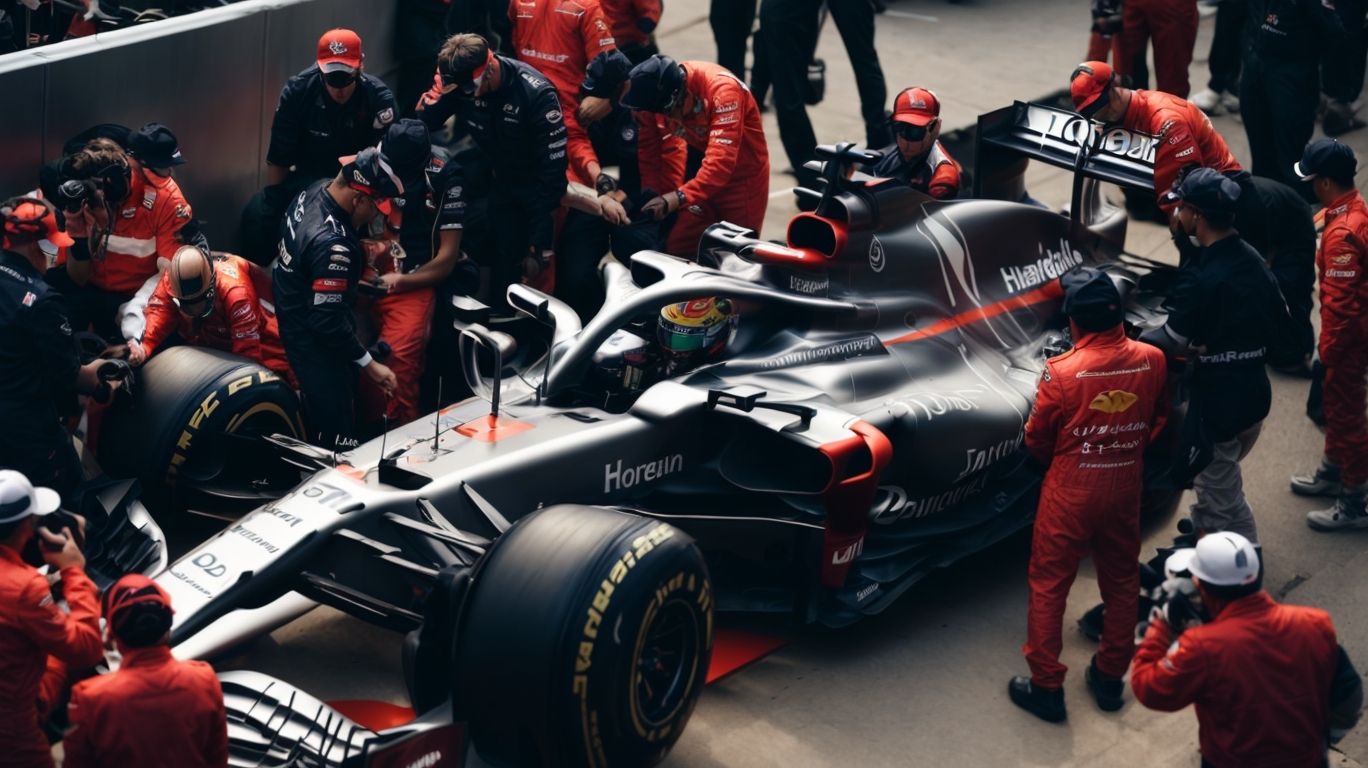
The Pit Crew in an F1 team executes lightning-fast pit stops with precision, teamwork, and efficiency, playing a crucial role in minimizing time loss and maximizing strategic advantages during races.
The smooth synchronization of the Pit Crew members is essential in carrying out tasks swiftly, whether it’s changing tires, refueling, or making aerodynamic adjustments to the car. Each pit stop is a well-orchestrated performance that requires split-second decision-making and unwavering focus. The tire changers use specialized equipment to remove and replace tires in a matter of seconds, while the fueling team must fill the tank with remarkable speed and precision to avoid delays. Mechanics work swiftly to make any necessary mechanical adjustments, ensuring the race car performs optimally on the track.
Drivers
Drivers in Formula 1 are the central figures who showcase exceptional skill, speed, and strategic racing acumen on the track, competing for victory in high-stakes races.
These drivers not only possess lightning-fast reflexes and unparalleled control of their cars but also need to make split-second decisions during intense wheel-to-wheel battles. They carefully analyze their opponents’ moves, anticipate their strategies, and adjust their own racing tactics accordingly.
The competition in Formula 1 is relentless, with top drivers like Lewis Hamilton, Sebastian Vettel, and Max Verstappen vying for the coveted championship title. Each race is a test of endurance, mental fortitude, and raw talent, as these drivers push themselves to the limit to outperform their rivals and claim the top spot on the podium.
What is the Role of Each Team Member?
Each team member in an F1 team plays a vital role in the collective success of the team, with the Team Principal providing leadership, the Technical Director focusing on innovation, and the Race Team Manager overseeing logistics and operations.
One crucial figure within an F1 team is the Chief Engineer, who is responsible for the car’s design and development, ensuring it’s finely tuned for each race.
Collaborating closely with the Aerodynamics Specialist, they optimize the car’s aerodynamics for maximum performance on the track.
The Vehicle Dynamics Engineer fine-tunes the car’s suspension and handling to suit different circuits, working hand in hand with the Race Strategist who formulates race strategies to outsmart competitors.
Supporting them all, the Pit Crew executes lightning-fast pit stops, led by the Chief Mechanic, ensuring minimal time off-track.
Team Principal
The Team Principal is at the helm of an F1 team, making strategic decisions, providing team leadership, and representing the team’s interests in the competitive landscape.
As the driving force behind the team’s performance, the Team Principal plays a crucial role in devising strategies to secure victories on the track. Their ability to analyze race data, assess competitor tactics, and adapt team approaches in real-time is paramount to achieving success in Formula 1. The Team Principal sets the tone for the team culture, instilling a winning mindset and fostering a cohesive environment where every member is motivated to excel.
Technical Director
The Technical Director spearheads technical innovations, oversees car design, and ensures compliance with F1 regulations, pushing the boundaries of performance and engineering excellence.
The Technical Director plays a crucial role in orchestrating the intricate dance between technology, design, and regulations within the high-stakes world of Formula 1 racing. By leveraging cutting-edge design principles and engineering practices, they strive to extract every ounce of performance potential from the car, fine-tuning every aspect with precision to gain a competitive edge. Their ability to lead and inspire a team of skilled engineers and designers is paramount in executing innovative solutions that elevate the team’s standing on the grid.
Race Team Manager
The Race Team Manager optimizes operational efficiency, manages logistics, and coordinates race weekend activities to ensure seamless team operations and strategic race planning.
Along with overseeing the day-to-day logistical aspects of the team, the Race Team Manager plays a crucial role in fostering a collaborative environment among team members. This involves facilitating effective communication channels, motivating and supporting drivers and mechanics, and ensuring that everyone is working towards a common goal.
The Manager is tasked with strategizing on race day, making critical decisions regarding tire usage, pit stops, and overall race strategy. This requires a deep understanding of the racing circuit, weather conditions, and the capabilities of the team’s equipment.
Striking a balance between data-driven decisions and adapting to real-time conditions is key to success in the highly competitive world of motorsports.
Chief Designer
The Chief Designer champions aerodynamic excellence, navigates technical specifications, and leads the design team in creating cutting-edge F1 cars that excel in performance and efficiency.
As the driving force behind the aerodynamic advancements of the team’s vehicles, the Chief Designer meticulously analyzes airflow patterns, devises innovative solutions to enhance downforce, and reduces drag for optimal performance on the track. Their expertise in aerodynamic design involves shaping the car’s bodywork, wings, and diffusers to maximize speed and cornering capabilities, all while adhering to strict technical standards set by motorsport governing bodies.
Along with honing aerodynamic performance, the Chief Designer collaborates with engineers to integrate state-of-the-art technologies, such as wind tunnel testing, computational fluid dynamics simulations, and advanced materials, ensuring that every design element contributes to overall efficiency and competitiveness.
Chief Aerodynamicist
The Chief Aerodynamicist specializes in downforce optimization, conducts meticulous wind tunnel testing, and refines aerodynamic profiles to enhance the car’s performance and handling.
With years of experience in the field, the expert has honed the art of maximizing downforce, a critical component in achieving high-speed stability and cornering grip.
By analyzing intricate aerodynamic data collected from wind tunnel tests, they can pinpoint areas for improvement and design adjustments to reduce drag and increase overall efficiency.
The Chief Aerodynamicist’s role extends beyond theory as they work closely with engineers and drivers to translate insights from wind tunnel data into practical modifications that result in tangible performance gains on the track.
Chief Mechanic
The Chief Mechanic oversees car maintenance, refines technical setups, and directs the pit crew in ensuring the car’s reliability and performance readiness for race events.
One of the key responsibilities of the Chief Mechanic is to develop a meticulous schedule for routine maintenance tasks, ensuring that the car remains in top condition. This includes overseeing oil changes, brake inspections, tire rotations, and other essential checks to prevent any mechanical failures during the race. The Chief Mechanic works closely with the engineering team to optimize technical setups, making necessary adjustments to the suspension, aerodynamics, and engine performance to suit different track conditions and driver preferences.
Race Engineers
Race Engineers analyze data, strategize real-time adjustments, and communicate critical insights to drivers, contributing to performance optimization and race success on the track.
Race Engineers play a pivotal role in the world of motorsport, acting as the bridge between the technical aspects of the car and the driver’s performance. They delve deep into the data generated from various sensors on the race car, interpreting it to make informed decisions on adjustments during the race. This real-time analysis is crucial in optimizing the car’s performance and ensuring that the driver can extract the maximum potential from the vehicle.
Pit Crew
The Pit Crew executes rapid and coordinated tire changes, refueling, and adjustments with precision, playing a pivotal role in minimizing pit stop times and maximizing strategic advantages.
One of the most crucial functions of the Pit Crew is to ensure the quick tire changes, as this can make a significant difference in the race outcome. The speed at which the crew can replace all four tires can save valuable seconds, allowing the driver to get back on the track swiftly. Along with this, the precise refueling process is essential for maintaining the car’s performance throughout the race. Car adjustments, such as wing angle modifications or suspension tweaks, are also carried out efficiently to fine-tune the vehicle for optimal performance.
Drivers
Drivers in an F1 team demonstrate fierce competitiveness, exceptional speed, and unmatched skill on the track, showcasing their talents in high-speed racing conditions.
One of the key aspects that set Formula 1 drivers apart is their unwavering competitive spirit, driving them to constantly push the limits in pursuit of victory. This innate drive fuels their dedication to mastering the intricacies of each race circuit, fine-tuning their racing lines and braking points to shave off precious milliseconds. The racing skills possessed by these drivers are honed through years of experience and training, enabling them to maneuver their cars with precision at breakneck speeds.
How Do F1 Teams Collaborate?
F1 teams collaborate through seamless teamwork in areas such as design and development, race strategy formulation, pit stops coordination, and data analysis for performance optimization.
Within F1 teams, this collaborative spirit extends to designing cutting-edge aerodynamics, enhancing engine performance, and implementing innovative materials. The strategic planning involves meticulous coordination among engineers, strategists, and drivers to analyze track conditions, tire wear, and fuel management in real-time during races. Pit stop coordination requires split-second precision as a well-oiled machine where every team member’s role is crucial.
Teamwork also plays a vital role in post-race performance analysis, where data collected during the race is meticulously scrutinized to identify areas of improvement, strategic successes, and potential alterations for upcoming races.
Design and Development
Design and development in F1 teams focus on continuous innovation, pushing the boundaries of car performance through aerodynamic enhancements, structural rigidity, and technological advancements.
Collaborative efforts within these teams involve a multi-disciplinary approach, with experts from various fields like aerodynamics, materials science, and mechanical engineering working together seamlessly. Innovation thrives as designers experiment with novel materials and engineers fine-tune every component to trim precious milliseconds off lap times.
Race Strategy
Race strategy coordination involves optimizing pit stops, managing tire strategies, and adapting to dynamic race conditions to maximize performance and secure competitive advantages.
In Formula 1, the process of devising an effective race strategy is a collaborative effort that brings together various departments within a team. Engineers, strategists, and the driver work in unison to analyze data, predict tire wear rates, and coordinate pit stops for optimal performance. Teams closely monitor real-time data during the race, making split-second decisions to adjust fuel levels, tire compounds, and aerodynamic settings to gain a strategic edge over competitors.
Pit Stops
Pit stops require rapid execution, precise coordination, and efficient tire changes by the pit crew to minimize time loss and maintain strategic positioning during races.
Speed is of the essence in these high-pressure moments, as each crew member has a specific role in the choreographed sequence of events. From the tire changers swiftly removing and replacing the wheels to the fuelers ensuring a quick and safe refuel, every second counts. Communication plays a vital role, with team members seamlessly working together to anticipate the next move. The mechanics also make lightning-fast adjustments to the car, ensuring that it performs optimally for the driver when they hit the track again. It’s a true demonstration of teamwork, skill, and efficiency in the fast-paced world of F1 racing.
Data Analysis
Data analysis plays a crucial role in performance optimization, providing teams with real-time insights to make informed decisions, refine strategies, and enhance overall race competitiveness.
Within the high-stakes world of Formula 1, teams rely on a collaborative approach to data analysis to stay ahead of the competition. This involves a seamless integration of various data sources, from telemetry and sensor readings to driver feedback and weather conditions. By leveraging data-driven analytics, teams can evaluate the performance of their cars and drivers in real-time, identifying strengths and areas for improvement.
This continuous monitoring allows for swift adjustments to be made during races, ensuring that strategies are adaptive and optimized for optimal results. By interpreting complex data sets rapidly and accurately, F1 teams can fine-tune their cars’ setups, make informed pit stop decisions, and enhance overall race performance.
Communication
Effective communication is key in F1 teams, enabling seamless teamwork, real-time updates, and strategic coordination across various team members to achieve optimal race performance.
Clear communication channels within an F1 team are crucial for transmitting critical information swiftly and accurately. Whether it’s relayed pit stop strategies, tire choices, weather updates, or driver feedback, every detail plays a part in the race outcome.
Through constant updates and effective teamwork dynamics, team members can adapt their strategies based on real-time data, enhancing their chances of success on the track. Collaborative efforts and streamlined processes help create a cohesive unit that functions as a well-oiled machine in the high-pressure environment of Formula 1 racing.
Frequently Asked Questions
How Do F1 Teams Work?
1. What is the structure of an F1 team?
F1 teams typically consist of a group of engineers, mechanics, and support staff, led by a team principal. Each team has two drivers who compete in races and are supported by a team of pit crew members.
2. How do F1 teams prepare for a race?
F1 teams spend hours analyzing data, testing different car setups, and strategizing for each race. They also conduct practice sessions on the track to fine-tune their cars and allow drivers to get familiar with the course.
3. How are F1 teams funded?
F1 teams are primarily funded through sponsorship deals, partnerships with manufacturers, and prize money from races. They also generate revenue from merchandise sales and partnerships with other companies.
4. How do F1 teams make decisions during a race?
During a race, teams use real-time data from the car’s sensors and driver feedback to make decisions on strategy and pit stops. They also communicate with the drivers through radio to provide instructions and updates.
5. How do F1 teams stay competitive?
F1 teams constantly invest in research and development to improve their cars and gain a competitive edge. They also closely monitor their competitors’ strategies and tactics to stay ahead of the game.
6. How do F1 teams collaborate with other teams?
While F1 teams are fierce competitors on the track, they also collaborate with each other in certain areas. For example, teams may share data and resources for engine development, or work together on safety initiatives for the sport.